A duct thermometer checks HVAC air temp in ducts, while a probe thermometer measures internal food or material temperature.
When people compare a duct thermometer vs probe thermometer, they often want the same thing: a tool that gives a fast, reliable temperature reading. But these two tools are built for very different jobs. A duct thermometer is made for airflow and system checks in heating and cooling work, while a probe thermometer is designed to measure what is inside something, like meat, liquids, or even air in tight spots. If you want the right reading the first time, understanding the duct thermometer vs probe thermometer difference can save time, money, and a lot of guesswork.
What a duct thermometer is
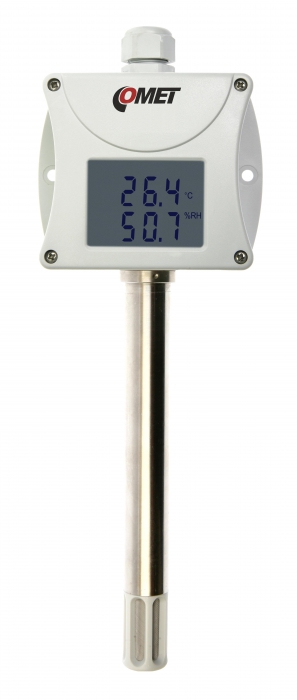
A duct thermometer is used to measure the temperature of air moving through HVAC ducts. It helps technicians check whether heating or cooling systems are working the way they should. In simple terms, it tells you how warm or cold the air is inside the duct, not at the room vent.
These thermometers are often used in furnace testing, air balancing, and system troubleshooting. In my own HVAC-related work, I’ve seen how a duct thermometer can quickly show whether a system is losing heat before it reaches the living space. That kind of reading matters because even a small drop in duct temperature can point to insulation problems, airflow loss, or equipment trouble.
Common uses include:
- Checking supply and return air temperature
- Diagnosing furnace or AC performance
- Measuring duct efficiency
- Verifying airflow conditions during maintenance
The main value of a duct thermometer is that it gives a more direct view of what the HVAC system is actually doing inside the ductwork.
What a probe thermometer is
A probe thermometer measures temperature by inserting a metal probe into a substance or space. It is widely used in cooking, food safety, labs, and general temperature checks. Unlike a duct thermometer, a probe thermometer is built to touch or enter the object being measured.
You’ll see probe thermometers in kitchens, on job sites, and in scientific settings. Some models have a thin tip for fast readings, while others are built for deeper insertion. In food work, I’ve found that a good probe thermometer is one of those tools you don’t think much about until it gives you a bad reading and ruins a meal or safety check.
Common uses include:
- Measuring the internal temperature of meat
- Checking liquid temperature
- Testing soil, compost, or materials
- Measuring air temperature in hard-to-reach places
Probe thermometers are valued for their versatility. But they are not always the best choice for duct testing, since duct airflow and sensor placement can affect accuracy.

Duct thermometer vs probe thermometer: the key differences
The duct thermometer vs probe thermometer comparison comes down to purpose, design, and how each tool collects data. They may look similar in some cases, but they are not interchangeable in practice.
Here are the main differences:
- Purpose: A duct thermometer is made for HVAC duct air temperature. A probe thermometer is made for internal or contact-based temperature measurement.
- Design: Duct thermometers often have a longer shaft or sensor setup suited for airflow. Probe thermometers vary widely, from thin food probes to rugged industrial sensors.
- Accuracy in use: A duct thermometer is better when inserted into ductwork. A probe thermometer is better when inserted into food, liquids, or materials.
- Response time: Many probe thermometers respond fast, but duct models are often chosen for stable airflow readings.
- Durability: Both can be durable, but the build depends on the use case.
The simplest way to think about the duct thermometer vs probe thermometer debate is this: one is made to understand HVAC air, and the other is made to measure the temperature of a thing itself. That’s the difference that really matters.
When to use a duct thermometer
Use a duct thermometer when you need to inspect HVAC performance or airflow temperature in a duct system. It is especially useful when temperature changes affect comfort, efficiency, or safety.
Good times to use one:
- Furnace performance checks
- Air conditioner supply air testing
- Return air inspection
- Duct leakage troubleshooting
- HVAC maintenance and balancing
A duct thermometer is especially helpful when the issue is hidden inside the system. For example, if a room feels too warm even though the thermostat looks fine, the problem may be inside the duct path. A duct thermometer can help narrow it down much faster than guesswork.
From experience, this tool is most useful when paired with airflow checks. Temperature alone does not tell the whole story, but it gives a strong clue.

When to use a probe thermometer
Use a probe thermometer when you need to measure temperature inside food, liquid, soil, or another object. This makes it a go-to tool for kitchens, labs, and many general-purpose tasks.
Good times to use one:
- Checking meat doneness
- Measuring hot drinks or soups
- Testing refrigeration temperatures
- Checking compost or soil warmth
- Measuring internal material temperature
A probe thermometer is the better choice when the temperature you care about is inside the item, not around it. That’s why chefs, food handlers, and home cooks rely on it so much. In food safety, this matters because the outside of a roast may look ready while the inside is still too cool.
Accuracy: which one is better?
The answer depends on what you are measuring. In the duct thermometer vs probe thermometer comparison, accuracy is tied to the job, not just the device.
A duct thermometer is more accurate for HVAC duct air readings because it is designed for that environment. A probe thermometer is more accurate for internal readings in food, liquids, and materials because that is what it is built to measure.
Keep these points in mind:
- Sensor placement affects accuracy
- Response time matters in moving air
- Probe depth matters in food and solids
- Calibration improves reliability for both tools
If you use the wrong tool, the reading may look precise but still be misleading. That’s one of the biggest mistakes I’ve seen people make. They trust the number without asking whether the tool fits the job.
How to choose between them
Choosing between a duct thermometer vs probe thermometer is easier when you start with the measurement goal. Ask yourself what temperature you need and where the sensor must go.
Use this simple guide:
- Choose a duct thermometer if you are working on HVAC ducts, vents, furnaces, or airflow systems
- Choose a probe thermometer if you are checking food, liquids, soil, or internal material temperature
- Choose both if you work in HVAC food service, lab work, or facility maintenance and need different measurement types
A good rule from field experience is this: never force a general tool into a specialized job if accuracy matters. The right thermometer does more than save time. It helps prevent bad decisions.
Benefits and limitations of each tool
Both tools have clear strengths, but both also have limits. Knowing those limits helps you avoid bad readings and wasted effort.
Duct thermometer benefits:
- Designed for HVAC testing
- Useful for troubleshooting heating and cooling systems
- Helps check duct efficiency and airflow conditions
- Often simple to use on site
Duct thermometer limitations:
- Not ideal for food or internal material checks
- Can be affected by duct placement and airflow patterns
- May not work well outside HVAC applications
Probe thermometer benefits:
- Very versatile
- Great for food safety and internal readings
- Often fast and easy to read
- Useful in many industries
Probe thermometer limitations:
- Not always best for duct airflow testing
- Accuracy depends on proper insertion depth
- Some models are built for one task only
The duct thermometer vs probe thermometer choice is not about which one is “better” overall. It is about which one fits the measurement problem in front of you.

Best practices for getting better readings
If you want dependable results, technique matters as much as the tool. Even a good thermometer can give poor results if it is used the wrong way.
Try these best practices:
- Let the thermometer stabilize before recording the reading
- Keep the sensor in the correct position
- Calibrate the thermometer regularly
- Avoid touching hot metal walls unless that is the target
- Follow the manufacturer’s instructions for depth and placement
In HVAC work, small placement errors can change the reading enough to lead you in the wrong direction. In cooking, a probe that is too close to the pan can make food look hotter than it really is. These are tiny mistakes, but they can create big confusion.
Real-world examples
A duct thermometer is useful when a homeowner says one room is always colder than the rest. A technician can measure duct temperatures to see whether warm air is being lost before it reaches that room. That turns a vague comfort complaint into a real data point.
A probe thermometer is useful when someone wants to know whether a turkey is safe to eat. The outside can look perfect, but only the internal temperature tells the truth. That is why probe thermometers are a must-have in kitchens.
These examples show the core difference in the duct thermometer vs probe thermometer discussion:
- One checks system air
- The other checks object or internal temperature
That distinction is simple, but it prevents a lot of wrong assumptions.
Frequently Asked Questions of duct thermometer vs probe thermometer
Can a probe thermometer be used as a duct thermometer?
Sometimes, but it is not always the best choice. A probe thermometer may give a reading in air, but it is not always designed for duct conditions or airflow patterns.
Is a duct thermometer more accurate than a probe thermometer?
Not always. Each tool is more accurate in its own setting, so the better question is which one matches your use case. For duct air, a duct thermometer usually wins.
Are duct thermometers only for HVAC professionals?
No, though they are most common in HVAC work. Homeowners and facility managers can also use them for basic system checks if they know how to place them correctly.
What is the main use of a probe thermometer?
The main use of a probe thermometer is measuring internal temperature. It is commonly used for food, liquids, and materials where inside temperature matters more than surface temperature.
How do I know which thermometer to buy?
Start with your main task. If you work with ducts or airflow, pick a duct thermometer. If you need to measure internal temperature in food or materials, pick a probe thermometer.
Conclusion
The duct thermometer vs probe thermometer decision becomes much easier once you match the tool to the job. A duct thermometer is built for HVAC air testing, while a probe thermometer is better for internal temperature checks in food, liquids, and materials. Using the right one improves accuracy, saves time, and helps you avoid costly mistakes.
If you want better results, focus on the measurement goal first, then choose the tool that fits it best. That simple habit can make a real difference whether you work in HVAC, cooking, maintenance, or inspection. Explore more temperature-measurement guides, compare features before buying, and leave a comment if you want help choosing the right thermometer for your specific task.

Mick Thomas
Contributor