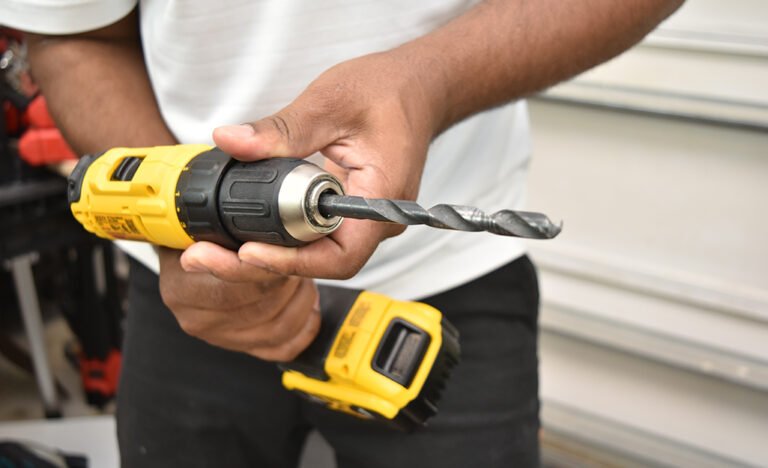
Core removal tool and valve core tool are related, but they serve different jobs in air and fluid systems.
If you have ever worked on tires, HVAC lines, or refrigeration ports, you know how easy it is to mix these up. I have seen that confusion lead to slow leaks, wasted time, and one very annoyed tech more than once. In this guide, I’ll break down core removal tool vs valve core tool in plain English, so you can choose the right one, avoid mistakes, and work faster with more confidence.
Core removal tool vs valve core tool: what each one does
A core removal tool is usually designed to remove, hold, and reinstall a valve core with control. A valve core tool is often the simpler hand tool used to remove or tighten the core itself. In real use, people sometimes use the terms loosely, but the job is not always the same.
The biggest difference comes down to control and purpose. A core removal tool often helps you service systems with pressure inside, while a basic valve core tool is more of a simple remover or installer. That difference matters a lot when you are working on refrigerant systems, Schrader valves, or tire valves.
From my own experience, the safest choice is the tool that matches the pressure, the valve type, and the size of the job. If you grab the wrong one, you may strip the core, vent pressure, or make a small repair turn into a bigger one.
What is a core removal tool?
A core removal tool is a specialty tool used to remove and replace a valve core while giving you more control over the valve opening. It is common in HVAC, refrigeration, and some tire service work. Many models include a mechanism that lets you trap the core, remove it, and reinstall it without losing parts.
This tool is especially useful when a system is under pressure. For example, in refrigeration, it can help you replace a leaking core without fully emptying the system in some service situations. That can save time, reduce refrigerant loss, and make service cleaner.
Core removal tools often have these parts or features:
• A valve stem connection that threads onto the service port
• A core-grabbing mechanism or internal spindle
• A shutoff feature on many higher-end models
• A handle or knob to control the removal process
• Seals or O-rings to help maintain pressure control
When I first used one in the field, I realized it felt less like a screwdriver and more like a tiny control station. That is the point. It gives you better command over a small but important part.
What is a valve core tool?
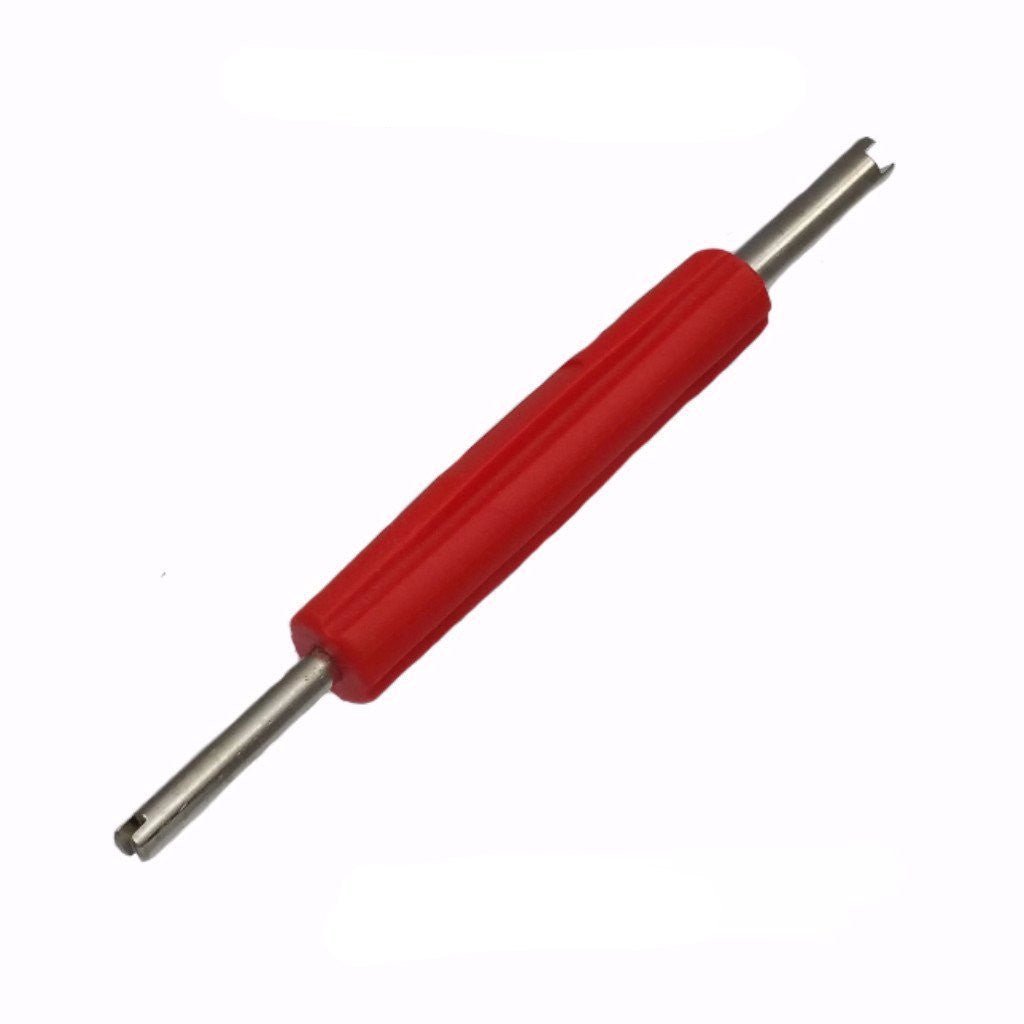
A valve core tool is usually a simpler hand tool made to remove or install a valve core. It is most common for tire valves, but it also shows up in other low-complexity valve work. It often looks like a small screwdriver with a slotted or keyed end.
This tool is best for routine jobs where pressure control is not the main issue. For example, if you need to replace a tire valve core, a valve core tool is often all you need. It is compact, inexpensive, and easy to carry.
Common uses include:
• Tire valve core replacement
• Simple valve maintenance
• Quick tightening of a loose core
• Basic service on low-risk ports
In my experience, this is the tool most people keep in a glove box or small tool pouch. It is not fancy, but it gets the job done when the task is simple.
Core removal tool vs valve core tool: the main differences
The core removal tool vs valve core tool comparison becomes clear when you look at how each one is built and used. They may overlap in conversation, but they are not always interchangeable.
Here is the simplest way to think about it:
• Core removal tool: Better for controlled service, pressure-sensitive systems, and professional repair work
• Valve core tool: Better for quick, basic core removal and installation, especially on tire valves
A few key differences stand out:
• Function: Core removal tools often remove and reinstall cores with more precision. Valve core tools mainly loosen or tighten cores.
• Pressure handling: Core removal tools are often used in systems where pressure loss needs to be minimized. Valve core tools are usually used in simpler, low-pressure tasks.
• Complexity: Core removal tools tend to be more advanced. Valve core tools are usually basic and manual.
• Cost: Core removal tools generally cost more. Valve core tools are usually affordable.
• Use case: Core removal tools fit HVAC and refrigeration work. Valve core tools fit tire and general valve work.
If you are trying to decide on core removal tool vs valve core tool, ask one question first: am I doing routine valve service, or am I servicing a pressurized system that needs better control? That single question will often give you the answer.

How a core removal tool works
A core removal tool threads onto the valve port and aligns with the valve core. Once secured, it lets you grip the core, pull it out, and often store it inside the tool until you are ready to reinstall it. On better tools, a shutoff valve or isolation feature helps limit pressure loss.
The process usually follows a simple pattern:
- Attach the tool to the service port
- Open the tool’s internal path
- Engage the valve core
- Remove the core while keeping control of the system
- Service the line or replace the core
- Reinstall the core
- Close and disconnect safely
I have found that patience matters here. Rushing the process can cross-thread the tool or damage the core seat. That is one of those tiny mistakes that can cost far more than the tool itself.
How a valve core tool works
A valve core tool usually fits directly onto the top of the core. Most have a small forked, slotted, or keyed end that turns the core in or out. It is a straightforward manual action, much like using a miniature wrench made for one job.
The steps are simple:
- Place the tool on the valve core
- Turn counterclockwise to remove
- Turn clockwise to install or snug it down
- Stop when the core is seated firmly, not forced
The key is to avoid over-tightening. A valve core only needs to be snug. Too much force can damage the core seal or make future removal harder.
When to use each tool
Choosing between core removal tool vs valve core tool depends on the system and the task. The right tool can save time and reduce risk.
Use a core removal tool when:
• You are working on HVAC or refrigeration service ports
• You need better control over a pressurized system
• You want to replace a leaking core with less refrigerant loss
• You need professional-grade service precision
Use a valve core tool when:
• You are servicing tire valves
• You need a fast, simple core replacement
• The system is low-risk and low-complexity
• You want a compact tool for basic maintenance
A good rule from field work is this: if pressure control matters, reach for the core removal tool. If the job is simple and the valve is basic, the valve core tool is usually enough.
Common mistakes to avoid
This is where a lot of DIY repairs go sideways. The tools are small, but the mistakes can be big.
Watch out for these issues:
• Using the wrong tool for the valve type
• Forcing a core instead of turning it gently
• Cross-threading the core or tool
• Forgetting to check the seal after reinstalling
• Releasing pressure too quickly on sensitive systems
• Assuming all valve cores are the same size
One mistake I made early on was treating every valve core like a tire core. That worked fine until I dealt with a refrigeration port that needed more care. The lesson was simple: the job tells you the tool, not the other way around.
Benefits of using the right tool
The right tool makes the work cleaner and safer. It also saves time, which is something every mechanic, technician, and DIYer appreciates.
Benefits include:
• Less chance of damaging the valve
• Better seal after reinstalling the core
• Lower risk of leaks
• Faster service
• Less wasted effort
• More confidence in the repair
In professional service, that can also mean lower material loss and better results for the customer. In home use, it means fewer repeat fixes and less frustration.
Limitations of each tool
No tool is perfect, and that is worth saying clearly.
Core removal tool limitations:
• More expensive than basic tools
• Can be overkill for simple tasks
• May require more learning for first-time users
• Not always needed for tire-only work
Valve core tool limitations:
• Limited control in pressurized systems
• Less suited for refrigeration or HVAC service
• Easier to misuse if you rush
• Can be too basic for complex repairs
If you know these limits ahead of time, you can avoid a lot of problems. That kind of planning is part of working smart, not just hard.
Practical buying tips
If you are shopping for core removal tool vs valve core tool, look at the job first, not the price tag. A cheap tool can be fine for basic work, but not for every situation.
Here is what I recommend:
• Match the tool to the valve system you service most often
• Check compatibility with Schrader valves or other valve types
• Look for durable metal construction
• For professional work, choose a tool with shutoff control
• For home use, keep a simple valve core tool in your kit
• Read reviews that mention long-term use, not just first impressions
If you work on cars only, a valve core tool may be enough. If you work on AC units, chillers, or refrigeration lines, a core removal tool is usually the better investment.
Real-world examples
A tire shop tech may use a valve core tool to swap a damaged tire valve core in minutes. That job is fast, low-risk, and straightforward. The tool stays in the drawer until the next tire service.
An HVAC technician, on the other hand, may use a core removal tool on a service port to replace a leaking core while managing system pressure. That is a more sensitive task, and the tool gives better control. I have seen that one choice save a technician from a messy refrigerant loss and a callback.
These examples show why core removal tool vs valve core tool is not just a naming issue. It is about choosing the tool that fits the real-world problem.
Core removal tool vs valve core tool in HVAC and tire service
In HVAC and refrigeration, the core removal tool is usually the better choice because pressure control matters. It helps technicians service valves more safely and with less system disruption. It is common in more technical work.
In tire service, the valve core tool is usually the star. It is quick, cheap, and perfect for removing or replacing the small core inside a tire valve stem. Since the risk is lower, a simpler tool makes more sense.
That difference is why many professionals keep both tools nearby. One tool is the specialist, and the other is the everyday helper.
FAQ: core removal tool vs valve core tool
What is the biggest difference between a core removal tool and a valve core tool?
A core removal tool gives you more control and is often used in pressurized systems like HVAC or refrigeration. A valve core tool is simpler and is commonly used for tire valves and basic jobs.
Can I use a valve core tool instead of a core removal tool?
Sometimes, yes, but only for simple jobs where pressure control is not critical. For refrigerant systems or other sensitive applications, a core removal tool is usually the safer choice.
Are valve core tools only for tires?
No, they are not only for tires, but that is the most common use. They can also be used on other valves that use a standard removable core.
Do I need both tools?
If you only do basic tire maintenance, you may only need a valve core tool. If you work on HVAC, refrigeration, or more advanced systems, having both is the smarter choice.
How do I know if a valve core is tight enough?
A valve core should be snug, not forced. If you tighten too much, you can damage the seal or make future removal difficult.
Are all valve cores the same size?
No, valve cores can vary by type and application. Always check compatibility before installing or removing one.
Conclusion
When you compare core removal tool vs valve core tool, the main idea is simple: one is built for greater control in more technical systems, while the other is a basic tool for quick core service. If you work on tires, a valve core tool may be all you need. If you work on HVAC or refrigeration, a core removal tool can save time, reduce risk, and make the job much cleaner.
The best choice is the one that fits your system, your skill level, and your repair goals. Keep the right tool on hand, use it gently, and you will avoid the little mistakes that create big headaches later. If this guide helped, keep learning, check your tools before the next job, and leave a comment with the kind of valve work you do most often.

Mick Thomas
Contributor