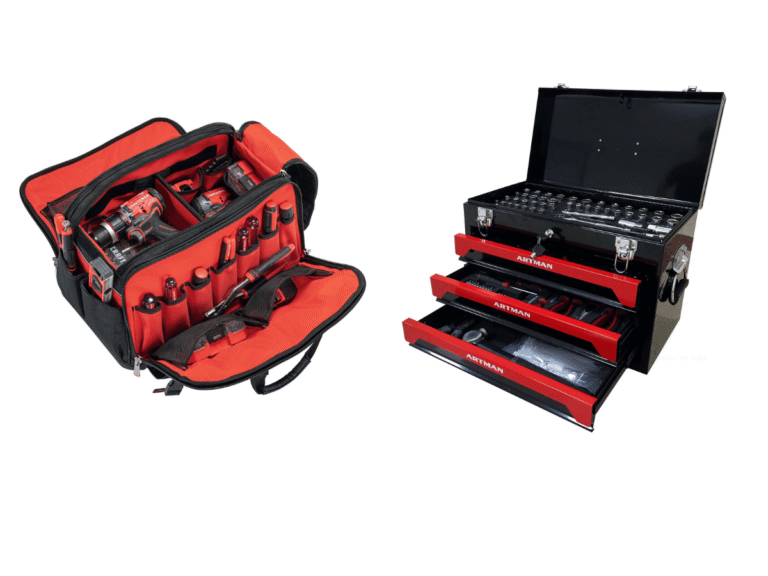
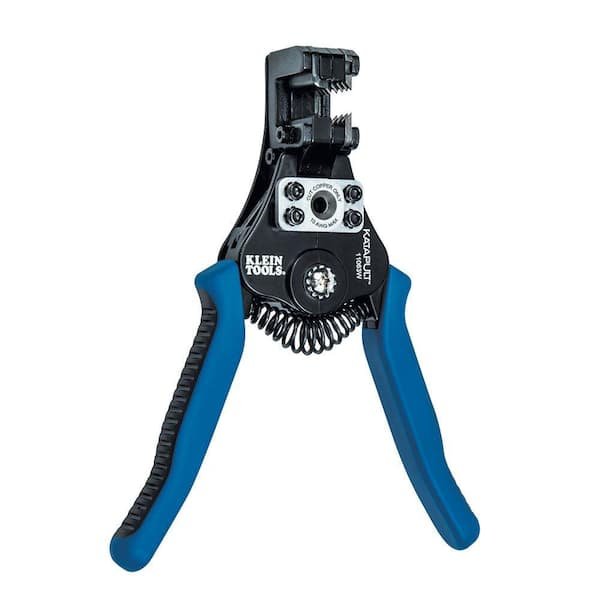
A continuity tester checks for a complete path; a circuit tester checks power, wiring, and voltage.
If you have ever stared at a dead outlet, a silent switch, or a wire that looks fine but acts broken, you already know why this comparison matters. In real work, the continuity tester vs circuit tester choice can save time, prevent mistakes, and help you diagnose problems faster. I’ve used both in the field, and the key is knowing which tool tells you whether a wire is connected and which one tells you whether electricity is actually present.
Continuity Tester vs Circuit Tester: What Each Tool Does
A continuity tester is designed to check whether an electrical path is complete. In simple terms, it helps you find out if current can move from one point to another without a break. A circuit tester, on the other hand, is used to check whether a circuit has power and, in many cases, whether the wiring is correct.
That difference sounds small, but it changes everything in practice. When I first started troubleshooting basic home wiring, I made the mistake of using a continuity tester on a live circuit. That taught me a simple rule: continuity testers are for unpowered circuits, while circuit testers are often used to test live outlets, switches, and plugs.
A continuity tester is great for:
- Checking fuses
- Testing wires for breaks
- Verifying switch contacts
- Finding open circuits
A circuit tester is great for:
- Checking if an outlet has power
- Testing receptacle wiring
- Identifying hot, neutral, and ground issues
- Confirming voltage in a circuit
The continuity tester vs circuit tester decision usually comes down to one question: do you need to confirm a path, or do you need to confirm power?

How a Continuity Tester Works
A continuity tester sends a small test signal through a wire or component. If the path is complete, the tool shows a light, beep, or reading that tells you continuity is present. If the path is broken, nothing happens.
This is why it works so well for troubleshooting wires, fuses, and switches. It is a bit like checking whether a hallway is open from one end to the other. If the hallway is blocked, the signal stops.
Common uses include:
- Testing a fuse before replacing it
- Checking whether a wire inside a cable is broken
- Verifying switch terminals
- Finding bad solder joints or loose connections
A continuity tester is simple, but it has a major limit. It should not be used on a live circuit unless the manufacturer specifically says it is safe. Applying a continuity test to powered wiring can damage the meter or give you a false reading.
How a Circuit Tester Works
A circuit tester is used to see if voltage is present in a circuit. Some basic models light up when they detect power. More advanced testers can measure voltage, polarity, and wiring faults. In residential work, circuit testers are often used on outlets, extension cords, light sockets, and vehicle circuits.
This tool answers a different question from the continuity tester. Instead of asking, “Is the path complete?” it asks, “Is power actually here?”
Common uses include:
- Checking wall outlets
- Confirming power at a switch or fixture
- Testing electrical sockets in vehicles
- Spotting open grounds, reversed polarity, or missing neutral
I once traced a “dead” lamp problem that turned out not to be the bulb at all. The circuit tester showed no voltage at the outlet, which led me straight to a tripped breaker. That saved time, because a continuity test alone would not have revealed the real issue.
Continuity Tester vs Circuit Tester: The Main Differences
The continuity tester vs circuit tester comparison becomes much easier when you break it down by function.
-
Continuity tester: Checks if a path is unbroken
-
Circuit tester: Checks if power exists in a circuit
-
Continuity tester: Used on de-energized circuits
-
Circuit tester: Often used on energized circuits
-
Continuity tester: Useful for wires, fuses, switches, and conductors
-
Circuit tester: Useful for outlets, receptacles, plugs, and live wiring
-
Continuity tester: Usually gives a beep, light, or low-resistance reading
-
Circuit tester: Usually shows voltage, polarity, or wiring status
-
Continuity tester: Better for finding breaks
-
Circuit tester: Better for finding power problems
If you remember only one thing, remember this: continuity tells you about connection, while a circuit tester tells you about electrical presence.
When to Use a Continuity Tester
Use a continuity tester when the circuit is disconnected from power and you want to know whether a part of it is still connected.
Good situations include:
- Testing whether a fuse is blown
- Checking a cable for internal breaks
- Verifying a switch closes properly
- Finding a short in a wire bundle
- Testing connectors, terminals, and lamp cords
A continuity tester is often the first tool I reach for when I suspect a hidden break. It is fast, low-risk, and easy to understand. But it only works correctly when the circuit is safely shut off.
When to Use a Circuit Tester
Use a circuit tester when you want to check whether voltage is present or whether wiring is correct in a live circuit.
Good situations include:
- Checking if an outlet is energized
- Testing an electrical box before installing a fixture
- Confirming wire polarity
- Finding open grounds
- Diagnosing power loss in a plug or receptacle
A circuit tester is more useful when the symptom is “nothing turns on.” If you are trying to see whether current is available, a continuity tester is not the right tool. You need a tester that reads live voltage.
Which One Is Better for Home Repairs?
For most homeowners, the answer depends on the job. If you are checking a dead outlet, a circuit tester is usually the better choice. If you are testing a cord, fuse, or switch that has already been unplugged, a continuity tester is the better choice.
Here is a simple rule I use:
- Use a continuity tester for parts that are disconnected
- Use a circuit tester for parts that may still be live
That rule keeps you safer and helps you avoid misleading results. Many DIY mistakes happen because people test the wrong thing with the wrong tool.
Safety Tips Before Using Either Tool
Electrical testing is useful, but it demands respect. Even small mistakes can lead to shocks, bad readings, or damaged equipment.
Keep these safety tips in mind:
- Turn off power before using a continuity tester
- Verify power is off with a known working tester
- Never assume a wire is dead just because a switch is off
- Use a tester rated for the voltage you are checking
- Inspect the tool for damaged leads or cracked insulation
- Follow the manufacturer’s instructions every time
I have learned that the fastest way to make an electrical job harder is to skip the safety check. A minute spent confirming the circuit is dead can prevent a lot of trouble later.
Common Mistakes People Make
The continuity tester vs circuit tester confusion often leads to a few repeated mistakes.
- Using a continuity tester on a live circuit
- Assuming a circuit is fine because one part shows continuity
- Confusing voltage presence with full wiring health
- Trusting a cheap tester without confirming results
- Forgetting that continuity does not prove a circuit can carry current under load
That last point matters more than people realize. A wire can show continuity and still fail under real use if it is damaged, corroded, or loose. In other words, continuity is a good start, but it is not the whole story.
Best Use Cases by Tool
If you want a quick way to choose, this simple breakdown helps.
Continuity Tester Best For
- Blown fuses
- Open wires
- Broken switches
- Cable checks
- Connector testing
Circuit Tester Best For
- Outlets
- Live wiring
- Receptacle problems
- Polarity checks
- Power loss diagnosis
This is where the continuity tester vs circuit tester comparison becomes practical. The right tool depends on what you are trying to learn, not just what you are looking at.
Professional Tips From Real-World Troubleshooting
Over the years, I have found a few habits that make testing much easier.
- Start with the simplest test first
- Confirm the circuit state before testing
- Use a continuity tester for quick pass or fail checks
- Use a circuit tester when voltage or polarity is the question
- Double-check results with a second tool if the reading looks odd
One lesson I always share is this: do not trust a single test to tell the whole story. A good technician thinks in steps. First confirm power. Then confirm continuity. Then look for the fault.
FAQ: Continuity Tester vs Circuit Tester
What is the main difference between a continuity tester and a circuit tester?
A continuity tester checks whether a path is complete, while a circuit tester checks whether a circuit has power. They solve different problems, so choosing the right one depends on what you need to confirm.
Can a continuity tester be used on live circuits?
No, not in normal use. Continuity testers are meant for de-energized circuits, and using one on a live circuit can give false readings or damage the tool.
Is a circuit tester the same as a multimeter?
Not exactly. A circuit tester usually gives a simpler yes-or-no or voltage result, while a multimeter can measure voltage, resistance, and continuity in one device.
Which tool is better for testing a dead outlet?
A circuit tester is usually better for a dead outlet because it helps confirm whether voltage is present. If the outlet has no power, the problem may be upstream in the breaker, wiring, or another connection.
Do I need both tools at home?
If you do any electrical DIY work, having both is smart. A continuity tester helps with disconnected parts, while a circuit tester helps with live circuits and outlet checks.
Conclusion
The continuity tester vs circuit tester choice is simple once you understand the job each one does. A continuity tester checks for a complete path, while a circuit tester checks for power and wiring conditions. Use the right tool, and you will troubleshoot faster, stay safer, and avoid a lot of guesswork.
If you are just starting out, begin with these two questions before testing: Is the circuit live, and am I checking connection or voltage? That habit alone can make you much more confident around electrical repairs. Keep learning, test carefully, and if this guide helped you, explore more electrical tips or leave a comment with your own troubleshooting experience.

Mick Thomas
Contributor