A dead blow hammer delivers more force with less rebound; a rubber mallet is gentler and more versatile.
If you have ever tried to tap a stubborn part into place, you already know the dead blow hammer vs rubber mallet choice matters. They look similar at a glance, but they work very differently in real life. I have used both on jobs where one saved the finish, and the other saved my wrist. That gap is exactly why this guide breaks down dead blow hammer vs rubber mallet in a clear, practical way.

What a dead blow hammer is
A dead blow hammer is built to reduce rebound. Most have a hollow head filled with steel shot, sand, or another loose material. When the hammer strikes, that filler shifts and absorbs energy, so the tool hits hard without bouncing back much.
That design makes it great for controlled impact. I have used a dead blow hammer on seized parts, alignment jobs, and machine assembly where a normal hammer would have bounced the piece out of position. In the dead blow hammer vs rubber mallet debate, this tool usually wins when you need force plus precision.
Common uses include:
- Seating bearings or bushings
- Aligning metal parts
- Adjusting machinery
- Moving stubborn components without sparks
- Reducing damage to the surface being struck
The big benefit is control. The main limitation is that it is not always the best choice for delicate, soft, or easily marked surfaces.

What a rubber mallet is
A rubber mallet has a solid head made from rubber or rubber-like material. It is softer than a metal hammer and usually gentler on wood, plastic, tile, and finished surfaces. It is the kind of tool you reach for when you want a tap, not a strike.
In the dead blow hammer vs rubber mallet comparison, the rubber mallet is usually the better option for light assembly and finish work. I have used one for tent stakes, furniture assembly, flooring, and trim work where a hard hit could crack, dent, or scratch the material.
Common uses include:
- Furniture assembly
- Flooring installation
- Light carpentry
- Camping and outdoor setup
- Tapping parts into place without marking them
The main advantage is softness and surface protection. The downside is that it can bounce more and deliver less concentrated force than a dead blow hammer.
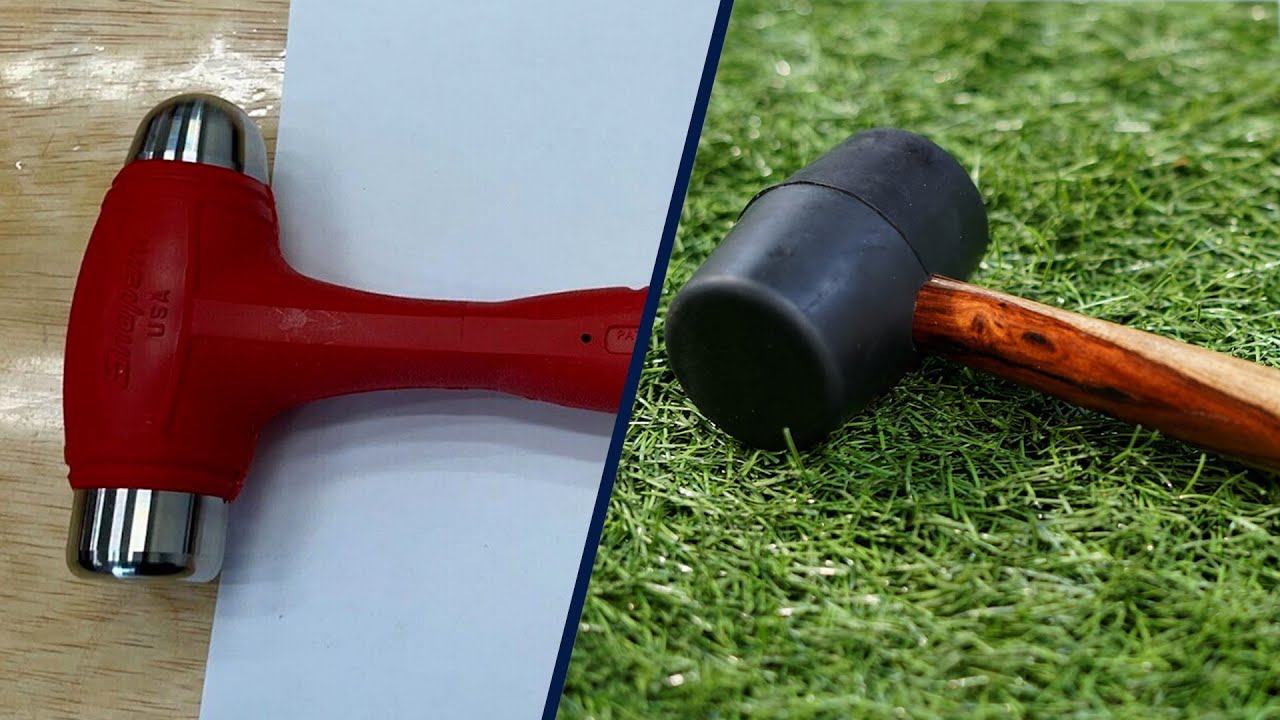
Dead blow hammer vs rubber mallet: the core difference
The simplest way to think about dead blow hammer vs rubber mallet is this:
- A dead blow hammer is made for strong, controlled impact with little rebound
- A rubber mallet is made for softer impact and surface protection
That difference changes how each tool feels in use. A dead blow hammer is like a firm push with staying power. A rubber mallet is more like a gentle nudge.
Here is the practical breakdown:
- Force delivery: Dead blow hammer delivers more effective force
- Rebound: Dead blow hammer has less bounce
- Surface care: Rubber mallet is usually safer on delicate finishes
- Precision: Dead blow hammer is better for controlled seating
- General use: Rubber mallet is more versatile for light-duty tasks
If you only remember one thing, remember this: dead blow hammer vs rubber mallet is not about which one is “better” overall. It is about which one matches the job.

When to use a dead blow hammer
A dead blow hammer makes sense when you need impact without a lot of bounce. That matters most in mechanical work and precise alignment.
Use a dead blow hammer when you need to:
- Drive parts together with less rebound
- Align metal components
- Free stuck parts
- Reduce the chance of marring from repeated hits
- Work around machinery where control matters
I once used a dead blow hammer to seat a tight metal housing that kept shifting with every strike from a regular mallet. The dead blow hammer held the force in the target area much better. That is the kind of real-world difference that makes the dead blow hammer vs rubber mallet decision so important.
A dead blow hammer is not ideal for every job, though. If the surface is painted, polished, or very soft, you may still want a softer mallet or a padded striking tool.

When to use a rubber mallet
A rubber mallet is best when you want a gentler touch. It is especially useful when the material is easy to damage or when you only need light tapping.
Use a rubber mallet for:
- Assembling furniture
- Installing flooring
- Tapping wood joints together
- Setting tent stakes
- Adjusting items without leaving metal marks
In my own work, the rubber mallet has been the safer choice more often than not for home projects. It is simple, cheap, and easy to grab when you do not want to overdo it. In the dead blow hammer vs rubber mallet comparison, the rubber mallet often wins for everyday household tasks.
Still, it has limits. It can bounce, and on stubborn parts it may feel too soft to get the job done.

Dead blow hammer vs rubber mallet for different materials
The material you are striking should guide your choice. This is where people often make mistakes.
For metal:
- Dead blow hammer is usually better for alignment and force
- Rubber mallet may be too soft for stuck parts
For wood:
- Rubber mallet is often safer for joints and finished surfaces
- Dead blow hammer can be useful if you need more force and care
For plastic:
- Rubber mallet is often the first choice
- Dead blow hammer can work if the plastic is thick and sturdy
For tile or finished surfaces:
- Rubber mallet is usually safer
- Even then, a soft striking face or protective pad may be better
The dead blow hammer vs rubber mallet choice becomes easier when you think about damage risk first and force second. That order saves time, money, and a lot of frustration.
Pros and cons of each tool
Dead blow hammer pros
- Less rebound
- Better force transfer
- Good for alignment
- More controlled striking
- Helpful on stubborn parts
Dead blow hammer cons
- Heavier feel
- Can be overkill for delicate work
- Usually more specialized than a rubber mallet
Rubber mallet pros
- Gentle on surfaces
- Good for light assembly
- Easy to use
- Common and affordable
- Great for home projects
Rubber mallet cons
- More bounce
- Less impact force
- May not work well on tight or seized parts
This is why the dead blow hammer vs rubber mallet question does not have one simple answer. Each tool has a sweet spot.

My practical rule for choosing between them
After years of using both, I use one simple rule.
If I need force and control, I grab the dead blow hammer.
If I need softness and surface protection, I grab the rubber mallet.
That rule has saved me from a lot of trial and error. Early on, I once used a rubber mallet on a part that clearly needed a dead blow hammer. I ended up tapping ten times more than I should have, and the part still did not seat right. That lesson stuck with me: the wrong tool usually costs more time than the right one costs money.
A quick decision guide:
- Choose a dead blow hammer if the part is stubborn, heavy, or needs precise seating
- Choose a rubber mallet if the surface is fragile, finished, or only needs light tapping
That is the heart of dead blow hammer vs rubber mallet in practice.

Safety tips and common mistakes
Even though both tools seem simple, there are a few mistakes people make all the time.
Common mistakes:
- Using a rubber mallet on a job that needs stronger force
- Using a dead blow hammer on a very delicate finish without protection
- Striking at the wrong angle and causing slips
- Ignoring wear on the head or handle
- Picking the tool by looks instead of the material
Safety tips:
- Wear eye protection when working on metal or brittle materials
- Inspect the striking face before use
- Use controlled, short swings
- Keep hands clear of pinch points
- Replace damaged tools early
Tool makers and safety groups consistently stress proper tool selection because misuse increases the chance of damage and injury. That advice fits the dead blow hammer vs rubber mallet choice perfectly.
How to choose the right one for your toolbox
If you only want to buy one first, think about your most common jobs.
Choose a rubber mallet first if you mostly do:
- Home repairs
- Furniture assembly
- Flooring
- Light woodworking
- Outdoor setup
Choose a dead blow hammer first if you mostly do:
- Mechanical repairs
- Metal work
- Equipment alignment
- Shop tasks
- Jobs that need repeatable force
For many people, the best answer is to own both. They are not redundant tools. They solve different problems. In the dead blow hammer vs rubber mallet debate, a two-tool setup often gives the best value.
Frequently Asked Questions of dead blow hammer vs rubber mallet
Is a dead blow hammer better than a rubber mallet?
It depends on the job. A dead blow hammer is better when you need more force and less rebound, while a rubber mallet is better for softer, lighter taps.
Can I use a rubber mallet instead of a dead blow hammer?
Sometimes, but not always. A rubber mallet may work for light assembly, but it can bounce too much or lack enough force for stubborn parts.
Which is better for furniture assembly?
A rubber mallet is usually the better choice for furniture assembly. It is gentler on finished surfaces and less likely to leave marks.
Does a dead blow hammer damage surfaces?
It can, especially if the surface is soft, painted, or delicate. Even though it reduces rebound, it still delivers a strong impact.
What is the main advantage of a dead blow hammer?
Its main advantage is controlled force with very little bounce. That makes it useful for precision work and tighter mechanical tasks.
Conclusion
The dead blow hammer vs rubber mallet choice comes down to force, control, and surface protection. A dead blow hammer is the stronger, more controlled option for stubborn or precise work. A rubber mallet is the gentler choice for light tapping and finished surfaces.
If you want fewer mistakes, pick the tool that matches the material and the task. That small decision can save time, protect your project, and make the job feel much easier. If this guide helped, explore more tool comparisons, keep building your toolbox with purpose, and leave a comment with the project you are working on.