Flush cutters make cleaner, flatter cuts, while diagonal cutters are tougher and more versatile for general use.
If you have ever tried trimming wire, snipping zip ties, or cleaning up a project edge, you already know the tool you choose matters. The difference between flush cutters vs diagonal cutters is not just about names; it affects cut quality, hand comfort, and even how much cleanup work you need afterward. I have used both on electronics, craft work, and basic home repairs, and the right choice usually comes down to one simple question: do you want the cleanest possible cut, or the most practical all-around cutter?

Flush Cutters vs Diagonal Cutters: What They Really Are
Flush cutters and diagonal cutters are both side-cutting hand tools, but they are designed for slightly different jobs. A flush cutter is built to leave a very flat cut, often with one side that looks nearly level with the surface. A diagonal cutter, sometimes called linesman-style side cutters in some settings, has angled jaws that are better for general cutting and stronger materials.
The easiest way to think about it is this: flush cutters are the precision knife, while diagonal cutters are the sturdy pocket tool. Both cut wire and small parts, but the finish and force feel different. That difference becomes obvious the first time you need a neat trim on a cable tie or a clean cut on soft copper wire.
In real use, flush cutters are often preferred in electronics, jewelry work, and model building. Diagonal cutters show up more in electrical work, hardware tasks, and everyday repairs because they are more durable and forgiving. If you are comparing flush cutters vs diagonal cutters, the answer depends on whether clean edges or broad utility matters more.
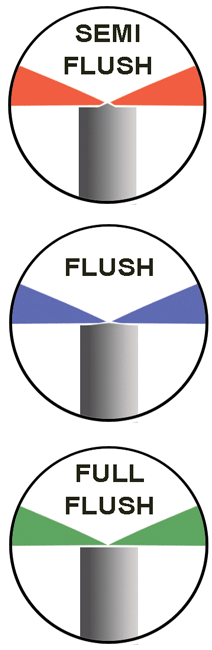
Key Differences Between Flush Cutters and Diagonal Cutters
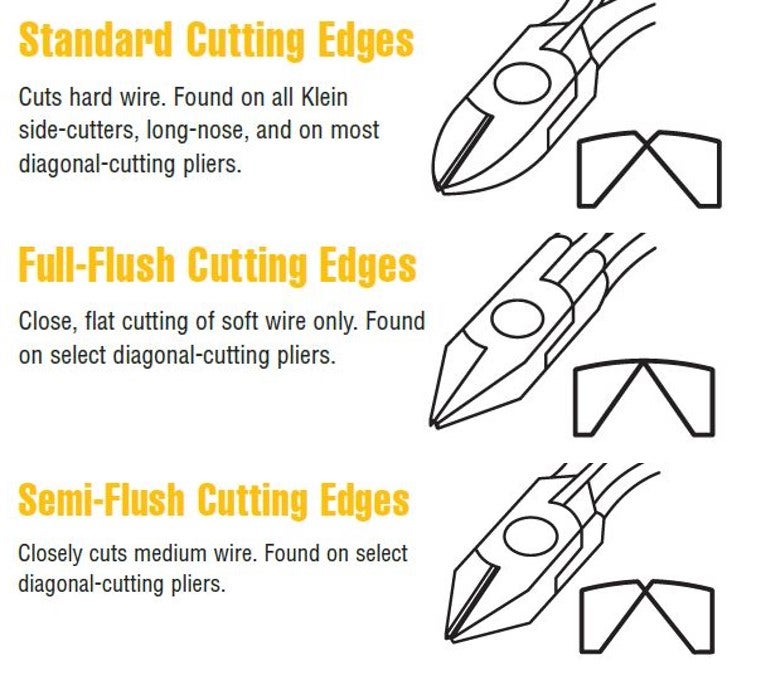
The main differences come down to cut shape, jaw design, strength, and use case. Flush cutters are made to remove material very close to a surface, while diagonal cutters are made for angled cuts with more leverage.
Here is a simple breakdown:
- Cut finish: Flush cutters leave a smoother, flatter edge. Diagonal cutters leave a more angled cut.
- Jaw shape: Flush cutters have fine, precise jaws. Diagonal cutters have thicker, stronger jaws.
- Strength: Flush cutters are usually less robust. Diagonal cutters handle harder work better.
- Best use: Flush cutters are ideal for delicate work. Diagonal cutters fit general-purpose cutting.
- Wire type: Flush cutters are better for soft wire and leads. Diagonal cutters can handle a wider range of wire sizes, depending on the model.
I learned this the hard way years ago while trimming small component leads on a hobby board. I used diagonal cutters because they were nearby, and the cut was fine, but it left little sharp stubs that needed extra cleanup. Switching to flush cutters made the board look cleaner and reduced the risk of accidental scratches or shorts.
If you work with fragile materials, the difference is even more important. A flush cutter can save time and frustration because it reduces the need for filing or rework. A diagonal cutter is still the better everyday choice when you need one tool to do many jobs well.
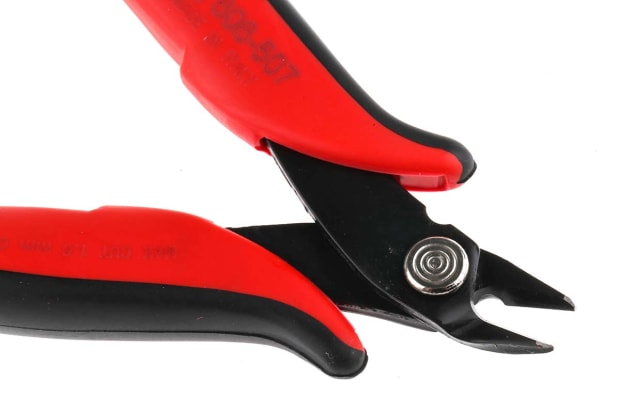
When to Use Flush Cutters
Flush cutters shine when neatness matters. They are designed to cut close to a surface without leaving much extra material behind. That makes them especially useful when appearance, fit, or safety is part of the job.
Common uses include:
- Electronics and circuit boards: Trimming component leads after soldering
- Craft projects: Cutting plastic ties, thin wire, and floral stems
- Jewelry making: Snipping beading wire or soft metal wire
- Model building: Removing small sprues or excess plastic
- Cable management: Trimming zip ties cleanly
A good flush cutter can feel almost like a scalpel for wire. It does not need brute force. It needs control. That is why many people who work in detailed trades keep one near the bench and treat it like a finishing tool.
One thing to watch is tool limits. Flush cutters are not meant for hard steel piano wire or thick nails. Using them that way can nick the blades fast. If you need to know which tool to choose in flush cutters vs diagonal cutters, ask yourself whether the job is about precision or power.
When to Use Diagonal Cutters
Diagonal cutters are the better choice for general-purpose cutting. They are built with angled jaws that give you good leverage and a stronger bite on a wider range of materials. For many people, they are the most useful cutter to keep in a toolbox.
They are commonly used for:
- Cutting copper wire and aluminum wire
- Trimming electrical leads
- Snipping small nails, pins, and staples
- Removing zip ties
- General household and shop tasks
I reach for diagonal cutters when I do not know exactly what I will run into. They are the tool I trust for rougher work because I do not worry as much about damaging a fine edge. They are also easier to justify in a basic toolkit since they cover so many common tasks.
That said, they do leave a more noticeable cut mark. If you are working where the edge must be smooth or nearly invisible, they are not the best final-step tool. In that case, flush cutters usually finish the job better.
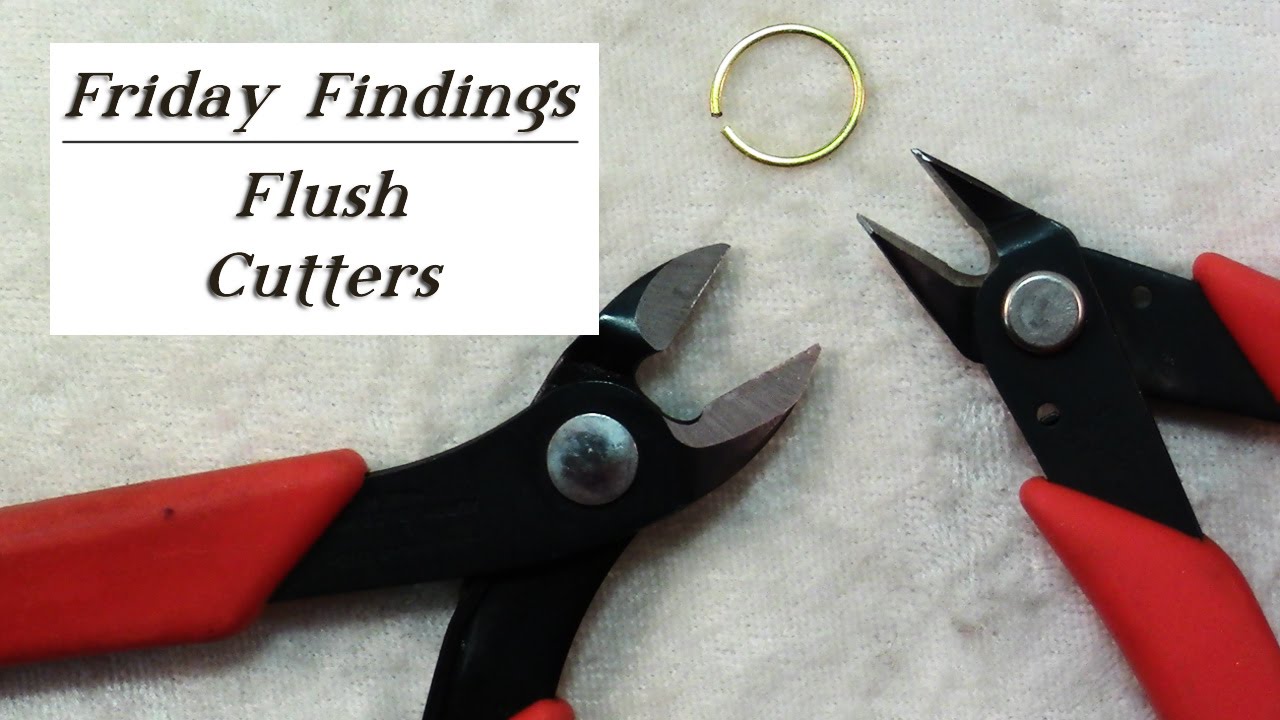
Flush Cutters vs Diagonal Cutters for Electronics
Electronics is where the difference between flush cutters vs diagonal cutters becomes really clear. When trimming resistor leads, capacitor legs, or diode pins, the cleanest cut matters because long or sharp stubs can cause problems. A flush cutter helps reduce the chance of shorts, scratches, or awkward solder joints.
In my experience, diagonal cutters can still work in electronics, especially during rough trimming before final cleanup. But if you are building boards often, a flush cutter pays for itself quickly. It makes the work cleaner and less stressful.
A few practical tips for electronics work:
- Use flush cutters for final lead trimming after soldering
- Hold the lead so it does not fly off and injure you
- Choose fine-tip cutters for tight board spaces
- Avoid cutting hardened wire unless the cutter is rated for it
The right tool also depends on the wire material. Soft copper is easy on both tools, but thicker or coated wire can wear blades faster. For precision electronics, flush cutters are usually the better long-term choice.

Durability, Strength, and Cutting Performance
If strength is your top concern, diagonal cutters usually win. Their jaws are thicker, and the tool design is made to handle more force. That does not make them indestructible, but it does make them more forgiving in daily use.
Flush cutters are more delicate by design. They are excellent at clean cuts, but they are not meant to be abused. If you twist the tool or try to cut materials beyond its rating, the edge can dull or chip faster.
Here is a simple way to compare them:
- Flush cutters: Best for soft wire, soft plastic, and clean finishing work
- Diagonal cutters: Best for mixed materials, repeated use, and tougher tasks
The American National Standards Institute and OSHA guidance around hand tool safety both emphasize using tools for their intended purpose. That principle matters here. A tool that fits the job lasts longer, works safer, and gives better results.
If you want one everyday cutter for home use, diagonal cutters are often the safer bet. If your work is detailed and finished appearance matters, flush cutters are worth the extra care.

How to Choose Between Flush Cutters vs Diagonal Cutters
Choosing between flush cutters vs diagonal cutters is easier when you match the tool to the task. Start with the material, then think about the finish you want. If the cut needs to disappear into the work, go flush. If the tool needs to survive a lot of mixed tasks, go diagonal.
Use this quick decision guide:
-
Choose flush cutters if:
- You work with electronics
- You need a clean, near-surface cut
- You trim soft wire, leads, or zip ties
- You care about appearance and precision
-
Choose diagonal cutters if:
- You need an all-purpose cutter
- You work with wire of different sizes
- You want more durability
- You need a tool for home, shop, or electrical work
I usually tell people to buy diagonal cutters first if they only want one cutter. Then add flush cutters later if they start doing more delicate work. That order saves money and prevents the common mistake of using a precision tool as a rough tool.
A small but important point: handle comfort matters too. A cutter that fits your hand reduces fatigue and improves control. Even the best blade is not very useful if it feels awkward after five minutes.
Maintenance Tips for Longer Tool Life
Good care makes both tools last longer. Clean blades cut better, and clean pivots feel safer in the hand. A little maintenance goes a long way, especially if you use flush cutters vs diagonal cutters often.
Try these simple habits:
- Wipe the blades after use to remove dust, glue, or metal residue
- Store them dry to avoid rust
- Do not use them on hardened wire unless rated for it
- Apply a tiny amount of oil to the pivot if it starts feeling stiff
- Keep them separate from heavier tools so the edges do not get damaged
One mistake I made early on was tossing precision cutters into a crowded toolbox. The jaws got nicked from banging against pliers and screwdrivers. After that, I started keeping flush cutters in a small pouch, and the difference in blade life was obvious.
Also check alignment from time to time. If the jaws do not meet cleanly, the cut quality drops fast. That is often the first sign that the tool needs attention or replacement.

Common Mistakes to Avoid
People often damage cutters by using them for the wrong material. That is the biggest mistake, and it happens all the time. A tool can be sharp, but if it is not rated for the job, it will wear out quickly.
Avoid these errors:
- Cutting hardened steel with flush cutters made for soft wire
- Using diagonal cutters when a clean flush finish is needed
- Twisting the tool instead of making a straight cut
- Using worn cutters on delicate electronic parts
- Ignoring handle size and grip comfort
Another mistake is assuming all cutters are basically the same. They are not. Small design differences matter a lot in real work. Once you notice how much cleaner flush cutters can be, or how much stronger diagonal cutters feel, the choice becomes much easier.
Think of it like using the right brush for painting. A wide brush is not “better” than a fine brush. It just serves a different purpose. The same logic applies to flush cutters vs diagonal cutters.
Frequently Asked Questions
Are flush cutters and diagonal cutters the same thing?
No, they are similar but not the same. Flush cutters are designed for a clean, flat cut, while diagonal cutters are built for stronger, angled cuts and more general use.
Can diagonal cutters replace flush cutters?
Sometimes, but not always. Diagonal cutters can handle many everyday tasks, but they usually leave a less clean edge than flush cutters.
Which is better for electronics?
Flush cutters are usually better for electronics because they trim leads close to the surface and leave a cleaner finish. That helps reduce sharp stubs and keeps the work neat.
Are flush cutters stronger than diagonal cutters?
No, diagonal cutters are usually stronger and more durable. Flush cutters are more precise, but they are not meant for heavy-duty cutting.
What should I buy first, flush cutters or diagonal cutters?
If you only want one tool, buy diagonal cutters first because they are more versatile. Add flush cutters later if you start doing precision work or electronics.
Conclusion
When you compare flush cutters vs diagonal cutters, the best choice comes down to the job in front of you. Flush cutters are the better pick for clean, precise, close-to-surface cuts. Diagonal cutters are the more rugged all-rounder for everyday tasks and mixed materials.
If you remember one thing, let it be this: match the tool to the finish you want, not just the material you are cutting. That small habit saves time, protects your tools, and gives you cleaner results. If this guide helped you, explore more tool comparisons, share it with someone setting up a toolbox, or leave a comment with the cutter you use most often.