Tongue and groove pliers are more versatile for odd shapes; pipe wrenches grip round iron pipes stronger.
I’ve worked on dozens of plumbing and mechanical jobs, so I know the small but key differences between tongue and groove pliers vs pipe wrench. This guide breaks down design, grip, best uses, risks, maintenance, and real-world tips to help you pick the right tool for the task. Read on for clear comparisons, examples, and simple action steps you can use on your next repair.
What are tongue and groove pliers?
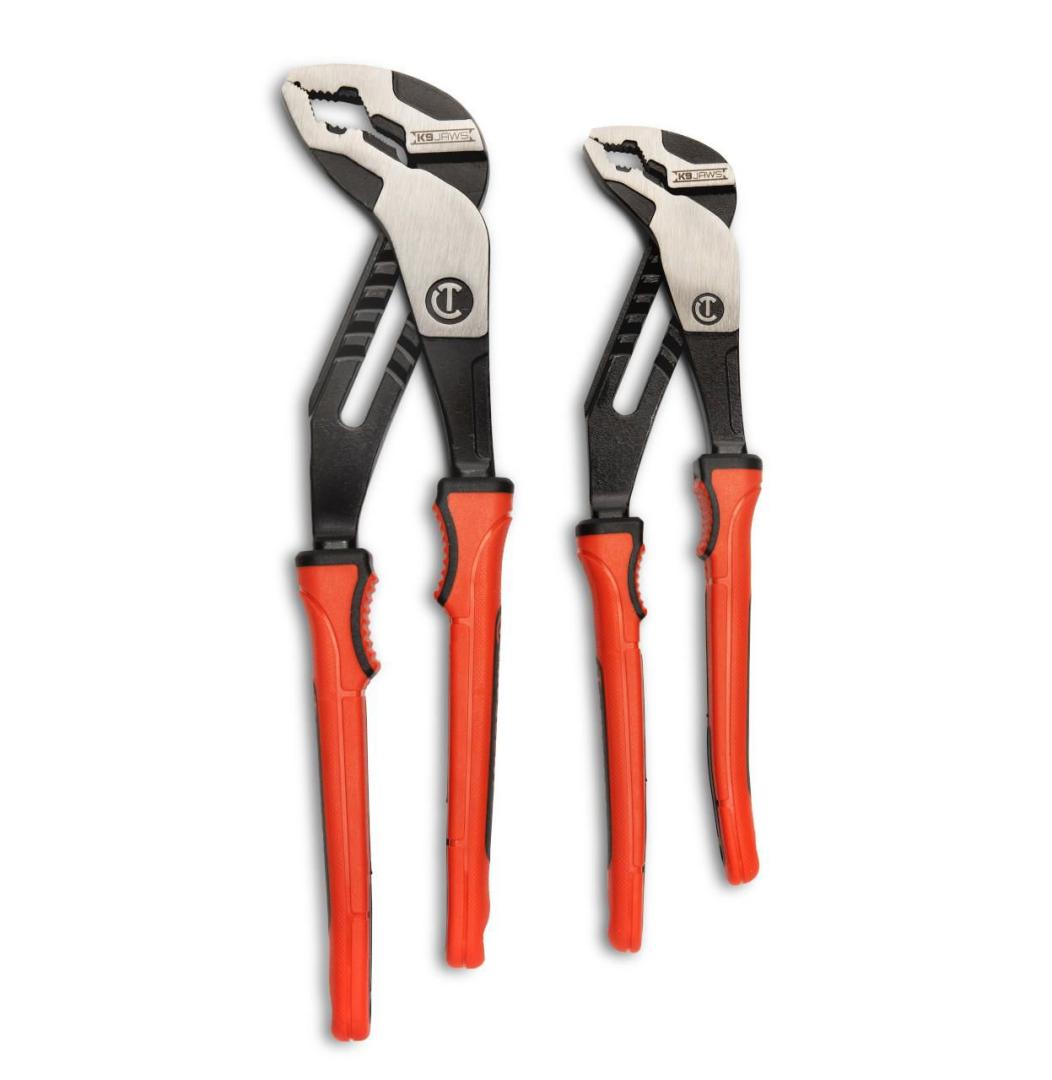
Tongue and groove pliers, also called groove joint pliers or channel-locks, have an adjustable pivot. They have multiple jaw positions so the jaw width changes quickly. The jaws have angled teeth that bite into flat or slightly rounded surfaces.
Common uses
- Gripping nuts and bolts.
- Holding sheet metal or hose clamps.
- Turning irregular shapes.
Key traits
- Lightweight and easy to carry.
- Fast jaw adjustment.
- Less likely to mar finished surfaces if used carefully.
Tongue and groove pliers are a go-to for general work. They shine when you need speed and adaptability. They are central to the tongue and groove pliers vs pipe wrench debate because they trade raw pipe bite for versatility and speed.

What is a pipe wrench?
A pipe wrench is a heavy-duty wrench built for round pipe. It has adjustable jaws with deep, sharp teeth and a long handle for leverage. The top jaw is movable and designed to dig into iron and steel pipe surfaces when force is applied.
Common uses
- Turning threaded iron pipes.
- Loosening rusted or stuck pipe fittings.
- Heavy plumbing and gas-line work.
Key traits
- Strong, self-tightening grip on round pipes.
- Heavier and bulkier than pliers.
- Can gouge or score softer metals and plated finishes.
A pipe wrench is often the right answer when you need brute force on round pipe. In comparing tongue and groove pliers vs pipe wrench, the pipe wrench wins on raw holding power but loses on finesse.

Side-by-side comparison: tongue and groove pliers vs pipe wrench
Design and build
- Tongue and groove pliers: Adjustable channel joint, shorter handles, lighter body.
- Pipe wrench: Hook jaw and heel jaw with replaceable teeth, long handle for leverage.
Grip and contact
- Tongue and groove pliers: Good on flats, hex heads, and hoses. Contact area is larger so surfaces suffer less damage.
- Pipe wrench: Bites into round pipe. Best for iron and steel. Risk of damaging soft or plated surfaces.
Torque and leverage
- Tongue and groove pliers: Limited leverage. Good for light to medium torque.
- Pipe wrench: Higher leverage due to long handle. Better for stuck or seized fittings.
Versatility
- Tongue and groove pliers: More versatile for varied fasteners and odd shapes.
- Pipe wrench: Specialized for pipe work and heavy-duty tasks.
Durability and maintenance
- Tongue and groove pliers: Low maintenance. Keep pivot clean and lightly oiled.
- Pipe wrench: Teeth wear over time. Replace or file teeth as needed. Keep threads clear.
Cost and portability
- Tongue and groove pliers: Affordable, good for general tool kits.
- Pipe wrench: Pricier and heavier, but essential for serious plumbing.
This direct comparison shows why the tongue and groove pliers vs pipe wrench choice depends on the job. Each tool has clear strengths and clear limits.

When to choose tongue and groove pliers vs pipe wrench
Choose tongue and groove pliers when:
- You work on nuts, bolts, and hose clamps.
- You need quick adjustment and speed.
- You must avoid marring chrome or soft metal.
Choose a pipe wrench when:
- You are working on cast iron or steel pipe.
- A fitting is stuck and needs strong leverage.
- The pipe has no plated or delicate finish.
Practical scenarios
- Tightening a garden hose clamp: use tongue and groove pliers.
- Breaking loose a rusty cast-iron pipe: use a pipe wrench.
- Working under a sink on mixed fittings: start with pliers, switch to pipe wrench if pipe won’t budge.
PAA-style questions
- Can I use tongue and groove pliers on pipe threads?
- You can in a pinch for small jobs, but the grip is weaker and may slip on round pipe threads.
- Will a pipe wrench damage fittings?
- Yes, pipe wrenches can score or gouge soft and plated fittings, so use them only on pipes that can take it.
- Should I own both tools?
- Yes. Having both covers most plumbing and mechanical tasks.
These pointers make the tongue and groove pliers vs pipe wrench decision practical and simple.

Safety, maintenance, and common mistakes
Safety tips
- Wear gloves and eye protection when using either tool.
- Use the right size tool for the job to avoid slips.
- Stand with solid footing when applying strong torque.
Maintenance tips
- Clean jaws and pivot points after use.
- Lightly oil moving parts on pliers.
- Inspect pipe wrench teeth and replace worn jaws.
Common mistakes to avoid
- Using a pipe wrench on chrome or aluminum fittings.
- Over-torquing with tongue and groove pliers and rounding off fasteners.
- Skipping tool inspection before heavy work.
A little care keeps both tools effective and safe. These small routines save time and money over the long run.

Personal experience and lessons learned
I’ve used both tools on plumbing, heating, and car repairs. For quick jobs under a sink, I often start with tongue and groove pliers. They save time and keep trims scratch-free. When I hit old cast-iron pipe, the pipe wrench is my go-to. I once tried to loosen a rusted pipe with pliers only to slip and round the fitting. That taught me to switch tools early.
Lessons learned
- Start with the gentlest tool that could work.
- Avoid forcing a tool beyond its design.
- Keep a small set of both tools in every kit.
These simple rules reduce mistakes and improve outcomes when choosing between tongue and groove pliers vs pipe wrench.

Frequently Asked Questions of tongue and groove pliers vs pipe wrench
Are tongue and groove pliers better than a pipe wrench for home plumbing?
Tongue and groove pliers are better for light home plumbing and fitting adjustments. For thick, rusted iron pipes, a pipe wrench is usually more effective.
Can a pipe wrench replace tongue and groove pliers?
A pipe wrench can handle many pipe tasks, but it cannot match the speed and finesse of tongue and groove pliers on nuts, clamps, and delicate surfaces. Owning both is ideal.
How do I avoid damaging pipes with a pipe wrench?
Use the correct pipe wrench size and position it so the teeth bite on solid pipe. Consider using a cloth or soft jaw protector on plated or thin-walled pipes to reduce marring.
Do tongue and groove pliers slip on round pipes?
They can slip on smooth round pipes under heavy torque because their grip relies on jaw pressure rather than teeth. Use a pipe wrench for a secure bite on round pipe.
Which tool is safer for beginners?
Tongue and groove pliers are easier for beginners due to lower leverage and simpler control. A pipe wrench requires care with leverage to avoid sudden slips and pinched hands.
Conclusion
Both tools have clear roles. Tongue and groove pliers offer speed, versatility, and gentler contact. Pipe wrenches provide the bite and leverage needed for stubborn, round pipes. Start with pliers for general work and switch to a pipe wrench when you need more grip and torque. Try both on small jobs to feel the difference. Share your experience, subscribe for more practical guides, or leave a comment about a job where one tool saved the day.