Tool vest wins for mobility and storage, while tool belt is better for simplicity and speed.
If you have ever spent a day on a jobsite, you already know this choice is not just about gear. The tool vest vs tool belt decision changes how your body feels at noon, how fast you move, and how much you can carry without slowing down. In this guide, I’ll break down the real differences, share practical field-tested advice, and help you choose the setup that fits your work, your body, and your workflow.
What Is a Tool Vest?
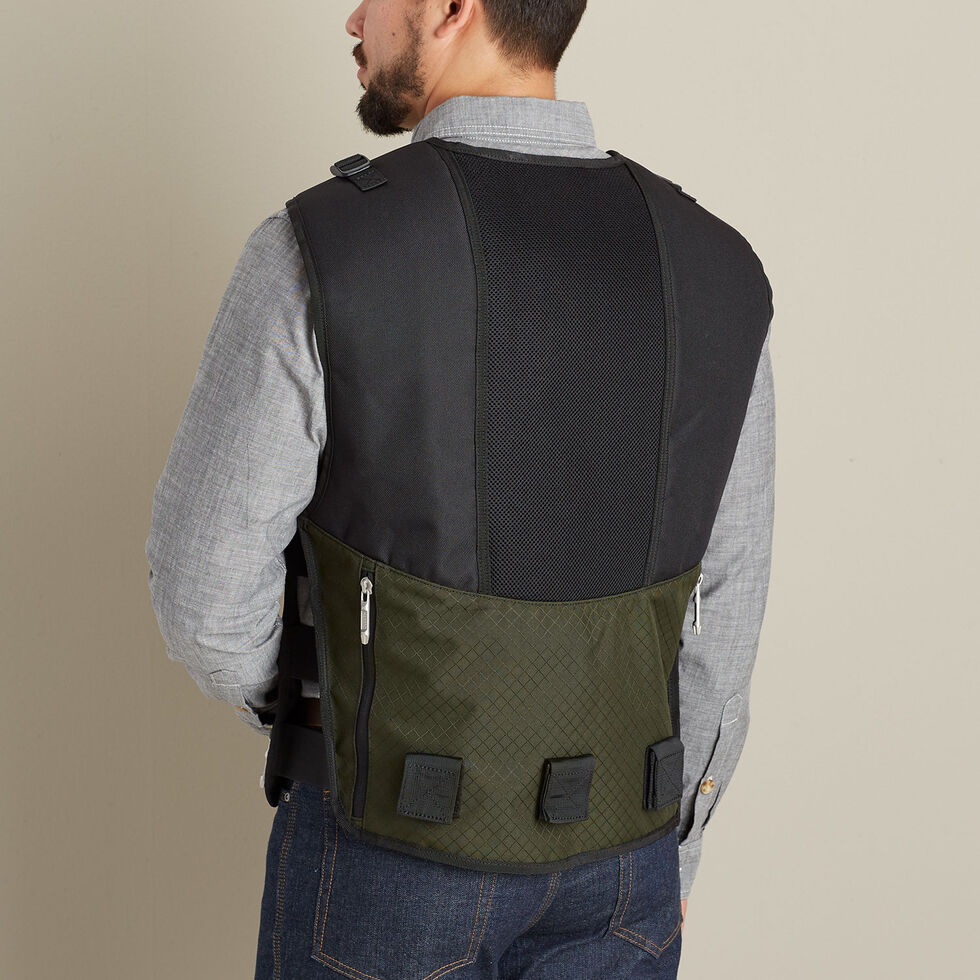
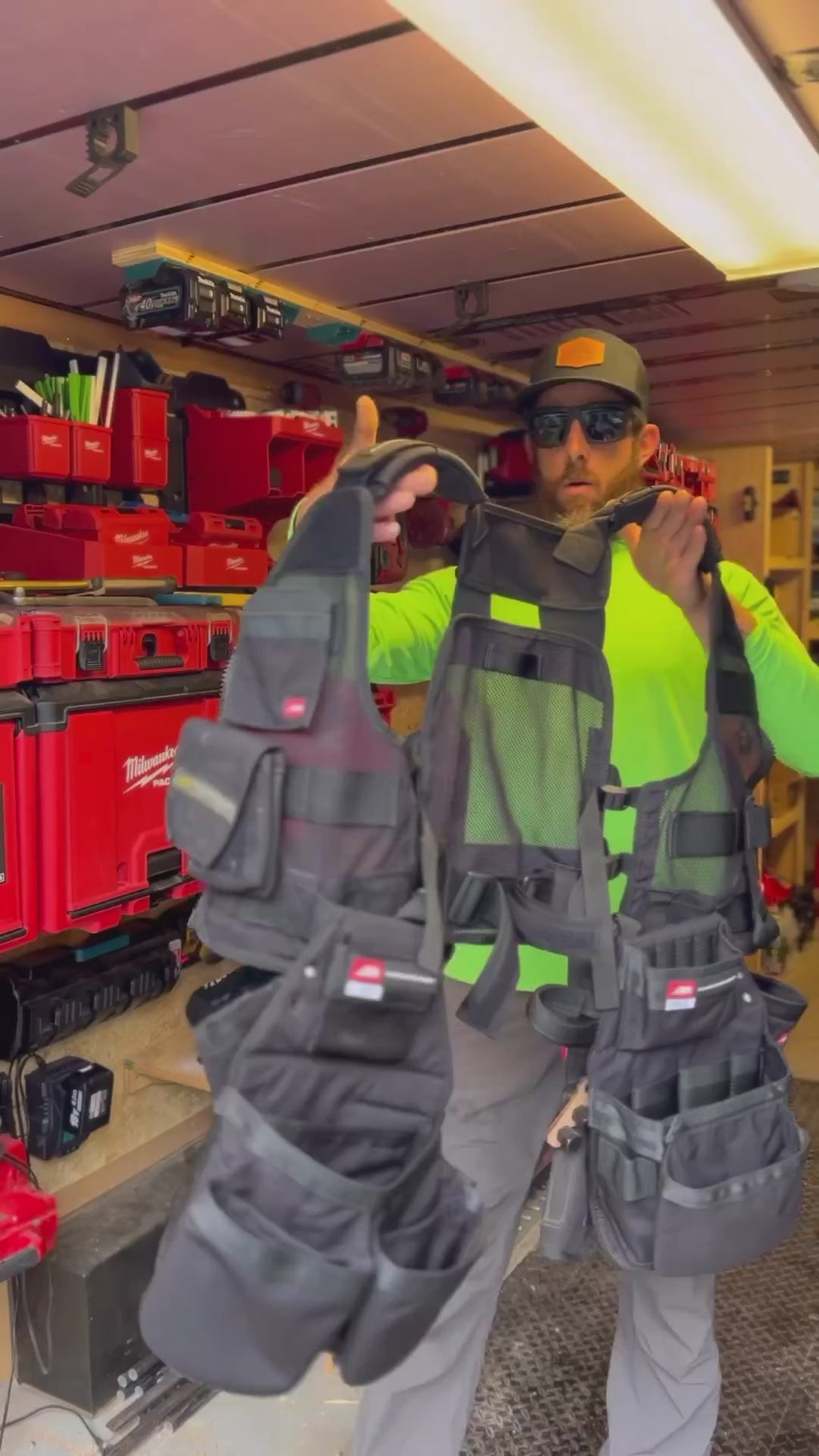
A tool vest is a wear-on-your-body storage system with pockets, pouches, and loops built into a vest-style garment. It spreads the weight across your shoulders, chest, and back instead of concentrating it around your waist.
That design makes a tool vest especially useful when you carry many small tools and move a lot. Electricians, framers, inspectors, and service techs often like the way a vest keeps tools close without pulling on the lower back.
A good vest usually includes:
• Chest pockets for fast access
• Larger lower pouches for tools and fasteners
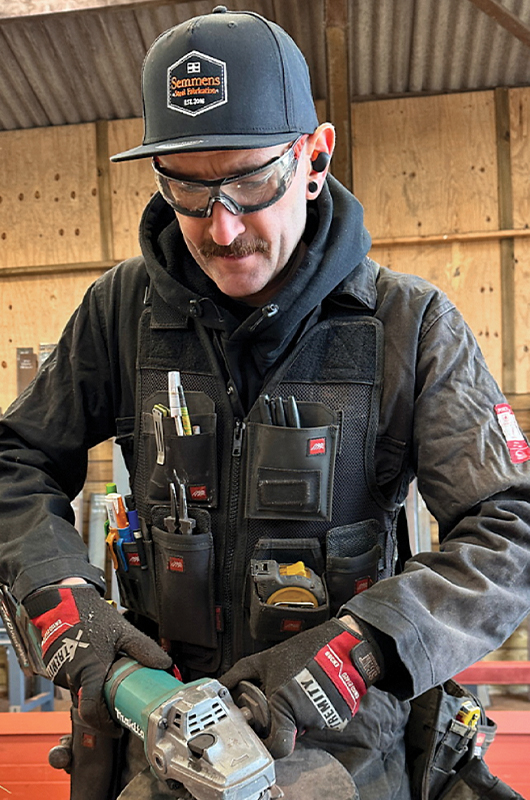
• Pencil slots, tape holders, and bit pockets
• Adjustable straps for fit and balance
From my experience, a vest feels a lot like a light utility jacket. When it fits well, it can feel surprisingly natural, almost like the tools are part of you instead of hanging off you.

What Is a Tool Belt?
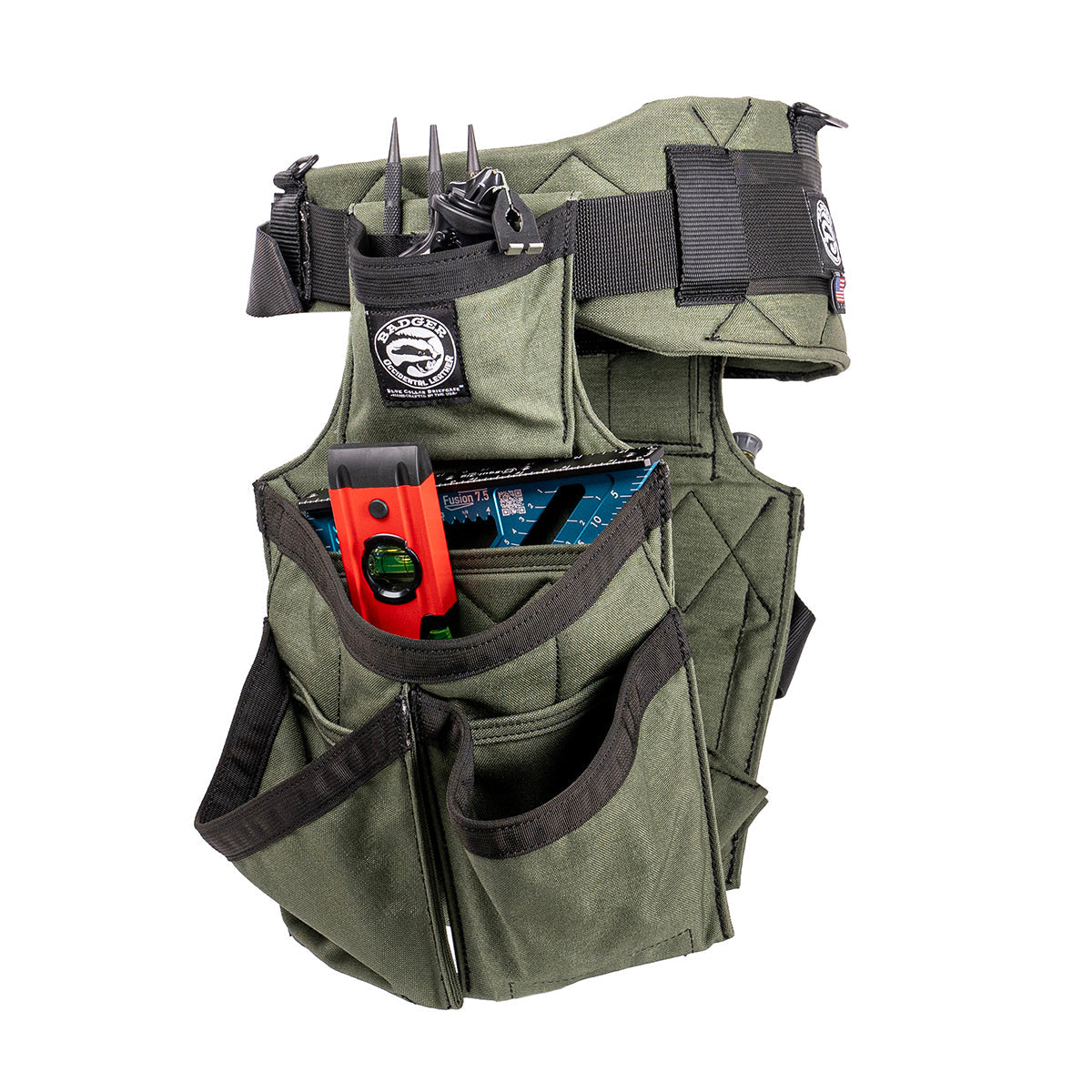
A tool belt is a waist-worn belt with attached pouches, holsters, and holders for tools and hardware. It is one of the oldest and simplest ways to carry work gear.
Tool belts are popular because they are fast to put on, easy to understand, and great for heavy-duty tasks. Carpenters, roofers, and general contractors often choose them because they keep essential tools at the hips for quick grabbing.
Common parts of a tool belt include:
• A padded belt for support
• Nail bags or tool pouches
• Hammer loops and tape holders
• Tool clips for pliers, knives, or drivers
In the field, the biggest strength of a tool belt is speed. You can reach down, grab what you need, and keep moving. That can matter a lot when the job is repetitive and every second counts.

Tool Vest vs Tool Belt: The Main Differences
The tool vest vs tool belt debate really comes down to weight distribution, access, comfort, and work style. Both can be effective, but they serve different needs.
Here is the simplest way to compare them:
• Weight distribution: A tool vest spreads load across the shoulders and torso, while a tool belt concentrates much of it on the hips and lower back
• Tool capacity: A tool vest often offers more pocket space, while a tool belt is usually more focused and streamlined
• Mobility: A vest can feel better for climbing, kneeling, and bending, while a belt can feel lighter and less bulky
• Speed: A tool belt often wins for fast grab-and-go work
• Comfort: A vest may reduce hip pressure, while a belt may feel cooler and less restrictive in some jobs
In practical terms, tool vest vs tool belt is not about which one is “best” overall. It is about which one matches your day.
If you spend hours moving, stretching, and carrying a wide mix of tools, the vest may be the better choice. If you need fewer tools and want something simple, the belt often makes more sense.
Comfort and Ergonomics
Comfort matters more than most people think. A poorly chosen setup can cause fatigue, sore hips, tight shoulders, or an aching lower back by the end of the day.
A tool vest can help by shifting weight upward and across a larger surface area. That can be useful if your waist is already stressed by kneeling, lifting, or wearing other gear.
A tool belt can still be very comfortable if it is padded, fitted correctly, and not overloaded. The key is balance. If one side is much heavier than the other, you will feel it fast.
A few ergonomic tips I’ve learned the hard way:
• Keep the heaviest tools close to your center line
• Do not overload every pocket just because it has space
• Adjust straps and belts before the job starts
• Test the setup while bending, climbing, and reaching
The truth is simple: comfort is not just about softness. It is about how the load behaves after six or eight hours of real work.
Which Is Better for Different Jobs?
The best choice in the tool vest vs tool belt comparison depends on the trade and the task. Some jobs need more storage. Others need more freedom.
Here is a practical breakdown:
• Electricians: A tool vest often works well because it keeps small parts, testers, and hand tools organized and close
• Framers: A tool belt is often preferred because it gives quick access to nails, framing hammers, and fasteners
• HVAC techs: A tool vest can be helpful for diagnostic tools, drivers, and parts, especially when moving between rooms
• Roofers: A tool belt is usually more common because it stays compact and keeps items easy to grab
• Inspectors and maintenance workers: A vest can be ideal if you carry mixed tools, paperwork, and small gear
• General contractors: Either can work, but many switch based on the phase of the job
I have seen workers change systems depending on the day. That is not indecision. That is smart tool management.
Storage, Organization, and Access
Storage is where the tool vest vs tool belt choice can really shift your workflow. A vest usually gives you more pockets, but that does not always mean better organization.
A tool vest is strong when you carry lots of smaller items. It can separate bits, screws, pencils, markers, connectors, and testers without crowding one pouch. That helps reduce fumbling.
A tool belt is better when you want fewer, larger, more obvious storage spots. You may have a pouch for nails, another for hand tools, and a loop for a hammer. That kind of layout is quick and simple.
For better organization, try this:
• Put frequently used items in the easiest-to-reach spots
• Keep similar tools grouped together
• Avoid mixing sharp tools with delicate items
• Recheck pocket placement after a few hours on the job
A messy setup wastes time. Good organization feels like muscle memory. After a while, your hands know where to go without thinking.
Weight, Fatigue, and Body Strain
This is one of the most important parts of the tool vest vs tool belt decision. The wrong choice can leave you worn out before the work is even done.
A vest spreads weight across the torso, which can help reduce pressure on the hips. That can be helpful if you carry a medium load for a long period.
A belt puts weight lower, which may feel more natural for some people, but can strain the waist or lower back when overloaded. If the belt rides too low or shifts side to side, fatigue rises fast.
To reduce strain:
• Use only the tools you need for that task
• Balance the left and right sides
• Choose padded straps or lumbar support when available
• Take short breaks to reset posture and shoulder position
Most people do not need the largest setup. They need the right setup. That difference is easy to miss until the end of a long shift.

Durability and Maintenance
Durability matters because work gear gets abused. Dirt, sweat, rain, concrete dust, sharp tools, and daily friction all take a toll.
A quality tool vest often uses heavy canvas, polyester, nylon, or reinforced stitching. A good tool belt may use leather, synthetic materials, or hybrid construction. Both can last a long time if cared for properly.
To extend the life of either one:
• Empty pockets at the end of the day
• Brush off dust and debris
• Check stitching, snaps, and rivets regularly
• Store it dry and out of direct heat
• Replace worn pouches before they fail
In my experience, dirt is the silent killer of work gear. It wears down seams, grinds zippers, and makes everything feel heavier than it should.
Cost and Value
Price is another common factor in the tool vest vs tool belt decision. Entry-level options for both are affordable, but premium models can get expensive fast.
A tool belt often starts cheaper and may be easier to replace piece by piece. A tool vest can cost more upfront because of its larger structure and extra materials.
That said, value is not just price. It is how much useful work you get from the gear each day.
Consider:
• How often you wear it
• How many tools you carry
• Whether it improves speed or comfort
• How long it lasts under real use
If a more expensive vest saves your back and keeps you organized, it may be the better investment. If a simple belt does the job with less bulk, that can be the smarter buy.
How to Choose Between a Tool Vest and a Tool Belt
If you are still deciding on tool vest vs tool belt, start with your daily tasks. The right answer usually becomes clear once you map your work habits.
Use this simple checklist:
• Choose a tool vest if you carry many small tools, move constantly, or want better weight spread
• Choose a tool belt if you need speed, simplicity, and easy access to a compact set of tools
• Choose a vest if your lower back gets sore easily
• Choose a belt if you want a lighter feel and a more traditional setup
• Choose based on fit, not just features
When I help someone decide, I usually tell them to think about their worst hour of the day. If your gear still feels good at that point, you probably picked the right one.
Common Mistakes to Avoid
A lot of people blame the gear when the real issue is setup. The tool vest vs tool belt choice only works when the fit and load are right.
Avoid these mistakes:
• Buying too many pockets and filling all of them
• Ignoring fit adjustment
• Choosing style over comfort
• Carrying tools you rarely use
• Failing to test the gear on a full workday
One mistake I see often is overpacking. A loaded vest or belt can become a junk drawer you wear on your body. Keep it lean and useful.
Frequently Asked Questions
Is a tool vest better than a tool belt for back pain?
A tool vest may help reduce hip and lower-back pressure because it spreads weight across the upper body. Still, the best option depends on fit, tool load, and how long you wear it.
Do electricians prefer tool vests or tool belts?
Many electricians prefer tool vests because they offer more pocket variety for small tools, testers, and parts. Some still use tool belts if they want faster access and a lighter feel.
Which is better for heavy tools, a vest or a belt?
A tool belt is often better for a few heavier tools because it keeps the setup simpler and more direct. A vest is better when the load is spread out and made up of many smaller items.
Can I use both a tool vest and a tool belt?
Yes, some workers switch between them based on the job. You might use a vest for service work and a belt for framing or roofing.
How do I know which one fits me best?
Try both with real tools inside, not just empty gear. Walk, climb, bend, and kneel for a few minutes to see which one feels balanced and easy to move in.
Conclusion
The tool vest vs tool belt choice is really about how you work, how much you carry, and where your body feels the strain. A vest usually gives you more storage and better weight spread, while a belt offers speed, simplicity, and a more compact profile.
The best gear is the one that keeps you productive without wearing you down. If you can, test both styles with your real tools and pay attention to comfort after a full day, not just the first ten minutes.
Choose the setup that fits your job, trust your own experience, and adjust as your work changes. If you found this guide helpful, explore more tool-gear comparisons or leave a comment with the setup you use on the job.