Headlamps win for hands-free mobility, while work lights win for broad, steady area illumination.
Choosing between a headlamp vs work light sounds simple until you actually need one in the dark. I’ve used both on job sites, in garages, and during late-night repairs, and the best choice always comes down to how you work, how much space you need to light up, and whether you need both hands free. In this guide, I’ll break down the real differences in a headlamp vs work light comparison so you can pick the right tool with confidence.
What a headlamp is and when it makes sense
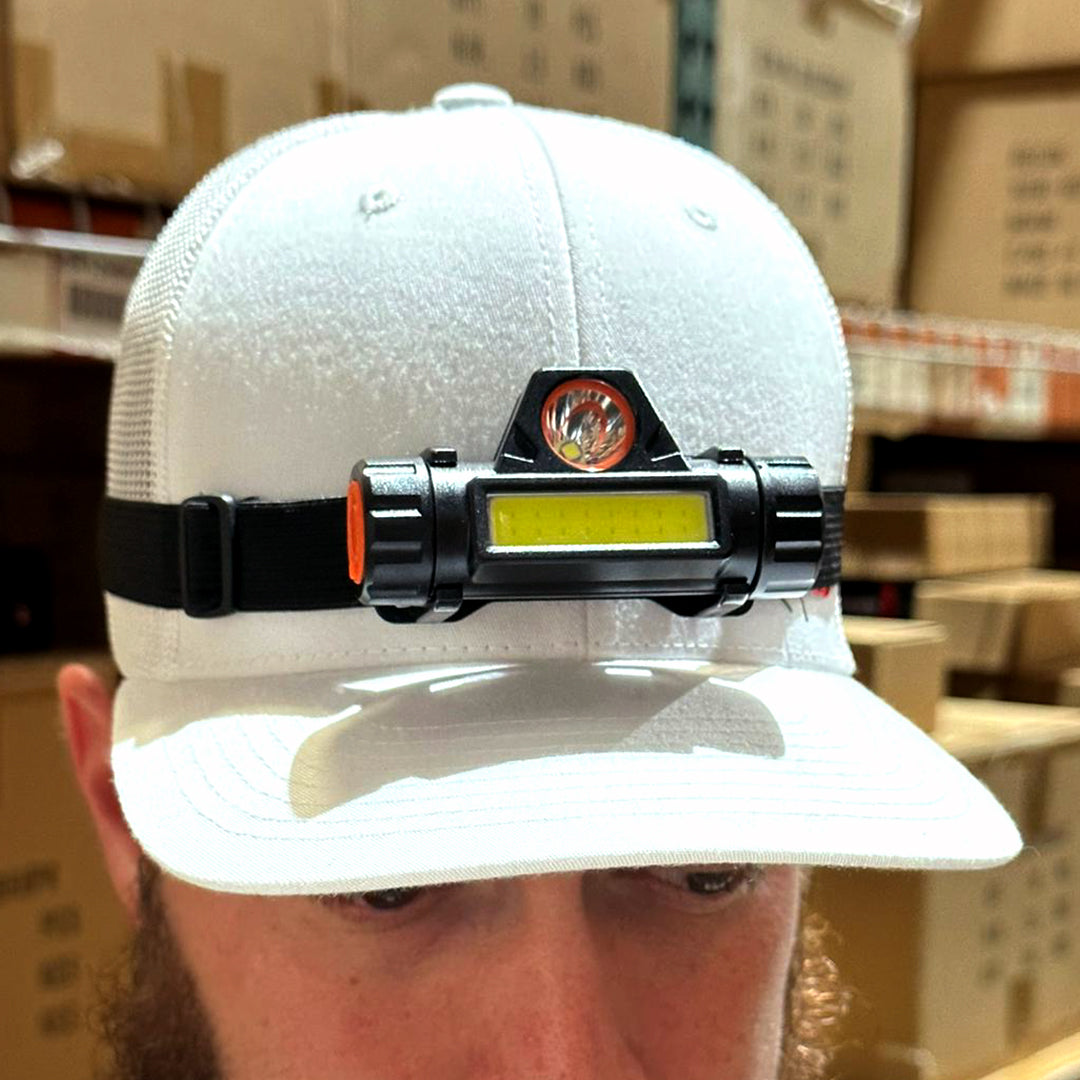
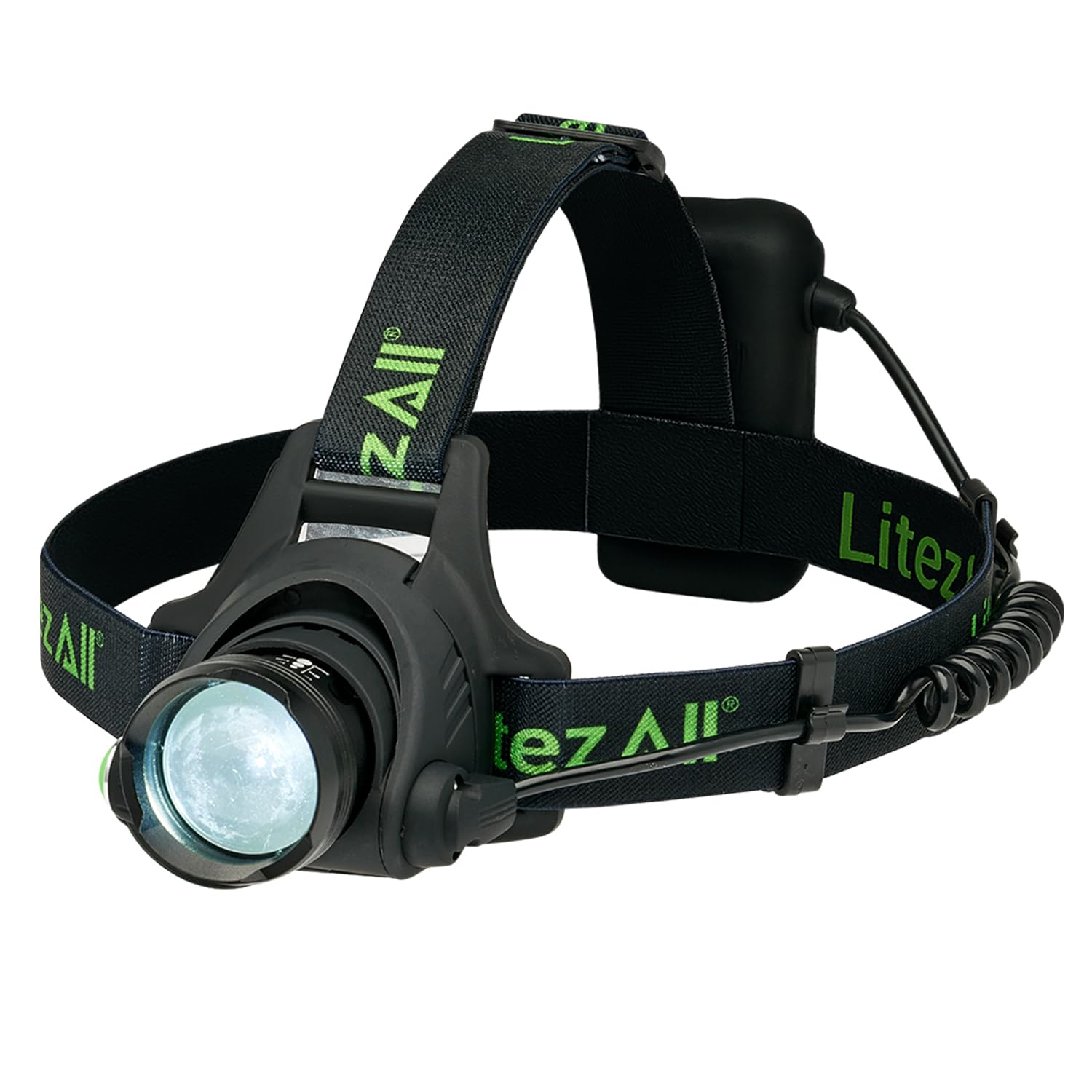
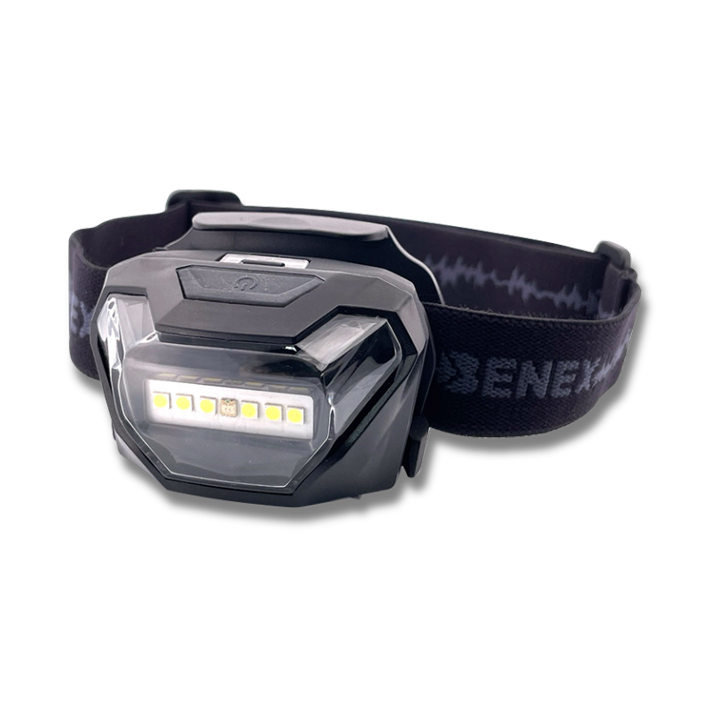
A headlamp is a light you wear on your head, usually with an elastic strap. It points where you look, which makes it great for tasks that need movement and precision.
In the headlamp vs work light debate, the headlamp usually wins when you need to climb, crawl, walk, or use both hands at once. I’ve found it especially useful when I’m checking wiring under a sink, changing a tire in the dark, or hiking to a campsite after sunset. The beam is focused and personal, which is exactly what makes it so useful.
Common uses for a headlamp include:
• Home repairs in tight spaces, like under cabinets or inside an attic
• Outdoor work, like hiking, camping, fishing, and running
• Auto work when you need to keep both hands on tools
• Emergency kits for power outages
• Tasks that require movement and a light that follows your gaze
A good headlamp is usually light, portable, and easy to store. Many models also offer multiple beam modes, including flood, spot, red light, and strobe.
What a work light is and when it works best
A work light is designed to light up a space, not just a person’s line of sight. It is usually placed on a floor, bench, tripod, magnet, or hook so it can shine across a broader area.
When people compare headlamp vs work light, the work light usually wins for stationary jobs. If you are painting, assembling furniture, doing mechanical work, or inspecting a room, a work light gives you a more even and comfortable light field. In my experience, it reduces eye strain because you are not relying on a narrow beam that moves every time your head turns.
Common uses for a work light include:
• Construction and renovation projects
• Garage and workshop tasks
• Painting and detailing
• Under-hood car repair
• Emergency lighting for rooms during outages
Many modern work lights use LED technology, which is brighter, cooler, and more energy efficient than older bulbs. Some are rechargeable, while others plug into AC power or run on batteries.
Headlamp vs work light: the key differences
The headlamp vs work light decision becomes much easier when you compare them by function instead of brightness alone. They solve different problems.
Here are the biggest differences:
• Mobility: A headlamp moves with you. A work light stays where you place it.
• Beam direction: A headlamp lights where your head points. A work light lights the area around your task.
• Hands-free use: Both can be hands-free, but the headlamp is better for moving around while working.
• Coverage: A work light usually covers a larger area with softer, wider light.
• Comfort: A work light is easier on your head and neck during long tasks.
• Setup: A headlamp is instant. A work light may need to be positioned for the best angle.
A simple way to think about it: a headlamp is like a flashlight attached to your focus, while a work light is like setting up the sun in one corner of the room.
If you want flexibility, pick a headlamp. If you want coverage, pick a work light. If you want both, many pros keep one of each nearby.
Brightness, beam pattern, and color temperature
When comparing headlamp vs work light, brightness matters, but it is not the whole story. A 1,000-lumen light can still feel wrong if the beam is too narrow, too harsh, or badly placed.
Brightness is often measured in lumens. More lumens generally mean more light, but beam shape and placement matter just as much.
Here is what to look at:
• Lumens: Higher lumens are useful for larger or darker spaces, but too much can create glare.
• Beam pattern: Spot beams reach farther, while flood beams spread light wider.
• Color temperature: Neutral white light often feels more natural for work.
• CRI, or color rendering index: A higher CRI helps colors look more accurate, which is helpful for wiring, painting, and inspection work.
In my own use, I’ve noticed that a medium-bright work light with a broad beam is often more useful than an extremely bright headlamp. Too much light can wash out details. The best light is the one that helps you see texture, edges, and color without strain.
Battery life, power source, and runtime
The headlamp vs work light choice also depends on how long you need the light to run. Battery life can make or break a tool in the middle of a job.
Headlamps often use:
• AAA batteries
• Rechargeable lithium-ion batteries
• Built-in USB charging
Work lights may use:
• Rechargeable packs
• Plug-in AC power
• Cordless battery platforms
• Replaceable batteries in smaller models
For long jobs, a corded work light can be the safest bet if power is available. For portability, a rechargeable headlamp is hard to beat. I learned this the hard way during a long evening repair when a cheap headlamp dimmed halfway through the job. Since then, I always check runtime before I buy.
A few practical tips:
• Choose a light with a runtime that exceeds your typical task length
• Keep spare batteries or a backup charger handy
• Look for battery indicators so you are not surprised by sudden dimming
• Match the power source to the environment, not just the price
Safety and comfort in real use
Safety matters a lot in the headlamp vs work light conversation, especially if you work around tools, ladders, wet floors, or moving machinery. The wrong light can create shadows, glare, or blind spots.
Headlamps are great because they keep your line of sight lit, but they can also cast shadows from your own hands if you work too close. Work lights reduce that problem by spreading light across the task area.
A few safety points to remember:
• Use red light mode on a headlamp when you want less eye strain or better night vision
• Avoid aiming a work light directly into your eyes
• Keep cords out of walk paths to reduce tripping
• Use weather-rated lights outdoors or in damp spaces
• Choose stable bases or magnetic mounts so a work light does not fall mid-task
Comfort matters too. A headlamp can feel annoying during long use if the strap is tight or the unit is heavy. A work light avoids that, but it may need frequent repositioning. The best setup is the one that disappears into the task instead of getting in the way.
Which one is better for specific jobs
The fastest way to choose between headlamp vs work light is to match the tool to the job.
Use a headlamp when you are:
• Walking, hiking, or camping
• Working under a car or inside tight spaces
• Moving between task areas
• Doing emergency repairs during a power outage
• Needing a light that follows your eyes and hands
Use a work light when you are:
• Painting, sanding, or assembling
• Working in a garage or workshop
• Lighting a room or large surface area
• Doing long repairs in one spot
• Needing broad, steady illumination for detail work
Best-case scenarios from real use:
• Changing a tire at night: headlamp
• Replacing a faucet under a sink: headlamp or a small work light
• Building furniture in a garage: work light
• Camp setup after dark: headlamp
• Engine repair in a driveway: work light plus headlamp for backup
If you do a lot of hands-on repair work, you may find that the headlamp vs work light answer is not either-or. Many people benefit from using both together.

Pros and cons of headlamps
Headlamps are simple, fast, and very practical. But they are not perfect for every situation.
Pros:
• Hands-free lighting
• Easy to carry and store
• Great for movement and tight spaces
• Often rechargeable and compact
• Useful for emergencies and outdoor use
Cons:
• Can create shadows from your hands
• May feel uncomfortable over long periods
• Usually covers a smaller area
• Can cause glare if the beam is too narrow
• Not ideal for lighting a whole room or workbench
In my experience, headlamps shine when the task is personal and mobile. They are like a pocket-sized stage spotlight for your own line of sight.
Pros and cons of work lights
Work lights are the better choice when the goal is to light the task area, not just your face or eyes.
Pros:
• Wide, even light coverage
• Better for long tasks in one spot
• Reduces shadows on the work surface
• Good for workshops, garages, and renovations
• Often brighter than a typical headlamp
Cons:
• Needs setup and positioning
• Can take up space
• May require a power source or charged battery
• Not as useful when you move around a lot
• Can create glare if placed poorly
A work light is like a dependable teammate. It stays put, keeps the whole area visible, and lets you focus on the job instead of the beam.
How to choose the right one for your needs
If you are stuck on headlamp vs work light, start by asking one simple question: do I need light on my head or on my workspace?
Choose a headlamp if:
• You need to move often
• You work in tight spaces
• You need both hands free at all times
• You want a compact emergency light
• You do outdoor activities after dark
Choose a work light if:
• You stay in one place for most of the task
• You need broad, even lighting
• You are doing detail work on a bench or floor
• You want to reduce shadows and eye strain
• You are lighting a larger area or room
If budget allows, owning both is often the smartest move. I keep one headlamp in my car, one in my toolbox, and a rechargeable work light in the garage. That setup has saved me more than once.
What to look for before buying
Before you buy a headlamp or work light, check the details that matter in real life. Brightness sounds important, but usability is what you feel every day.
Look for:
• Lumens that match your task
• Battery life that fits your work time
• Durable construction for job-site use
• Weather resistance if you work outdoors
• Adjustable angles and beam settings
• Easy charging or battery replacement
• Stable mounts, hooks, magnets, or straps
For headlamps, comfort is a big deal. For work lights, stability and beam spread matter most. If a product looks powerful but is hard to aim or dim after 20 minutes, it probably is not a great fit.
Frequently Asked Questions of headlamp vs work light
Which is better for home repairs, a headlamp or a work light?
It depends on the repair. A headlamp is better for tight, hands-on tasks like plumbing under a sink, while a work light is better for bigger jobs that need broad illumination.
Can a headlamp replace a work light?
Sometimes, but not always. A headlamp can handle small repairs and emergency use, but it usually cannot light up a large workspace as evenly as a work light.
Are work lights brighter than headlamps?
Often, yes, especially for area coverage. But brightness alone does not decide the winner, because beam shape and placement matter just as much as raw lumens.
Which is better for camping?
A headlamp is usually better for moving around camp, cooking, or setting up gear. A work light can be useful at the campsite, but it is less portable and more stationary.
Do I need both a headlamp and a work light?
For many people, yes. A headlamp is great for mobility, and a work light is better for stationary tasks, so owning both gives you more flexibility.
Conclusion
When you compare headlamp vs work light, the best choice comes down to how you work. Headlamps are the clear winner for hands-free movement, tight spaces, and portable use. Work lights are better for broad, steady, and comfortable lighting over a larger area.
If you remember just one thing, make it this: match the light to the task, not the other way around. The right setup saves time, reduces mistakes, and makes the job feel a lot easier. If you found this guide useful, keep exploring lighting options, compare a few real models, and share your own experience in the comments.