An inspection camera gives more detail and reach, while an inspection mirror offers speed, simplicity, and no batteries.
If you are comparing inspection camera vs inspection mirror, the real choice comes down to how much detail you need, how tight the space is, and how often you use the tool. I have used both in real repair jobs, and the difference shows up fast: one is like having a tiny set of eyes on a cable, pipe, or engine bay, while the other is like a quick glance around a corner. In this guide, I’ll break down inspection camera vs inspection mirror in plain English so you can pick the right tool with confidence.
What Is an Inspection Camera?
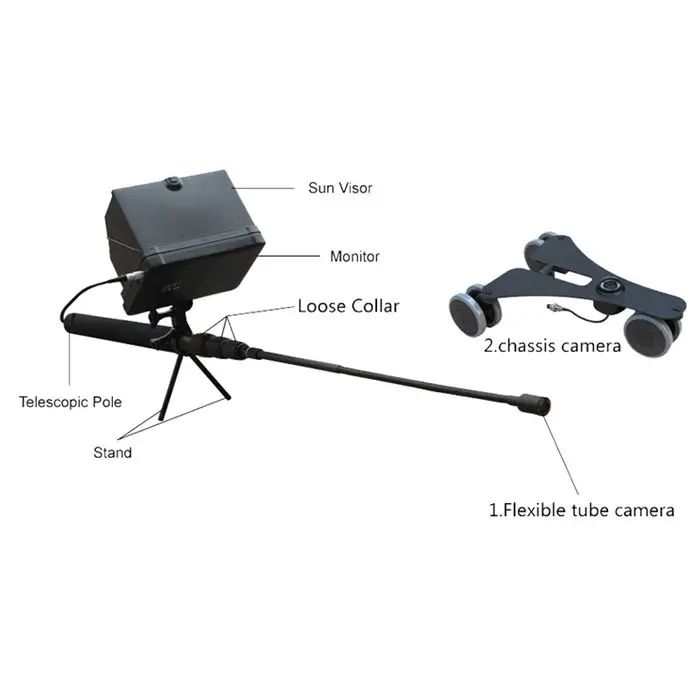
An inspection camera is a small camera on a flexible cable or rigid probe that lets you see into hard-to-reach places. Many people call it a borescope or endoscope, especially in automotive, HVAC, plumbing, and home inspection work. Some models connect to a phone, while others have their own screen.
The big advantage is visibility. You can inspect inside wall cavities, engine cylinders, drain lines, ducts, and other narrow spaces without tearing anything apart. In my experience, this tool saves time when the problem is hidden deep inside, because you can record what you see and show it to a client or teammate.
Inspection cameras often include features like:
- LED lights for dark spaces
- Photo and video recording
- Adjustable cable length
- Waterproof probes for wet areas
- Wi-Fi or USB phone connection
- Articulating tips for better angle control
They are especially useful when you need more than a simple look. If you want proof, documentation, or a closer view, the inspection camera usually wins.

What Is an Inspection Mirror?
An inspection mirror is a small mirror mounted on a handle or telescoping rod. It helps you look around corners, under equipment, behind panels, or above ceilings without moving your body into the space. It is one of the oldest and simplest inspection tools around.
This tool does not need batteries, apps, or charging. You just place it where you need it and angle it until the reflection shows the hidden area. That makes it fast, light, and reliable for quick checks.
A good inspection mirror is useful for:
- Checking behind machinery
- Looking under vehicles
- Viewing the back side of pipes or fittings
- Inspecting welds or fasteners in tight spots
- Spotting leaks or damage in awkward places
I still keep one in my kit because there are times when a mirror is quicker than setting up a camera. It is the kind of tool that feels old-school, but in the right moment, it can be the smartest choice.

Inspection Camera vs Inspection Mirror: Main Differences
When people compare inspection camera vs inspection mirror, they are really comparing detail, speed, cost, and convenience. Both tools help you inspect hidden areas, but they solve different problems.
Here is the simple breakdown:
- Visibility: An inspection camera gives a direct image, while a mirror gives a reflected image.
- Detail: A camera shows more detail and can zoom, while a mirror depends on your line of sight and lighting.
- Setup: A mirror is ready instantly, while a camera may need charging, pairing, or screen setup.
- Recording: A camera can save images and video, while a mirror cannot.
- Cost: A mirror is usually cheaper, while a camera ranges from budget to professional pricing.
- Ease of use: A mirror is simple, but a camera can take practice in tight bends and awkward spaces.
The best choice depends on the job. If you only need a fast look, the mirror is often enough. If you need proof, close inspection, or hard-to-see detail, the camera is usually better.
In one HVAC job I worked on, a mirror helped me confirm a loose connector in seconds. On another, the problem sat deep inside a duct bend, and only a camera could show the crack clearly enough to document it. That is the heart of inspection camera vs inspection mirror: one is built for quick viewing, the other for deeper investigation.

When an Inspection Camera Is the Better Choice
An inspection camera is the better option when the hidden area is too deep, too dark, or too complex for a mirror. It is also the better choice when you need proof of what you found.
Use an inspection camera when:
- You need to inspect inside walls, pipes, or engines
- You want to record the problem for a report
- The area has several bends or blocked sightlines
- You need to zoom in on cracks, corrosion, or buildup
- You are working in wet, dirty, or enclosed areas
The camera is especially helpful in professional settings where documentation matters. A home inspector, mechanic, or plumber may need photos for a customer, insurer, or repair plan.
There is a tradeoff, though. Cameras can be slower to deploy, and cheap models may have poor image quality or weak lighting. I have seen low-cost units look fine on the box but struggle the moment they hit a dusty or wet space. That is why resolution, probe size, and light quality matter more than flashy marketing.
When an Inspection Mirror Is the Better Choice
An inspection mirror is the better choice when you need a fast, low-cost, no-fuss look at a hidden area. It shines in simple inspections where speed matters more than recording detail.
Use an inspection mirror when:
- You need a quick visual check
- The area is shallow or easy to reach by angle
- You want a tool that never needs charging
- You are checking fit, alignment, or obvious damage
- You need a compact tool for everyday carry
The mirror is also great when you are moving from one check to another and do not want to stop and reset equipment. In the field, that little bit of speed adds up.
A mirror does have limits. It can be hard to read small details, and reflections may be distorted in poor light. Still, for basic inspection work, it is hard to beat the simplicity.
/catsy.898/M-3.png)
Pros and Cons of Inspection Camera vs Inspection Mirror
Every tool has strengths and weak points. Looking at inspection camera vs inspection mirror this way makes the choice much clearer.
Inspection camera pros
- Shows detailed images
- Records photos and video
- Works well in deep or narrow spaces
- Helps with documentation and reporting
- Can reach areas the eye and mirror cannot
Inspection camera cons
- Costs more
- Needs power or charging
- Can be tricky in tight bends
- Lower-quality models may have poor image clarity
- Takes more setup time
Inspection mirror pros
- Very affordable
- No batteries or charging needed
- Fast and simple to use
- Lightweight and portable
- Great for quick checks
Inspection mirror cons
- No recording feature
- Limited detail compared with a camera
- Reflection can be hard to interpret
- Needs good lighting
– Not ideal for very deep or enclosed spaces
For most people, the best answer is not either-or. It is often both. A mirror handles fast checks, and a camera handles the jobs that need proof or a deeper look.
How to Choose the Right Tool for Your Job
Choosing between inspection camera vs inspection mirror depends on your work style and the space you need to inspect. Think about the problem before you buy the tool.
Here is a simple way to decide:
-
Start with the space
If the area is shallow and open, a mirror may be enough. If it is deep, dark, or twisted, choose a camera. -
Think about detail
If you need to spot tiny cracks, rust, leaks, or damage, a camera gives better clarity. -
Decide whether you need records
If you want photos or video for a report, the camera is the clear winner. -
Consider speed
If you need quick, repeated checks during a workday, a mirror can save time. -
Match the tool to your budget
If you need a simple tool for occasional use, the mirror is hard to beat. If you inspect often, a camera may pay for itself.
My advice from real-world use is simple: buy the tool for the kind of problem you solve most often, not the one that looks most advanced. That mistake costs money. I have seen people buy a high-end camera only to use it once a month, while a $15 mirror would have covered most of their needs.

Best Use Cases by Industry
The inspection camera vs inspection mirror debate changes a little depending on the field. Some trades lean heavily toward cameras, while others still rely on mirrors every day.
Automotive repair
- Camera: Great for engine internals, under-dash wiring, and hard-to-see leaks
- Mirror: Great for quick checks behind parts, around brackets, and under the vehicle
HVAC
- Camera: Useful for duct inspections, coil checks, and vent blockage detection
- Mirror: Helpful for fast visual checks in tight mechanical spaces
Plumbing
- Camera: Ideal for drain lines, pipe blockages, and pipe damage
- Mirror: Useful for checking around joints, valves, and fittings
Home inspection
- Camera: Strong for attic spaces, crawl areas, and hidden damage
- Mirror: Good for quick visibility around corners and behind structures
Manufacturing and maintenance
- Camera: Valuable for machinery, internal wear, and maintenance logs
- Mirror: Handy for fast safety checks and routine visual inspection
Across all these jobs, the same rule applies. Use the camera when the details matter. Use the mirror when the glance is enough.
Common Mistakes to Avoid
People often make the same mistakes when choosing between inspection camera vs inspection mirror. Avoiding them can save time and frustration.
-
Buying too much tool for the task
If you only need occasional checks, a simple mirror may be enough. -
Ignoring lighting
Even the best camera or mirror struggles without proper light. -
Choosing a cheap camera without checking image quality
A blurry camera is worse than a good mirror in many cases. -
Forgetting battery life
A dead camera is useless in the middle of a job. -
Trying to use a mirror where a camera is needed
If you cannot see the problem clearly, do not guess.
One lesson I learned the hard way: a mirror can make you think you see the whole story when you do not. If the job could involve hidden damage, always verify with a camera or another direct method before closing things up.
Inspection Camera vs Inspection Mirror: Which Is Better for Home Use?
For home use, the better tool depends on what you plan to inspect. If you only want to check behind appliances, under furniture, or around tight corners, an inspection mirror may be all you need. It is cheap, simple, and easy to store in a drawer or toolbox.
If you want to check inside walls, drains, vents, or engine spaces, an inspection camera is more useful. It gives clearer proof and can help you spot problems early. For many homeowners, a basic camera is worth it if they deal with repairs, DIY projects, or frequent maintenance.
A practical home setup often includes both:
- A mirror for everyday checks
- A compact camera for bigger or more technical problems
That combination gives you flexibility without overspending.
Frequently Asked Questions of inspection camera vs inspection mirror
Is an inspection camera better than an inspection mirror?
An inspection camera is better when you need detail, recording, or access to deep spaces. An inspection mirror is better for fast, simple, low-cost checks.
Can an inspection mirror replace an inspection camera?
Not always. A mirror works well for quick viewing, but it cannot capture images or show hidden areas as clearly as a camera.
Which tool is easier for beginners?
An inspection mirror is usually easier because it needs no setup and no charging. A camera is still beginner-friendly, but it takes a little more practice to position correctly.
Do I need both an inspection camera and an inspection mirror?
Many people benefit from both. The mirror handles quick checks, while the camera handles detailed inspections and documentation.
What should I look for in a good inspection camera?
Look for clear image quality, strong LED lighting, a flexible but sturdy probe, and enough battery life for your work. If you inspect wet areas, make sure it is rated for that kind of use.
Conclusion
When you compare inspection camera vs inspection mirror, the best choice depends on the job in front of you. A camera gives deeper visibility, better detail, and the ability to save proof. A mirror gives speed, simplicity, and a low-cost way to check tight spaces fast.
If you inspect hidden areas often, think about how you work day to day. Choose the tool that fits your space, your budget, and the level of detail you really need. If you found this guide helpful, explore more tool comparison articles or leave a comment with the kind of inspection work you do.