Drum augers are for long, tough main-line clogs; toilet augers are for short, delicate toilet clogs.
I have spent years clearing drains and testing tools, and I’ll walk you through drum auger vs toilet auger with plain, practical advice. This article explains how each tool works, when to use it, safety tips, buying advice, and real-world lessons from hands-on work. Read on to pick the right auger and avoid common mistakes when you face a clog.

What is a drum auger?
A drum auger is a heavy-duty tool for long or deep clogs in drains and sewer lines. It stores a long cable inside a round drum. You feed the cable down the pipe while you crank or power the drum. The cable reaches far and twists or cuts through hair, roots, grease, and build-up.
Key features of a drum auger
- Long cable length, often 25 to 100 feet for home models.
- Thick, rigid cable that resists kinking.
- Hand-crank or electric drive to push and retrieve cable.
- Interchangeable heads or cutters for different clogs.
Typical uses
- Basement floor drains and main sewer lines.
- Kitchen sinks with deep blockages.
- Laundry or utility drains with heavy debris.
My experience: I used a 50-foot drum auger on a rental property with repeated basement backups. The drum cable cut through a fatty buildup that small tools could not touch. It saved a costly sewer replace.
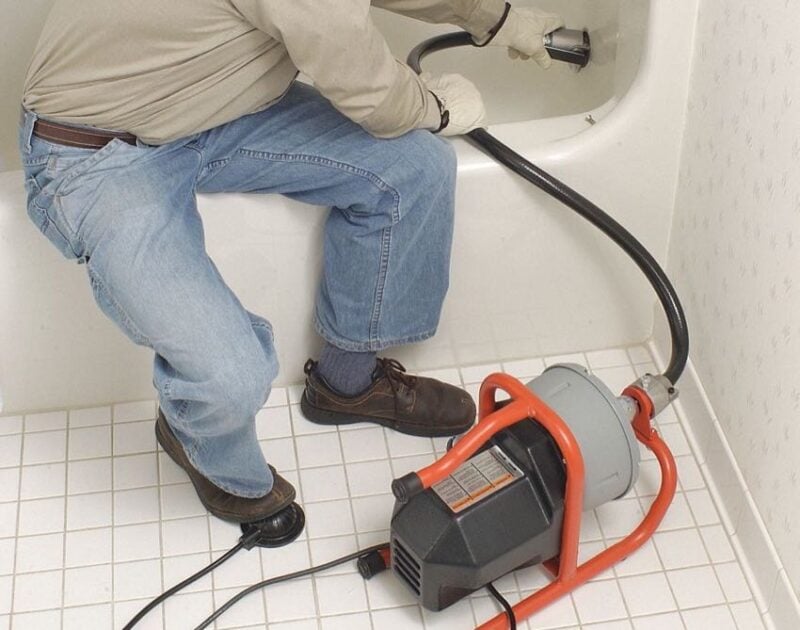
What is a toilet auger?
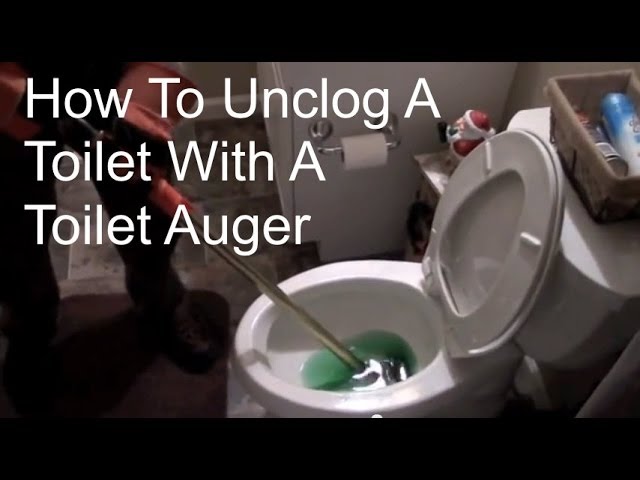
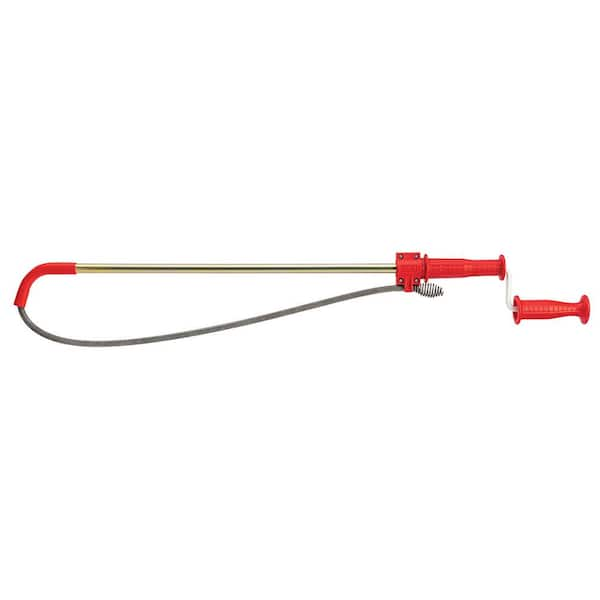
A toilet auger, also called a closet auger, is short and shaped to reach from the bowl into the trap. It has a flexible shaft inside a protective sleeve and a curved end to reach the bathroom trap bend. It is made to avoid scratching porcelain and to clear soft clogs like toilet paper and small toys.
Key features of a toilet auger
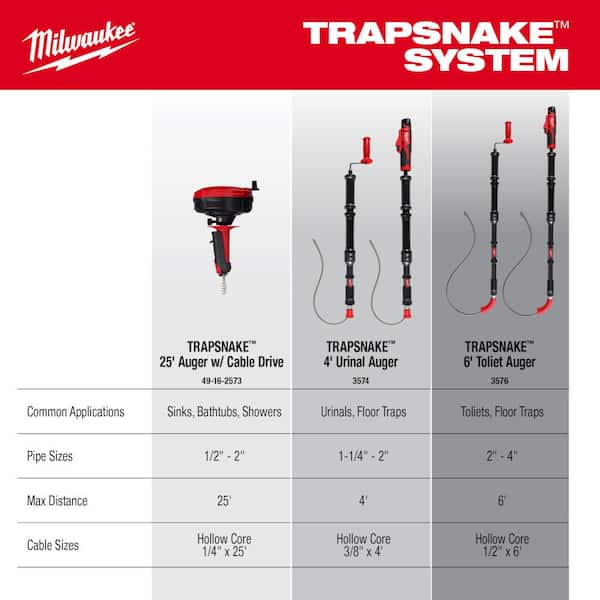
- Short cable or rod, usually 3 to 6 feet.
- Curved bell or plastic sleeve to protect the bowl.
- Hand-crank reel for simple control.
- Gentle tip designed for the toilet’s trapway.
Typical uses
- Stubborn toilet clogs.
- Blockages near the toilet flange.
- Situations when plungers fail.
My experience: A toilet auger fixed a child’s toy lodged in a home toilet without damage. The right tool saved the owner a plumber visit and a new toilet.
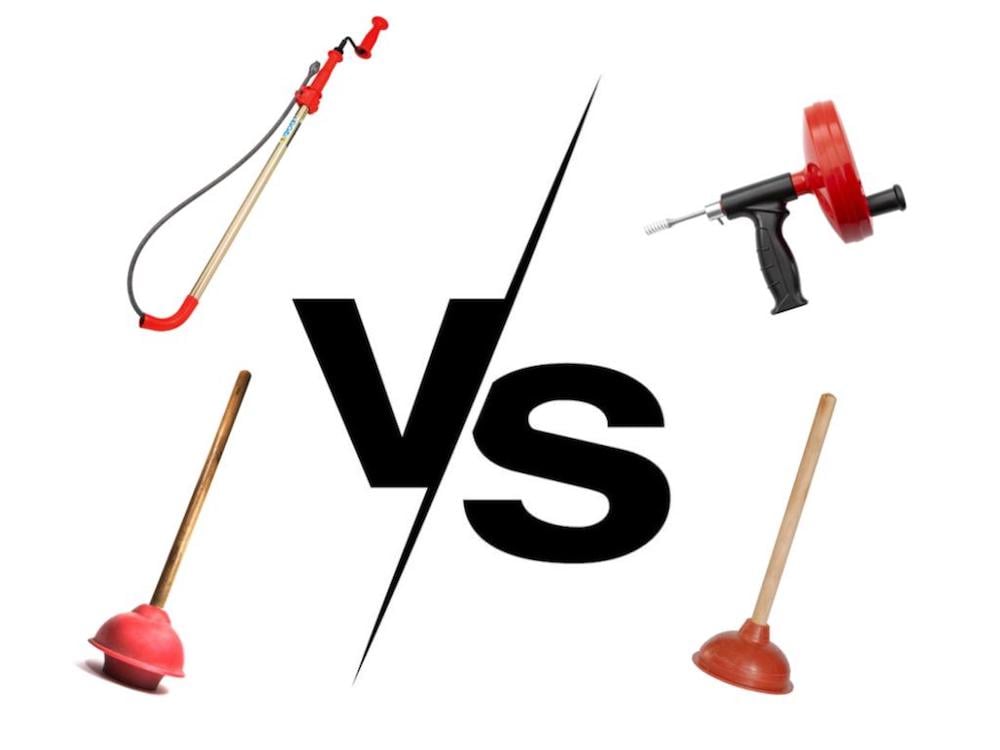
Drum auger vs toilet auger: key differences
Compare the tools side by side to pick the right option for your job. Below are clear differences focused on function, reach, and risk.
Design and reach
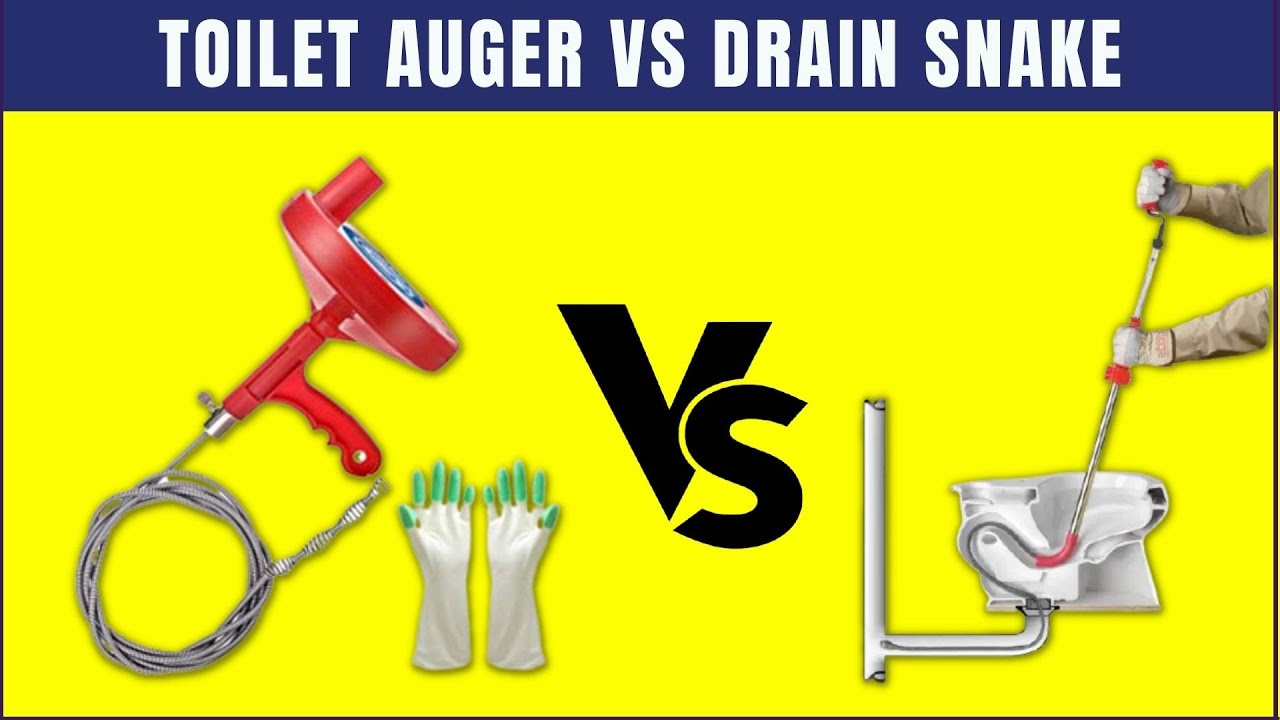
- Drum auger vs toilet auger — drum augers have long, coiled cables for deep lines. Toilet augers are short and curved for the toilet trap.
Power and force - Drum auger vs toilet auger — drum models can be electric or heavy-duty crank. Toilet augers are hand-crank and lower torque.
Damage risk - Drum auger vs toilet auger — drum cables are stiffer and can damage soft pipes if misused. Toilet augers have protective sleeves to reduce porcelain scratches.
Typical uses - Drum auger vs toilet auger — use drum on sewers, long sinks, and drains. Use toilet auger only for toilets and very near-trap clogs.
Cost and portability - Drum auger vs toilet auger — drum augers cost more and are bulkier. Toilet augers are cheap, light, and easy to store.
Skill required
* Drum auger vs toilet auger — drum augers require skill and care to avoid pipe damage. Toilet augers are beginner friendly.
When to use each: scenario guide
Use the right tool for safety and success. These scenarios help decide between drum auger vs toilet auger.
Use a drum auger when
- The clog is deep or in a main line.
- Multiple fixtures back up at once.
- Past plunging and snaking failed.
- You face roots, grease, or compacted debris.
Use a toilet auger when
- Only one toilet is clogged.
- The clog is near the bowl or trap.
- You need to protect porcelain.
- The blockage is soft or small.
Real example: Once I had a house where all bathroom fixtures backed up. A toilet auger fixed one bowl but not the others. The drum auger cleared a main line root intrusion and ended the backups for good.
How to use each safely: step-by-step tips
Safety and method matter. Follow these short steps and avoid common errors.
Using a drum auger
- Wear gloves and eye protection.
- Clear the drain opening and remove trap if needed.
- Feed cable slowly into the pipe while cranking.
- Apply steady pressure; don’t force or jam the cable.
- Reverse and retract slowly while cleaning the cable.
- Flush with water to confirm flow.
Using a toilet auger
- Put on gloves and keep a bucket nearby.
- Insert the sleeve into the bowl rim to protect porcelain.
- Feed cable until you feel resistance.
- Crank gently to break the clog, then pull back slowly.
- Flush to check success. Repeat if needed.
Common mistakes to avoid
- Forcing a stuck cable and damaging the pipe.
- Using a drum auger in a toilet without a proper sleeve.
- Skipping protective gear and getting splashed.
- Not cleaning and disinfecting after use.
Pros and cons of drum auger vs toilet auger
Clear trade-offs help you choose the best tool.
Drum auger pros
- Reaches deep, tough clogs.
- Powerful for roots and grease.
- Works on many drain types.
Drum auger cons
- Bulky and heavy.
- Higher cost.
- Risk of pipe damage if misused.
Toilet auger pros
- Affordable and small.
- Safe for porcelain.
- Easy for beginners to use.
Toilet auger cons
- Short reach only.
- Not for main-line or deep clogs.
- Less force for compacted blockages.
Maintenance, cleaning, and storage
Keep tools ready and safe.
Cleaning steps
- Rinse cable with water after use.
- Use mild disinfectant on toilet auger sleeve.
- Dry metal parts to avoid rust.
Storage tips
- Coil cable neatly for drum augers.
- Keep tools in a dry case or shelf.
- Inspect for wear before each use.
My tip: After clearing a greasy clog with a drum auger, flush the line with hot water and a biodegradable cleaner to reduce quick re-build.

Buying guide and cost considerations
Choose based on needs, not impulse.
What to look for in a drum auger
- Cable length adequate for your main line.
- Sturdy frame and reliable reel.
- Interchangeable cutter heads.
- Safety features and return spring.
What to look for in a toilet auger
- Plastic sleeve or bell to protect the bowl.
- Smooth, flexible cable.
- Comfortable crank handle.
Budget notes
- Toilet augers are inexpensive and good for homeowners.
- Drum augers are an investment for regular or serious jobs. Renting a drum auger can be smart for one-time deep clogs.
Frequently Asked Questions of drum auger vs toilet auger
What is the main difference between a drum auger and a toilet auger?
The main difference is reach and purpose. Drum augers have long cables for deep drains; toilet augers are short and safe for toilet traps.
Can a drum auger be used on a toilet?
It is not recommended. Drum cables are stiff and can scratch or break porcelain and damage the trap. Use a toilet auger for toilets.
How do I know if I need a drum auger or a toilet auger?
If only the toilet is blocked, use a toilet auger. If multiple fixtures back up or the clog is deep, opt for a drum auger or call a pro.
Is a toilet auger beginner-friendly?
Yes. Toilet augers are simple to use and safe when you follow basic steps and protect the bowl.
Should homeowners buy a drum auger or rent one?
Rent a drum auger if you have a rare deep clog. Buy one if you clear main lines often or manage rental properties.
Conclusion
Choosing between a drum auger vs toilet auger comes down to reach, power, and risk. Use a toilet auger for bowl and trap clogs and a drum auger for deep or stubborn sewer and drain clogs. My practical tip: start small with a toilet auger, and call or rent a drum auger if the problem is beyond the trap. Try the right tool first, stay safe, and comment below with your clog story or questions — I’ll help you pick the best tool.