A flange plunger seals better on toilets, while a cup plunger works best on flat drains.
If you have ever stood in a bathroom with a rising water line and a sinking heart, you know this topic matters fast. The flange plunger vs cup plunger debate is really about fit, seal, and where the clog lives. In this guide, I’ll break down the real differences, when each tool works best, and the practical mistakes I have seen people make so you can choose the right plunger with confidence.

What Is a Flange Plunger?
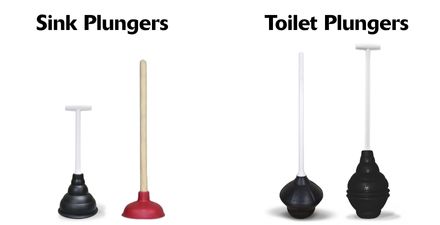
A flange plunger is the one most people should reach for when a toilet backs up. It has a soft rubber flap, or flange, that extends from the bottom of the cup. That extra piece helps create a tight seal inside the toilet drain opening.
The shape matters because toilet drains are not flat. They have a curved outlet, so a standard plunger often does not sit well enough to push water and air the right way. A flange plunger is built for that job.
A few things make the flange plunger useful:
• Better seal in toilet bowls
• Stronger pressure on stubborn clogs
• More control with less splash
• Better performance in curved openings
From my own experience, this is the tool that saves the day most often in homes. I have seen people try to “make do” with a cup plunger on a toilet, and the result is usually wasted effort and more mess.
What Is a Cup Plunger?
A cup plunger is the classic flat-bottom plunger with a simple rubber cup. It is designed to press against smooth, flat surfaces and create suction. That makes it a solid option for sinks, tubs, and shower drains.
This plunger type works best when the drain opening is flat and the surface around it is level enough for the rubber cup to seal. It is common in kitchens and bathrooms for minor clogs. It is also simpler in shape, which makes it easy to use and store.
A cup plunger is good for:
• Bathroom sinks
• Kitchen sinks
• Bathtubs
• Shower drains
• Light clogs in flat drains
I have found that a cup plunger is often the better choice for quick sink backups, especially when the issue is soap, grease, or hair near the top of the drain line. It is a simple tool, but when the fit is right, it works very well.

Flange Plunger vs Cup Plunger: The Main Difference
The biggest difference in flange plunger vs cup plunger is the seal shape. A flange plunger is made for toilets, while a cup plunger is made for flat drain surfaces. That single design difference changes how well each one moves pressure through the clog.
Here is the simplest way to think about it:
• Flange plunger: best for toilets and curved drain openings
• Cup plunger: best for sinks, tubs, and flat drains
The flange acts like a small extension that reaches into the toilet outlet. The cup plunger sits flush on a flat surface and pulls or pushes water through a narrower, smoother seal. If you use the wrong one, the tool may still move water, but it will not build enough pressure to clear the clog well.
In other words, the right tool is like the right shoe. It is not just about having a shoe. It is about having the one that fits the ground you are walking on.

How Each Plunger Works
Both plungers work by creating pressure changes in the drain. When you push down, they force water and air into the clog. When you pull up, they help loosen the blockage and break it apart.
That pressure is what matters most. Water pushes better than air, so a good seal and enough water in the fixture make a big difference.
Flange plunger action
The flange plunger is placed in the toilet bowl with the flange fitting into the drain opening. Once sealed, you move it up and down in a steady rhythm. The goal is to force water through the clog without losing pressure around the sides.
Cup plunger action
The cup plunger covers the drain opening on a sink or tub. You press down to compress the water and then pull up to help shift the blockage. The flat rim works best on smooth surfaces where it can seal well.
A key lesson I learned early is this: speed is less important than seal. Many people plunge too hard, too fast, and break the seal each time. Gentle, steady strokes usually work better than frantic pumping.
When to Use a Flange Plunger
Use a flange plunger when the clog is in a toilet. That is the most reliable rule of thumb. It is also useful when the toilet bowl water rises but drains slowly after flushing.
Common situations where a flange plunger helps:
• Toilet paper clogs
• Small waste blockages
• Weak flush after partial blockage
• Backups in standard home toilets
A flange plunger is often the first tool I recommend because toilets are shaped differently from sinks. A cup plunger can struggle to seal, and that wastes time. If the toilet is the problem, start with the plunger built for the job.
When to Use a Cup Plunger
Use a cup plunger for sinks, tubs, and shower drains. It is the better fit for flat surfaces and shallow drain openings. It can also help with slow drainage caused by soap scum, hair, or food particles.
Typical use cases include:
• Bathroom sink clogs
• Kitchen sink slow drains
• Tub and shower drainage issues
• Minor standing water near the drain
A cup plunger is less useful on toilets because the bowl shape makes sealing harder. In my experience, that is where people lose patience and blame the tool. The truth is usually simpler: the tool was just not designed for that drain.

Flange Plunger vs Cup Plunger: Which One Is Better?
Neither is better in every situation. The better tool depends on the drain type. If you only buy one, the flange plunger is usually the smarter choice for a household because it can handle toilets, which are often the messiest emergency.
Still, the cup plunger has real value. It often works very well on sinks and tubs, where the flat cup design is a natural fit. For a full home setup, many plumbers and homeowners keep both on hand.
A practical comparison:
• For toilets: flange plunger wins
• For sinks and tubs: cup plunger wins
• For one-tool storage: flange plunger is more versatile
• For best overall coverage: keep both
If you have ever been stuck with a sink plunger on a toilet, you know the frustration. It is like trying to seal a lid with a spoon. It may move some water, but it will not do the job well.
Pros and Cons of a Flange Plunger
A flange plunger has several strengths, but it also has limits.
Pros:
• Excellent toilet seal
• Strong clog-clearing force
• Easy to use on standard toilets
• Good for emergency bathroom use
Cons:
• Less useful for sinks and tubs
• Slightly bulkier than a cup plunger
• Not ideal for flat drain surfaces
The main advantage is performance on toilets. The main drawback is that it is not as versatile for every drain in the house.
Pros and Cons of a Cup Plunger
A cup plunger also has clear strengths and weaknesses.
Pros:
• Great for flat drains
• Useful for sinks, tubs, and showers
• Simple design
• Compact and easy to store
Cons:
• Poor toilet seal
• Limited use on curved drains
• Less effective for deep toilet clogs
The cup plunger is excellent for the right fixture, but it can disappoint if you expect it to do toilet-duty. That is not a flaw so much as a design choice.
How to Use Each Plunger the Right Way
Using the right plunger is only half the battle. Technique matters too.
How to use a flange plunger
- Make sure there is enough water in the bowl to cover the rubber part.
- Place the flange into the drain opening.
- Press down slowly to remove trapped air.
- Pump up and down with steady pressure for 15 to 20 seconds.
- Flush only after the water level drops.
How to use a cup plunger
- Cover the drain opening fully with the cup.
- Add a little water if needed so the cup seals better.
- Push down gently at first to remove air.
- Plunge with steady, controlled strokes.
- Check drainage before repeating.
A common mistake is plunging a dry fixture. That usually weakens the seal and lowers pressure. Water is your friend here. It helps the plunger work like a piston instead of a loose lid.
Mistakes to Avoid
I have seen a few repeat mistakes over the years, and they are easy to avoid.
• Using a cup plunger on a toilet and expecting strong results
• Not sealing the drain fully before plunging
• Plunging too aggressively and splashing dirty water
• Forgetting to clean and dry the tool after use
• Using a plunger when the clog is clearly in the main sewer line
The last point is important. If multiple drains back up at once, or if sewage odor appears, a plunger may not solve the problem. That can point to a larger plumbing issue that needs professional help.
Choosing the Right Plunger for Your Home
If you are choosing between flange plunger vs cup plunger for home use, think about your most likely emergencies. In many homes, the toilet is the most urgent clog. That makes a flange plunger the first buy for most people.
If your main concern is sinks or tubs, a cup plunger is also worth owning. For best results, keep both in the same utility area. They are not expensive, and having the right one ready can save a lot of stress.
A simple buying tip:
• Buy a flange plunger first if you want one all-purpose household option
• Buy a cup plunger if you mostly deal with sink or tub clogs
• Buy both if you want full coverage and less guesswork
Maintenance and Hygiene Tips
Plungers touch dirty water, so cleaning them matters. Rinse the tool after every use with hot water and disinfect it if needed. Then let it dry fully before storing it.
Useful care habits:
• Store plungers upright if possible
• Keep them in a ventilated area
• Do not store them next to towels or clean supplies
• Replace cracked or worn rubber parts
A worn plunger is like a worn tire. It may still move, but it will not grip well. The seal is the whole point, so if the rubber is damaged, performance drops fast.
Frequently Asked Questions of flange plunger vs cup plunger
Can I use a cup plunger on a toilet?
You can try, but it usually does not seal well enough for good results. A flange plunger is the better tool for toilets because it fits the bowl opening much more securely.
Is a flange plunger better than a cup plunger?
Not always. A flange plunger is better for toilets, while a cup plunger is better for sinks, tubs, and other flat drains.
Why does my plunger not work?
The most common reasons are a weak seal, not enough water, or the wrong plunger type. If plunging does not help after several tries, the clog may be deeper than the fixture drain.
Do I need both a flange plunger and a cup plunger?
It is a smart idea to keep both. A flange plunger handles toilet clogs well, and a cup plunger is better for sink and tub drains.
How do I know which plunger to buy first?
If you want the most useful single option, buy a flange plunger first. It works for toilets, which are often the most urgent and messy clogs in a home.
Conclusion
When you compare flange plunger vs cup plunger, the answer comes down to fit and function. The flange plunger is the better choice for toilets, while the cup plunger is built for sinks, tubs, and other flat drains. If you use the right one and keep a steady technique, you will solve more clogs with less frustration.
The best takeaway is simple: match the tool to the drain before you start plunging. That small choice can save time, avoid mess, and make a bad moment much easier to handle. If you found this guide helpful, take a moment to check your home tools now, and consider keeping both plungers ready where you can reach them fast.

Mick Thomas
Contributor