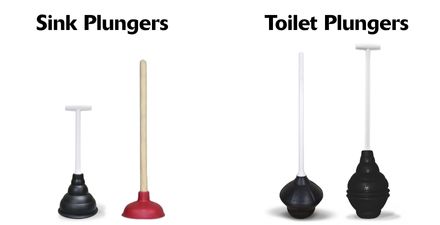
A toilet plunger has a flange for toilets; a sink plunger has a flat cup for sinks and tubs.
If you have ever grabbed the wrong plunger in a panic, you are not alone. The toilet plunger vs sink plunger choice matters more than most people think, because the shape of each tool affects how well it seals and how safely it clears the clog. I have seen the wrong plunger turn a simple fix into a messy, frustrating job, so this guide will help you choose the right one, use it the right way, and avoid the mistakes that waste time and spread water everywhere.
Toilet plunger vs sink plunger: what’s the real difference?
The main difference in the toilet plunger vs sink plunger debate is the design. A toilet plunger usually has a soft rubber flange, also called a closet plunger, that folds out to fit inside the toilet drain. A sink plunger has a flat cup and works best on flat surfaces like sinks, tubs, and shower drains.
That shape difference is not just a detail. It changes the seal, the push, and the amount of pressure you can build. In my experience, a good seal is the whole game. Without it, you are just moving water around and getting tired for no reason.
Here is the simple rule I use:
- Use a toilet plunger for toilets
- Use a sink plunger for sinks, tubs, and shower drains
- Do not force one tool to do the other job if you want the best result
If you remember nothing else, remember this: the toilet plunger vs sink plunger difference is mostly about shape, not strength.
What a toilet plunger is and how it works
A toilet plunger is made for the curved opening of a toilet bowl. It usually has a flange, which is a flexible rubber ring that sticks down from the main cup. That extra rubber piece helps create a tighter seal in the toilet drain.
The seal matters because toilet clogs often sit deeper and need a stronger pressure pulse. When you push and pull the plunger, the air and water pressure helps break up the clog or move it through the trap. A flat sink plunger often cannot seal well enough in a toilet, so the force leaks away.
A toilet plunger is best for:
- Toilet paper clogs
- Human waste blockages
- Minor toilet bowl backups
- Slow flushing toilets
I have found that the flange style is the easiest to control in a toilet. It guides the cup into place and makes the motion feel more stable. That is one reason the toilet plunger vs sink plunger comparison matters so much in real homes.
What a sink plunger is and how it works
A sink plunger has a simple flat rubber cup. It is built to sit on a flat drain area, which makes it ideal for sinks and tubs. The flat edge can spread out and form a seal on smooth surfaces.
This design works well for shallow drains and trap clogs. When used correctly, it can create enough suction and pressure to loosen food scraps, soap buildup, hair, and other common debris. The trick is to cover the drain fully and keep water in the basin so the cup has something to push against.
A sink plunger is best for:
- Kitchen sink clogs
- Bathroom sink clogs
- Bathtub drains
- Shower drains
I once tried using a toilet plunger on a bathroom sink and learned the hard way that the flange got in the way of a good seal. The tool was not broken. It was just the wrong fit. That is the heart of the toilet plunger vs sink plunger lesson: the right shape saves time and keeps the mess under control.

Toilet plunger vs sink plunger: side-by-side comparison
When people ask about toilet plunger vs sink plunger, they usually want a fast answer. This simple comparison helps.
| Feature | Toilet plunger | Sink plunger |
|---|---|---|
| Cup shape | Flanged or bell-shaped | Flat |
| Best use | Toilets | Sinks, tubs, showers |
| Seal quality | Better in toilet bowls | Better on flat drains |
| Pressure control | Strong and focused | Good for shallow clogs |
| Common mistake | Using it on sinks | Using it on toilets |
Both tools push and pull water to move clogs. But they are built for different drain shapes, and that affects performance. If your goal is speed and less frustration, matching the plunger to the drain is the smartest move.
How to choose the right plunger for your home
If you only buy one, choose a toilet plunger first. Most homes have at least one toilet, and a flange plunger can often handle simple sink clogs in a pinch, though it is not ideal. But if you want a better setup, keep both types on hand.
Here is what I recommend based on everyday use:
- Buy a flange toilet plunger for bathrooms
- Buy a flat cup sink plunger for kitchens and tubs
- Store them in separate places if possible
- Replace worn rubber cups when they crack, harden, or lose shape
A cheap plunger can still work if the rubber is soft and the seal is decent. But a damaged plunger usually fails when you need it most. I always check the rim before putting one back in service, because old rubber can feel fine until it meets water and pressure.
How to use a toilet plunger the right way
Using a toilet plunger correctly can make all the difference. I have seen people plunge too fast, lift too much, or use too little water. Those mistakes usually make the clog worse or splash dirty water.
Follow these steps:
- Make sure there is enough water in the bowl to cover the plunger cup.
- Place the flange into the drain opening.
- Press slowly at first to push out air and build a seal.
- Plunge with firm, steady strokes for 15 to 20 seconds.
- Lift and repeat if needed.
- Flush only when the water starts draining normally.
A few tips help a lot:
- Move slowly at first so you do not break the seal
- Keep the plunger straight
- Wear gloves if the water is high
- Stop if the bowl is near overflow
The toilet plunger vs sink plunger topic becomes much easier when you understand that the toilet tool is built for pressure. You do not need wild force. You need control.

How to use a sink plunger the right way
A sink plunger works best when the basin has enough water to cover the cup. If the sink is nearly empty, the plunger cannot create a strong seal. That is why people sometimes say plungers “do not work,” when really the setup is wrong.
Try this method:
- Block the overflow opening with a damp cloth if needed.
- Add enough water to cover the plunger cup.
- Center the flat cup over the drain.
- Pump gently at first to seal it.
- Use several steady plunges.
- Check whether the water drains faster.
Extra tips:
- Seal the overflow on bathroom sinks to improve pressure
- Remove any visible debris from the drain first
- Do not use a toilet plunger on a kitchen sink if you can avoid it
- Clean the plunger after use to prevent odors
In real life, I have found sink plunging works best on fresh clogs. If grease, food bits, or hair have already packed tightly in the line, plunging may help, but a drain snake or cleaning method may be needed too.
Common mistakes people make with toilet plunger vs sink plunger
The most common mistake is using the wrong tool and expecting perfect results. That sounds obvious, but it happens all the time. Another mistake is plunging too hard, too fast, or with no seal at all.
Watch out for these errors:
- Using a flat sink plunger in a toilet
- Using a toilet plunger on a shallow sink drain and breaking the seal
- Forgetting to add enough water
- Pushing air instead of water
- Not cleaning the tool after use
- Assuming every clog is a plunger job
A clog can sometimes point to a bigger issue, like a blocked trap, vent problem, or sewer line backup. If the same drain keeps clogging, plunging will only treat the symptom. That is where a plumber’s inspection may be the safer fix.
When to use something other than a plunger
The toilet plunger vs sink plunger question is useful, but plungers are not a cure-all. Some clogs are too far down or too dense for a plunger to clear. In those cases, a snake, auger, or drain cleaning method may work better.
Use another approach when:
- The clog returns soon after plunging
- Water backs up in more than one drain
- You hear gurgling in nearby drains
- The toilet or sink drains very slowly even after multiple attempts
- You suspect a hard blockage, grease buildup, or foreign object
From experience, repeated plunging without results usually means the clog is not in the bowl or sink opening anymore. It is deeper in the line. That is the point where more force is not the answer; better diagnosis is.
Why the right plunger shape matters for hygiene and damage control
A good seal is not just about performance. It also helps reduce splashes and keeps dirty water where it belongs. That matters for hygiene, especially in bathrooms and kitchens.
The toilet plunger vs sink plunger difference also affects the surfaces you touch. Toilet plungers are often used in more contaminated areas, so they should be stored separately from sink tools. If you mix them, you risk spreading germs to places that prepare food or get frequent hand contact.
Practical hygiene tips:
- Keep a dedicated plunger for toilets
- Keep another for sinks and tubs
- Rinse and disinfect after use
- Let the tool dry before storing it
- Use a holder or caddy to keep drips off the floor
This is one of those boring habits that saves you from gross surprises later. It is a little like keeping a dirty shoe out of the kitchen. Small separation, big payoff.
What experts and industry guidance generally agree on
Plumbing guidance from consumer product makers and trade practices is consistent on this point: flange plungers are designed for toilets, while cup plungers are best for flat drains. That is because plumbing fixtures have different shapes, and effective plunging depends on matching the tool to the drain geometry.
This lines up with basic plumbing physics. A better seal creates better pressure transfer. More pressure transfer means a higher chance of moving the clog without damaging the fixture. That is the practical reason the toilet plunger vs sink plunger choice is worth paying attention to.
Frequently Asked Questions
Can I use a toilet plunger in a sink?
Yes, you can in a pinch, but it is usually not the best choice. The flange can make it harder to form a flat seal on a sink drain, so performance may be weaker.
Can I use a sink plunger on a toilet?
You can try, but it often does not seal well enough in the curved toilet bowl. A toilet plunger is made for that shape and usually works much better.
Which plunger should every home have first?
A toilet plunger is the better first buy for most homes. It handles the most urgent bathroom clogs and is usually the most versatile starting point.
How do I know if a clog is too deep for a plunger?
If plunging does not improve drainage after several attempts, the clog may be deeper in the line. Slow drains in more than one fixture can also point to a bigger plumbing issue.
How often should I replace a plunger?
Replace it when the rubber cracks, hardens, or loses its shape. A worn plunger cannot seal well, which makes it much less effective.
Is it safe to use chemical drain cleaners before plunging?
It is usually better to avoid mixing chemical cleaners with plunging. Some cleaners can splash back, and strong chemicals may also create safety risks if another method is needed afterward.

Conclusion
The toilet plunger vs sink plunger difference is simple, but it makes a big impact. A toilet plunger has a flange for toilet bowls, while a sink plunger has a flat cup for sinks, tubs, and showers. When you match the tool to the drain, you get a better seal, stronger pressure, and a cleaner fix.
If you keep both types at home and use them the right way, you will handle most minor clogs with far less stress. The best move is to prepare before the emergency happens, not during it. Take a minute today to check your plunger, replace any worn one, and make sure the right tool is easy to reach when you need it.

Mick Thomas
Contributor