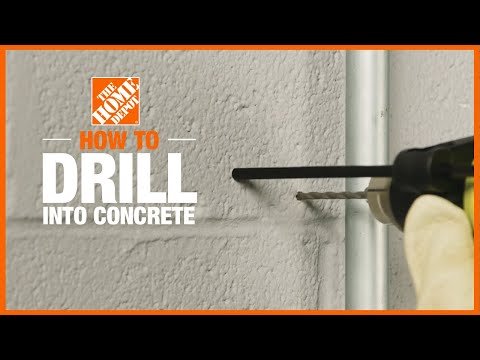
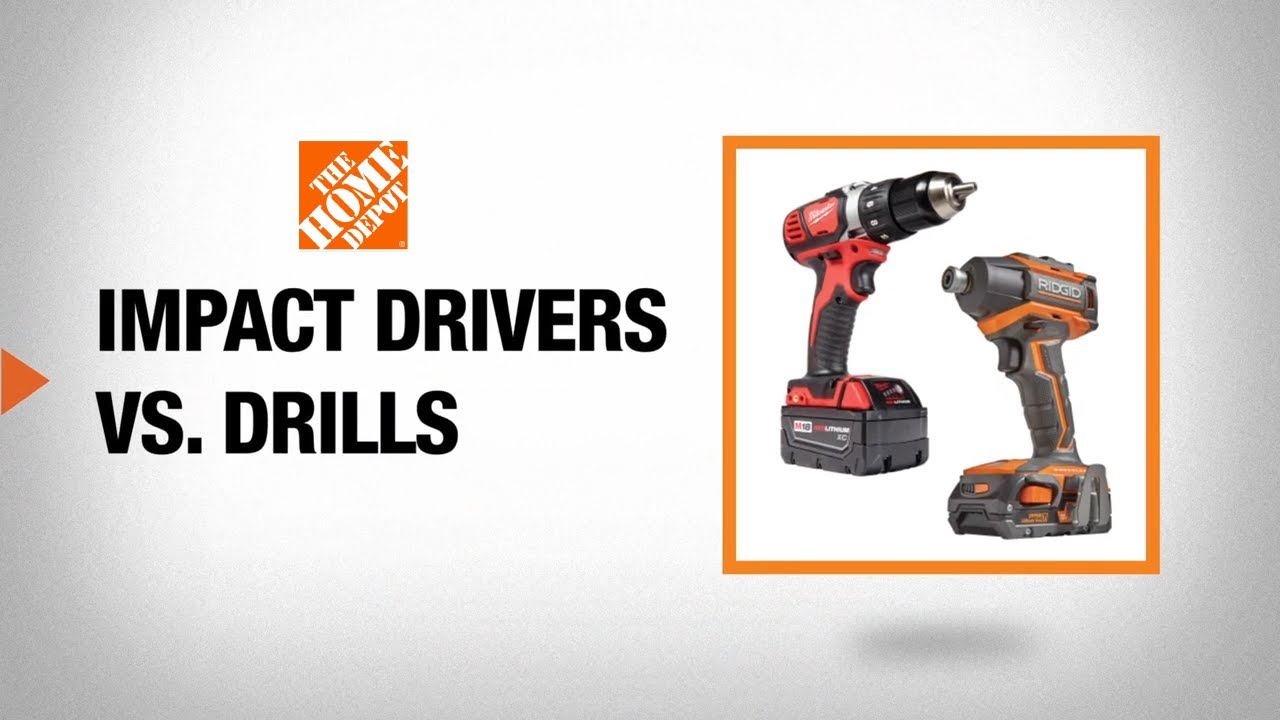
For most home users, an impact driver excels at driving screws while a drill is better for holes and light drilling.
I’ve spent years fixing things around the house and testing tools. This guide compares impact driver vs drill for home use with clear advice, simple examples, and real tips you can use today. You will learn how each tool works, when to pick one over the other, what mistakes to avoid, and how to choose the right model for your projects. Read on to save time, avoid damage, and pick the tool that fits your needs and budget.
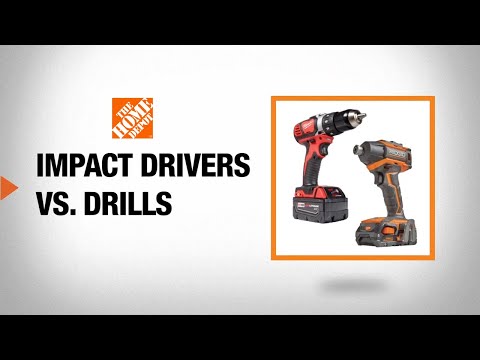
How impact drivers and drills work
An impact driver delivers rapid rotational force with short bursts. It combines torque and concussive blows to turn fasteners quickly and with less wrist strain.
A drill uses a motor and a chuck to rotate a bit smoothly. It provides steady speed and a range of low-to-medium torque. Drills are best for drilling holes and running small screws with control.
Key technical points:
- Impact driver force comes from hammering action inside the tool, measured as high torque but lower continuous rotation feel.
- Drill torque is steady and controlled, and drills often include a clutch or multiple speed settings.
- Impact drivers use hex bits. Drills use round-shank bits in a three-jaw chuck.
Understanding these basics helps when deciding between an impact driver vs drill for home use. The tools are different, but each has clear strengths.
Key differences for home use
Knowing the practical differences makes buying easier. Below are contrasts that matter for home projects.
Performance
- Impact driver: excels at driving long screws and lag bolts without cam-out.
- Drill: better at drilling holes and using a variety of bits.
Control and precision
- Impact driver: less tactile feedback, harder to do delicate work without the right bit or low-speed control.
- Drill: fine clutch settings and steady rotation make delicate tasks easier.
Size and weight
- Impact drivers are compact and often lighter for high torque output.
- Drills may be bulkier but let you switch bit sizes quickly.
Noise and kick
- Impact drivers make a sharp, pulsing sound and feel. Drills are smoother and quieter under load.
Cost and value
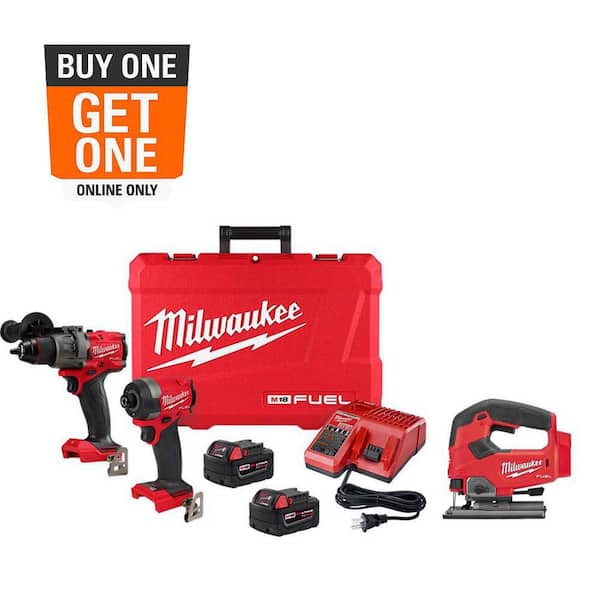
- Basic drills are cheaper. A combo kit often pairs a drill with an impact driver for good value for home use.
When you weigh impact driver vs drill for home use, think about the projects you do most and whether you need speed or precision.
When to choose an impact driver
Pick an impact driver if you want fast, reliable driving for tough jobs around the home.
Best uses
- Driving deck screws, lag bolts, and long wood screws.
- Repeated fastening tasks where speed saves time.
- Working in tight spots where a compact tool fits better.
Benefits
- Less wrist strain while driving heavy fasteners.
- Lower chance of stripping screw heads when using proper bits.
- Often faster than a drill on fastening jobs.
Limitations
- Not ideal for drilling standard holes without special bits.
- Can overtighten if you lack feel; use stops or backing washers for delicate work.
If your home projects include decking, fencing, and frequent assembly, an impact driver will be a strong choice among impact driver vs drill for home use.

When to choose a drill
Choose a drill when you need holes, bit variety, and fine control.
Best uses
- Drilling holes in wood, plastic, and light metal.
- Driving small screws where precise torque matters.
- Mixing paint or stirring compounds with proper attachments.
Benefits
- Versatile bit compatibility with a keyed or keyless chuck.
- Clutch settings prevent stripping and overdriving.
- Better for pilot holes, countersinks, and masonry with the right bits.
Limitations
- Less efficient at driving large screws repeatedly.
- Bulkier models can feel heavy for long use.
If your work often involves drilling and precise control, the drill wins the comparison of impact driver vs drill for home use.
How to choose the right tool for your home projects
Follow a few clear steps to decide which tool to buy or to keep both.
Step-by-step decision guide
- List common tasks you do at home for the next year.
- If most tasks are fastening and assembly, lean toward an impact driver.
- If you drill holes often or work with mixed materials, choose a drill.
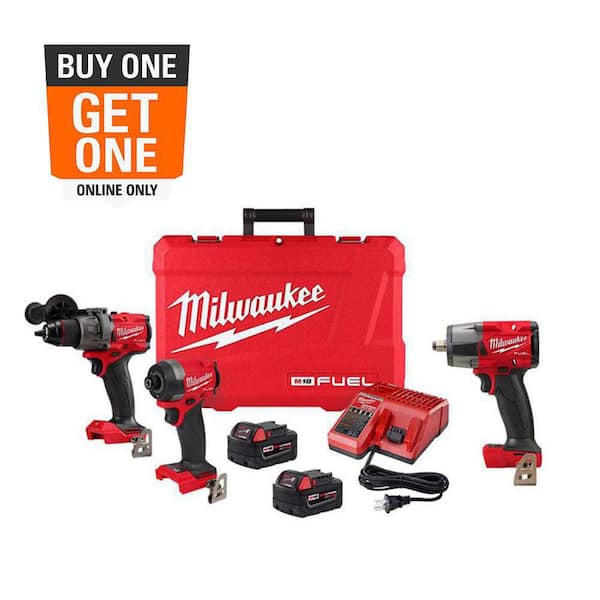
- If budget allows, buy a combo kit: you get flexibility and shared batteries.
- Check battery platform and compatibility if cordless; choose a brand with multiple tool options.
Consider battery and power needs
- For cordless tools, higher voltage and amp-hour batteries give longer run times.
- Brushless motors deliver better efficiency and longer life.
Accessories to look for
- Quality hex bits rated for impact use.
- A set of drill bits for wood, metal, and masonry.
- A compact case and spare battery for quick swaps.
Using these steps will help you pick the right side of the impact driver vs drill for home use debate for your own needs.

Maintenance, safety and tips
Good care keeps both tools working for years. Simple habits prevent damage and accidents.
Maintenance tips
- Clean vents and chuck/bit holder after heavy use.
- Keep batteries charged and store them in a cool, dry place.
- Inspect bits and replace any that are worn or loose.
Safety tips
- Wear eye protection when driving or drilling.
- Use clamps to secure small workpieces.
- Start at low speed for precision, and step up only as needed.
Practical tips
- Use pilot holes for large screws to avoid splitting wood.
- Match screw type to the material for best holding power.
- Use impact-rated bits with an impact driver to avoid breakage.
Following these tips sharpens your results whether you favor an impact driver or a drill, and makes the impact driver vs drill for home use decision easier in practice.
Personal experience and common mistakes
I started with only a drill for years. I used it for everything. I stripped many screws. When I added an impact driver, repetitive screw tasks became fast and painless.
Lessons learned
- Buy impact-rated bits. I once used regular bits in an impact and broke several.
- Use the drill for pilot holes. An impact driver can split thin boards without them.
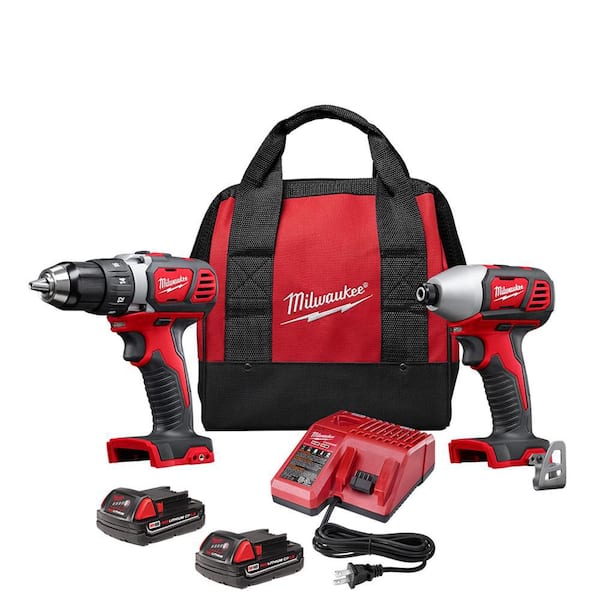
- Consider a combo kit. It saved space and money for my small workshop.
Common mistakes to avoid
- Relying on one tool for all tasks. Each tool has strengths.
- Over-torquing delicate screws. Use lower settings or hand tools when needed.
- Skipping maintenance. Dirty chucks and weak batteries reduce performance.
These real-life tips come from hands-on use and will save you time and money as you choose between impact driver vs drill for home use.

Frequently Asked Questions of impact driver vs drill for home use
What is the main difference between an impact driver and a drill?
An impact driver uses concussive force to deliver high torque for driving screws. A drill rotates smoothly and offers better control for drilling holes and light fastening.
Can an impact driver drill holes?
Yes, with the right hex-shank drill bits, an impact driver can drill small holes, but it is not as precise as a drill for many hole-making tasks.
Do I need both an impact driver and a drill for home use?
You do not strictly need both, but most homeowners benefit from owning both. A combo kit gives the best versatility for drilling and heavy driving work.
Are impact drivers louder than drills?
Impact drivers produce a sharper, more pulsing sound during impact bursts, which can seem louder under load. Drills run more steadily and are often perceived as quieter.
What bits should I use with an impact driver?
Use impact-rated bits with hardened steel and proper hex shanks. These reduce bit breakage and improve screw grip.
Conclusion
Choosing between an impact driver vs drill for home use comes down to the tasks you do most. Get an impact driver if you drive many screws and work on decking or assemblies. Get a drill if you need holes, precision, and bit variety. If possible, opt for a combo kit to cover both needs affordably. Try one or both on small projects, practice safe use, and buy quality bits to extend tool life. Share your projects or questions below, subscribe for more tool guides, or leave a comment about your experience with these tools.