Manual wire strippers give precise control; automatic wire strippers speed up repetitive jobs with consistent results.
I’ve spent years wiring homes and repairing electronics, and I know the questions you have about wire stripper vs automatic wire stripper. This article breaks down what each tool does, when to choose one over the other, how they work, and real-world tips from hands-on experience so you can pick the right tool for the job with confidence. Read on to learn practical comparisons, pros and cons, safety tips, and buying guidance informed by field use and industry best practices.

What each tool is and how they work
A wire stripper is a hand tool that removes insulation from a wire. It has cutting jaws and preset gauge notches. You line up the wire, squeeze the handles, and pull the insulation away. Manual wire strippers come in simple notch style and more precise adjustable models.
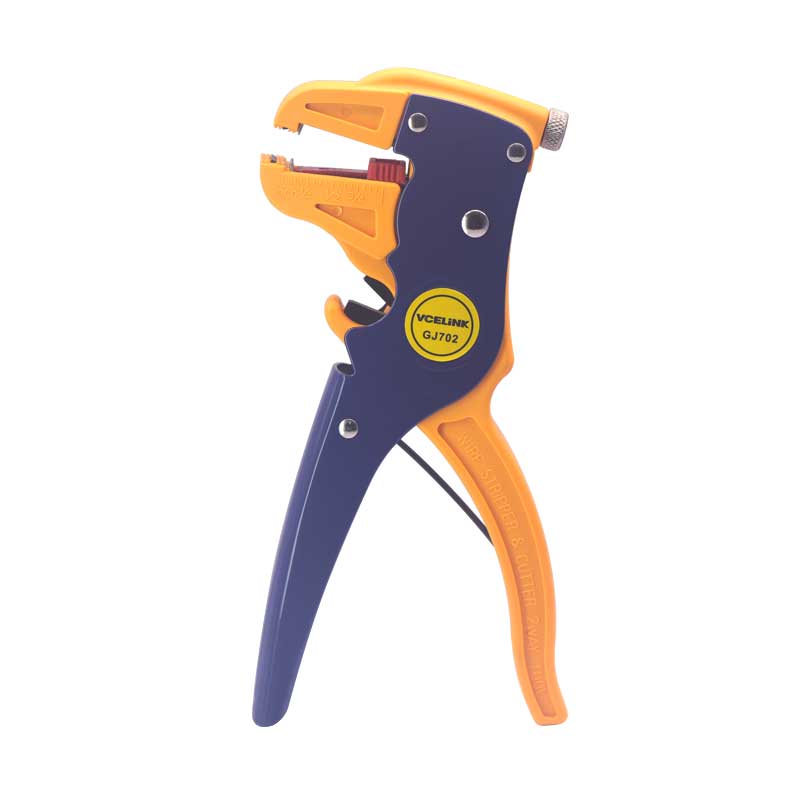
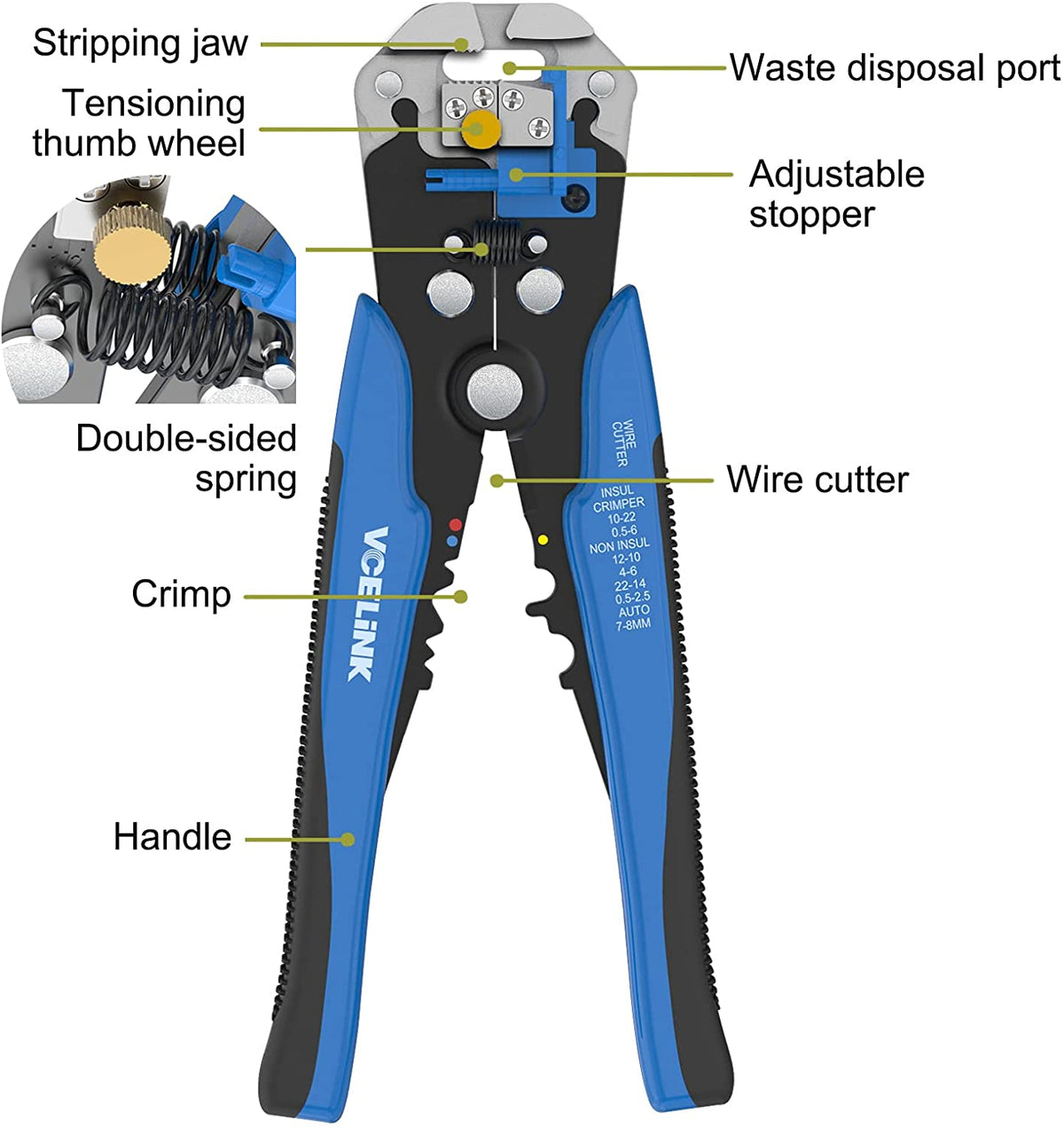
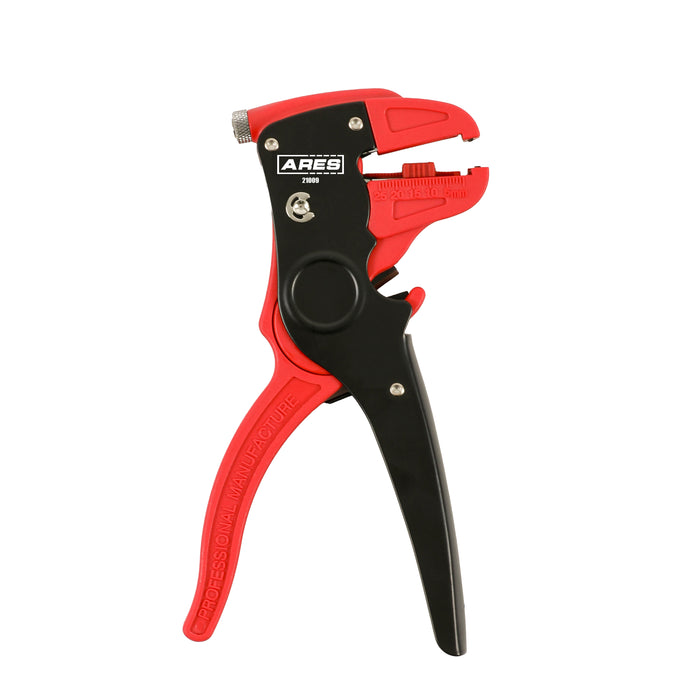
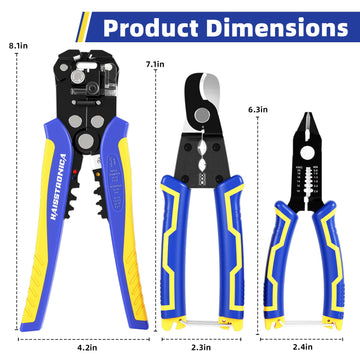
An automatic wire stripper clamps the wire, cuts the insulation, and pulls it off in one motion. You set the jaw size or gauge, insert the wire, squeeze, and release. Automatic models save time and lower repetitive strain, especially on larger projects.
Key mechanical differences:
- Manual tools rely on user alignment and pull force for a clean strip.
- Automatic tools use built-in jaws and internal mechanisms to control strip length and pressure.
- Manual tools are simple and easy to maintain; automatics have more parts and may need calibration.
I use both. For delicate electronics I prefer a manual stripper. For running dozens of cable runs in a day, an automatic stripper wins every time. This is the core trade-off in the wire stripper vs automatic wire stripper comparison.
Key differences at a glance
Understanding the main differences helps you match the tool to the task. Below are the core comparison points you’ll want to weigh in your wire stripper vs automatic wire stripper decision.
- Speed and efficiency
- Manual strippers are fine for sporadic work.
- Automatic strippers are faster for repetitive jobs and multi-conductor cable.
- Precision and control
- Manual tools give fine control for thin or fragile wires.
- Automatic tools are very consistent but may nick thin conductors if mis-set.
- Ease of use and learning curve
- Manual tools are intuitive and cheap to start with.
- Automatic tools require some setup but quickly repay effort in speed.
- Range and versatility
- Many manual strippers handle a wide range of gauges with notches.
- Some automatic strippers have adjustable stops and removable jaws for different gauges.
- Durability and maintenance
- Manual tools are simpler and harder to break.
- Automatic tools have moving parts that may need occasional service.
- Cost and value
- Manual wire strippers are inexpensive.
- Automatic wire strippers cost more but reduce labor time.
If you’re still weighing wire stripper vs automatic wire stripper, think first about how often you strip wires and how critical speed or delicacy is in your work.

Pros and cons: manual wire stripper vs automatic wire stripper
Below I list practical benefits and downsides for each option from real-world use.
Manual wire stripper — Pros:
- Low cost and easy to carry.
- Excellent for small jobs and fine-gauge wires.
- Simple maintenance and long life.
Manual wire stripper — Cons:
- Slower on large volumes.
- Technique-sensitive; inconsistent results if your hand slips.
- More fatigue over long sessions.
Automatic wire stripper — Pros:
- Fast and consistent, ideal for high-volume tasks.
- Reduces repetitive strain and human error.
- Often includes adjustable stops for consistent strip length.
Automatic wire stripper — Cons:
- Higher upfront cost.
- Can damage delicate conductors if not set correctly.
- More parts to maintain or replace.
From my experience, electricians doing house wiring will find automatics bring major time savings. Hobbyists and repairs people often prefer manual tools for cost and control.
How to choose: questions to ask before buying
Selecting between a manual or automatic wire stripper depends on project type, frequency, and wire types. Use this checklist.
- How many wires will you strip per day?
- Low volume: manual is cost-effective.
- High volume: automatic saves time and effort.
- What wire sizes and insulation types do you work with?
- Fine solid core: manual can avoid nicks.
- Multi-conductor or jacketed cables: automatic improves throughput.
- Is portability important?
- Manual strippers are compact and light.
- What is your budget?
- Manual tools are economical.
- Automatic models represent an investment with labor savings.
- Do you need adjustable strip length or precision stops?
- Many automatic tools offer built-in stops for consistent length.
Personal tip: I recommend buying a reliable manual stripper first. After you do ten to twenty similar jobs, you’ll know if an automatic will pay for itself. That saved me from overspending early in a contracting career.
Practical use cases and examples
Here are common scenarios and which tool I recommend.
- Home electronics repair and hobby projects
- Choose manual. The fine control is critical for thin wires and tight spaces.
- Residential electrical circuits and single runs
- Manual works, but an automatic helps when you have many outlets and switches.
- Commercial wiring, telecommunications, and panel builds
- Automatic is ideal for bulk stripping and consistent lengths.
- Automotive wiring and tight spaces
- Manual adjustable strippers often work best due to odd angles and delicate wires.
- Multi-conductor cable and jacket stripping
- Automatic tools with adjustable jaws or dedicated jacket strippers speed work.
Real example from my work: During a 12-unit apartment rewire, switching to an automatic stripper cut stripping time by roughly 60% and lowered hand fatigue. For a weekend electronics repair, a manual stripper let me avoid tiny nicks that would have caused intermittent faults.
How to use each tool safely and effectively
Follow these steps for best results and to avoid damage or injury.
Manual wire stripper — steps:
- Select the correct gauge notch for the wire.
- Place wire in notch and squeeze handles gently to cut the insulation.
- Pull the insulation straight off while holding the wire steady.
- Inspect the conductor for nicks.
Automatic wire stripper — steps:
- Set gauge or adjust jaws to match the wire diameter.
- Position the wire to the desired strip length stop.
- Squeeze the handles; the tool clamps, cuts, and pulls insulation.
- Release and inspect the stripped conductor.
Safety tips:
- Wear eye protection. A small insulation piece can fly off.
- Avoid cutting live circuits. Always de-energize before stripping.
- Test settings on scrap wire to avoid damaging valuable cables.
- Keep blade edges sharp; dull blades tear insulation and increase risk.
When learning a new automatic model, practice on scrap wire of the same gauge and insulation type. I learned this the hard way after nicking a multi-core cable on a job because I skipped calibration.
Maintenance and troubleshooting
Keep your tool working well with a few simple steps.
Maintenance for both types:
- Clean blades and jaws after use to remove adhesive or residue.
- Lubricate pivot points on manual strippers occasionally.
- Replace worn blades or striker components on automatics as needed.
- Store in a dry place to prevent rust.
Troubleshooting common problems:
- Tool cuts conductor: use a larger gauge setting or replace dull blades.
- Insulation tears instead of clean strip: check blade sharpness and pressure settings.
- Automatic stripper jams: inspect for debris and clean the mechanism; consult manual for disassembly.
I keep spare blades and small screwdrivers in my kit. That avoids downtime on site. Routine care prolongs accuracy and safety for any wire stripper vs automatic wire stripper choice.

PAA-style quick answers (common short questions)
- Can an automatic stripper damage wires?
- Yes, if set incorrectly or used on very thin strands; always test settings first.
- Are automatic wire strippers worth the price?
- For high-volume work, yes—the saved time and reduced fatigue often justify the cost.
- Can I use a manual stripper for all wire gauges?
- Many manual strippers cover a wide range, but very large or specialty cables may need dedicated tools.
Frequently Asked Questions of wire stripper vs automatic wire stripper
What is the main advantage of an automatic wire stripper?
Automatic wire strippers are much faster and more consistent for repetitive stripping tasks. They reduce hand fatigue and improve throughput on large jobs.
Are manual wire strippers better for delicate electronics?
Yes. Manual wire strippers give finer control and lower risk of nicking thin solid conductors in sensitive electronics. They are usually the preferred choice for hobbyists.
How do I choose the right gauge setting on an automatic stripper?
Match the tool’s gauge setting to the conductor diameter, not the insulation size. Test on scrap wire and adjust pressure or jaw position until the insulation strips cleanly.
Can one tool replace the other in a contractor’s toolbox?
Not always. Many professionals carry both a manual and an automatic stripper to handle a wide range of tasks and to switch tools depending on precision or volume needs.
How often should I replace blades or parts on an automatic stripper?
Replace blades when you notice torn insulation or nicked conductors, typically after months to years depending on use. Inspect blades regularly and keep spares handy for high-volume work.
Is it safe to strip live wires with these tools?
No. Stripping live wires is dangerous. Always de-energize circuits and verify with a tester before stripping insulation.
Conclusion
Choosing between a wire stripper vs automatic wire stripper comes down to volume, precision, and budget. Manual strippers excel for delicate, low-volume work and are budget-friendly. Automatic strippers reward frequent users with speed, consistency, and less fatigue. Use the checklist and safety tips above to match the tool to your task, practice on scrap wires, and maintain your tools for reliable performance. Try both if you can; hands-on testing is the fastest way to discover what fits your workflow. If this guide helped, consider sharing your own experience or asking a question below—your feedback helps others decide.