Fish tape works best for long, straight pulls; fish rods shine in flexible, curved runs.
I have spent years pulling wires in homes, offices, and basements. This guide compares fish tape vs fish rods with clear, practical advice. You will learn what each tool is, when to choose one over the other, how to use them safely, and which features matter when buying. I write from hands-on experience and industry knowledge so you can make fast, confident decisions on the job or at home.
What are fish tape and fish rods?
Fish tape definition
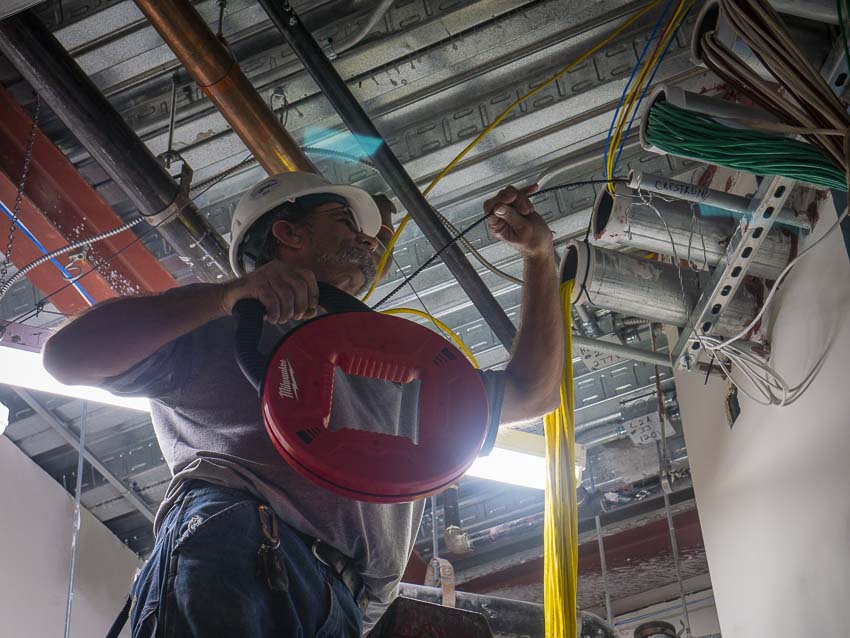
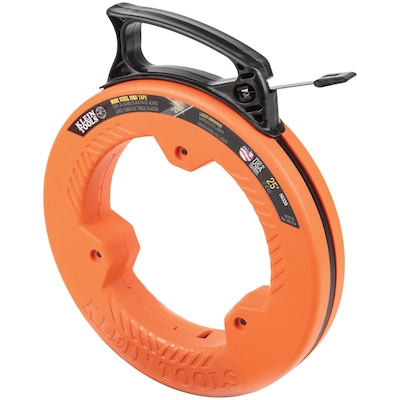
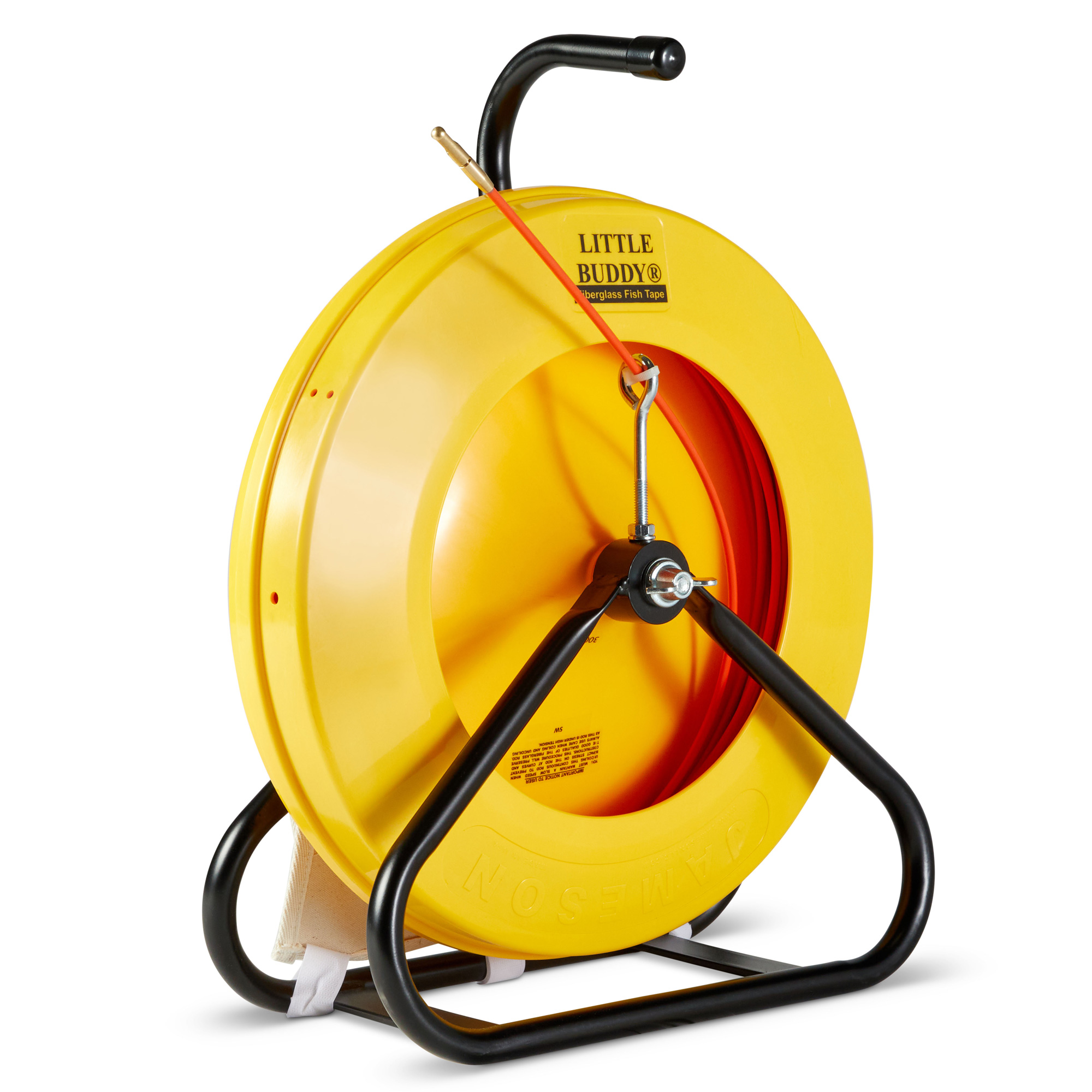
Fish tape is a long, flat steel or fiberglass ribbon coiled on a spool. Electricians use it to push wire through conduit or wall cavities. It is stiff enough to push but thin enough to pass through narrow spaces.
Fish rods definition
Fish rods are sections of flexible fiberglass or carbon fiber rods that join together. They bend around corners and snake through conduit or cavity spaces. Rods are pushed or pulled in bundles for more control when routing wire.
Why the comparison matters
Choosing between fish tape vs fish rods changes how fast and clean a job goes. The right tool reduces damage to walls, saves time, and lowers frustration on tight runs. Knowing strengths and limits keeps projects safe and efficient.

Key differences between fish tape vs fish rods
Design and material
- Fish tape: flat steel, brass, or fiberglass coil that stores compactly.
- Fish rods: straight, segmented rods made of fiberglass or carbon fiber.
Flexibility and control
- Fish tape: moderate flexibility; best for straighter runs.
- Fish rods: high flexibility; ideal for curved or long cavity runs.
Visibility and feedback
- Fish tape: limited feel; you rely on resistance and end fittings.
- Fish rods: better tactile feedback and control through segments.
Durability and repair
- Fish tape: can kink or rust if steel; fiberglass tape resists rust.
- Fish rods: segments can snap but are easy to replace one at a time.
Typical uses
- Fish tape: conduit, short long runs, and tight spaces where stiffness helps.
- Fish rods: behind walls, ceilings, and through corners and bends.

When to use fish tape vs fish rods
Use fish tape when
- You have straight conduit or short runs.
- The run is tight and needs a thin profile.
- You want a compact tool that fits in a tool bag.
Use fish rods when
- You face multiple bends or long cavities.
- You need to steer around obstacles.
- You want better tactile control and to avoid kinks.
Real-world examples
- Running a wire through two-foot conduit: choose fish tape.
- Fishing a cable from basement to attic with joist bends: choose fish rods.
- Mixed runs: start with fish rods and finish with fish tape if needed.

How to use fish tape and fish rods: step-by-step tips
Using fish tape
- Inspect the tape for kinks or rust.
- Feed tape into conduit or cavity slowly.
- When you feel resistance, gently twist and push. Do not force hard.
- Attach wire to the tape end with smooth tape wraps.
- Pull slowly and keep tension steady to avoid snags.
Using fish rods
- Assemble rod segments securely by twisting or snapping them together.
- Push the rod gently around corners. Rotate slightly to find the path.
- Use a pull line or fish tape if you need to pull wire back through.
- Replace snapped segments instead of forcing the whole rod.
- Keep rods clean and store them straight.
Practical tips that save time
- Use a vacuum or magnet to help locate the end in open cavities.
- Attach a small foam or rubber tip to protect walls.
- Label rod segments to speed assembly on large jobs.

Pros and cons of fish tape vs fish rods
Fish tape pros
- Compact and easy to store.
- Good for straight, confined runs.
- Lower cost for basic models.
Fish tape cons
- Can kink or tangle.
- Harder to steer around bends.
- Metal tapes may rust.
Fish rods pros
- Excellent for bends and long routes.
- Easy to steer and control.
- Segments are replaceable.
Fish rods cons
- Bulkier to carry.
- More expensive initial cost.
- Segments can snap under heavy stress.

Buying guide: what to look for when choosing fish tape or rods
Buying fish tape
- Material: choose fiberglass for rust resistance, steel for stiffness.
- Length: match to the longest run you expect.
- End fitting: look for secure hooks or eyes for wire attachment.
- Reel quality: smooth spool reduces tape memory and kinks.
Buying fish rods
- Rod material: fiberglass for budget; carbon fiber for higher strength.
- Segment coupling: threaded or snap-fit must be secure.
- Tip style: tapered tips help navigate tight spots.
- Case and length: good carrying case and modular length are useful.
Budget and value
- Consider a combo kit if you do varied jobs. Having both fish tape and fish rods covers most situations.
- Buy replacement parts like rod segments and spare tips. This extends tool life and reduces downtime.
Safety, maintenance, and best practices
Safety rules
- Always turn off power in circuits before fishing wire.
- Wear gloves and eye protection when handling tapes or rods.
- Do not use fish tape or rods on live electrical wires.
Maintenance tips
- Clean tape and rods after use to remove dust and metal shavings.
- Lubricate reels and inspect for damage before each job.
- Store fish rods straight in their case to avoid warping.
Common mistakes to avoid
- Forcing tools past a hard stop. Stop and reassess the path.
- Attaching wire with bulky knots that snag. Use smooth tape wraps.
- Ignoring small cracks in rods. Replace damaged segments promptly.

Personal experience and lessons learned
Field stories
I once used fish tape on a long home run and it kinked hard mid-run. The job then took twice as long. After that, I learned to start with rods on tricky runs. A small investment in rods saved hours.
Lessons I share
- Match the tool to the job, not the job to the tool.
- Keep spare tips and segments in the truck.
- Test both fish tape vs fish rods on small practice runs before big jobs.
Practical tips from the field
- Label both ends when you pull multiple cables.
- Keep a small flashlight and magnet in your kit.
- Practice slow, steady motion. Hacks often come from rushing.
Frequently Asked Questions of fish tape vs fish rods
Which is faster: fish tape or fish rods?
For straight, unobstructed runs fish tape is often faster. For runs with bends or obstacles fish rods usually save time.
Can I use fish tape in curved conduit?
Fish tape can work in mild curves but it may kink or jam in tight bends. Use fish rods for pronounced curves and multiple turns.
Are fiberglass tapes better than steel?
Fiberglass tapes resist rust and are lighter, while steel tapes are stiffer and push farther in straight runs. Choose based on environment and run shape.
How do I attach wire to fish tape without snagging?
Wrap wire with smooth electrical tape in a tapered fashion and secure with a small loop or swivel. Avoid bulky knots that catch on edges.
What if my fish rod segment snaps on a job?
Stop and remove the broken segment. Carry spare segments so you can replace and continue. For long runs, assemble the rod outside the cavity when possible.
Can I use fish rods and fish tape together?
Yes. You can use rods to navigate bends and then attach tape or pull line for the final pull. Combining tools often solves complex runs.
Conclusion
Choosing the right tool comes down to route shape, distance, and personal workflow. Fish tape works best for straight, tight conduit runs, while fish rods excel at bending through corners and long cavities. Use both tools when jobs mix straight and curved paths. Start small, check your gear, and practice steady pulls to avoid damage. Try a combo kit, keep spare parts, and trust your hands-on judgment. If you found this guide helpful, try one tip on your next job, share your own experience below, or subscribe for more practical wiring advice.