Brushed drills cost less up front; brushless drills deliver better power, runtime, and longevity.
I’ve spent years building, repairing, and testing tools for DIY projects and professional jobs. I know the real differences between a brushed drill vs brushless drill. Read on for clear, practical advice that helps you pick the right drill for your work and budget.

How brushed and brushless motors work
A brushed drill uses carbon brushes and a commutator. Those brushes touch parts that spin. The contact creates friction and wear over time.
A brushless drill uses electronics to switch current without brushes. The motor runs cooler and more efficiently. It also needs an electronic controller inside the tool.
Understanding the basic mechanics helps explain why a brushed drill vs brushless drill performs and lasts differently. The design change may seem small. Yet it changes power use, heat, and maintenance.

Key differences at a glance
Here are the main differences you should know when comparing a brushed drill vs brushless drill:
- Power and efficiency: Brushless motors deliver more torque for the same battery level and use energy better.
- Battery life: Brushless drills typically give longer runtime per charge.
- Heat and wear: Brushed drills run hotter and wear brushes; brushless drills stay cooler and need less physical maintenance.
- Weight and size: Brushless designs can be lighter because they use fewer moving parts for the same output.
- Cost: Brushed drills usually cost less up front; brushless models cost more but may save money long term.
- Noise: Brushless drills are often quieter during use.
- Control and features: Brushless drills often come with smarter electronics for speed and torque control.
When you weigh a brushed drill vs brushless drill, consider work type, frequency, and budget. For occasional home tasks, a brushed drill may be fine. For daily or heavy use, brushless often wins.
Performance, torque, and battery life
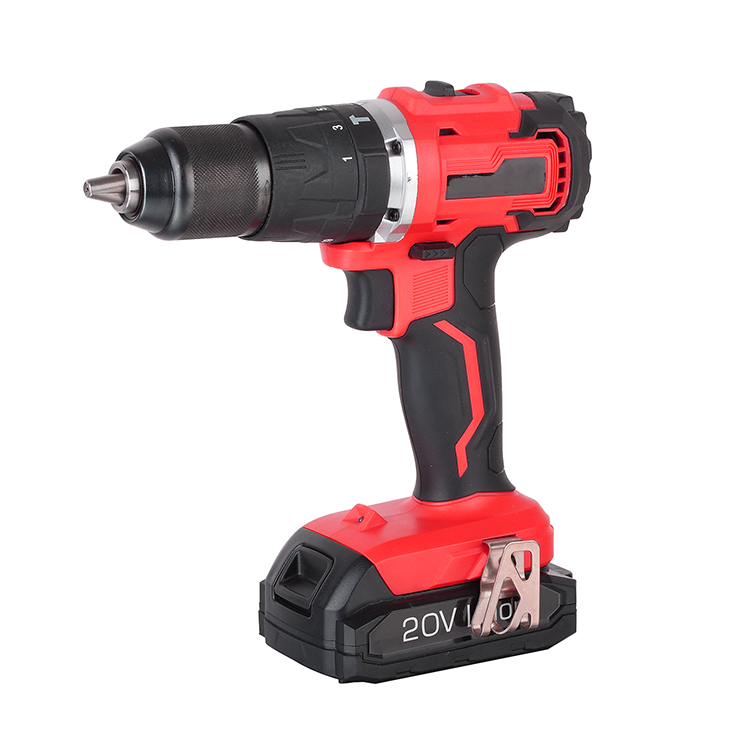
Brushless motors deliver better power-to-weight ratios. They also keep more torque at lower speeds. That means cleaner holes and better driving without bogging down.
Battery life is a big reason pros prefer brushless models. The controller reduces wasted energy. A brushless drill often gets 20–50% more runtime on the same battery.
Wondering if brushless drills run cooler and last longer? Yes. The reduced friction and smarter electronics cut heat. Less heat equals less wear on internal parts.
If you compare a brushed drill vs brushless drill under heavy load, the brushless tool will usually maintain speed. The brushed drill may slow or overheat sooner.

Cost, value, and long-term savings
Upfront cost is the main advantage of brushed drills. They are cheaper. For a first-time user with light needs, this is attractive.
But consider total cost of ownership. Brushless drills last longer and use batteries more efficiently. Over a few years, a brushless setup can cost less per hour of work.
Think about resale value too. Used brushless tools often fetch more money. If you upgrade brands, your investment is more protected with brushless tools.
Maintenance and lifespan
Brushed drills need brush replacement every so often. Brushes wear with use. Replacing them is simple, but it is maintenance.
Brushless drills require less mechanical upkeep. Their electronics can fail, but this is less common than brush wear. Regular battery care and keeping vents clear are key.
Whether you pick a brushed drill vs brushless drill, follow these tips:
- Clean vents after each heavy use to prevent overheating.
- Store batteries in a cool, dry spot to preserve life.
- Use the correct charger and avoid short, frequent top-ups when possible.

Personal experience and practical tips
I used a basic brushed drill for years while doing home repairs. It handled simple jobs like furniture assembly and drilling into softwood. I learned to keep a spare brush set and a backup battery on hand.
When I switched to a brushless drill on a renovation job, the difference was clear. Fewer battery swaps. Less heat. Faster completion of repetitive tasks. I also noticed fewer torque drops when drilling into dense lumber.
Lessons I learned:
- If you do long runs or repeat tasks, invest in brushless.
- For occasional use, a brushed drill gives good value.
- Match battery platforms if you buy tools from the same brand to save money.

Buying guide: How to choose between brushed and brushless
Follow this checklist when deciding between a brushed drill vs brushless drill:
- Identify your use case. Occasional DIY or daily contractor work?
- Estimate hours of use per month. High hours favor brushless.
- Check battery compatibility with other tools you own.
- Compare torque, speed settings, and clutch options.
- Factor in warranty and service options from the brand.
- Budget for batteries and chargers as part of the total cost.
If you want a simple rule: choose brushed for low cost and light tasks. Choose brushless for power, efficiency, and frequent use.
Frequently Asked Questions of brushed drill vs brushless drill
What is a brushed drill and how does it work?
A brushed drill uses carbon brushes that make contact with a rotating commutator. This contact transfers electricity to the motor but causes friction and wear over time. Brushes need periodic replacement.
What is a brushless drill and why is it better?
A brushless drill uses electronic controllers to switch current without brushes. This design reduces heat and improves efficiency. It often delivers better runtime and torque for the same battery.
Are brushless drills worth the extra cost?
Yes for heavy users and pros, because they save time and battery life and need less maintenance. For light, occasional tasks, a brushed drill can be a cost-effective choice.
How often should I replace brushes in a brushed drill?
It depends on use. Light home use may not need changes for years. Heavy daily use can wear brushes in months. Inspect brushes if performance drops or the motor sparks more.
Can I use the same batteries for brushed and brushless drills?
Often yes, if the drills share the same brand battery platform. Check voltage and compatibility. Using matching batteries saves money and makes switching tools easier.
Conclusion
Choosing between a brushed drill vs brushless drill comes down to use, budget, and priorities. Brushed drills save money at first and suit light tasks. Brushless drills offer better power, runtime, and long-term value for frequent or heavy work. Try to handle both types before you buy. Test weight, balance, and feel. Take action: weigh your needs, compare models, and pick the drill that matches your projects. Share your experience or ask a question below — I’ll help you decide.