Torpedo levels fit tight spots; box levels offer larger faces and higher stability for bigger jobs.
I have used both tools for years in carpentry, plumbing, and home repair. This article compares torpedo level vs box level with clear, practical advice. You will learn differences, when to choose one over the other, accuracy tips, buying guidance, and real-world lessons from my experience. Read on to pick the right level for your next job.

What is a torpedo level?
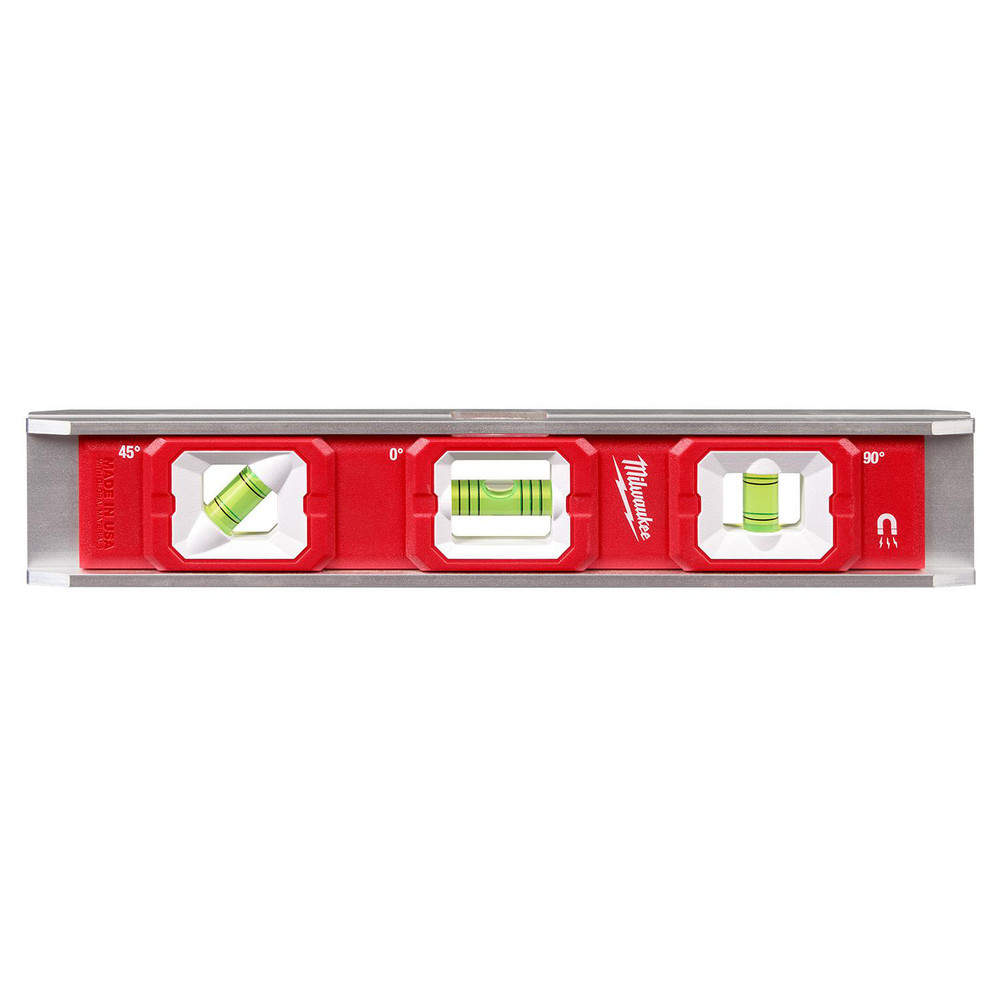
A torpedo level is a short, narrow spirit level. It is typically 6 to 12 inches long. It often has multiple vials for horizontal, vertical, and 45-degree checks. Many torpedo levels include a magnetic edge for metal work. They excel in tight spaces and on small pipes or studs.
Common uses for a torpedo level
- Working in tight gaps and between studs
- Installing cabinets and small shelves
- Plumbing pipes and conduit alignment
- Quick checks on trim and door frames
Practical note from my experience: I keep a 9-inch torpedo level in my tool belt. It saves time on tight installs where a longer level would be clumsy.
What is a box level?
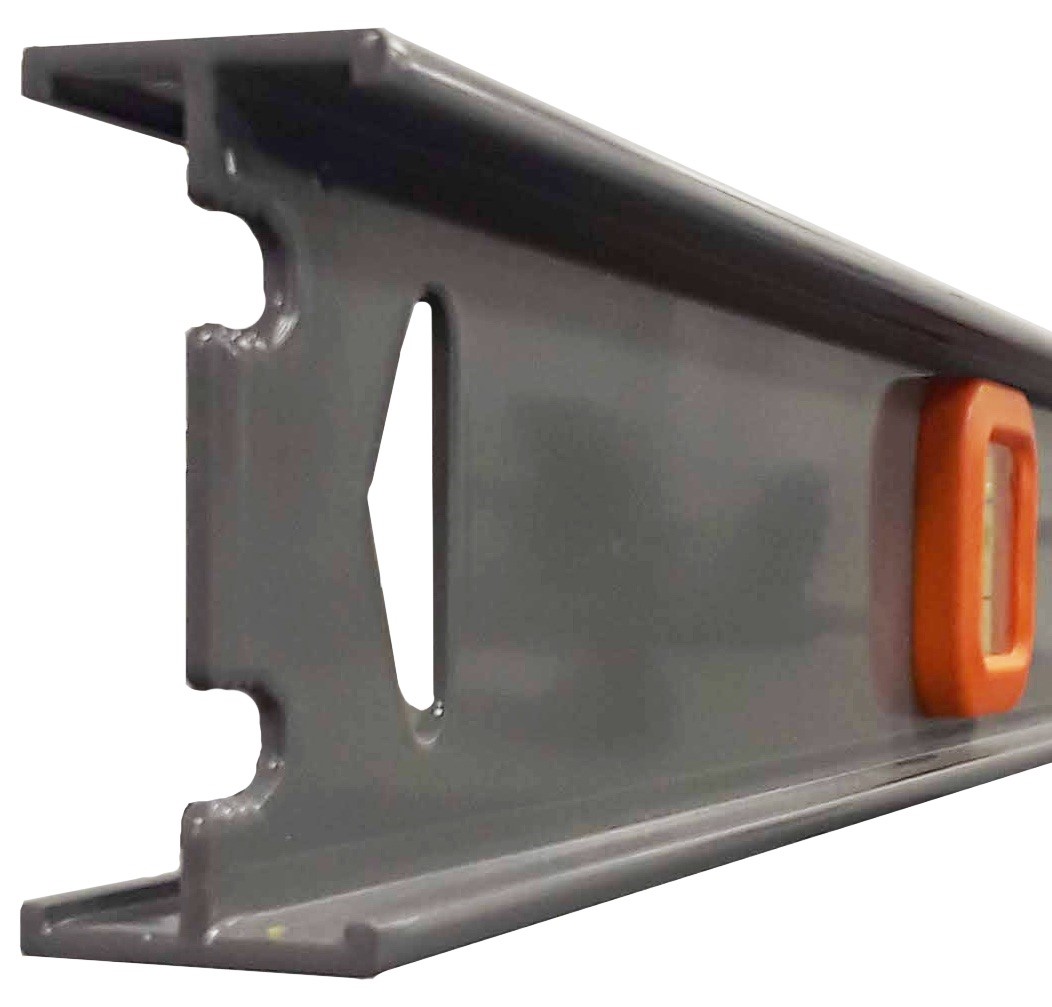
A box level, also called a box-beam level, is a longer, sturdier spirit level. It usually ranges from 24 to 72 inches. The box design uses a hollow aluminum or composite frame that resists twisting. That gives a stable reading across long surfaces. Box levels often have larger vials for more precise readings and sometimes shock-absorbing end caps.
Common uses for a box level
- Framing walls and laying out floors
- Setting cabinets and countertops
- Aligning windows and doors over long spans
- Masonry and concrete work
From my work, a good 48-inch box level gives consistent readings when checking long runs. It reduces repeat checks compared with a small level.

Torpedo level vs box level — key differences
Length and reach
- Torpedo level: short, tight-space fit.
- Box level: long, covers large spans.
Stability and stiffness
- Torpedo level: can flex if thin or cheap.
- Box level: rigid box beam reduces flex and error.
Vial size and sensitivity
- Torpedo level: small vials; quicker, less precise.
- Box level: larger vials; finer sensitivity and repeatability.
Magnetic features
- Torpedo level: often magnetic for pipes.
- Box level: may include magnets, but not always needed.
Cost and portability
- Torpedo level: low cost, highly portable.
- Box level: higher cost, less portable but worth it for big jobs.
Accuracy expectations
- Torpedo level: ideal for quick checks and tight spots.
- Box level: designed for precision over long distances.
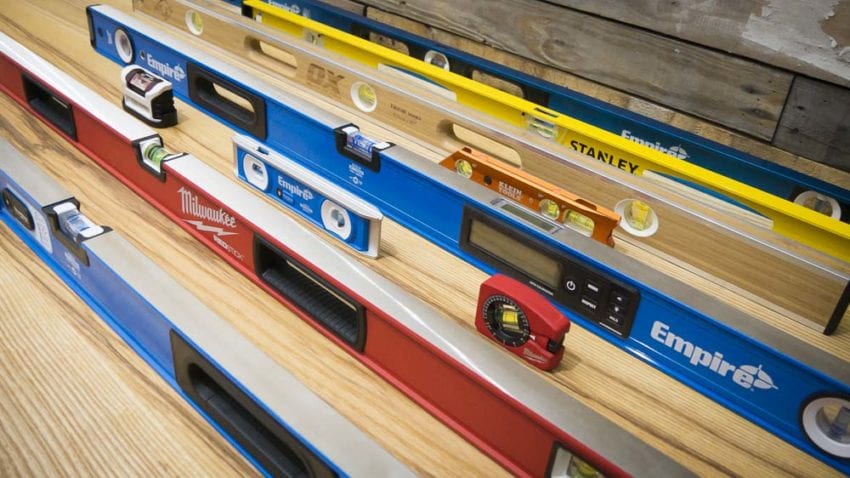
How this applies: when you compare torpedo level vs box level, think of the job size. Small tasks favor the torpedo. Large runs favor the box.
PAA-style questions
Which level is more accurate over long spans?
Box levels are more accurate over long spans due to their rigid frame and larger vials. They resist bending and give repeatable readings.
Can a torpedo level replace a box level?
A torpedo level cannot reliably replace a box level for long or critical runs. It works for small tasks but lacks the reach and stiffness.
Do magnets affect level accuracy?
Magnets help hold the level in place without touching the vial. They do not affect accuracy if the level is placed properly.

When to use each — use cases and examples
Use a torpedo level when:
- You work in tight cavities or between studs.
- You need a fast check on a short surface.
- You are working on pipes, metal conduit, or HVAC ducts.
Use a box level when:
- You set long cabinets, doors, or windows.
- You need strict flatness over a long run.
- You finish flooring or lay long trim pieces.
Real-world example: When installing floating shelves, I use a torpedo level to set the mounting brackets. When I install a 10-foot kitchen counter, I switch to a 48-inch box level to check the entire run.

Features, benefits, and limitations
Torpedo level benefits
- Compact and easy to carry.
- Works well in cramped areas.
- Affordable and often includes magnets.
Torpedo level limitations
- Less accurate on long runs.
- Small vials harder to read in low light.
- Can flex on uneven surfaces if low-quality.
Box level benefits
- Stiff and stable for long spans.
- Larger vials mean finer measurements.
- Often built to last with protective caps.
Box level limitations
- Bulkier and heavier to carry.
- More expensive.
- Not useful in very tight spots.
My tip: buy the best box level you can afford for critical layout work. A solid box level reduces rework and guesswork.
Buying guide and practical tips
Decide by task
- For quick fixes and tight places, buy a torpedo level.
- For layout, framing, and finish work, choose a box level.
Look for these features
- Vial accuracy ratings on the level. Higher sensitivity is better.
- Sturdy construction and straightness guarantees.
- Magnetic edges if you often work with metal.
- Shock-absorbing end caps on box levels.
Set a budget
- Entry torpedo levels are inexpensive.
- Quality box levels cost more but save time on big jobs.
Personal buying mistakes I made
- I once bought a cheap box level that twisted under pressure. Lesson: test straightness before trusting it on a job.
- I also underestimated a torpedo level for a long run and had to redo a shelf install. Lesson: match the tool to the task.
Practical test before purchase
- Lay the level on a known flat surface. Flip it end to end and compare. The readings should match.
- Check vial visibility in low light by testing outdoors or under a shop light.

Maintenance, calibration, and care
Simple care steps
- Store levels flat or hang them to avoid warping.
- Keep vials clean and free of bubbles or cracks.
- Avoid dropping box levels; impacts can knock them out of true.
How to check accuracy
- Place the level on a flat surface and note the bubble position.
- Rotate the level 180 degrees and compare the bubble. If positions match, the level is accurate.
- For vertical checks, do the same on a plumb surface.
When to replace
- Replace if a vial is cracked or permanently off.
- Replace if the beam is bent or the level gives inconsistent readings.
From experience: I recheck critical levels on the first job after purchase. Small errors early cost time later.
Frequently Asked Questions of torpedo level vs box level
What is the main difference between a torpedo level and a box level?
The main difference is size and stiffness. A torpedo level is short and fits tight spots while a box level is long and rigid for long runs.
Which level is better for carpentry?
For carpentry, both help. Use a torpedo for trim and tight work, and a box level for framing and long layouts.
How do I check a level for accuracy at home?
Place it on a flat surface, note the bubble, flip the level 180 degrees, and compare. Matching readings mean it is accurate.
Can a magnetic torpedo level hold on round pipes?
Yes, a magnetic torpedo level can stick to many metal pipes and hold steady for hands-free checks.
Is a longer box level always more accurate?
Longer box levels give better reference for long spans, but accuracy also depends on build quality and vial sensitivity.
Conclusion
Torpedo level vs box level comes down to task size and needed precision. Use a torpedo level for tight spaces and quick checks. Use a box level for long runs and precise layout. My practical advice: carry a good torpedo in your kit and invest in one quality box level for major projects. Try both on small jobs first to learn their feel and limits. Share your experience or questions below, and consider subscribing or checking more guides to refine your tool choices.