Magnetic tape measures stick to metal for one-person holds; standard tape measures use a hook and leverage.
I have spent years in construction and woodworking testing measuring tools. This article gives a clear, expert take on magnetic tape measure vs standard tape measure, with practical tips, real use cases, and buying advice so you can pick the right tool for your work or hobby.
magnetic tape measure vs standard tape measure — Definitions and basics
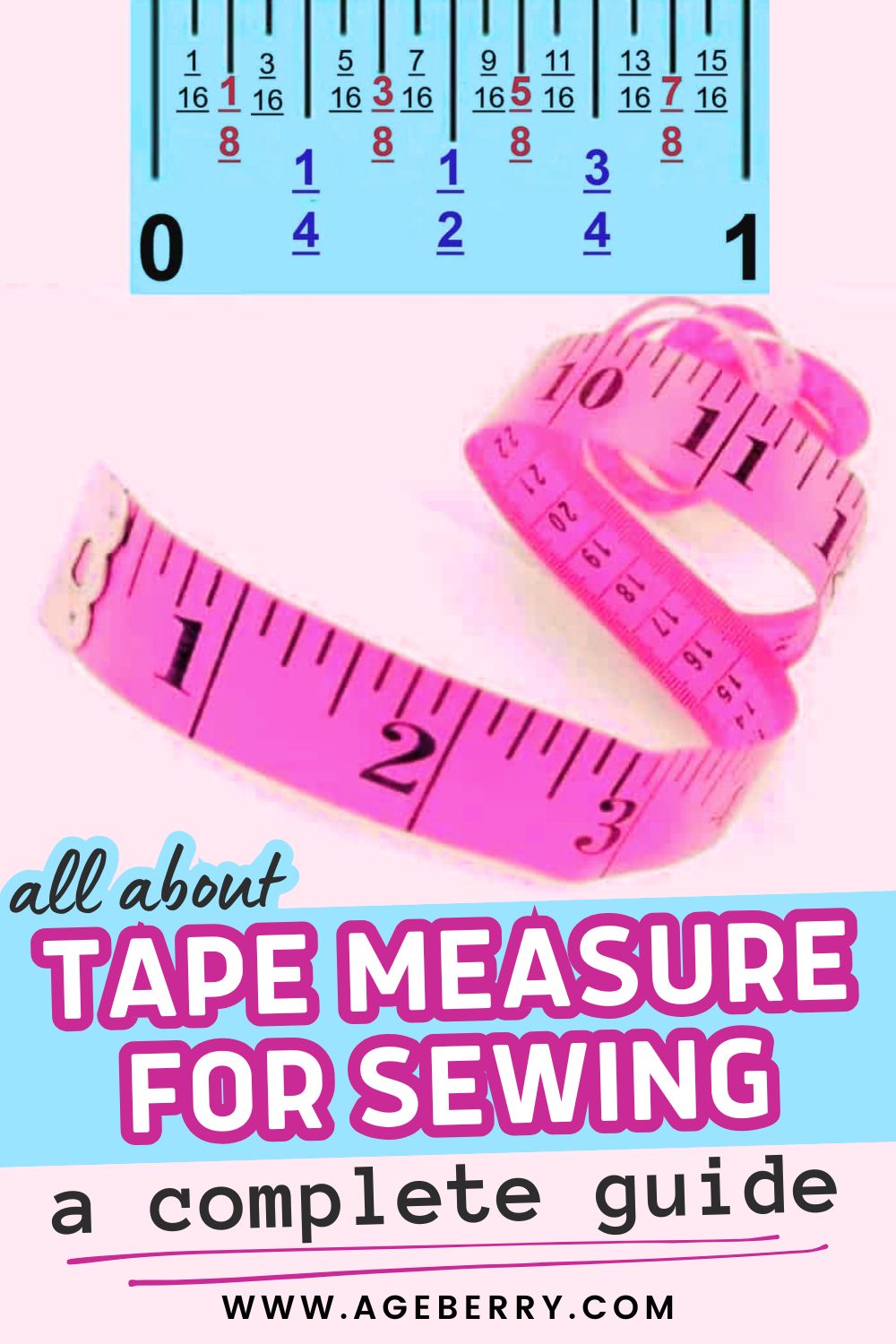
A magnetic tape measure vs standard tape measure compares two common measuring tools. The magnetic tape measure uses a magnet on the end of the hook to hold to steel surfaces. The standard tape measure uses a hooked tang that grabs edges or relies on a partner to hold the end. I will explain how each works, where one beats the other, and when to choose which.

How magnetic tape measure vs standard tape measure work
The magnet on a magnetic tape measure is usually a small rare-earth or ferrite magnet set in the end hook. It sticks to ferrous metal so one person can measure long spans without a helper. The tape blade still has a hook, but the magnet reduces slippage on metal.
Standard tape measures use a sprung hook that moves slightly to allow for inside or outside measurements. The blade stiffness, coating, and hook design affect how far the tape will "stand out" from the case. For many wood and drywall jobs, a standard tape measure performs well and is often lighter and less costly.
PAA-style question: Are magnetic tape measures accurate? Yes. Both magnetic and standard tape measures can be very accurate. Accuracy depends more on blade quality and hook calibration than magnet presence.
PAA-style question: Can a magnetic tape measure stick to non-metal surfaces? No. Magnets only adhere to ferrous metals. For wood, concrete, or aluminum, the magnet won't hold, and you must rely on the hook or a partner.
Key differences: a side-by-side comparison of magnetic tape measure vs standard tape measure
Below are the main differences to help you decide:
- Holding method: Magnetic tape measures use a magnet; standard tape measures use a hook or hand to hold the end.
- One-person use: Magnetic tape measures allow easier solo measuring on steel; standard tape often needs two people for long spans.
- Accuracy factors: Both types can be accurate; blade quality, hook play, and wear dictate real-world precision.
- Standout length: Standard tape measures vary; magnetic models may let you measure to a beam without a helper, depending on blade stiffness and magnet strength.
- Cost and value: Magnetic tape measures are often pricier. Standard tape measures are widely available at lower cost.
- Durability and repair: Magnets can attract debris; replaceable hooks on standard tapes are common. Both types can suffer blade wear over time.
Practical example: On a steel stud framing job, a magnetic tape measure lets me measure a 12-foot run solo by sticking the end to the stud. On trim work in a house, a standard tape with a sharp hook gives fast, precise inside and outside measurements.
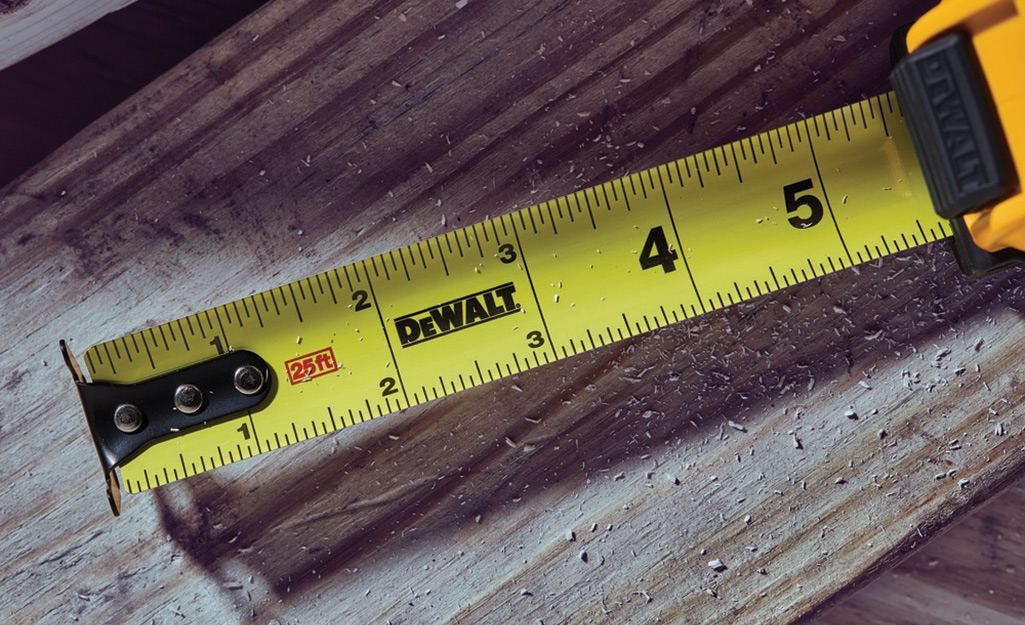 examples for magnetic tape measure vs standard tape measure”
style=”max-width: 100%; height: auto; border: 2px solid black; border-radius: 10px; display: block; margin: 0 auto;”
loading=”lazy”
/>
Use cases and real-world examples for magnetic tape measure vs standard tape measure
Choose a magnetic tape measure when:
- You work with metal beams, studs, or HVAC ducts and often measure alone.
- You need to hold the tape end on a steel surface to mark or cut without a second person.
- You measure long metal runs where the magnet reduces slippage.
Choose a standard tape measure when:
- You do finish carpentry, drywall, or woodworking where edges and hooks matter.
- You want a lighter, simpler, and more affordable tape.
- You need very long standout in nonmetal situations and plan to use a second person when needed.
Personal note: On renovation jobs, I keep both. The magnetic tape measure is my go-to for metal framing or duct runs. For cabinet layouts and finish work, the standard tape is faster and less fussy.

Pros and cons of magnetic tape measure vs standard tape measure
Magnetic tape measure — pros
- One-person measuring on steel surfaces.
- Faster layout on metal work.
- Often includes strong casing and locks for job-site use.
Magnetic tape measure — cons
- Magnet only works on ferrous metal.
- Slightly heavier and often costlier.
- Magnet can pick up metal shavings and wear.
Standard tape measure — pros
- Versatile for wood, drywall, and general work.
- Wide range of prices and sizes.
- Easier to replace the hook or blade.
Standard tape measure — cons
- Often needs a second person for long spans.
- Hook play can cause slight errors if not calibrated.
- Less convenient on metal-only jobs.
Buying guide and tips for magnetic tape measure vs standard tape measure
When picking between magnetic tape measure vs standard tape measure, consider these points:
- Length: Choose a length that fits your typical work. 16 to 25 feet covers most carpentry and renovation needs.
- Standout: If you need long unsupported reach, look for a stiff blade. Standout is measured in feet or inches.
- Magnet strength: For magnetic tapes, look for clear specs on magnetic pull strength. Stronger magnets stick better to painted metal.
- Hook design: A well-made hook that allows true inside/outside measures matters for accuracy.
- Blade coating: Nylon or polymer coatings increase durability and resist wear.
- Lock and belt clip: A reliable lock and sturdy clip make job-site use easier.
- Budget and warranty: Spend on quality if you rely on your tape daily. Look for a warranty or replaceable parts.
Tip from experience: Test the tape's hook by measuring a known length, like a 12-inch square, to check the zero point. If the measure is off, adjust your technique or return the tool.
Frequently Asked Questions of magnetic tape measure vs standard tape measure
What is the main benefit of a magnetic tape measure?
The main benefit is one-person measuring on ferrous metal surfaces because the magnet holds the end in place. This saves time and removes the need for a helper on metal work.
Are magnetic tape measures more accurate than standard tapes?
No. Accuracy depends on blade quality and hook calibration, not the magnet. Both can be highly accurate when well made.
Can a magnetic tape measure replace a standard tape measure?
Not fully. A magnetic tape excels on metal but does not help on wood or concrete where the hook is needed. Many pros carry both.
How do I test my tape measure for accuracy?
Measure a known distance, like a framing square or a factory edge, then reverse the tape and measure again. Consistent readings mean good accuracy.
Will magnets damage my tape measure or work surface?
Rarely. Magnets can attract metal debris to the hook area and may scratch soft surfaces if dragged, but they will not harm the tape itself under normal use.
Conclusion
Choosing between a magnetic tape measure vs standard tape measure comes down to the materials you work with and your workflow. If you often measure metal alone, a magnetic tape brings clear speed and convenience. If you do mixed or finish work, a quality standard tape is more versatile and cost-effective. Try both if possible, test accuracy before you buy, and pick the one that fits your daily tasks. If this helped, consider subscribing or leaving a comment about your favorite tape—your feedback helps others choose wisely.