A torque wrench sets exact tightness; an impact wrench removes or installs fasteners with power.
If you’ve ever worked on a car, a bike, or a home project, you already know these two tools can seem similar at first glance. But torque wrench vs impact wrench is really a question of precision versus power, and knowing the difference can save you from stripped bolts, loose wheels, and a lot of frustration. I’ve used both tools in real shop work, and the right choice often comes down to whether you need control or speed.
Torque wrench vs impact wrench: what each tool does
A torque wrench is built to tighten a fastener to a specific torque value. That matters when you need a bolt to be snug, but not too tight. An impact wrench is built to deliver strong rotational force in short bursts, which makes it great for loosening stubborn bolts and speeding up assembly.
The easiest way to think about torque wrench vs impact wrench is this:
- Torque wrench: precision tool for final tightening
- Impact wrench: power tool for fast removal and rough tightening
When I first started working around engines, I made the mistake of using an impact wrench on everything. It was fast, but it also taught me a hard lesson: speed can damage threads, stretch bolts, or make a repair worse if you skip the final torque check.
What is a torque wrench?
A torque wrench is a hand tool used to apply a measured amount of force to a nut or bolt. The goal is accuracy. This is important because many parts, especially on vehicles and machinery, need fasteners tightened to a manufacturer’s torque specification.
Common types include:
- Click torque wrench
- Beam torque wrench
- Digital torque wrench
- Split beam torque wrench
A torque wrench is often used on:
- Lug nuts
- Cylinder heads
- Spark plugs
- Suspension parts
- Bicycle components
- Engine covers
The main benefit is consistency. If a bolt needs 80 lb-ft, a torque wrench helps you reach that value without guessing.
What is an impact wrench?
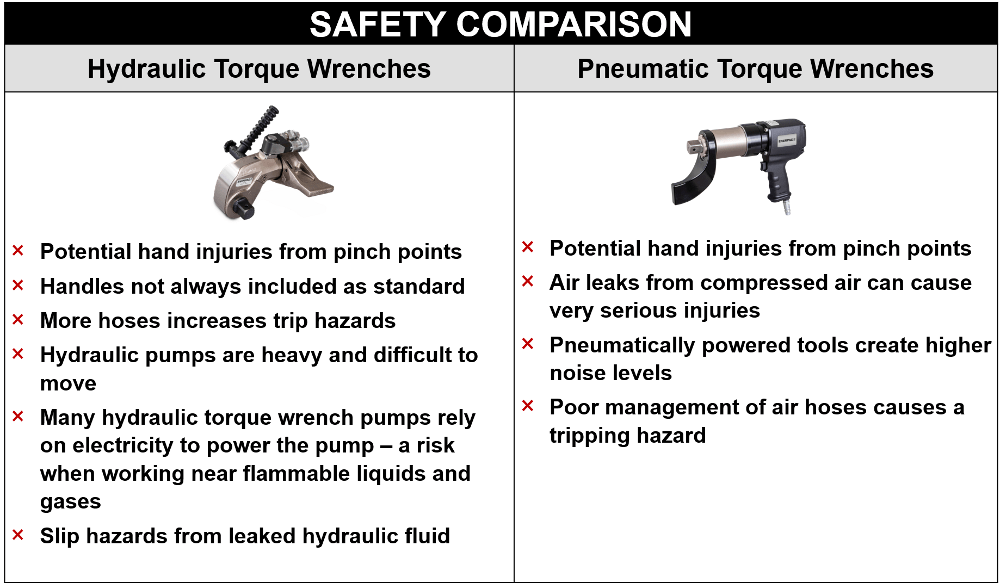
An impact wrench is a power tool that uses rotating hammer-like impacts to loosen or tighten fasteners. It delivers a lot of force quickly, which makes it useful for jobs that would be slow or exhausting by hand.
Common types include:
- Pneumatic impact wrench
- Cordless battery impact wrench
- Electric corded impact wrench
People use impact wrenches for:
- Removing lug nuts
- Rusted bolts
- Tire rotations
- Auto repair
- Heavy equipment work
- Construction fastening
The big advantage is speed. When bolts are corroded, over-tightened, or just too stubborn for a hand tool, an impact wrench can save a ton of time and effort.

Torque wrench vs impact wrench: the key differences
The difference between torque wrench vs impact wrench comes down to purpose, control, and final result. They can both turn fasteners, but they are not meant to do the same job.
Here is the simplest breakdown:
- Torque wrench: measures and controls tightening force
- Impact wrench: delivers high force to remove or quickly install fasteners
- Torque wrench: best for final tightening
- Impact wrench: best for breaking loose stubborn bolts
- Torque wrench: usually hand-driven or low-speed
- Impact wrench: powered by air, battery, or electricity
A torque wrench is about exactness. An impact wrench is about muscle. If you use the wrong one at the wrong time, you can either under-tighten a fastener or damage it.
When to use a torque wrench
Use a torque wrench when the manufacturer gives a torque specification and the result matters for safety or performance. In automotive work, that usually means anything tied to brakes, wheels, engine parts, or suspension.
Good times to use a torque wrench:
- Installing wheel lug nuts
- Tightening spark plugs
- Reassembling engine components
- Working on brake parts
- Tightening delicate bolts on bikes or electronics
I’ve seen people ruin expensive parts by “going by feel.” That works sometimes for rough work, but for critical jobs, feel is not a measurement. A torque wrench removes the guesswork.
When to use an impact wrench
Use an impact wrench when you need speed, power, or help with stuck fasteners. It is especially useful when bolts are rusty, dirty, or installed very tightly.
Good times to use an impact wrench:
- Removing lug nuts
- Breaking loose suspension bolts
- Taking apart old machinery
- Repeated assembly work
- Fast removal during tire changes
One practical tip from experience: use the impact wrench to do the heavy work, then finish with a torque wrench if the fastener has a torque spec. That two-step method is one of the safest habits you can build.

Can an impact wrench replace a torque wrench?
Not really. An impact wrench can tighten a fastener, but it does not give you precise final torque in a reliable way. Even if a tool has adjustable power settings, it still is not the same as setting an exact torque value.
This is one of the most common mistakes in torque wrench vs impact wrench use. People assume “tight enough” is good enough, but some fasteners need exact tension to work right.
Why this matters:
- Too loose can cause vibration and failure
- Too tight can strip threads or damage parts
- Uneven torque can warp components
If you need accuracy, use a torque wrench. If you need speed or removal force, use an impact wrench.
Which tool is better for car maintenance?
For most car maintenance jobs, both tools are useful, but for different stages. An impact wrench is excellent for removing lug nuts and old bolts. A torque wrench is the tool you want for final tightening.
A smart workflow looks like this:
- Use the impact wrench to remove the fasteners
- Clean the threads if needed
- Reinstall the fasteners by hand first
- Finish with a torque wrench to spec
That workflow helps prevent cross-threading and keeps torque even. I’ve followed this process on wheel changes for years, and it is one of the easiest ways to avoid expensive mistakes.
Pros and cons of torque wrench vs impact wrench
Torque wrench pros
- Accurate final tightening
- Helps prevent over-tightening
- Best for safety-critical work
- Useful for manufacturer specs
Torque wrench cons
- Slower than an impact wrench
- Not ideal for rusted or stuck bolts
- Needs calibration and care
Impact wrench pros
- Fast and powerful
- Great for stubborn fasteners
- Saves time on repetitive work
- Reduces manual effort
Impact wrench cons
- Poor choice for precision tightening
- Can damage threads or parts
- Can over-tighten fasteners easily
The best choice depends on the job. In many real-world cases, torque wrench vs impact wrench is not an either-or problem. It is more like using a hammer and a screwdriver for different tasks.
How to choose the right tool
To choose between torque wrench vs impact wrench, ask yourself three questions:
- Do I need exact torque?
- Do I need to remove a stuck fastener?
- Am I working on a safety-critical part?
Use this simple guide:
- Choose a torque wrench if the manual gives a torque spec
- Choose an impact wrench if the bolt is stuck or you need speed
- Use both if you are doing vehicle repair or heavy maintenance
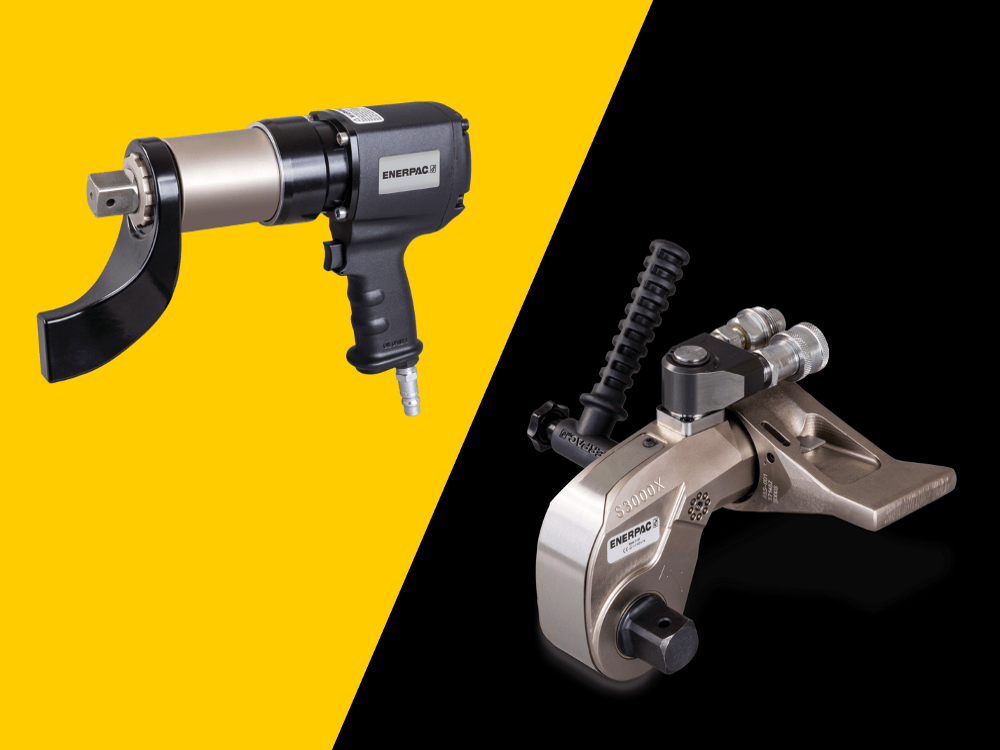
If you only buy one, think about your most common jobs. For car owners, a torque wrench is often the safer first purchase. For mechanics or DIYers doing lots of teardown work, an impact wrench may feel more useful day to day.
Safety tips and common mistakes
A little care goes a long way with both tools. I’ve watched beginners use these tools like they were interchangeable, and that almost always leads to trouble.
Helpful safety tips:
- Tighten fasteners by hand first when possible
- Do not use an impact wrench on delicate parts
- Use the correct socket type for impacts
- Never guess torque on safety-critical fasteners
- Recheck wheel lug torque after installation if recommended by the vehicle maker
Common mistakes to avoid:
- Using an impact wrench as a final tightening tool
- Using a torque wrench to break loose frozen bolts
- Ignoring torque specs
- Failing to calibrate a torque wrench when needed
- Using worn sockets or damaged fasteners
A good tool can’t fix bad habits. The right process matters just as much as the tool itself.
Torque wrench vs impact wrench for home and professional use
For home users, a torque wrench is often the more important tool if you work on cars, bikes, or small engines. It protects against over-tightening and helps you follow specs correctly.
For professionals, both tools are essential. An impact wrench saves time during teardown and repetitive work, while a torque wrench ensures the final assembly meets spec and stays safe.
Here’s a practical way to think about it:
- Home use: torque wrench first, impact wrench second
- Professional use: both tools are part of the workflow
- Occasional use: pick based on the jobs you do most often
That balance is why torque wrench vs impact wrench is not just a tool debate. It is really about matching the tool to the job.
Frequently Asked Questions
Can I tighten lug nuts with an impact wrench?
Yes, but only as a rough step. You should always finish with a torque wrench so the lug nuts match the vehicle’s spec.
Is a torque wrench necessary for home repairs?
For any job with a torque spec, yes. It helps prevent damage and gives you a safer, more reliable result.
Do impact wrenches damage bolts?
They can if used carelessly or on the wrong setting. The tool itself is not the problem, but overuse or wrong technique can harm threads and fasteners.
Which is better for removing rusted bolts?
An impact wrench is usually better. Its hammering action helps break stuck fasteners loose faster than hand tools.
Do I need to calibrate a torque wrench?
Yes, if you want accurate readings over time. Many manufacturers recommend periodic calibration, especially for professional use or frequent use.
Conclusion
When it comes to torque wrench vs impact wrench, the real answer is simple: use a torque wrench for accuracy and an impact wrench for power. One gives you control, while the other gives you speed, and both tools earn their place in a good workshop.
If you remember one thing, make it this: remove fasteners with power when needed, but tighten critical parts with precision. That one habit can protect your tools, your project, and your safety. If this guide helped, explore more repair tips, subscribe for updates, or leave a comment with the tool you use most.