Choose professional tools by matching each trade’s tasks, materials, accuracy needs, safety risks, and required equipment standards.
Across the United States, skilled trades rely on tools built for different jobs. An electrician in Texas, a plumber in Ohio, and a carpenter in California may all use drills and pliers. Yet their daily work calls for very different tool features. The right choice depends on what each worker must install, repair, test, or build.
Tool Selection by Professional Trade and Specialized Applications means choosing equipment based on the actual work rather than the tool’s brand or advertised power. A tool that performs well in a wood shop may be unsuitable for electrical work, metal fabrication, or concrete drilling.
Professional work also involves rules that vary by task and location. OSHA addresses many workplace tool hazards. The Environmental Protection Agency sets requirements for certain refrigerant service tasks. State and local rules may also govern licensing, permits, and work methods.
A sound tool choice starts with the task, then checks material fit, tool capacity, safety features, compatibility, and service needs. This guide explains how to make those choices across common American trades. It also covers when specialized equipment is worth buying, when renting makes sense, and when trained help is required.
What Makes a Tool Suitable for a Professional Trade?
A professional tool must meet the needs of a defined job. Those needs include the type of work, the material, the required result, and the conditions at the site. The same tool category may have several versions because each solves a different problem.
For example, a general-purpose drill can make holes in wood or thin metal with the right bit. A rotary hammer is designed for impact drilling in masonry and concrete. A precision drill press can offer more control over hole position in a stable workshop setup. These tools overlap in purpose, but they are not direct substitutes.
The first question should be what the tool must do. The second should be what would cause the work to fail. A clean cut may matter more than speed in finish carpentry. A sound joint may matter more than speed in plumbing. A suitable measurement category and correct test method matter more than extra meter features in electrical work.
Tool selection should also account for the full system. A press tool needs compatible jaws and fittings. A cordless tool needs suitable batteries and chargers. A dust-producing saw may need an approved dust-control setup. Buying only the main machine can leave the worker unable to complete the job.
Task
Define whether the work involves cutting, drilling, fastening, measuring, testing, joining, shaping, or finishing.
Material
Identify the exact material, size, thickness, hardness, and condition.
Accuracy
Check the required size, alignment, surface finish, and allowable variation.
Capacity
Confirm that the tool and its accessories can safely handle the required workload.
Safety
Identify hazards and required controls before comparing price or convenience.
Support
Check accessories, spare parts, maintenance instructions, training, and local service options.
Use a Task-First Selection Method
Begin with the job specification or work order. List the tasks in the order they will occur. Record each material and any required measurements. Then identify the tool type that performs each task.
Next, check the maker’s stated operating limits. Review accessory fit, rated capacity, work area, power supply, and required protective equipment. Reject tools that fail a critical check, even if their price or advertised power looks attractive.
Finally, compare the remaining choices by cost, repair access, weight, duty rating, and ease of use. This method reduces the risk of choosing a strong tool that is wrong for the job.
Sign of a good match
The tool performs the task within its rated limits and gives the specified result without unsafe adjustments.
Sign of a poor match
The task requires an unsupported attachment, excessive force, removed guard, or operation outside the stated limits.
Carpentry, Woodworking, and Building Trades
Carpenters need tools that match the stage of construction. Framing work often values repeat cuts, layout speed, and mobility. Finish work places more weight on clean edges, tight joints, and visible alignment.
A framing crew may rely on circular saws, framing squares, chalk lines, levels, drills, and approved fastening systems. A finish carpenter may use a miter saw, trim router, block plane, clamps, and fine measuring tools. Both crews cut wood, but they work to different finish requirements.
A large saw is not always the right choice. A compact tool may give better access in a tight room. A stationary machine may provide better support for repeated shop cuts. The tool should fit the workpiece and the safe work area, not just the worker’s preferred power system.
Framing
Choose layout tools, saws, and fastening equipment suited to structural plans, lumber size, and approved fastener schedules.
Finish Carpentry
Favor tools that give controlled cuts, accurate joints, and clean surfaces on visible trim.
Cabinetmaking
Consider stable work support, repeatable measurement, dust extraction, accurate cutting, and controlled shaping.
Drywall Installation
Use drywall knives, panel supports, screw guns with depth control, taping tools, and dust-control systems suited to the work.
Structural Work Requires More Than Tool Power
A tool may drive a fastener with ease but still produce an unacceptable connection. Structural work depends on the fastener type, placement, depth, material, and approved plans.
Check the project documents and the fastening system instructions. Nailers must accept the specified fasteners, and drivers must offer the control needed for the connection. Do not substitute fasteners solely because they fit the tool.
When a proposed tool or fastening method conflicts with the structural specification, stop and seek direction from the responsible contractor, designer, or engineer.
Roofing Tools Need Safe Access Planning
Roofers use cutters, nailers, pry bars, chalk lines, and tools matched to the roofing material. Yet safe access and fall protection must be planned before the first cut or fastener.
OSHA construction rules include fall-protection requirements for many roofing tasks at heights of 6 feet or more above lower levels. The exact controls depend on the work and roof type.
Fall-protection systems require proper selection, anchorage, inspection, and training. A tool belt or a roofing nailer cannot compensate for an unsafe work platform.
Electrical Trade Tools and Safe Testing
Electrical workers need tools for wiring, installation, testing, and fault diagnosis. The correct selection depends on the circuit, work environment, and worker’s qualifications.
Common installation tools include wire strippers, cable cutters, fish tapes, conduit benders, screwdrivers, and suitable crimping tools. A residential installer may use different tools from a technician who works on industrial control panels.
Electrical test equipment needs special care. A meter should have suitable voltage and measurement category ratings for the location and task. The condition and rating of test leads also matter. More display features do not make an unsuitable meter safe.
Insulated hand tools can form part of a safe electrical work system when properly rated and maintained. Ordinary plastic or rubber grips must not be assumed to provide electrical insulation. No hand tool removes the need for safe isolation procedures.
Wire Strippers
Match the stripping range and blade design to the conductor size and insulation type.
Crimping Tools
Use the die, connector, conductor size, and tool system specified for the termination.
Multimeters
Select suitable voltage and category ratings, test leads, measurement functions, and accuracy.
Conduit Benders
Match the bender to the conduit type and trade size.
Fish Tapes
Choose a suitable material, strength, and length for the raceway and pull conditions.
A Voltage Detector Is Not a Complete Safety Check
A non-contact voltage detector can help locate some energized conductors. It can also fail to detect voltage under certain conditions. It should not be the sole basis for declaring a circuit safe to touch.
OSHA’s electrical work practices require qualified personnel to use appropriate test equipment to verify the deenergized condition of exposed electrical parts. Isolation, lockout or tagout, and verification procedures apply according to the work and governing standard.
Testing on energized equipment can expose a worker to shock or arc hazards. Such work belongs to qualified personnel using suitable procedures and protection. Unqualified users should not open energized panels or attempt live testing.
Plumbing Tools for Pipework and Installation
Plumbing tool selection begins with the pipe material and joint method. Copper, PEX, PVC, and threaded steel call for different cutters and connection tools.
A pipe wrench may help with threaded metal pipe. It is not the correct choice for every fitting. A tubing cutter can provide a cleaner, more controlled cut than a general-purpose saw when used on the material it was designed to cut.
Modern plumbing systems also use specialized press and crimp tools. These systems can save steps during installation, but the tool must match the fitting, jaw or die, size, and approved connection method. Similar-looking parts are not proof of compatibility.
Water supply, drain, and gas work also differ in risk. A tool suitable for a water line may be wrong for a fuel gas connection. Gas work and regulated plumbing installations should be handled by properly qualified workers under applicable local requirements.
Copper Tube
Choose cutters, preparation tools, and joining equipment approved for the tubing and connection method.
PEX Systems
Check the specific tubing, fitting, connection standard, and required crimp, clamp, or expansion tool.
Plastic Drain Pipe
Use suitable cutting, deburring, alignment, and joining equipment for the specified plastic material.
Threaded Steel Pipe
Match threading and gripping tools to the pipe size, material, and approved fitting system.
Drain Cleaning
Select cable machines or other clearing tools based on pipe size, condition, access, and blockage type.
Why Press Tool Compatibility Matters
A powered press tool creates a joint by deforming a fitting in a specified way. The result depends on the approved tool, jaw profile, fitting, and correct preparation.
A jaw may appear to fit around a pipe but still be wrong for the fitting system. Using an unapproved combination can create a joint that looks finished yet fails later.
Before buying or renting a press tool, confirm the exact compatibility information from the fitting and tool manufacturers. Include jaw availability and inspection needs in the decision.
Inspection and Test Tools
Plumbers may also need inspection cameras, pressure gauges, leak-detection tools, and test pumps. The correct tool depends on what must be verified.
A pressure test should use an instrument with a suitable range and the procedure required for that system. A camera can show an obstruction, but the image alone may not establish pipe strength or the full cause of a leak.
HVAC and Refrigeration Service Tools
HVAC work involves air movement, temperature, electrical systems, pressure, and refrigerants. A complete tool kit often includes both general hand tools and trade-specific measuring equipment.
An installer may need sheet-metal tools, tubing cutters, flaring tools, drills, and lifting aids. A service technician may need temperature probes, pressure gauges, a suitable meter, leak-detection equipment, and airflow instruments.
Refrigerant work can require recovery equipment, a vacuum pump, a micron gauge, suitable hoses, and a scale. These tools serve different purposes. A manifold gauge does not replace a micron gauge when a procedure calls for an accurate deep-vacuum measurement.
Tool suitability also depends on the refrigerant and equipment design. For systems using mildly flammable A2L refrigerants, workers must verify that their service equipment is approved for that refrigerant and task. An older tool should not be assumed compatible because its hose or fitting appears to connect.
Temperature Probes
Select probes suited to the measurement point and required accuracy.
Pressure Instruments
Confirm pressure range, refrigerant compatibility, hose ratings, and service procedures.
Vacuum Equipment
Match the pump, hoses, and vacuum measurement method to the system and manufacturer instructions.
Leak Detectors
Check that the detector is suitable for the refrigerant and intended leak-check method.
Airflow Instruments
Choose tools based on whether the task requires air velocity, pressure, temperature, or system airflow assessment.
Refrigerant Certification Comes Before Service
In the United States, EPA Section 608 certification is required for technicians performing covered service, repair, maintenance, or disposal work on stationary refrigeration and air-conditioning equipment that may release refrigerant.
Certification types vary with the equipment. Properly supervised registered apprentices have a limited exception under EPA rules.
Certification is not a substitute for training on a specific tool or refrigerant. Technicians must still follow equipment instructions, applicable safety rules, and approved refrigerant-handling practices.
Automotive Repair and Heavy Equipment Tools
Automotive technicians need tools for mechanical repair, measurement, diagnosis, and safe vehicle support. A general socket set is useful, but it cannot perform every service task.
Common tools include ratchets, sockets, combination wrenches, torque wrenches, pullers, and suitable lifting equipment. Diagnostic work may also require scan tools, electrical meters, pressure instruments, and manufacturer-specific service information.
An impact wrench helps remove or install many fasteners during service. It should not replace an approved final torque method when a joint has a specified tightening procedure.
Tool choice becomes more specialized with transmission repair, engine timing, braking systems, and high-voltage electric vehicles. These tasks can involve stored energy, heavy parts, critical fasteners, and components that require exact service methods.
General Repair
Use correctly sized sockets, wrenches, drivers, and fastener tools.
Precision Assembly
Use suitable torque tools and follow the vehicle maker’s tightening sequence and method.
Diagnostic Work
Choose scan and test tools that support the vehicle system and the required functions.
Vehicle Support
Use properly rated lifts, stands, and support equipment at approved support points.
High-Voltage Vehicles
Require vehicle-specific procedures, trained staff, and suitable electrical safety equipment.
Scan Tool Coverage Is Not the Same as Repair Access
A scan tool may read basic fault codes on many vehicles but lack deeper system tests, coding, or service functions. Coverage depends on the vehicle, model year, software, and access rules.
Check the exact functions needed before buying. Update costs, subscriptions, and authorized access requirements can change the total cost.
Vehicle air-conditioning work done for compensation has separate EPA Section 609 certification requirements. A technician should not assume stationary HVAC certification alone covers that work.
Masonry, Concrete, Tile, and Metal Fabrication
Hard materials demand tools matched to their cutting and drilling behavior. A blade suited to wood may be unsuitable for concrete or steel. A tool built for fine tile cuts may not have the capacity for heavy masonry work.
Masonry crews use trowels, levels, jointing tools, rotary hammers, and suitable cutting equipment. Concrete workers may also need screeds, floats, compactors, and consolidation tools. Selection depends on the operation and approved construction plan.
Tile installers often require manual cutters, suitable wet saws, notched trowels, and layout tools. The tile material, thickness, shape, and finish affect the choice. A clean cut on a soft ceramic tile does not prove that the same blade will work well on dense porcelain.
Metal fabricators may use grinders, saws, drills, clamps, and welding equipment. Material thickness, joint design, process requirements, ventilation, and the finished specification affect the tool choice.
Concrete Drilling
Choose a hammer system, bit, depth capacity, and dust-control method suited to the specified holes.
Masonry Cutting
Match the tool and blade to the material and required cutting method.
Tile Work
Choose cutting and installation tools based on tile type, size, layout, and finish.
Metal Cutting
Check blade or wheel suitability, speed rating, material support, and spark or chip hazards.
Welding
Match the welding process and equipment to the material, joint specification, and approved work procedure.
Concrete Dust Control Is Part of Tool Selection
Drilling, grinding, and cutting silica-containing materials can produce respirable crystalline silica. Some of this dust is too fine to see.
OSHA’s construction silica standard includes specified control methods in Table 1 for certain tasks. These may involve water delivery, shrouds, dust collection, and respiratory protection under stated conditions.
Do not assume that any vacuum is suitable. The full control system must meet the relevant requirements. When the Table 1 method does not apply or is not fully implemented, the employer must use the applicable alternative exposure-control provisions.
Welding Equipment Must Match the Process
MIG, TIG, and stick welding involve different equipment and operating needs. The right process depends on the base metal, thickness, joint, work environment, and required result.
A welding machine also needs suitable cables, consumables, work leads, protective equipment, and fume controls. The machine’s output rating alone cannot establish that a weld will meet a structural or repair specification.
Critical welds require qualified procedures and appropriate inspection. Workers should not substitute an unfamiliar process without confirming that the project permits it.
How Workload and Jobsite Conditions Change the Choice
The same trade can need different tools in a workshop and on a moving jobsite. A shop may have stable power, benches, and fixed dust collection. Field crews may face stairs, tight access, weather, and limited space.
A corded machine can suit long periods of stationary work. A cordless tool can reduce setup time when work moves between locations. Pneumatic equipment can support repeat tasks where a suitable compressor and air system are already available.
The best power source is the one that supports the full duty cycle. A tool may have enough peak power for one cut yet be a poor choice for many hours of repeat use.
Jobsite conditions also affect storage and transport. Large equipment may be practical in a shop but hard to move through a finished home. Tools used in wet, dusty, or corrosive areas need appropriate protection and care.
Short, Mobile Tasks
Consider compact cordless tools where the maker permits use in the site conditions.
Long, Stationary Tasks
Consider corded or fixed equipment with suitable continuous operating capacity.
Repeat Fastening
Consider purpose-built pneumatic, battery, or electric fastening systems approved for the connection.
Tight Access
Check tool length, head size, grip position, required clearance, and safe control.
Hazardous Environments
Verify the equipment’s suitability for dust, moisture, heat, or any classified hazardous location.
Avoid Selecting Tools by Voltage or Power Alone
Battery voltage does not describe every aspect of tool performance. Motor design, gear ratio, accessory size, torque control, and thermal limits also affect what a tool can do.
Likewise, a larger battery does not make an unsuitable machine safe for heavy-duty work. Review the maker’s rated capacity and intended use.
For jobs that require sustained output, consider runtime, charging access, spare batteries, and the tool’s permitted operating cycle.
Professional Tool Safety, Maintenance, and Training
Safe tool selection requires more than choosing the correct machine. The operator, accessories, work area, and protective systems must also fit the task.
OSHA’s construction tool rules require hand and power tools to be maintained in safe condition. Power-operated tools designed to use guards must have those guards in place during use.
Before work, inspect cords, switches, guards, batteries, handles, hoses, and accessories. Remove damaged equipment from service. Never remove a guard to make an oversized accessory fit or to gain a few inches of access.
Follow the manufacturer when changing blades, cleaning parts, lubricating, and storing equipment. Measuring devices may need checks or calibration when the work depends on verified accuracy. A tool that gives a reading is not necessarily giving a valid reading.
Training matters most when a tool introduces a hazard that is not obvious from its shape. Examples include powered press systems, electrical test instruments, powder-actuated equipment, refrigerant recovery systems, welding machines, and lifting equipment.
Before Use
Confirm authorization, inspect the tool, match the accessory, and review the safe work method.
During Use
Operate within the rated limits and use the required guards, dust controls, and protective equipment.
After Use
Isolate the power source as directed, inspect for damage, clean safely, and store the equipment.
When Performance Changes
Stop if the tool develops new noise, excess heat, damage, poor control, or unreliable readings.
When to Stop and Seek Qualified Help
Stop work when the required method is unclear, the tool lacks a needed rating, or the task falls outside the worker’s training. The same rule applies if a safety device fails or an accessory is not approved.
Electrical work, gas connections, refrigerant handling, structural alterations, critical lifting, and high-voltage vehicle repairs may require trained or licensed personnel.
Rules vary by jurisdiction and work setting. Check the applicable federal, state, and local requirements instead of assuming that one tool or certificate grants permission for every job.
How to Build a Cost-Effective Professional Tool Kit
A useful professional kit grows around real work. Buying every specialty tool before it is needed can waste money, storage space, and maintenance time.
Start with the tools used on nearly every job. Then add trade-specific tools for frequent tasks. Consider renting equipment required for rare work, provided the operator is qualified and the rental unit meets the job specifications.
The cost of ownership includes more than the purchase price. Accessories, batteries, calibration, repairs, transport, storage, and downtime all affect the total.
A simple cost comparison can help. Suppose a specialty tool costs $850 to buy and $120 per day to rent. These are hypothetical amounts, not market quotes. A three-day rental costs $360 before fees. For one short job, renting may make more sense. For many repeat jobs, ownership may offer better value.
The calculation changes if the tool needs service, special training, transport, or expensive accessories. Rental availability also matters when a missed workday would delay a project.
Essential Kit
Buy frequently used measuring, gripping, cutting, and fastening tools that fit the trade.
Trade Kit
Add the testing, joining, shaping, or installation systems needed for routine paid work.
Specialty Kit
Buy or rent advanced equipment only after checking task demand, compatibility, training, and support.
Replacement Plan
Track wear, repairs, inspection results, and downtime to decide when replacement is justified.
An Example of Selecting Tools for a Small Plumbing Crew
Consider a crew that installs copper and PEX water lines but rarely handles large steel pipe. Its daily kit should support accurate measurement, pipe cutting, preparation, approved joint assembly, and testing.
The crew should first confirm which fitting systems it uses. It can then select compatible connection tools and keep the required jaws or dies available.
A costly pipe threading machine may not earn its cost for the occasional steel-pipe job. Renting suitable equipment or using a qualified specialist may be more practical.
The selection succeeds when each job can be done with approved tools, correct connections, and the required tests. If workers keep improvising adapters or borrowing critical equipment, the kit needs review.
Common Tool Selection Mistakes
The most costly mistakes often come from choosing tools before defining the work. A tool may look strong, fit in the hand, and still fail a key requirement.
One common error is assuming that tools in the same category are interchangeable. They may have different connection systems, capacity limits, accuracy levels, or approved accessories.
Another is treating purchase price as the full cost. A cheap tool can become costly when it breaks often, needs rare parts, or fails to meet the required duty cycle.
A final mistake is ignoring the worker’s skill and training. Specialized tools may need specific setup, inspection, and safe operating methods before they can be used.
Buying by Brand Alone
A familiar name does not prove that a specific model meets the job’s requirements.
Assuming Accessories Fit
Check exact product compatibility instead of relying on similar size or appearance.
Choosing Excess Power
More output can reduce control or damage work when a lower-capacity tool is appropriate.
Ignoring Safety Controls
Include guards, extraction systems, safe access, and required protection in the tool plan.
Skipping Maintenance
A worn or damaged tool may produce poor work even if it was the correct choice when new.
Ignoring Local Requirements
Confirm qualifications, permits, inspection rules, and applicable workplace requirements.
Further Questions to Resolve Before Buying
A tool list is only the start of the decision. The next questions usually involve compatibility, training, ongoing cost, and the result the tool must produce.
A review of general construction, electrical, and HVAC tool guides found useful equipment lists and buying advice. The most valuable added checks are those tied to an exact job or equipment system. The following question map separates observed coverage from inferred reader needs. It does not claim to represent every page on the internet.
Will a Press Tool Work With My Fittings?
Stage: Before purchase. Basis: Inferred from plumbing system compatibility needs. Coverage: Shallow in the reviewed general trade guides. Benefit: Avoids an unsupported connection. Evidence: Exact fitting and tool manufacturer instructions. Priority: High. Answer placement: Plumbing section.
Is My Refrigerant Service Kit Suitable for A2L Work?
Stage: Before a service job. Basis: Inferred from changing equipment requirements. Coverage: Not directly addressed in the inspected Service Fusion HVAC guide. Benefit: Reduces the risk of using unsuitable equipment. Evidence: Refrigerant and service-tool approvals plus equipment instructions. Priority: High. Answer placement: HVAC section.
Does a Voltage Detector Prove a Circuit Is Safe?
Stage: Before work. Basis: Inferred safety question. Coverage: General tester descriptions do not fully resolve this issue. Benefit: Helps prevent unsafe assumptions. Evidence: OSHA electrical verification requirements. Priority: High. Answer placement: Electrical section.
Should a Specialty Tool Be Bought or Rented?
Stage: Budget planning. Basis: Inferred from tool cost and job frequency. Coverage: Answered in some reviewed construction guides. Benefit: Supports a more complete cost choice. Evidence: Job frequency, quotes, maintenance, and rental terms. Priority: Medium. Answer placement: Cost section.
When Should a Tool Be Checked or Calibrated?
Stage: During ownership. Basis: Inferred from measurement reliability needs. Coverage: Not checked across all reviewed pages. Benefit: Reduces the risk of false measurements. Evidence: Equipment instructions and job specifications. Priority: Medium. Answer placement: Maintenance section.
Frequently Asked Questions
Q
Can Different Professional Trades Share the Same Power Tools?
Yes. Many trades use drills, saws, drivers, and grinders. The tool must still match the task, material, and accessory.
A shared tool is useful when its specifications meet each job’s requirements. Shared ownership does not make incompatible attachments or unsafe operating methods acceptable.
Q
Do Apprentices Need to Buy a Full Professional Tool Kit?
Usually not at the start. An apprentice can begin with the tools required by the training program or employer. Some workplaces supply expensive or specialized equipment.
Check the required tool list before spending money. Build the kit as duties grow, and do not buy equipment that requires training beyond the worker’s current qualifications.
Q
Are Cordless Tools Suitable for Full-Time Trade Work?
Yes, many cordless tools are made for professional work. Their suitability depends on rated capacity, runtime, charging access, operating limits, and the task.
For long or demanding jobs, a corded or stationary tool may be more practical. Compare the full work cycle rather than only a brief demonstration.
Q
When Is Renting a Specialized Tool Better Than Buying?
Renting can make sense when the tool is costly, needed rarely, hard to store, or expensive to maintain.
Compare total rental fees with purchase and ownership costs. Also check availability, training, accessories, transport, and downtime. Do not rent equipment that the operator is not qualified to use.
Q
How Often Should Professional Tools Be Replaced?
There is no single replacement schedule for all tools. Service life depends on workload, maintenance, design, and operating conditions.
Replace or repair tools when inspection finds unsafe damage, performance no longer meets the job, or the manufacturer requires it. Measuring instruments may need calibration or verification rather than replacement. Equipment that cannot be kept safe should be removed from service.
✦ Wrapping Up
Conclusion
Professional tool selection starts with the trade, but the exact task makes the final choice. A carpenter needs a different working kit from an electrician, plumber, HVAC technician, or metal fabricator. Even within one trade, the correct tools change with materials, site conditions, and required results.
Start with essential tools that match frequent work. Add specialized equipment only after checking capacity, compatibility, training, safety controls, and ongoing costs. For rare tasks, compare rental and ownership before making a purchase.
Use the job specification and manufacturer instructions as the final check. When the work involves electricity, refrigerants, gas, structural systems, or other serious hazards, confirm the applicable requirements and involve qualified personnel.
💡 Key Takeaway
Before choosing your next professional tool, write down the exact task, material, required result, safe operating limits, accessory needs, and expected use. Select only equipment that meets all six checks.
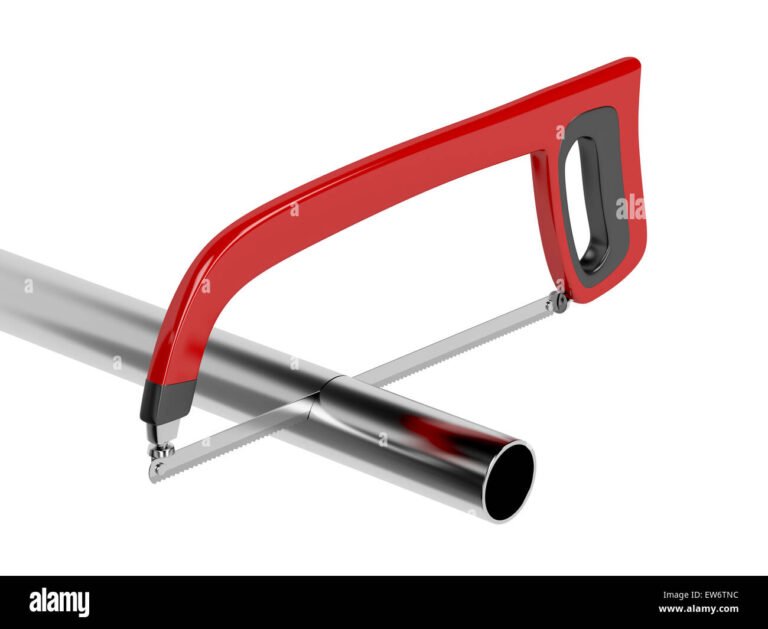
Tubing cutter vs hacksaw: Compare speed, cut quality, cost and when to use each—get quick expert tips to pick the best tool for plumbing and DIY projects.