Use a utility knife safely by keeping a sharp blade, a stable surface, and controlled cuts.
I have used utility knives for years in workshops and on job sites. I know the small risks and the simple moves that stop most accidents. This guide explains how to use a utility knife safely in clear steps. You will learn what to check, how to hold and cut, blade-change tips, and real-life lessons I learned the hard way. Read on for easy, practical advice you can apply right away.

Why safety matters when using a utility knife
Utility knives are common tools. They are cheap, sharp, and easy to underestimate. Knowing how to use a utility knife safely reduces cuts, lost work time, and medical bills. Small slips can cause deep wounds. Simple habits keep you and others safe on every job or DIY task.
Know your utility knife: types and parts
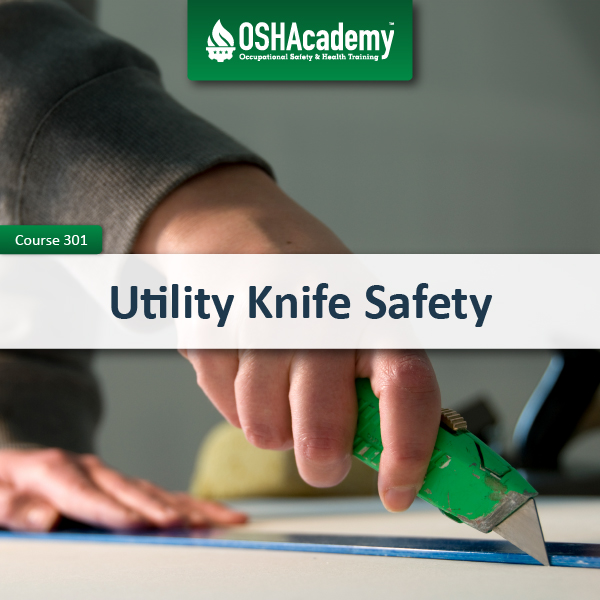
Understanding your tool is step one for how to use a utility knife safely.
- Fixed-blade knives
- Have a permanent blade. They feel solid and need careful storage.
- Retractable-blade knives
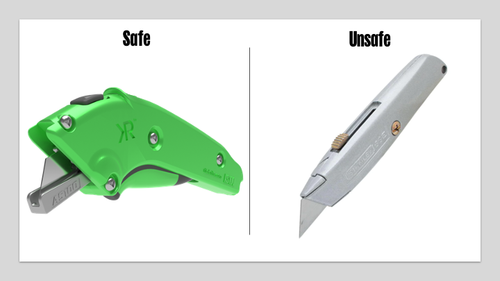
- Let you retract the blade when not in use. They are safer for pockets and toolboxes.
- Snap-off blade knives
- Have segmented blades that you snap off to reveal fresh edges.
Key parts to know:
- Blade — the sharp edge you cut with.
- Handle — where you hold the knife.
- Blade lock or slider — keeps the blade from moving.
- Blade storage or cartridge — holds spare blades.
Pick a knife that fits your hand and task. A secure lock matters more than style.
Step-by-step: how to use a utility knife safely
Follow these steps every time you use a utility knife to stay safe.
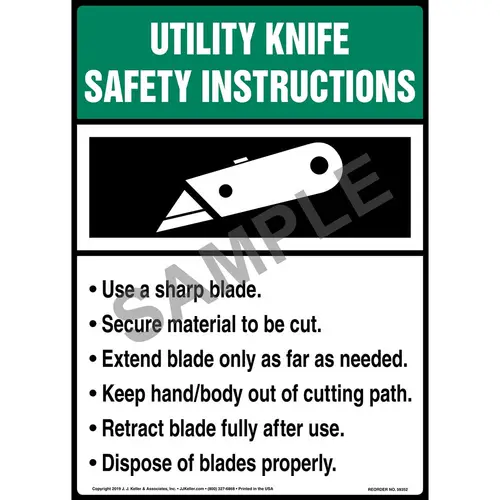
- Inspect the knife and workspace
- Check the blade for rust or chips.
- Confirm the lock works and the handle is intact.
- Clear your work area of clutter and tripping hazards.
- Choose the right blade and depth
- Use a fresh, sharp blade for cleaner cuts and less force.
- Set the blade length just long enough to cut the material.
- Position your body and material
- Stand balanced with feet shoulder-width apart.
- Hold the material on a stable surface or use a clamp.
- Grip the knife correctly
- Hold the handle firmly but not tight.
- Keep fingers away from the blade path.
- Cut with controlled, away-from-body strokes
- Cut away from your body and hands.
- Use short, steady strokes. Do not use one long forceful pull.
- Retract or cover the blade when done
- Retract the blade or fit the cap immediately.
- Store the knife in a safe place, out of reach of children.
Practicing these steps makes them second nature. Repeat them until they feel like habit.
Blade changing and maintenance
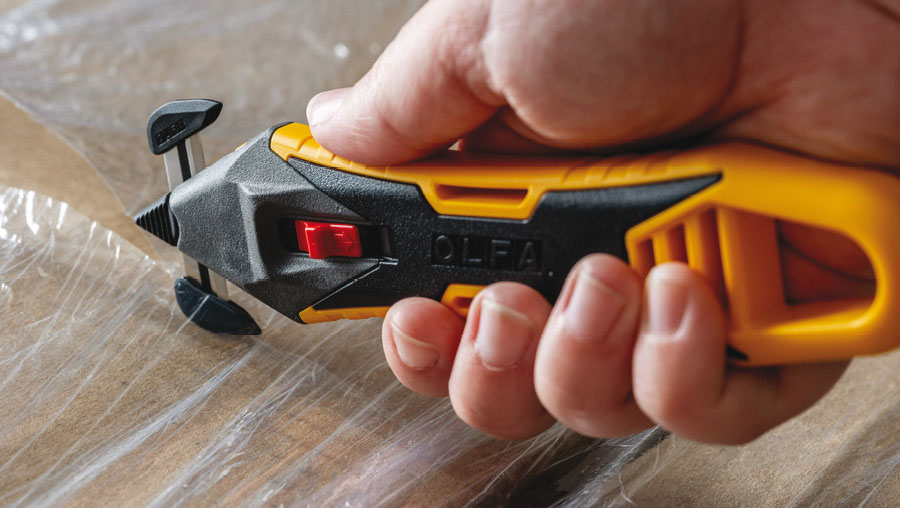
Changing and caring for blades is a big part of knowing how to use a utility knife safely.
- Change blades safely
- Retract the blade fully and lock the knife before opening.
- Use pliers or a cloth when handling a used blade to avoid cuts.
- Follow the knife maker’s instructions for blade removal and insertion.
- Dispose of used blades properly
- Use a blade bank, metal tin, or wrap blades in heavy tape before discarding.
- Never toss loose blades into trash where hands might reach.
- Keep blades sharp
- A sharp blade cuts with less force. Replace blades often.
- Clean and inspect
- Wipe the handle and slider free of dirt and adhesive.
- Inspect the lock and replace the knife if it fails.
A clean, sharp knife is a safe knife. Treat blade changes like part of the job.
Protective gear and work setup
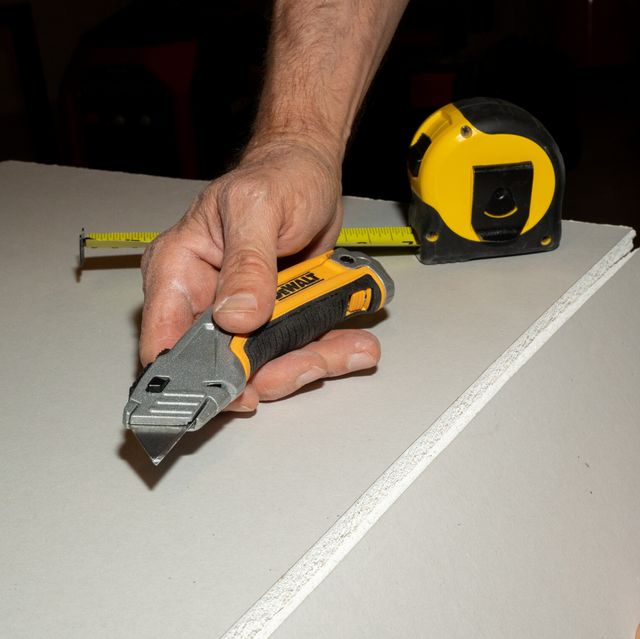
Good setup cuts risk by a wide margin when learning how to use a utility knife safely.
- Wear gloves when appropriate
- Use cut-resistant gloves for slippery or tough jobs.
- Avoid heavy gloves that reduce finger control when precision is needed.
- Eye protection
- Wear safety glasses when cutting brittle or springy materials.
- Use a cutting mat or scrap board
- Protect the work surface and keep the blade from grabbing.
- Clamp materials
- Use clamps to hold items instead of your free hand.
- Keep first-aid nearby
- A small kit and knowledge of basic bandaging helps if a slip happens.
Set up like a pro. A small habit like clamping saves big trouble.
Common mistakes and how to avoid them
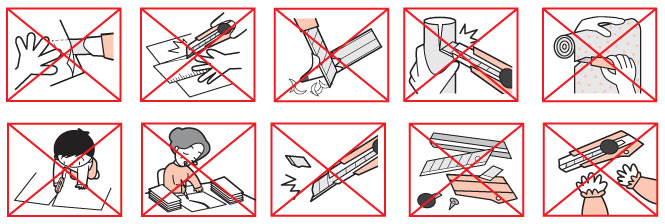
I once tried to pry with a utility knife and cut my thumb. I learned three lessons: use the right tool, don’t force a dull blade, and never hold the item in a way that puts fingers in the blade path.
Common mistakes:
- Using a dull blade
- Dull blades force more pressure and slip. Replace blades early.
- Cutting toward the body
- This is a primary cause of serious cuts. Always cut away.
- Not securing the material
- Holding the piece invites accidents. Clamp instead.
- Ignoring blade locks
- A loose blade can shoot out. Test the lock before use.
How to avoid them:
- Choose the right tool for the job.
- Replace blades more often than you think.
- Keep your free hand well away from the cut line.
- Respect the knife — treat it like a tool that can injure.
These simple fixes prevent most common injuries.

People also ask — quick answers
Here are short answers to common quick questions that help explain how to use a utility knife safely.
How long should a utility knife blade be?
Set the blade length just long enough to cut the material. Longer blades increase wobble and risk.
Is a sharp blade safer than a dull one?
Yes. A sharp blade cuts with less force and is less likely to slip, making it safer when used correctly.
Can I use a utility knife for prying?
No. Utility knives are for cutting. Use a pry bar or chisel for prying to avoid breaking the blade or causing injury.
Frequently Asked Questions of how to use a utility knife safely
What is the safest way to hold a utility knife?
Hold the handle firmly with your dominant hand, keep your wrist straight, and keep your other hand away from the cutting line. Use a clamp to secure the material.
How often should I change the blade?
Change the blade as soon as it feels dull or requires extra force. For heavy use, change blades daily or as needed.
Can I use a utility knife without gloves?
Yes for light tasks, but wear thin cut-resistant gloves for slippery or tough jobs. Gloves add protection without losing control if you choose the right type.
How do I store used blades?
Store used blades in a dedicated blade bank, metal tin, or wrap the blades in heavy tape before throwing them away. Never leave loose blades in trash.
What should I do if I cut myself?
Stop the bleeding and apply pressure, clean the wound, and bandage it. Seek medical help for deep or wide cuts.
(End of FAQs)
Conclusion
You can work cleanly and avoid injury by following simple rules for how to use a utility knife safely. Inspect the knife, use a sharp blade, position your body, cut away from yourself, and store blades safely. My real-world mistakes taught me that respect for a small tool keeps you working longer and safer. Try these steps on your next job, and share your results or questions below. If this helped, subscribe or leave a comment to learn more tips and tricks.