CPVC is best for hot water; PVC is cheaper and fine for cold water and drain lines.
I have worked on many home plumbing projects and inspected hundreds of pipes. In this guide I break down cpvc vs pvc pipe for home plumbing with clear pros, cons, and real-world tips. You will learn when to choose CPVC or PVC, how they differ in material and installation, and what to avoid when you buy or install them. Read on to make a smart, code-friendly choice for your home.

Comparison overview: cpvc vs pvc pipe for home plumbing
Choosing between CPVC and PVC starts with the job you need done. CPVC is a chlorinated form of PVC that stands up to higher heat and is common for hot water lines. PVC is rigid, cost-effective, and widely used for cold water and drain, waste, and vent (DWV) systems. In short, cpvc vs pvc pipe for home plumbing boils down to temperature needs, budget, and local code rules.
Material and composition
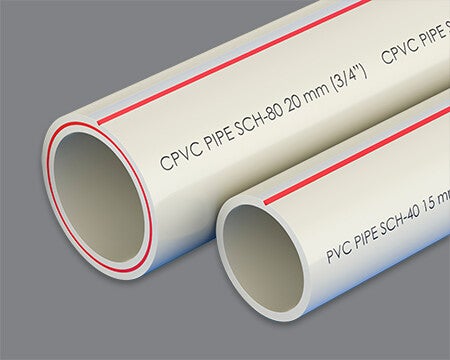
CPVC stands for chlorinated polyvinyl chloride. The extra chlorine in CPVC changes the molecular structure and raises the temperature tolerance. PVC stands for polyvinyl chloride and is less suited to high heat but is strong and chemically resistant. When comparing cpvc vs pvc pipe for home plumbing, know that they look similar but have different chemical makeup and approved uses.

Temperature and pressure performance
Temperature limits are a key difference. CPVC can handle hot water up to typical service temps around 180°F to 200°F in many applications, making it appropriate for most residential hot lines. PVC is rated for lower temps and is not recommended for hot potable water; using PVC for hot lines can lead to warping or failure. Pressure ratings also vary by schedule and diameter, so check the pipe schedule and local code before selecting between cpvc vs pvc pipe for home plumbing.

Installation and joining methods
Joining CPVC and PVC uses solvent cement, but the formulas differ. CPVC cement is made for chlorinated material and often requires a primer and specific cure times. PVC cement is for standard PVC, and mixing the two cements or using the wrong primer can weaken joints. For DIY and pros alike, follow manufacturer instructions and local code when working with cpvc vs pvc pipe for home plumbing.
Durability and longevity
Both materials resist corrosion and many chemicals, so they outlast some metal pipes in many settings. CPVC resists heat-related creep better than PVC. PVC is durable for cold water and drainage and can last decades when installed properly. When thinking about cpvc vs pvc pipe for home plumbing, factor in water temperature, UV exposure, and mechanical stress to estimate service life.

Cost, availability, and tools
Cost matters for most homeowners. PVC is almost always less expensive per foot than CPVC. CPVC costs more but can save money long-term by avoiding failures on hot-water lines. Both are widely available at home centers, but specific fittings or colors may vary. If your project focuses on cost, weigh the long-term risks when comparing cpvc vs pvc pipe for home plumbing.
Health, safety, and code considerations
Potable water safety is a top concern. Both CPVC and PVC manufactured for potable use meet standards when installed correctly. Local plumbing codes often restrict PVC for hot potable water; CPVC is usually allowed for hot and cold potable water. Always check codes and labels, because mixing materials or ignoring code for cpvc vs pvc pipe for home plumbing can lead to failed inspections or unsafe conditions.
Environmental impact and recyclability
Both plastics have environmental costs in production. PVC production and disposal have raised concerns due to additives and chlorine content. CPVC shares some of those issues but can extend the life of plumbing systems when used properly. If sustainability is a priority, consider long-term use, repairability, and available recycling programs when choosing between cpvc vs pvc pipe for home plumbing.
Practical tips, common mistakes, and my experience
I have replaced hot-water runs where PVC was used incorrectly. The pipes showed softening and leaks after a few years. From that work I learned these key tips:
- Use the right cement for the material. Apply primer and allow cure time per instructions.
- Match fittings and pipe types. Do not mix CPVC and PVC in pressurized potable lines without approved adapters.
- Protect plastic pipes from UV and direct sun. Use insulation for hot-water lines to prevent heat loss.
- Check local code early. Some codes require metal or approved alternatives in exposed areas or for fire resistance.
These tips come from hands-on work and building-code checks. If you are unsure, call a licensed plumber to avoid costly mistakes in the cpvc vs pvc pipe for home plumbing decision.
When to choose CPVC vs PVC: quick scenarios
Here are simple rules I use in the field:
- Use CPVC for interior hot-water distribution and mixed hot-cold manifolds.
- Use PVC for cold-water supply, irrigation, and DWV drainage.
- Use CPVC where space heats above normal room temperature or where hot water will run regularly.
- Use PVC where cost and chemical resistance to certain drain chemicals are priorities.
These rules help avoid cross-application mistakes and simplify materials purchasing for projects involving cpvc vs pvc pipe for home plumbing.
Frequently Asked Questions of cpvc vs pvc pipe for home plumbing
What is the main difference between CPVC and PVC?
The main difference is that CPVC is chlorinated, which gives it higher heat resistance. PVC is fine for cold-water and drainage but not recommended for hot potable water.
Can I use PVC for hot water lines?
No, PVC is not recommended for hot potable water. CPVC or other hot-rated materials are better choices for hot water distribution.
Are CPVC and PVC joints compatible?
No, their solvent cements and primers are formulated differently. Use fittings and cements specified for each material to ensure strong joints.
Which is more expensive, CPVC or PVC?
CPVC typically costs more per foot than PVC. The extra cost reflects its higher heat tolerance and suitability for hot-water use.
Do building codes allow mixing CPVC and PVC?
Codes vary, but most require approved adapters and proper methods to join different materials. Always check local codes and use listed products when mixing.
Conclusion
CPVC and PVC both have good uses in home plumbing. CPVC is the clear choice for hot potable water and higher temperatures. PVC wins on cost for cold water, irrigation, and drainage. Match the pipe to the job, use the right cement and fittings, and follow local code to avoid problems. Take action: review your project plans, check your local code, and choose the right pipe with confidence—then get to work or call a pro if you need help.