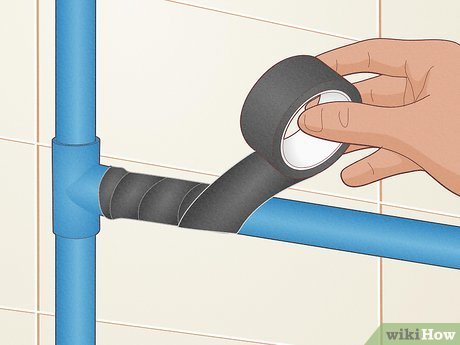
Manual pipe cutter offers control; powered pipe cutter delivers speed and consistent cuts.
I’ve cut hundreds of pipes in homes and on job sites, so I know the real trade-offs between a manual pipe cutter vs powered pipe cutter. This guide breaks down how each tool works, when to pick one, safety tips, buying advice, and practical steps you can use right away. Read on to make a confident choice for your next plumbing, HVAC, or DIY job.
Manual vs. Powered: Basic definitions and how they work
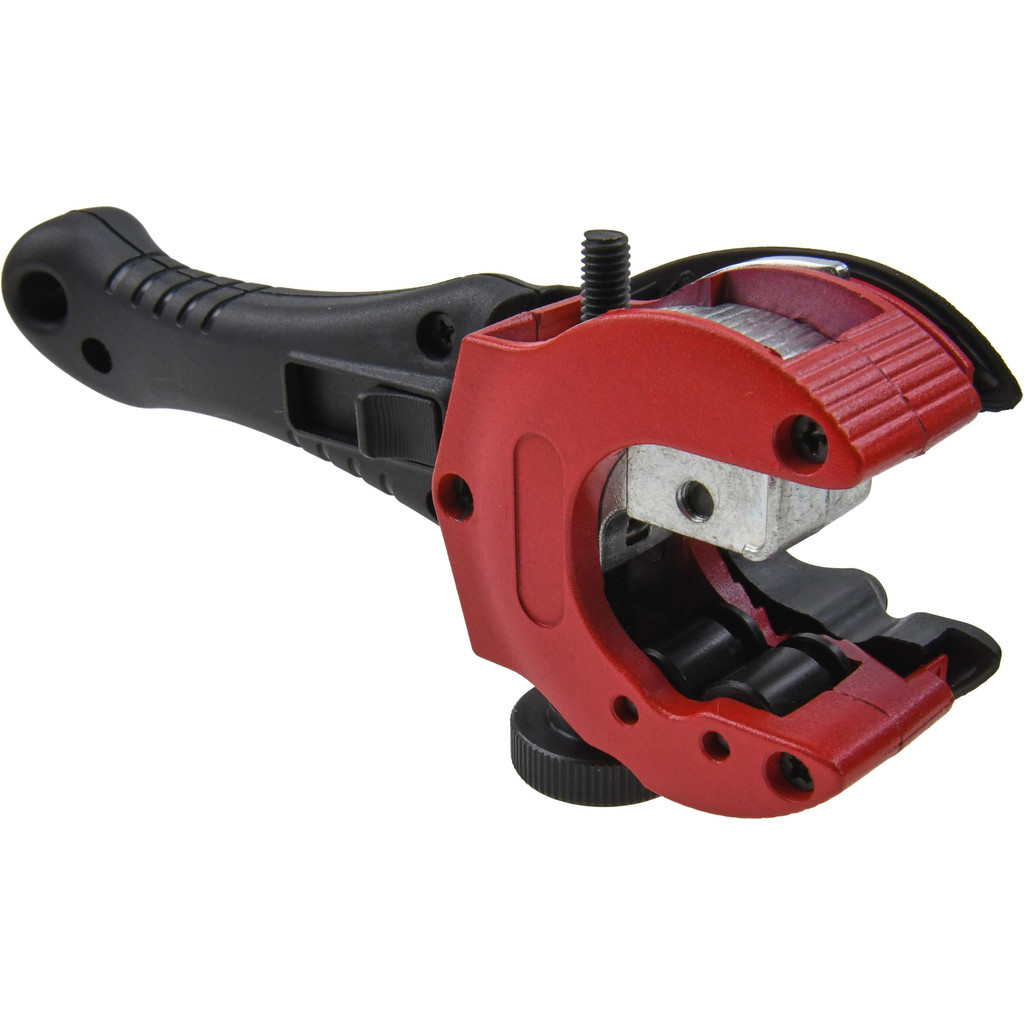
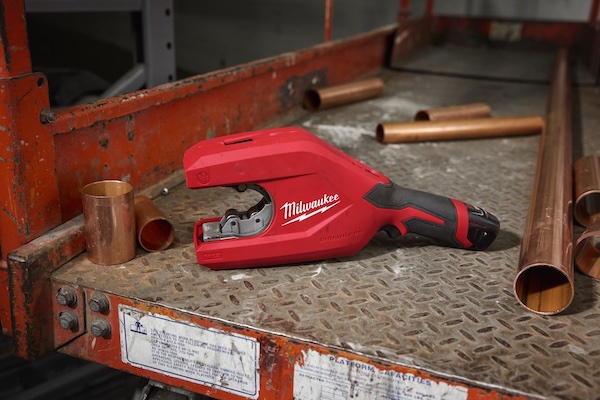
A manual pipe cutter is a hand tool that uses a rotating wheel and adjustable frame to score and sever pipe by turning the cutter around the pipe. It relies on human force and control. A powered pipe cutter uses electricity, battery, or compressed air to spin a blade or wheel and cut with less manual effort and often faster speed.
Both tools can cut copper, PVC, PEX, and steel, but models vary by material and blade type. Knowing what each does helps match the tool to the job. I’ve used both many times; each has clear strengths and limits.

Key differences: speed, precision, cost, and portability
Speed
- Manual pipe cutter vs powered pipe cutter: powered ones are faster for long runs and thicker pipe.
- Manual cutters work well for a few cuts in tight spots.
Precision
- Manual cutters let you feel the cut and adjust pressure. This is useful for delicate fittings.
- Powered cutters can give consistent, square cuts when set up right.
Cost and maintenance
- Manual cutters usually cost less and need little maintenance. Replace wheels occasionally.
- Powered cutters cost more and need battery care, motor upkeep, and safety checks.
Portability
- Manual cutters are light and easy to carry. They fit in tool belts.
- Powered cutters add weight and may need power or batteries. They suit job sites with supply access.
When I plan jobs, I pick manual cutters for small, precise work and powered cutters for volume and speed. The choice often comes down to job size and access.

Performance by material and pipe type
Copper and brass
- Manual pipe cutter vs powered pipe cutter: both cut copper well, but manual gives cleaner, burr-free finishes for thin copper tube.
- For many cuts on thicker copper, a powered cutter speeds the work.
PVC and CPVC
- Powered cutters handle long runs quickly. Manual cutters work fine for occasional cuts.
- For plastic, watch blade type to avoid melting.
Steel and stainless
- Manual cutters for steel require tougher, specific wheels and more effort.
- Powered pipe cutter models made for metal save huge time on steel and stainless.
PEX and soft tubing
- Manual cutters designed for plastic give quick, clean cuts without crushing.
- Powered tools are overkill for a few PEX cuts and may damage soft tubing if used wrong.
Which one to use depends on the pipe type, number of cuts, and desired finish. In my experience, powered cutters shine on metal and many cuts; manual wins for thin-wall tubing and precision.
Quick PAA-style questions about materials
Which cutter is best for copper tubing?
Manual cutters offer precise, square cuts on copper tubing and tend to leave smaller burrs. For many repetitive cuts, a powered cutter set up correctly will save time.
Can powered cutters damage soft plastic pipes?
Yes, if the blade is wrong or speed/pressure is too high, powered cutters can crush or melt soft plastic. Use the correct blade and a steady feed rate.
Do you need special wheels for steel?
You do. Cutting steel requires hardened cutting wheels designed for ferrous metals to avoid rapid wear and unsafe operation.
Safety, maintenance, and lifespan
Safety practices
- Manual pipe cutter vs powered pipe cutter: both need eye protection, gloves, and stable support for the pipe.
- Powered cutters add electrical or battery risks and pinch hazards; follow the manual.
Maintenance
- Manual cutters need wheel replacement and occasional lubrication of the screw. Keep them clean.
- Powered cutters need battery care, motor checks, and blade or wheel replacement. Keep vents clean.
Lifespan and durability
- A well-made manual pipe cutter can last decades with simple care.
- Powered pipe cutter lifespan depends on use, motor quality, and maintenance. Heavy use reduces life.
From my hands-on work, routine checks extend tool life. I keep spare wheels and a small service kit in my truck. That saves delays when a wheel wears out on site.
How to choose: decision guide and real scenarios
Consider these factors when choosing between manual pipe cutter vs powered pipe cutter:
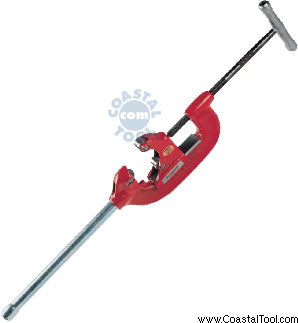
- Job scale: Use powered cutters for many cuts or large-diameter metal. Use manual for a few cuts and tight access.
- Material: Match the cutter to pipe material and wall thickness.
- Budget: Manual cutters are cheap to buy and keep. Powered cutters are costlier up front.
- Portability: Choose manual for remote or cramped jobs without power.
- Precision needs: Manual cutters allow finer control for delicate fittings.
Scenario examples
- Home copper repair under a sink: Choose a manual pipe cutter for control and low cost.
- Multi-unit remodel cutting dozens of copper runs: Choose powered to save hours.
- Outdoor field repair with no power: Manual is best for portability.
These choices reflect my job experience. I advise listing the number of cuts and the pipe materials before buying or renting a tool.
Practical tips and how to use each tool safely
Using a manual pipe cutter
- Secure the pipe in a vise or hold firmly.
- Place the cutter wheel against the mark and tighten snugly.
- Rotate the cutter around the pipe while gradually tightening the knob.
- Finish with a deburring tool if needed for clean fittings.
Using a powered pipe cutter
- Check the blade and guard. Wear eye and ear protection.
- Clamp the pipe where possible and start the cutter at low pressure to align the cut.
- Keep a steady feed and let the tool do the work. Do not force the blade.
Common mistakes to avoid
- Over-tightening a manual cutter and crushing the pipe.
- Rushing with a powered cutter and producing uneven cuts or heat damage.
- Using the wrong wheel for the pipe material.
I once ruined a brass fitting by over-tightening a manual cutter. Since then, I use gentle, even pressure and check fit often. That simple habit prevents wasted parts.
Buying guide: features to look for and recommended specs
Look for these features when buying a cutter:
- Cutter wheel quality: hardened steel or carbide for metal work.
- Adjustable range: check the minimum and maximum pipe sizes.
- Ergonomics: comfortable handles and easy knob turns for manual cutters.
- Power and battery life: for powered cutters, prioritize battery runtime and quick swaps.
- Spare parts availability: wheels, blades, and batteries should be easy to replace.
Budget tips
- Buy a mid-range manual cutter for occasional work.
- Rent powered cutters for one-off large jobs if you don’t need them often.
- Buy from brands with good parts availability to extend tool life.
I keep one high-quality manual cutter and rent powered models for big jobs. It balances cost and performance for a small shop.
Personal experience, lessons learned, and practical recommendations
From years on job sites, here’s what I learned:
- Start with the right tool for the job. Using a powered cutter where a manual one belongs wastes money and risks damage.
- Keep spare wheels and a deburring tool close. A worn wheel is the top cause of bad cuts.
- Practice makes a big difference. I trained an apprentice to use a manual pipe cutter; his cuts became faster and cleaner in a day.
- Safety first. A rushed cut is more dangerous than the time saved.
A tip I share often: for mixed jobs bring both tools. Use the manual pipe cutter vs powered pipe cutter as needed. That approach keeps work smooth and saves time and parts.
Frequently Asked Questions of manual pipe cutter vs powered pipe cutter
Which is better for home plumbing repairs: manual or powered?
For most home plumbing repairs, a manual pipe cutter is better due to its low cost, portability, and precision. Use powered cutters if you have many cuts or thick metal pipes.
Can a manual pipe cutter make perfectly square cuts?
Yes, a manual pipe cutter can make square cuts when used correctly and rotated evenly. Finish with a deburring tool to ensure a clean edge.
Are powered pipe cutters safe for beginners?
Powered pipe cutters are safe when used per instructions, with proper PPE and practice. Beginners should start slow and clamp the pipe to avoid slips.
How often should I replace the cutting wheel?
Replace the cutting wheel when you notice dullness, rough edges, or extra force is needed to cut. With heavy use, expect to replace wheels more often.
Is renting a powered cutter a good idea for one-time jobs?
Renting a powered cutter is a smart choice for one-time jobs or to test the tool before buying. It saves cost and gives you access to professional-grade power.
Conclusion
Choosing between a manual pipe cutter vs powered pipe cutter comes down to the job. Manual cutters win on precision, cost, and portability, while powered cutters excel at speed and heavy-duty metal work. Use the decision guide here, follow the safety tips, and keep spare wheels and deburring tools on hand to get clean, reliable cuts.
Take action: list your typical tasks, consider how many cuts you make, and decide whether to buy, rent, or carry both tools. Share your experience or questions in the comments — I’ll reply with practical tips from real job-site use.