A tool backpack beats a rolling tool box for tight spaces, but choice depends on job needs.
I’ve spent years hauling gear across jobsites and in vans, so I know the real differences between a tool backpack vs rolling tool box. This article breaks down performance, comfort, durability, and cost so you can choose the right system for your work and lifestyle. Read on for clear comparisons, real-world tips, and buying advice that make the decision simple.
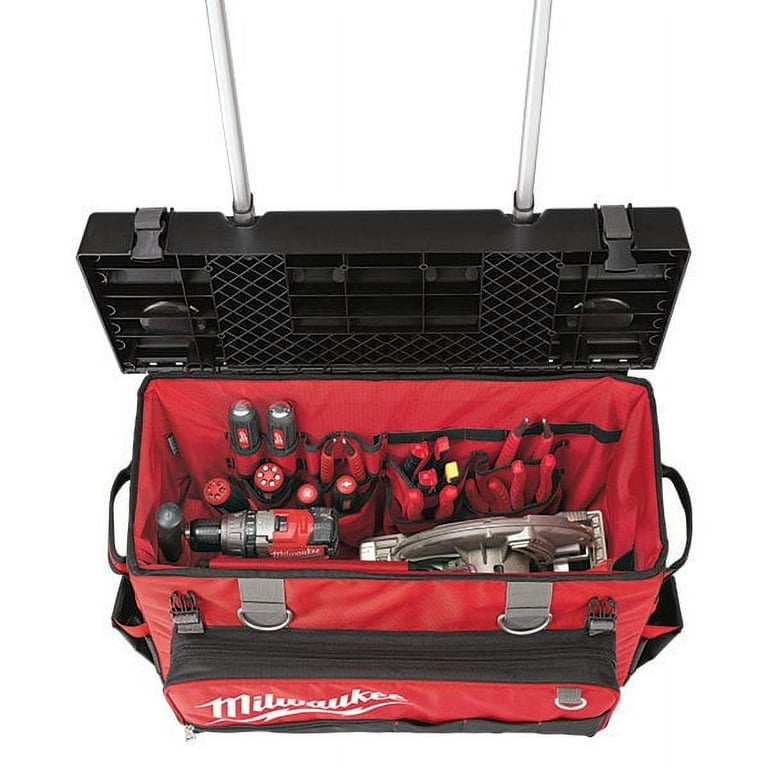
Tool backpack vs rolling tool box — quick side-by-side comparison
A clear comparison helps you match storage to your routine. Below are the main advantages and trade-offs for tool backpack vs rolling tool box.
- Mobility and access: Tool backpacks let you walk and reach tools on ladders and tight spaces. Rolling tool boxes move heavy loads easily on flat ground.
- Weight and fatigue: Backpacks concentrate weight on your body and can cause fatigue on long hauls. Rolling tool boxes remove load stress but require smooth surfaces.
- Capacity and organization: Rolling tool boxes usually offer larger capacity and fixed trays. Tool backpacks provide compartmentalized pockets for fast access.
- Durability and weather: Many rolling tool boxes are built from rigid plastic or metal and resist wear. High-end tool backpacks use heavy fabric and water-resistant zippers.
- Cost and portability: Backpacks are often cheaper and more portable. Rolling tool boxes cost more but last longer for heavy-duty use.
This comparison shows why the tool backpack vs rolling tool box debate depends on how you work. If you move between tight spaces, favor a tool backpack; if you haul heavy gear over flat areas, a rolling tool box may be better.

Key factors to weigh when choosing tool backpack vs rolling tool box
Match the tool system to your tasks by reviewing these factors.
-
Jobsite terrain and access
- If you work on stairs, roofs, or uneven ground, a tool backpack solves access problems.
- If you spend time on garages or warehouses, a rolling tool box shines.
-
Load size and frequency
- Backpacks suit moderate tool sets and frequent short trips.
- Rolling tool boxes handle bulkier tool sets and heavy loads.
-
Ergonomics and health
- Backpacks must fit well; bad fit causes back strain.
- Rolling tool boxes reduce lift stress but can force bending to reach lower drawers.
-
Weather and protection
- Rigid rolling tool boxes protect fragile tools from rain and dust.
- Choose waterproof fabric and sealed zippers for backpacks used outdoors.
-
Organization and speed
- Backpacks with pockets let you reach often-used items quickly.
- Rolling tool boxes with drawers help find things fast on-site without unpacking.
-
Transport and storage
- Backpacks store in van seats or on shelves easily.
- Rolling tool boxes need floor space and may be secured in trucks.
-
Cost and lifecycle
- Backpacks are budget-friendly but may wear sooner.
- Rolling tool boxes cost more up front but often last many years.
Considering these factors will help you be confident choosing between tool backpack vs rolling tool box. Think about where you work, what you carry, and how often you move tools.
Pros and cons: detailed look at each option
Below I expand on practical advantages and limits to help with real decisions.
Tool backpack pros
- Portability and access: Carry tools to places a wheeled box can’t reach.
- Quick reach: Pockets keep your most-used tools within seconds.
- Lightweight options: Many models are compact for daily commuters.
- Lower upfront cost: Good backpacks can be affordable.
Tool backpack cons
- Weight on your body: Heavy loads cause fatigue or injury.
- Limited capacity: Not ideal for large power tools or many items.
- Weather vulnerability: Unless rated waterproof, contents can get wet.
Rolling tool box pros
- Heavy load capacity: Ideal for large power tools and many accessories.
- Reduced physical strain: Wheels spare your back and shoulders.
- Strong protection: Rigid shells shield tools from drops and weather.
- Better long-term value: Built to last for heavy use.
Rolling tool box cons
- Limited access on rough terrain: Stairs and steep surfaces are a problem.
- Larger footprint: Needs storage space and a flat surface to roll.
- Higher cost and weight: More investment and bulk to move in vehicles.
When comparing tool backpack vs rolling tool box, the pros and cons show the clear trade-offs between mobility and capacity.

Use cases: who should pick a tool backpack vs rolling tool box
Match use cases to the best tool storage option.
-
Electricians and telecom techs
- Often prefer tool backpacks for tight attic and pole work.
- A compact rolling tool box may be useful for trucks or base stations.
-
Plumbers and HVAC techs
- Use both: backpacks for quick site visits, rolling tool boxes for heavy parts and large tools.
-
General contractors and carpenters
- Favor rolling tool boxes for jobsite bases and vans.
- Backpacks are handy for quick checks or small tasks.
-
DIYers and homeowners
- Backpacks work well for light projects and yard tasks.
- Rolling tool boxes help for garage-based workshop organization.
-
Mobile service providers
- If you move tools from vehicle to site frequently, a hybrid approach often works best.
These scenarios clarify when to choose a tool backpack vs rolling tool box based on daily tasks and work style.

Practical tips and personal experience with tool backpack vs rolling tool box
I’ve carried a heavy backpack across job sites and used rolling tool boxes on long jobs. Here are lessons learned.
- Fit matters for backpacks: Use adjustable straps and a waist belt. A snug fit reduces shoulder pain.
- Balance loads: Place heavier items low and centered to prevent tipping or strain.
- Use modular pouches: Removable organizers make it easy to swap tasks without repacking.
- Protect fragile gear: For rolling tool boxes, add foam liners in drawers for small electronics.
- Check wheels and handles: Replace worn wheels early to avoid hard hauls and breakdowns.
- Combine systems: I keep a well-packed tool backpack for daily trips and a rolling tool box in the van for bulk tasks.
A hybrid setup often solves the tool backpack vs rolling tool box dilemma: backpack for reach, rolling box for bulk.

Buying guide: features to look for in either system
Look for these concrete features before you buy.
-
Materials and build quality
- Backpacks: 600D or higher fabric, sealed zippers, reinforced base.
- Rolling boxes: impact-resistant plastic or metal, rust-proof hardware.
-
Comfort and ergonomics
- Padded shoulder straps and lumbar support for backpacks.
- Telescoping handles sized to your height for rolling boxes.
-
Wheels and mobility
- All-terrain wheels for rough jobs.
- Swivel casters improve maneuverability in tight spaces.
-
Organization and expandability
- Multiple pockets, removable pouches, and internal dividers for backpacks.
- Lockable drawers and trays for rolling tool boxes.
-
Security and weather resistance
- Lock options and seals to keep tools safe and dry.
- Consider models with keyed locks or padlock hasps.
-
Weight and capacity ratings
- Check manufacturer weight limits and test load handling before buying.
-
Warranty and repairs
- Longer warranties often indicate better build quality and service.
Use these criteria to evaluate any option in the tool backpack vs rolling tool box decision.
Maintenance and care for longevity
Proper care extends the life of both systems.
- Clean regularly: Brush out dirt and wipe down surfaces after each job.
- Inspect seams and hardware: Repair tears and replace broken zippers or wheels early.
- Lubricate moving parts: Keep wheels and telescoping handles smooth.
- Store properly: Keep rolling tool boxes on flat surfaces and backpacks hung up to dry.
- Rotate heavy loads: Prevent one tool from wearing a pocket or drawer unevenly.
Good maintenance reduces replacement costs and keeps tools protected no matter which system you choose.

Common quick questions people ask about tool backpack vs rolling tool box
What is better for daily light work: a tool backpack or rolling tool box?
- For daily light work and quick site visits, a tool backpack is better because it grants easy access and portability.
Can a rolling tool box replace all backpacks for contractors?
- Not always; rolling tool boxes handle bulk but fail on stairs and tight spaces, so many contractors use both.
Are tool backpacks bad for your back?
- Heavy or poorly fitted backpacks can strain your back; choose ergonomic designs and limit weight to avoid injury.
Is a rolling tool box worth the investment?
- If you carry heavy tools often, a rolling tool box pays off by reducing strain and protecting gear, making it worth the investment.
How do I protect tools from rain in a backpack?
- Use waterproof backpacks, added rain covers, or store sensitive items in sealed pouches to keep them dry.
[No CodeImg here per guidelines]
Frequently Asked Questions of tool backpack vs rolling tool box
Which is lighter to carry, a tool backpack or a rolling tool box?
A tool backpack is lighter to transport for short distances but can feel heavy on your shoulders. A rolling tool box offloads weight to wheels but requires flat surfaces to move easily.
Can I take a rolling tool box up stairs safely?
Taking a rolling tool box up stairs is risky and difficult; use a stair cart or team lift. For frequent stair use, a tool backpack is a safer option.
How do I choose between organization options?
Choose a backpack with many pockets for small tools and quick reach; pick a rolling tool box with drawers and trays for larger inventories. Consider removable organizers for flexibility.
Are rolling tool boxes more secure than backpacks?
Rolling tool boxes often have lockable drawers and a rigid shell, making them more secure against theft and damage than most backpacks. Backpacks can be locked with small padlocks but offer less physical protection.
Can I combine both systems effectively?
Yes, combining a tool backpack for immediate access and a rolling tool box for bulk storage is a common, effective strategy used by many professionals.
Conclusion
Choosing between a tool backpack vs rolling tool box comes down to where you work, how much you carry, and how you move. Backpacks win for tight spaces, quick access, and portability; rolling tool boxes win for heavy loads, protection, and long-term durability. My recommendation: assess your daily routes, try fitting your typical load into both systems, and consider a hybrid approach if you need the best of both worlds. Take action today by listing your top tools and testing a backpack and rolling box with that exact load — then pick the system that makes your work easier and safer. Leave a comment with your use case or subscribe to get more tool-storage tips.