Cold chisels are for cutting metal; wood chisels are for shaping wood with cleaner, finer control.
If you have ever stood in a shop with both tools in hand, the difference feels obvious fast. The cold chisel vs wood chisel choice is not just about the material you cut. It affects safety, finish quality, tool life, and the kind of work you can do well. I have used both in real projects, and the wrong one can ruin a job in seconds, while the right one makes the work feel almost effortless.
Cold Chisel vs Wood Chisel: What Each Tool Is Made For
A cold chisel is built to cut hard materials like metal, rivets, bolts, and masonry. It has a thick, tough blade and a strong edge that can take hammer blows without folding too easily. A wood chisel, on the other hand, is designed for carving, trimming, and joining wood with precision.
The biggest difference in the cold chisel vs wood chisel debate is purpose. One is made for impact and force. The other is made for control and clean cuts. If you use a cold chisel on wood, you will usually crush the fibers instead of slicing them. If you use a wood chisel on steel, you will likely damage the edge fast.
From my own shop experience, this is one of those tool decisions that saves time when you respect it. I once watched a beginner try to remove a stubborn metal bracket with a wood chisel. The edge rolled almost immediately. That kind of mistake is common, and it is exactly why knowing the cold chisel vs wood chisel difference matters.
What Is a Cold Chisel?
A cold chisel is a hand tool made from hardened steel. It is used for cutting metal when the metal is not heated, which is why it is called “cold.” Its edge is usually wide and angled to break or split material instead of slicing it like a knife.
Cold chisels are common in automotive repair, metal fabrication, construction, and demolition. They are often struck with a hammer or mallet, and they are built to absorb that force. Many have a slightly larger body and a tougher tip than wood chisels.
Common uses include:
- Cutting bolts, nuts, and rivets
- Removing rusted fasteners
- Trimming sheet metal
- Chipping small sections of metal
- Breaking up stone or masonry in some jobs
The cold chisel vs wood chisel comparison starts here with strength. A cold chisel is less about finesse and more about impact. It is a workhorse.
What Is a Wood Chisel?
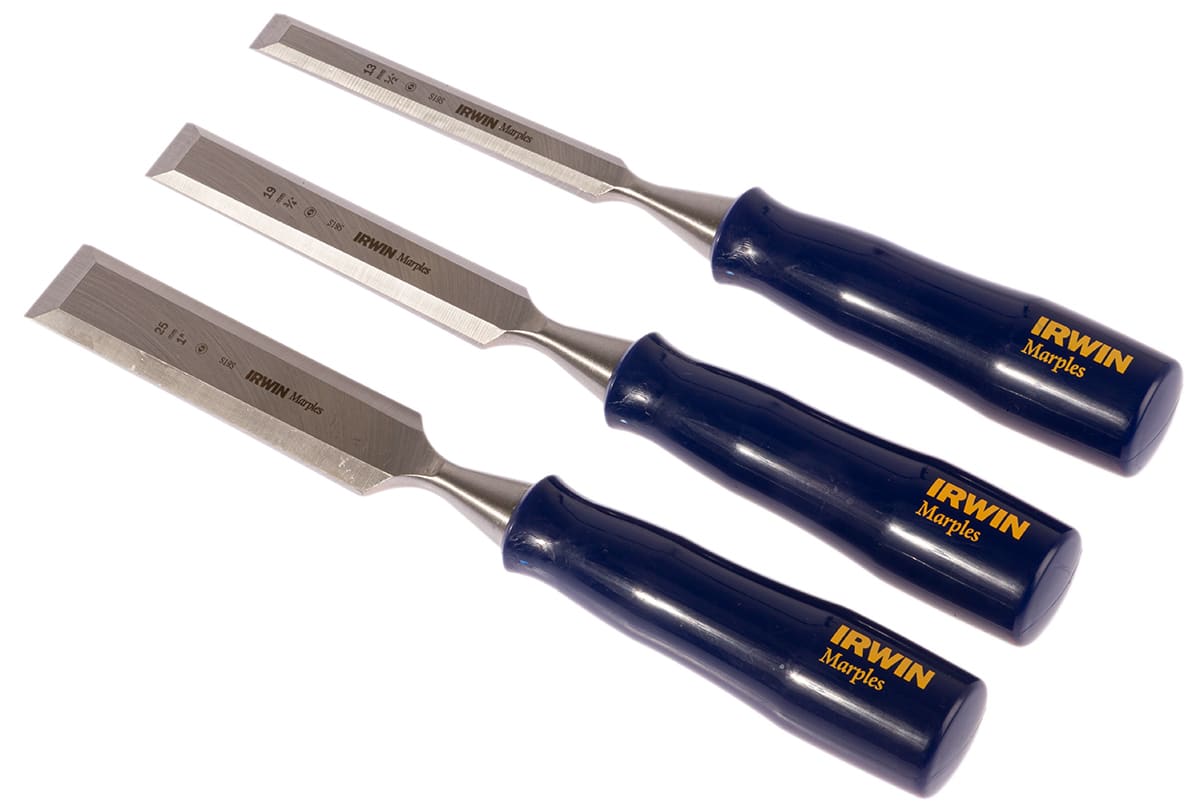
A wood chisel is designed to cut wood cleanly and accurately. It has a sharp blade, usually thinner than a cold chisel, and a handle made for comfortable hand control. Some wood chisels are struck with a mallet, while others are pushed by hand for delicate work.
Woodworkers use these tools for joinery, trimming joints, removing waste from mortises, and cleaning edges. A sharp wood chisel can leave a smooth surface and help fit pieces together tightly. That is something a cold chisel simply is not built to do.
Typical uses include:
- Carving and shaping wood
- Cleaning mortises and joints
- Trimming dowels or plugs
- Removing glue squeeze-out
- Fine adjustment in cabinetry and furniture making
In the cold chisel vs wood chisel comparison, the wood chisel wins on precision. It is the tool you reach for when finish matters.
Cold Chisel vs Wood Chisel: Main Differences
The cold chisel vs wood chisel difference becomes clear once you look at how each tool is built and used. They may look somewhat similar at a glance, but their design tells you everything.
Blade shape and angle
A cold chisel usually has a wider and more robust cutting edge. The bevel is meant to survive heavy force and break material apart. A wood chisel often has a sharper, thinner bevel for cleaner slicing through fibers.
Material and hardness
Cold chisels are made for hard, brittle work. Their steel is treated to resist damage from repeated hammering. Wood chisels still need hard steel, but they focus more on edge sharpness and retention than brute durability.
Handle design
Many wood chisels have ergonomic handles made for grip and control. Some have metal caps for light mallet use. Cold chisels often have simpler bodies because the tool itself is expected to take abuse.
Intended force
Cold chisels are struck with more force. Wood chisels can be tapped or pushed gently, depending on the task. That difference changes everything about how they feel in the hand.
Finish quality
A cold chisel leaves rough edges. A wood chisel can leave a neat, clean surface if used well. In a cold chisel vs wood chisel choice, this is often the deciding factor for finish work.
How to Choose the Right Chisel for the Job
The easiest way to choose in the cold chisel vs wood chisel decision is to ask one question: what material am I cutting?
Use a cold chisel when:
- You are working on metal
- You need to remove rusted or stuck parts
- You want to break rather than finely trim
- The task involves force and hammering
Use a wood chisel when:
- You are shaping wood
- You need a clean edge or joint
- You are working on furniture, cabinets, or trim
- Accuracy matters more than brute force
A good rule from the field is simple: if the surface is soft and fibrous, use a wood chisel. If it is hard and metallic, use a cold chisel. Mixing them up usually ends badly.
Safety Tips for Cold Chisel vs Wood Chisel Use
Both tools can be dangerous if used carelessly. Chips can fly, handles can slip, and hands are often close to the cutting edge. Good technique matters more than strength.
Follow these basics:
- Wear safety glasses every time
- Keep your other hand clear of the strike path
- Use the right hammer or mallet
- Inspect the tool for cracks or mushroomed heads
- Clamp the workpiece when possible
- Keep the edge sharp and clean
A lesson I learned early: a dull chisel is not a safer chisel. It often needs more force, and more force means more risk. That applies to both sides of the cold chisel vs wood chisel discussion.
Which Tool Gives Better Results?
The better tool depends on the job, not the brand or price. A cold chisel gives better results on metal because it is built to break hard material cleanly enough for rough work. A wood chisel gives better results on wood because it can shave fibers instead of crushing them.
If your goal is precision joinery, the wood chisel is the clear winner. If your goal is removing a seized bolt or splitting a rivet, the cold chisel is the right pick. That is why the cold chisel vs wood chisel comparison is really about matching tool design to material.
Here is how I think of it:
- Cold chisel: like a hammer’s sharp partner
- Wood chisel: like a surgeon’s hand tool for timber
That simple mental image has saved me from reaching for the wrong tool many times.

Common Mistakes to Avoid
People often run into trouble when they treat these tools as interchangeable. They are not. The wrong choice wastes time and can ruin both the tool and the workpiece.
Avoid these mistakes:
- Using a wood chisel on metal
- Using a cold chisel on fine woodworking
- Striking either tool too hard without control
- Working with a dull edge
- Ignoring the angle of the blade
- Not securing the material before cutting
One mistake I see often is using a cold chisel for “quick trimming” on wood because it is nearby. That usually leaves crushed fibers and torn edges. In the cold chisel vs wood chisel debate, shortcut thinking is the real problem.
Maintenance and Care
Good maintenance helps both tools last longer and work better. Chisels are simple, but they still need care. A clean, sharp chisel is safer and more accurate.
For cold chisels:
- Grind the edge when it mushrooms or dulls
- Remove rust and dirt after use
- Check for cracks or deformation
- Store them dry to prevent corrosion
For wood chisels:
- Hone the edge often
- Keep the bevel flat and polished
- Protect the tip with a guard
- Avoid prying, which can chip the blade
I have found that wood chisels need more regular sharpening, while cold chisels need more visual inspection for damage. That difference matters when comparing cold chisel vs wood chisel care routines.
Cold Chisel vs Wood Chisel in Real Life Projects
The cold chisel vs wood chisel choice shows up in everyday work more than people expect. A mechanic may use a cold chisel to split a rusty nut. A carpenter may use a wood chisel to fine-tune a door latch mortise.
Examples:
- Auto repair: cold chisel for stuck fasteners
- Furniture making: wood chisel for joints and trims
- Home repair: wood chisel for door adjustments
- Demolition: cold chisel for light metal removal
- Cabinet work: wood chisel for clean edge work
When I trained new helpers, I always said this: the tool should leave the kind of mark you want. If you want a clean wood surface, choose the wood chisel. If you want to break metal free, choose the cold chisel.
When You Might Need Both
Sometimes the job calls for both tools. This is common in renovation work, restoration, and mixed-material projects. You may start with a cold chisel to remove hardware and switch to a wood chisel to clean the damaged wood area.
That kind of workflow is normal in real shops. The cold chisel vs wood chisel choice is not always either-or. Often, the best result comes from using each tool where it fits best.
Frequently Asked Questions
Can I use a cold chisel on wood?
You can, but it is not a good idea for clean work. A cold chisel will usually crush or tear wood fibers instead of cutting them neatly.
Can I use a wood chisel on metal?
No, not safely or effectively. A wood chisel is not built for metal and can dull, chip, or fail quickly.
Which chisel is sharper?
A wood chisel is usually sharper in practical use because it is designed for fine slicing. A cold chisel is still sharp, but its edge is built for toughness more than fine finish.
Do cold chisels need a hammer?
Yes, most cold chisels are meant to be struck with a hammer or mallet. That impact is part of how they cut metal and other hard materials.
Which chisel is better for beginners?
For woodworking, a wood chisel is often easier to learn with because the work is more controlled. For metal tasks, a cold chisel is better only when used with proper safety and clear purpose.
Conclusion
The cold chisel vs wood chisel choice comes down to material, control, and the kind of finish you want. A cold chisel is the better tool for hard jobs on metal and masonry, while a wood chisel is the smarter choice for clean, accurate work in wood. Knowing the difference saves time, protects your tools, and helps you get better results.
If you remember just one thing, make it this: let the material decide the chisel. Choose the right tool, use it safely, and you will feel the difference in the very first cut. If you found this guide helpful, explore more tool comparisons, share your own shop tips, or leave a comment with the job you are working on next.