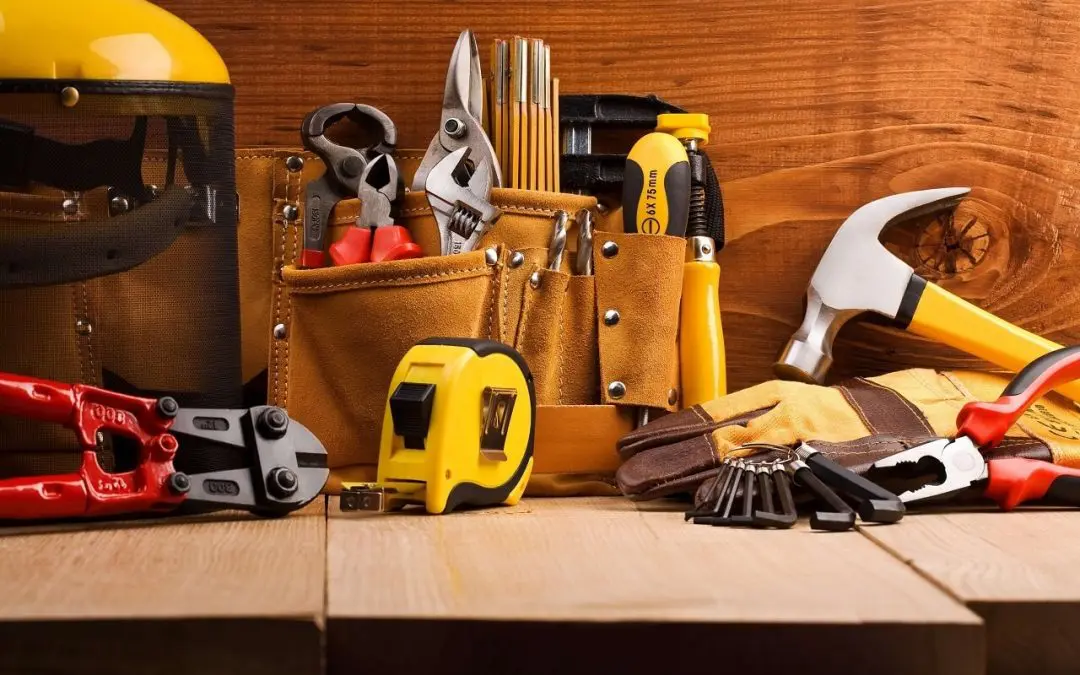
A basic toolkit includes a hammer, screwdriver set, pliers, adjustable wrench, tape measure.
I’ve spent years helping friends, renters, and new homeowners build smart, small tool collections. This guide on basic tools every home should have explains what to buy, why each item matters, and how to use and care for tools safely. Read on for clear, practical advice from real-life experience so you can handle common fixes with confidence.
Why every home needs basic tools
Having basic tools every home should have saves time, money, and stress. Small problems become quick fixes. Emergencies feel less scary when you can tighten a loose screw or stop a leak.
I’ve seen renters call a handyman for simple jobs that cost far more than a few tools. With the right basics, you gain independence and can prevent small issues from becoming big repairs. This section covers the key reasons to own a starter set and what problems those tools solve.
Essential tools every home should have
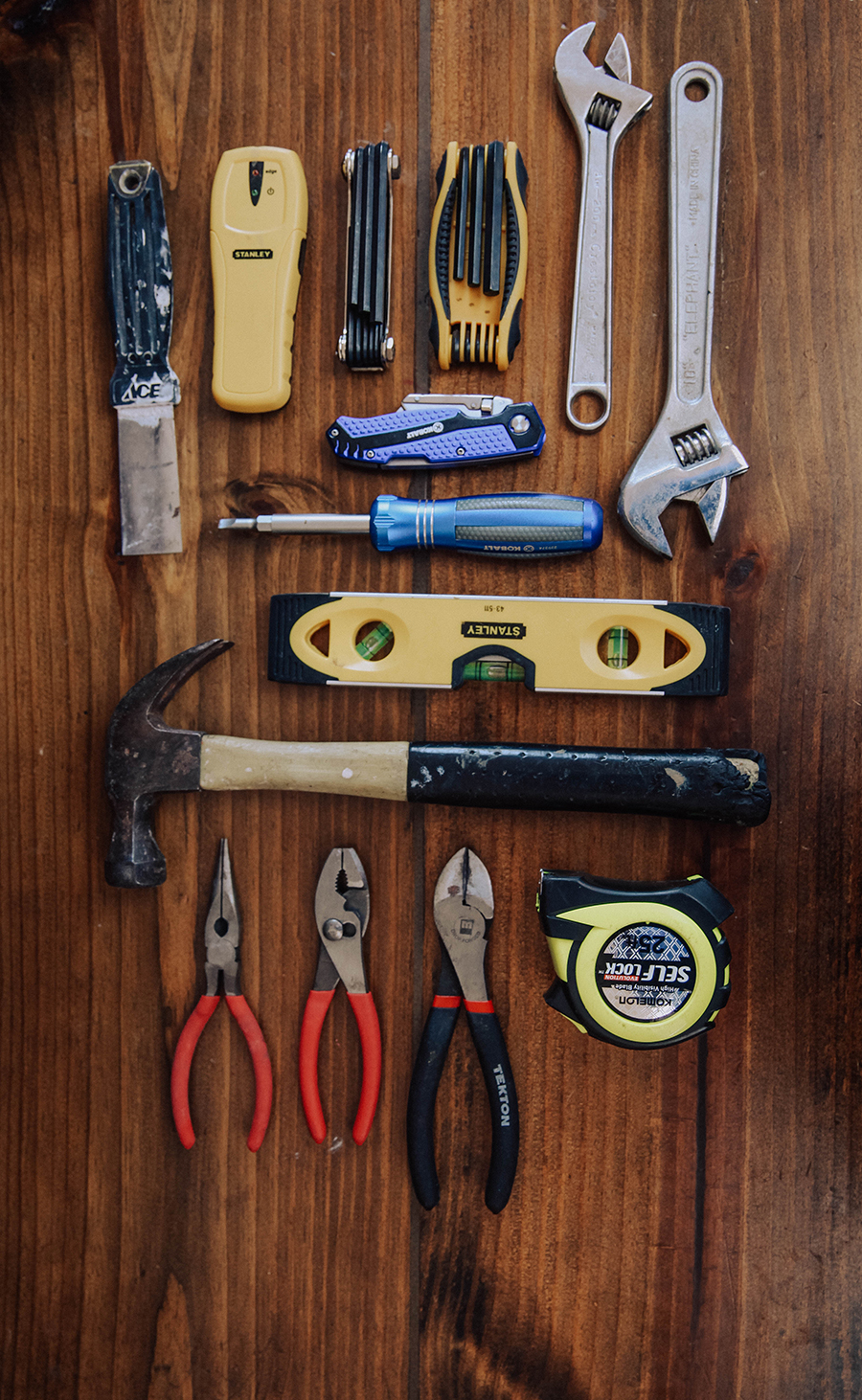
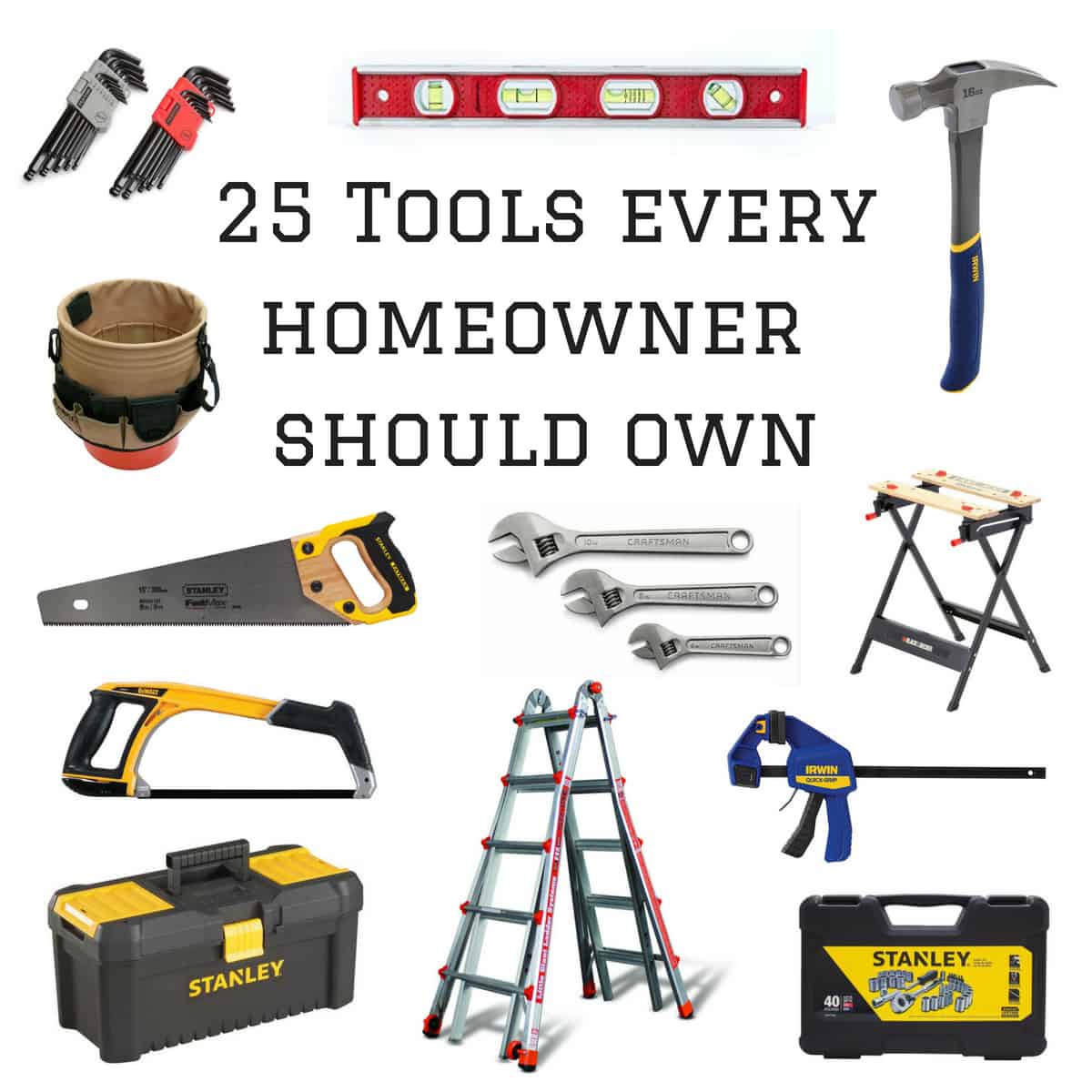
Below is a practical list of basic tools every home should have. Each entry explains what it does and when you’ll use it.
Hand tools
- Hammer — Use for nails, small demolition, and tapping things into place. A 16-oz claw hammer is versatile.
- Screwdriver set — Flat and Phillips tips in multiple sizes handle furniture, switches, and fixtures.
- Needle-nose pliers — Great for gripping, bending wire, and reaching tight spots.
- Slip-joint pliers — Useful for holding and turning irregular objects.
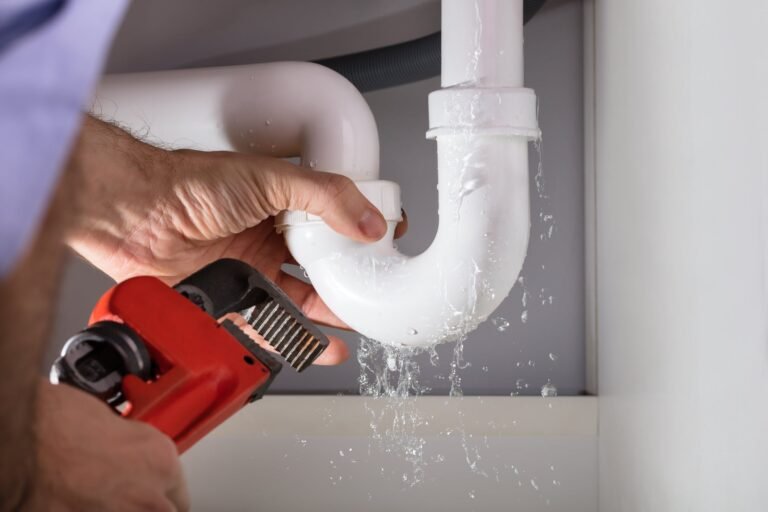
- Adjustable wrench — One wrench that fits many bolt sizes; handy for plumbing or furniture assembly.
Fastening and measuring
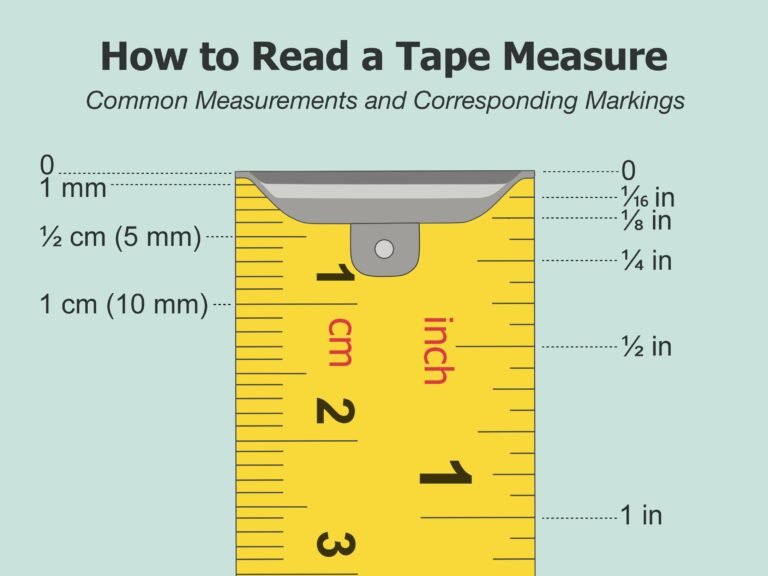
- Tape measure (25 ft) — Measure rooms, furniture, and fabric accurately.
- Level — Ensure shelves, pictures, and appliances sit straight.
- Utility knife — Open boxes, cut carpet, score drywall, and trim caulk.
- Set of Allen wrenches (hex keys) — Many furniture items and appliances use hex bolts.
Electrical and lighting
- Flashlight or headlamp — Vital for power outages and working in dark spaces.
- Voltage tester or non-contact tester — Check whether wires or outlets are live before touching.
- Electrical tape — Temporary fixes for insulation and bundle protection.
Fastening supplies and hardware
- Assorted nails, screws, and anchors — Keep a small kit of common sizes for drywall and wood.
- Picture hanging kit — Hooks, anchors, and wire for art and mirrors.
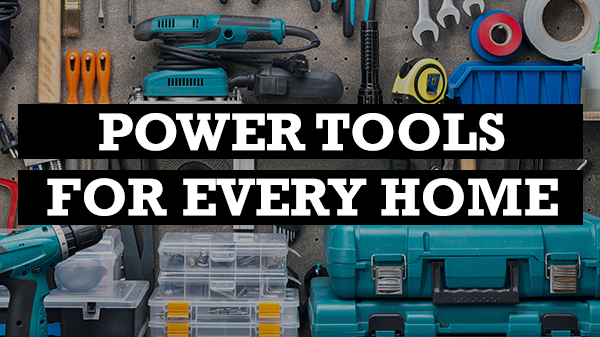
Power tools (optional starter)
- Cordless drill and a set of drill/driver bits — Speeds up work and lets you drill pilot holes and drive screws.
- Rechargeable battery and charger — Choose one battery platform to keep costs down.
Home maintenance supplies
- WD-40 or penetrating oil — Loosen stuck nuts and lubricate hinges.
- Caulk and caulk gun — Seal gaps around tubs, windows, and doors.
- Plunger and small drain snake — Unclog sinks and toilets without calling a plumber.
I recommend building this kit gradually. Start with the essentials: hammer, screwdriver set, tape measure, pliers, and an adjustable wrench. Add the other items as you need them.
How to choose and buy the right tools
Choosing tools wisely saves money and improves performance. Use these tips when shopping.
- Buy tools with good grips and solid feel. Comfort matters for repeated use.
- Prioritize quality for tools you’ll use often, like a cordless drill or hammer.
- For rare tasks, consider borrowing or renting a specialty tool instead of buying.
- Look for warranties and brand reputation. A lifetime warranty on hand tools is common and useful.
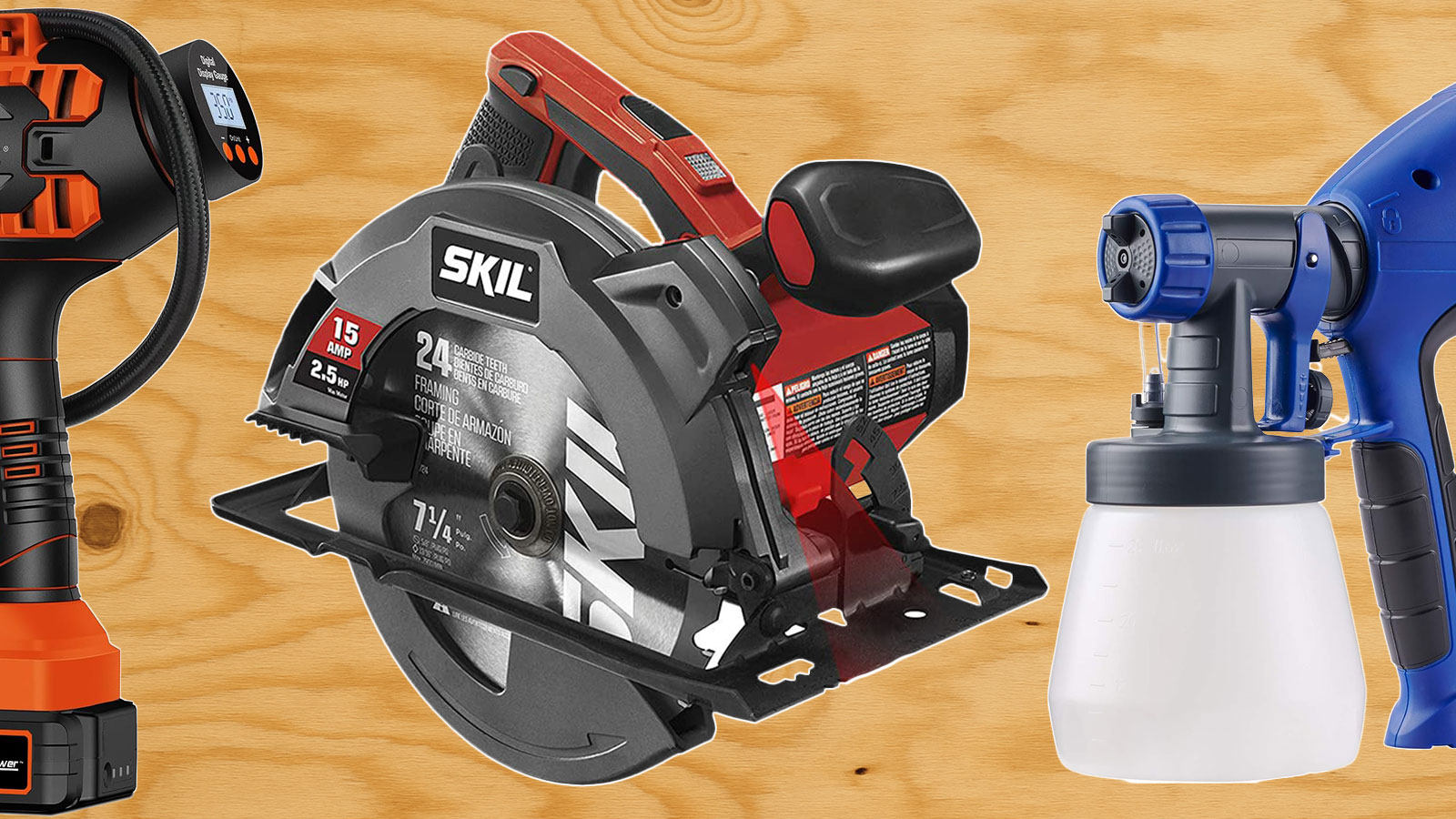
- Choose a cordless drill with a battery that fits future purchases. One battery for multiple tools reduces waste and cost.
Personal note: I once bought a very cheap cordless drill that died after one home project. Upgrading to a mid-range model made my next five projects faster and less frustrating. Spend a little more on items you use frequently.
Tool care, storage, and safety
Taking care of basic tools every home should have keeps them reliable and safe. Follow simple habits.
- Clean tools after use. Wipe off dirt and moisture to prevent rust.
- Oil moving parts on pliers and wrenches occasionally.
- Store tools in a sturdy toolbox or wall rack to avoid damage and loss.
- Keep batteries charged and rotate them to extend life.
- Use eye protection when cutting or drilling. Wear gloves for rough tasks.
- Never assume a wire is safe—use a voltage tester before touching electrical components.
A small, organized toolbox on a shelf makes it easy to find the right tool in a hurry. I label drawers and use foam inserts for a tidy setup.
Budget-friendly starter kits and building your collection
You don’t need an expensive set to begin. Here’s a simple plan to build a toolkit affordably.
- Starter bundle: hammer, multitip screwdriver, tape measure, utility knife, and pliers. This covers many quick fixes.
- Add a cordless drill when you tackle more assembly or hang heavy items.
- Buy multi-bit screwdriver sets to save space and money.
- Shop sales and local classifieds for lightly used tools. Quality used tools often outlast cheap new ones.
- Trade up over time. Replace low-quality items with higher-quality versions as you use them more.
I recommend spending more on tools you use weekly. For items used once a year, a budget option or rental often makes sense.
Common mistakes and lessons learned
From personal experience and helping others, these mistakes are common. Avoid them.
- Buying lowest-cost only — Cheap tools fail fast and can be dangerous.
- Keeping tools scattered — You’ll waste time and buy duplicates.
- Skipping safety gear — Eye and hand injuries are preventable.
- Not using the right tool — Using pliers instead of a wrench strips bolts.
- Ignoring maintenance — Rusted tools become useless.
A little attention and investment go a long way. A reliable set of basic tools every home should have pays for itself through saved repair costs and time.
Frequently Asked Questions of basic tools every home should have
What is the minimum toolkit a new homeowner needs?
A minimum kit includes a hammer, tape measure, screwdriver set, pliers, adjustable wrench, utility knife, and flashlight. These handle most small repairs and installations.
Is a cordless drill necessary for a home toolkit?
Not immediately, but a cordless drill makes projects faster and easier and is highly recommended once you assemble furniture or hang items often.
How should I store basic tools to keep them in good condition?
Store tools in a dry toolbox or wall rack, clean them after use, and apply light oil to moving metal parts to prevent rust.
Can I borrow specialty tools instead of buying them?
Yes. Renting or borrowing specialty tools saves money for one-off jobs and avoids clutter.
How often should I replace worn-out tools?
Replace tools when they no longer perform safely or accurately. Worn screwdriver tips, cracked handles, or bent pliers should be replaced promptly.
Conclusion
Owning basic tools every home should have gives you control over simple repairs and everyday projects. Start with the essentials—hammer, screwdrivers, pliers, tape measure, and an adjustable wrench—and build your kit as needs arise. Keep tools clean, stored, and safe, and invest in quality for items you use often. Take one small step today: assemble a starter kit or set aside a budget to buy the next tool you’ll actually use. Share your tool wins or questions below, subscribe for more home tips, or leave a comment about the tools that saved you time and money.