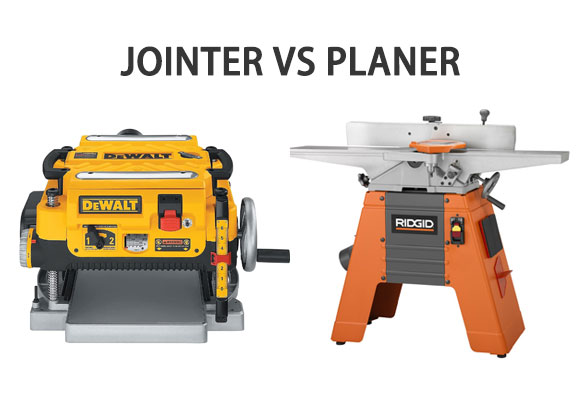
A planer flattens boards to thickness; a jointer makes one face and edge flat and square.
If you work with rough lumber, the planer vs jointer choice is one of the first real turning points in woodworking. I’ve used both tools on plenty of shop projects, and the difference is simple once you see how each one behaves: a jointer creates a reference face, while a planer brings the board to a consistent thickness. Understanding planer vs jointer helps you choose the right tool, avoid warped stock, and get cleaner results with less frustration.
What a Jointer Does
A jointer is built to flatten wood. It removes high spots from a board so you get one flat face and one square edge. That flat face becomes your starting point for the rest of the project.
In real shop work, a jointer is often the first machine I use on rough lumber. If a board rocks on the table or has a twist, the jointer helps me create a stable reference side. Once that face is flat, the rest of the milling process becomes much easier.
A jointer is best for:
- Flattening one face of rough lumber
- Squaring one edge to that face
- Removing twist, cup, and minor bow
- Preparing boards for glue-up and joinery
The key thing to remember in the planer vs jointer debate is this: a jointer does not make a board the same thickness from end to end. It makes a board flat on one face, which is a different job.
What a Planer Does
A planer is made to make boards a uniform thickness. It takes a board with one flat face and cuts the opposite face parallel to it. This is why planers are often called thickness planers.
I still remember the first time I ran a rough oak board through a planer before flattening it on a jointer. The result was disappointing. The board came out smoother, but it still had the same twist. That lesson stuck with me: a planer copies shape, but it does not fix shape.
A planer is best for:
- Bringing boards to a consistent thickness
- Smoothing the second face after jointing
- Matching multiple boards to the same size
- Cleaning up mill marks on lumber
In the planer vs jointer comparison, the planer is the tool that sets final thickness, not the one that creates flatness from scratch.
Planer vs Jointer: The Core Difference
The simplest way to think about planer vs jointer is this:
- A jointer makes one side flat.
- A planer makes the other side parallel.
That difference matters because a planer follows the board’s existing shape. If the bottom face is curved, the top face will end up curved in the same way, just thinner. A jointer gives you the flat reference you need so the planer can do its job correctly.
Here’s a quick comparison:
- Jointer: fixes twist, cup, and bow on one face or edge
- Planer: makes thickness even across the board
- Jointer: used before a planer in most milling steps
- Planer: used after a flat reference face exists
If you only own one machine, the planer vs jointer decision depends on what kind of wood you use most and what problems you face most often.
Why Both Tools Matter in Woodworking
For rough lumber, both tools solve different problems. A jointer gives accuracy. A planer gives consistency. Together, they turn rough, uneven stock into usable material that looks and fits better.
This matters for:
- Table tops
- Cabinet parts
- Furniture legs
- Shelf boards
- Face frames
- Drawer parts
I’ve seen beginners spend hours sanding boards that should have been milled properly first. That usually leads to poor fit, uneven glue joints, and more waste. The planer vs jointer combo saves time because each tool removes the right kind of material at the right stage.

How to Use a Jointer and Planer Together
The most reliable workflow is simple and clean. Start with the jointer, then move to the planer, then return to the jointer only if you need to true an edge again.
A common process looks like this:
- Joint one face until it is flat.
- Joint one edge until it is square to that face.
- Plane the opposite face until it matches thickness.
- Rip the board if needed.
- Joint the cut edge if final squareness matters.
This sequence is the heart of the planer vs jointer workflow. It gives you one flat face, one square edge, and two parallel faces, which is exactly what good milling should produce.
Which One Should You Buy First?
If you can only buy one tool, the answer depends on your projects.
Choose a planer first if:
- You buy pre-dimensioned lumber
- You mostly need consistent thickness
- You work with boards that are already fairly flat
- You want faster cleanup on rough-sawn stock
Choose a jointer first if:
- You work with rough lumber often
- Your boards are frequently twisted or cupped
- You need accurate edges for glue-ups
- You build furniture or cabinets from raw stock
In many small shops, the planer vs jointer choice comes down to budget and space. A planer often gives more visible value early on, but without a jointer, you may still struggle to create a true reference face.
Can a Planer Replace a Jointer?
Not fully. A planer can help flatten a board if you use sleds or sacrificial supports, but it does not replace a jointer in normal use. The planer works best when one face is already flat.
There are workarounds. You can use a planer sled to flatten one side of a warped board. I’ve used that trick on short boards and glue-ups, and it works well in a pinch. Still, it takes more setup time than a jointer and is not as fast for regular milling.
So when people ask planer vs jointer as if one tool can do the other’s job, the honest answer is no. They overlap a little, but they are not true substitutes.
Common Mistakes When Using a Planer or Jointer
A lot of frustration comes from using the right tool the wrong way. I’ve made most of these mistakes myself, and they are very common.
Watch out for these issues:
- Feeding a warped board into a planer without a flat face
- Taking too heavy a cut in one pass
- Forgetting to check grain direction on the jointer
- Not supporting long boards at the infeed and outfeed
- Rushing the process and skipping squareness checks
The planer vs jointer learning curve gets easier when you slow down. Light cuts and careful setup usually beat aggressive passes and repairs later.
Safety Tips for Both Machines
Both tools can be safe when used correctly, but they demand attention. They are loud, sharp, and powerful, so respect matters.
Keep these habits in mind:
- Use push blocks and guards when needed
- Keep hands clear of cutter heads
- Wear eye and hearing protection
- Check for nails, staples, and dirt in reclaimed wood
- Never force stock through either machine
A jointer is especially unforgiving on short pieces, and a planer can kick back badly if a board is unstable. In the planer vs jointer conversation, safety is not optional. It is part of good woodworking.
How to Choose Based on Your Projects
The best choice depends on what you build most often.
If you build furniture, the planer vs jointer pair is almost essential. Furniture needs flat panels, square edges, and consistent stock sizes. If you build mostly shop fixtures or simple home projects with store-bought lumber, a planer may be enough for a while.
Think about these factors:
- Lumber source
- Board size
- Workshop space
- Budget
- Project precision
For example, a hobbyist making cutting boards may benefit more from a planer first. A woodworker flattening live-edge slabs or rough hardwoods may want a jointer first. The right answer is less about the tool itself and more about the wood you actually use.
Practical Buying and Setup Advice
If you are shopping for these tools, look at more than just price. Cutter head quality, table length, dust collection, and motor power all affect results.
For jointers, longer beds help support longer stock. For planers, good feed rollers and chip removal improve surface quality. Dust collection also matters more than many people expect, because chip buildup can affect cuts and cleanup.
A few practical tips:
- Buy the largest machine your space and budget allow
- Check fence accuracy on a jointer
- Check snipe on a planer
- Use sharp blades or inserts
- Keep both machines calibrated
The planer vs jointer decision is easier when you think long term. A slightly better machine often saves more time and material than a cheaper one that struggles with accuracy.
Frequently Asked Questions
What is the main difference between a planer and a jointer?
A jointer flattens one face or edge of a board, while a planer makes the opposite face parallel and brings the board to a consistent thickness. In simple terms, the jointer fixes shape and the planer sets size.
Do I need both a planer and a jointer?
Not always, but they work best as a pair. If you buy rough lumber often, both tools save time and improve accuracy. If you mostly use pre-milled boards, a planer may be enough for many projects.
Can a planer flatten warped wood?
A planer can flatten a board only after one face is already stable, or with a sled setup. On its own, it tends to copy the board’s current shape instead of correcting it. That is why a jointer is usually the better flattening tool.
Is a jointer or planer more important for beginners?
For most beginners who buy rough lumber, a planer is often easier to justify first. But if you want cleaner reference faces and better edge joints, a jointer becomes very valuable. The best choice depends on the kind of wood you use.
Why does my board come out with snipe after planing?
Snipe usually happens when the board lifts slightly at the beginning or end of the cut. It is common on many planers and can often be reduced by supporting the board well and adjusting machine setup. A light final cut can also help.
Can I use a hand plane instead of a jointer?
Yes, a hand plane can flatten boards and square edges, and many woodworkers still do it this way. It takes more skill and time, but it can be a great low-cost solution. A powered jointer simply makes the process faster and easier.

Conclusion
When you compare planer vs jointer, the big idea is simple: one tool flattens, the other makes thickness even. A jointer gives you the reference face and square edge you need, while a planer turns that reference into a board with consistent dimensions.
If you work with rough lumber, learning how these tools support each other will improve almost every project you build. Start with the tool that fits your wood, your space, and your budget, then build your workflow from there. If you want better results in the shop, this is one of the smartest places to begin.