Single pole vs double pole breaker: single poles protect one hot wire, doubles protect two hots or 240V loads.
I have worked on home electrical panels and trained with licensed electricians for years, so I know how confusing single pole vs double pole breaker choices can be. This guide breaks down what each breaker does, how they are wired, when to use them, and safety tips you can use today. Read on to learn clear, practical advice and avoid common mistakes when choosing or troubleshooting breakers.

What is a single pole breaker?
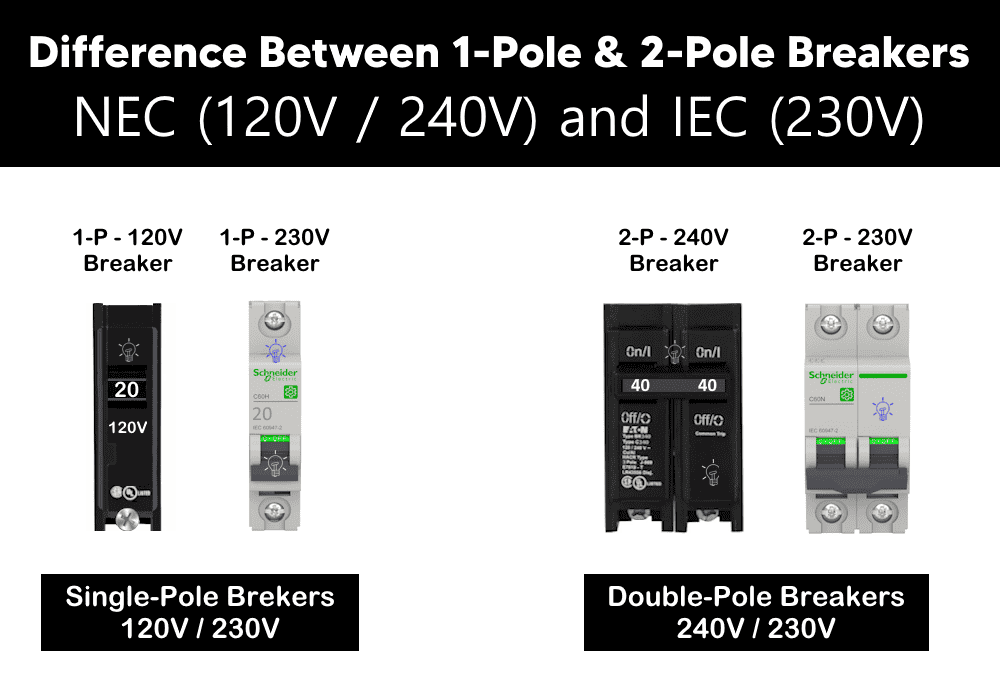
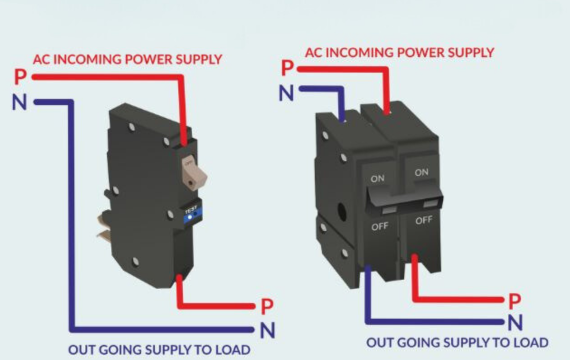
A single pole breaker protects one hot wire in a 120V branch circuit. It sits in one slot of the panel and switches just one live conductor. Single pole breakers are typically rated for 15 A or 20 A for lights and outlets. They are the most common breakers in homes and protect standard circuits like receptacles and lighting.
What is a double pole breaker?
A double pole breaker protects two hot wires together and supplies 240V loads or multi-wire branch circuits. It occupies two adjacent slots in the panel and trips both poles at once. Double pole breakers are often 30 A, 40 A, 50 A or higher for large appliances, heat, or HVAC equipment. They provide simultaneous disconnect for both hot legs.

Single pole vs double pole breaker: key differences
Here are the main differences to know when comparing single pole vs double pole breaker.
- Voltage handled
- Single pole: uses one hot leg and neutral to provide 120V.
- Double pole: uses two hot legs to provide 240V or handle two hot conductors.
- Number of poles
- Single pole: one pole, one hot conductor.
- Double pole: two poles, two hot conductors tied together.
- Tripping behavior
- Single pole: trips only its own circuit.
- Double pole: trips both poles together to protect multi-wire circuits.
- Typical uses
- Single pole: lights, standard outlets, small circuits.
- Double pole: electric ranges, dryers, water heaters, air conditioners.
- Breaker size and ampacity
- Single pole: common 15 A or 20 A ratings.
- Double pole: common 30 A to 60 A or higher for heavy loads.
- Code requirement
- Double pole breakers must have a common trip or handle tie for shared neutral circuits per current electrical rules.
PAA-style questions (short answers)
- What if I put a single pole on a 240V appliance?
- That will not create a proper 240V circuit and can be unsafe. Use a correctly sized double pole breaker.
- Can a double pole breaker be used for 120V loads?
- Yes, double pole breakers can supply two separate 120V circuits if wired as a multi-wire branch circuit and installed per code.

How they are wired and how they work
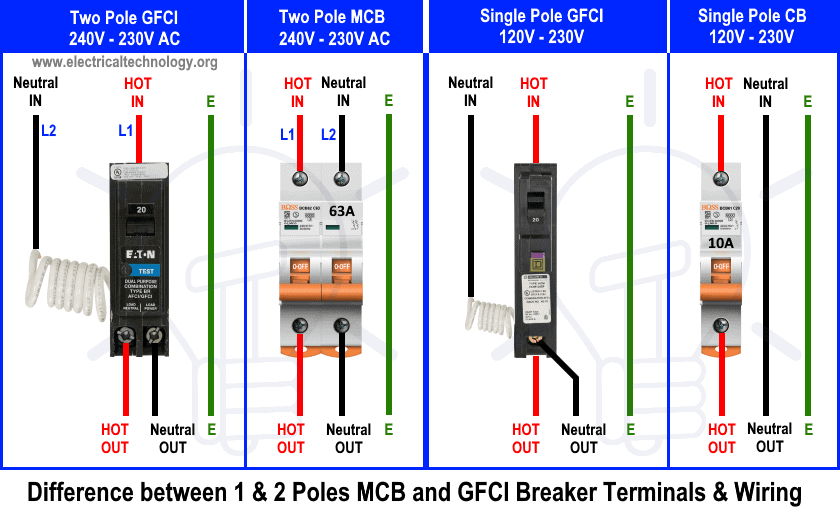
Single pole breakers connect one hot wire to a branch circuit. The neutral returns current to the panel. Wiring is simple: hot to breaker, neutral to neutral bus, ground to ground bus.
Double pole breakers connect two hot wires. They share a common trip mechanism. If one side overloads, both sides open. For multi-wire branch circuits, the neutral carries the difference in current. Proper phase placement is required so the hot legs are on opposite phases.
Important wiring notes
- Ensure the two hot legs on a double pole breaker are on different phases.
- Use a common-trip double pole breaker for 240V appliances or shared-neutral circuits.
- Always turn off power and test before working in a panel.

Common applications and when to choose each
Use single pole breakers for everyday circuits. Examples:
- Lighting circuits
- Standard 120V outlets
- Garage and basement small loads
Use double pole breakers when you need 240V or a tied disconnect. Examples:
- Electric dryer and stove
- Central air units and heat pumps
- Electric water heaters and ranges
- Subpanel feed breakers when a two-pole feed is required
Tips for choosing
- Match breaker amp rating to wire gauge and appliance requirements.
- Check appliance nameplate for required breaker amp and voltage.
- Use GFCI or AFCI protection where code requires it for safety.

Sizing, code rules, and practical selection tips
Sizing matters. Match breaker amperage to conductor size:
- 15 A breaker use 14 AWG wire.
- 20 A breaker use 12 AWG wire.
- 30 A breaker use 10 AWG wire.
- Larger double pole breakers use larger gauge wire per load.
Code and safety highlights
- Multi-wire branch circuits must use handle-tied or common-trip breakers.
- 240V loads must use a double pole breaker sized for the appliance.
- Arc-fault and ground-fault requirements vary by room and circuit; follow current local code.
Practical selection tips
- Read the appliance manual for breaker specs.
- Avoid overfusing; do not put a higher amp breaker on smaller wire.
- When in doubt, ask a licensed electrician to confirm breaker type and panel capacity.
Safety, testing, and troubleshooting
Safety first. Never work on a live panel unless you are trained. Use insulated tools and a voltage tester.
Simple tests and checks
- Test for voltage before touching anything.
- Use a clamp meter to check current draw on single and double pole circuits.
- If a double pole breaker trips often, inspect both legs and the appliance for imbalance or a short.
Common problems
- Loose connections can cause heating and nuisance trips.
- Wrong breaker type for the circuit causes unsafe conditions.
- Shared neutrals without proper tied breakers can overload the neutral.
When to call a pro
- Repeated tripping without an obvious cause.
- Panels older than 20–30 years or showing rust or burns.
- Any time you are unsure of wiring or load calculations.
Personal experience and lessons learned
I have replaced dozens of breakers during home upgrades. I once installed a double pole breaker for a dryer after discovering the old single pole had been incorrectly used. The dryer had intermittent trips because the neutral was overloaded. Rewiring to a proper double pole solved the issue and stopped the nuisance trips.
Lessons I learned
- Always confirm appliance specs first. I saved time and money by checking nameplates.
- Carry a clamp meter and non-contact tester. They speed troubleshooting.
- When working in someone’s home, explain risks plainly. Clear communication builds trust.

Frequently Asked Questions of single pole vs double pole breaker
What is the main difference between a single pole and a double pole breaker?
A single pole breaker protects one hot conductor for 120V circuits. A double pole breaker controls two hot conductors and supplies 240V or tied circuits.
Can a double pole breaker be used instead of two single pole breakers?
Yes, a double pole breaker can replace two single poles when the circuits are related or when you need a common trip; wiring must follow code.
How do I know what size breaker I need for a 240V appliance?
Check the appliance nameplate for required breaker amperage and ensure wire gauge matches the breaker rating. If unsure, consult an electrician.
Why does a double pole breaker trip both sides at once?
Double pole breakers have a common trip to disconnect both hot legs simultaneously for safety and to protect multi-wire circuits.
Is it safe to replace a tripped breaker myself?
You can reset a breaker if you know why it tripped. If it trips again or you see signs of damage, stop and call a licensed electrician.
Conclusion
Choosing between a single pole vs double pole breaker comes down to the voltage and load you need to protect. Single pole breakers handle standard 120V circuits, while double pole breakers are required for 240V appliances and multi-wire branch circuits. Use the right breaker size, follow wiring rules, and prioritize safety when working in a panel. If you are unsure, hire a licensed electrician to avoid hazards and code violations. Take action today: check your appliance nameplates, review your panel labeling, and subscribe or comment with questions so I can help you make the right choice.