Digital caliper vs tape measure: choose calipers for precision, tape for long, fast measurements.
I’ve worked with both tools for years, from woodworking hobby projects to shop-floor quality checks. This article compares digital caliper vs tape measure in depth. You’ll learn which tool fits which job, how accuracy and ease of use differ, and practical buying and maintenance tips. Read on to make smart choices, avoid common mistakes, and get reliable results on your next build or measurement task.

Understanding digital caliper vs tape measure
A digital caliper is a precision instrument that measures internal, external, depth, and step dimensions typically to 0.01 mm or 0.0005 inch. A tape measure is a flexible rule that measures length over large distances, usually in feet/inches or meters/centimeters. Both tools are staples in workshops, but they solve different problems.
Digital caliper vs tape measure matters when accuracy, range, and ease of reading affect the result. Calipers excel for small parts and tight tolerances. Tape measures win for long runs and quick layout work. I’ll explain how these strengths and limits play out in real tasks.
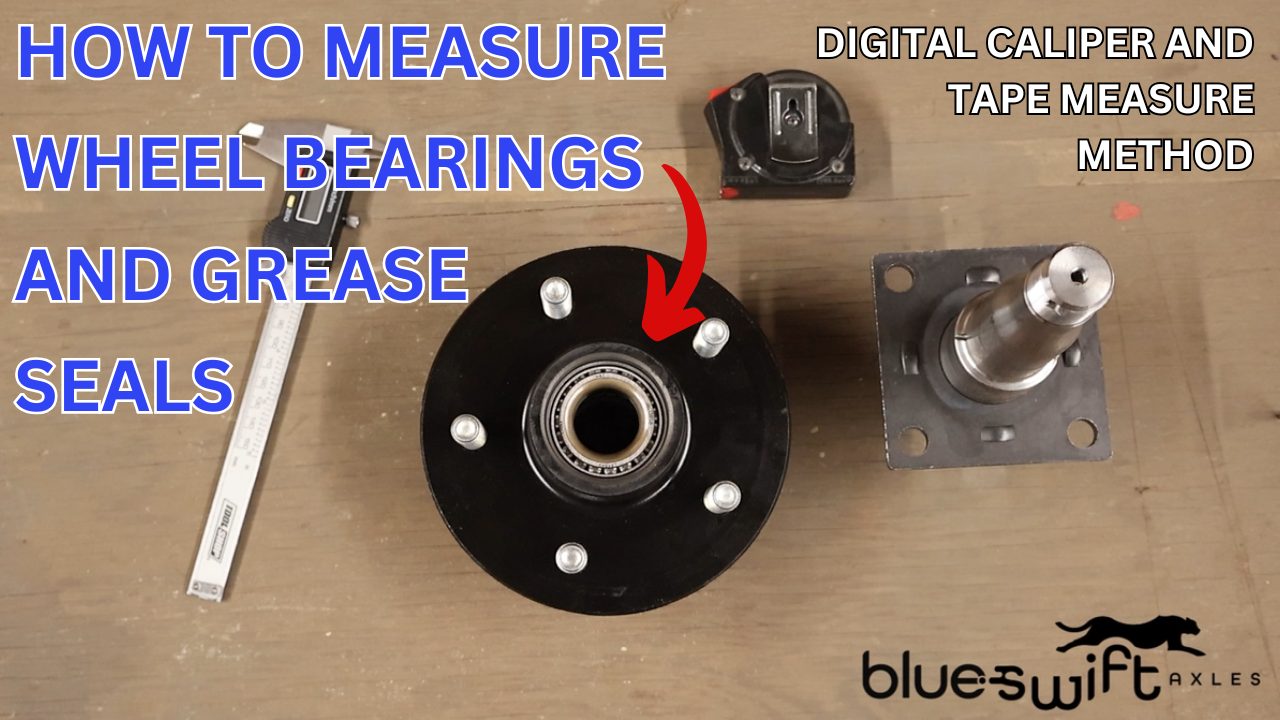
Key differences: accuracy, range, and use cases
Accuracy and precision
- Digital caliper: High accuracy and fine resolution. Typical accuracy is ±0.02 mm to ±0.05 mm. Ideal for machining, metalwork, and precision woodworking.
- Tape measure: Lower accuracy at long distances. Typical accuracy is within 1/16 inch for short spans, but error grows with length.
Measurement range
- Digital caliper: Common ranges are 0–6 inch (150 mm), 8 inch (200 mm), and 12 inch (300 mm).
- Tape measure: Ranges from 6 feet to 100 feet or more, suited to construction and large layouts.
Readability and speed
- Digital caliper: Digital display reduces reading errors. Takes a few seconds per measurement.
- Tape measure: Quick for sweeping measurements and layout. Reading small fractions can be tricky.
Durability and environment
- Digital caliper: Sensitive electronics and jaws can be damaged by dust, coolant, or drops. Many have IP ratings but still need care.
- Tape measure: Rugged and often retractable with a protective case. Better for rough jobsite use.
Cost and value
- Digital caliper: Mid-range prices for reliable units; high-end models cost more. Good value when precision matters.
- Tape measure: Very affordable. Even premium tapes remain cheaper than specialized calipers.
Versatility
- Digital caliper: Multi-function (inside, outside, depth). Limited range.
- Tape measure: Excellent for linear layout and large-scale projects. Limited to linear lengths.

When to use a digital caliper
Use a digital caliper when you need exact dimensions on small parts. Typical scenarios:
- Checking shaft diameters and hole sizes in metalwork.
- Measuring the thickness of shims, boards, or components to fit tolerances.
- Setting up tools or fixtures where a few thousandths matter.
Benefits
- Precise readings and repeatability.
- Quick mode switching between metric and imperial.
- Useful for inside, outside, depth, and step measurements.
Limitations
- Short measuring range compared to a tape measure.
- Requires gentle handling and battery power.
- Can be less durable in dirty or wet environments.
Practical tip from experience: keep a spare battery and a small pouch to protect the caliper. If you drop it or let dust accumulate, accuracy may drift. Calibrate regularly for critical work.

When to use a tape measure
Choose a tape measure for long distances and quick layouts. Common situations:
- Framing walls, measuring rooms, or marking studs.
- Laying out furniture, flooring, or long workpieces.
- Quick checks of rough dimensions on the jobsite.
Benefits
- Fast and simple to use.
- Long reach and rugged construction.
- No batteries and low maintenance.
Limitations
- Not ideal for very small or highly accurate measurements.
- Errors can occur if the blade sags or bends.
- Reading fine fractions takes practice.
Practical tip from experience: use the tape’s hook and a partner to hold the other end for long spans. For better accuracy, pull the tape tight and avoid sag. Use a folding rule or caliper for small precision tasks.

Practical tips for choosing and using each tool
How to choose
- If your work involves parts under a few inches and tight tolerances, pick a digital caliper.
- If you measure rooms, boards, or long pieces often, buy a quality tape measure.
- Many pros keep both tools. They are complementary, not exclusive.
Features to look for in a digital caliper
- Resolution and accuracy specs.
- Stainless steel construction and hardened jaws.
- Zeroing at any position, mm/inch switch, and data output if you need logging.
- IP rating for wet or dusty environments.
Features to look for in a tape measure
- Solid blade thickness and blade return mechanism.
- Strong hook with accurate end play compensation.
- Locking mechanism and clear markings in desired units.
- Case durability and belt clip.
Maintenance and calibration
- Calipers: clean jaws after use, avoid coolant or chips on electronics, store in a case, and check calibration with gage blocks or reference standards.
- Tape measures: retract slowly to protect the blade, wipe clean, and keep the hook straight.
Common mistakes to avoid
- Relying on calipers for long measurements beyond their range.
- Using tapes for precision fits without proper technique.
- Skipping calibration or ignoring wear on the tape hook.
- Storing tools loosely where impacts can damage them.
Personal lesson: I once used a worn tape hook for cabinet layout and ended up with a miscut door. Since then I inspect the hook and test it against a square reference before a critical job.
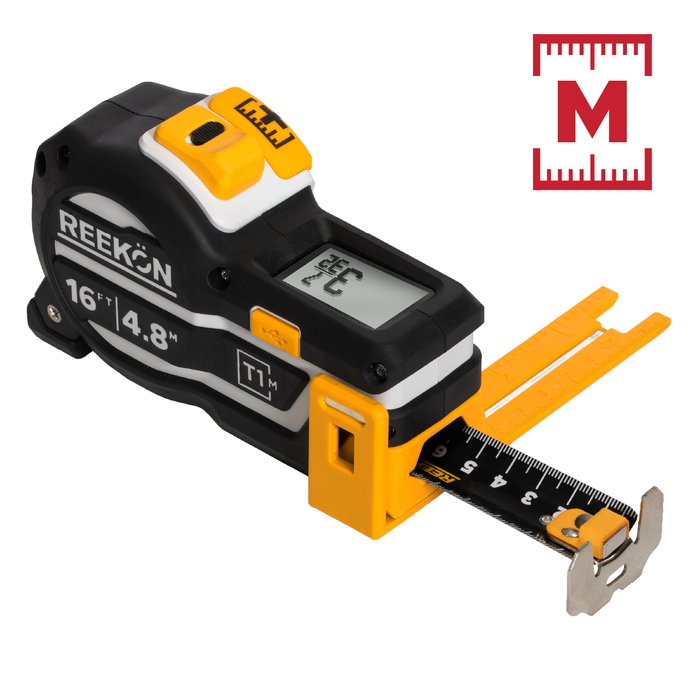
Real-world comparisons and examples
Woodworking
- Use a digital caliper to check groove width, tenon thickness, and precise joinery.
- Use a tape measure to lay out full board lengths, mark stud centers, and rough cut.
Metalworking
- Digital calipers are essential for measuring turned shafts and bored holes.
- Tape measures are useful for machine setup dimensions and shop layout.
DIY and home projects
- For hanging shelves, a tape measure is fast and practical.
- For fitting replacement parts or trim, a caliper gives confidence in fit.
Example workflow
- Measure a dowel diameter with a digital caliper to select the drill bit.
- Use a tape measure to mark the dowel length and placement across the workpiece.
- Combine both tools for speed and precision.
Practical note: I frequently switch between a 6-inch digital caliper and a 25-foot tape. Together they cover nearly every task in my small shop. This combo keeps mistakes low and saves time.

Frequently Asked Questions of digital caliper vs tape measure
Is a digital caliper more accurate than a tape measure?
Yes. A digital caliper offers much higher accuracy and finer resolution than a tape measure, especially for small dimensions and tight tolerances.
Can I use a tape measure instead of a caliper for small parts?
You can for rough checks, but tape measures lack the precision and grip needed for accurate small-part measurements.
How often should I calibrate a digital caliper?
Calibrate at regular intervals based on use—monthly for heavy shop use, or before critical measurements. Check against gauge blocks for best results.
Do digital calipers need batteries?
Most digital calipers require small button cell batteries. Keep a spare battery on hand for uninterrupted work.
Which is better for construction work: caliper or tape measure?
For construction, a tape measure is generally better due to range and durability. Calipers are useful for precision tasks within construction, like hardware fitting.
Conclusion
Digital caliper vs tape measure comes down to a simple choice: pick precision or pick reach. Use digital calipers when accuracy and small-scale detail matter. Use tape measures for speed, long distances, and rough layout. Both tools have clear roles and work best together.
Takeaway: match the tool to the task, care for it, and verify critical dimensions before cutting or machining. Try pairing a reliable 6-inch digital caliper with a sturdy 25-foot tape to cover most projects. If this guide helped, leave a comment about your experience or subscribe for more practical tool tips.