Infrared thermometer vs thermal camera: thermometers read single spots; cameras map heat across a whole scene.
I have decades of hands-on work with temperature tools, and I will clearly compare infrared thermometer vs thermal camera so you can pick the right tool. This guide breaks down how each device works, real-world uses, costs, limits, and buying tips from my own testing. Read on to learn practical advice and avoid common mistakes.
How they work
An infrared thermometer vs thermal camera differ in basic function.
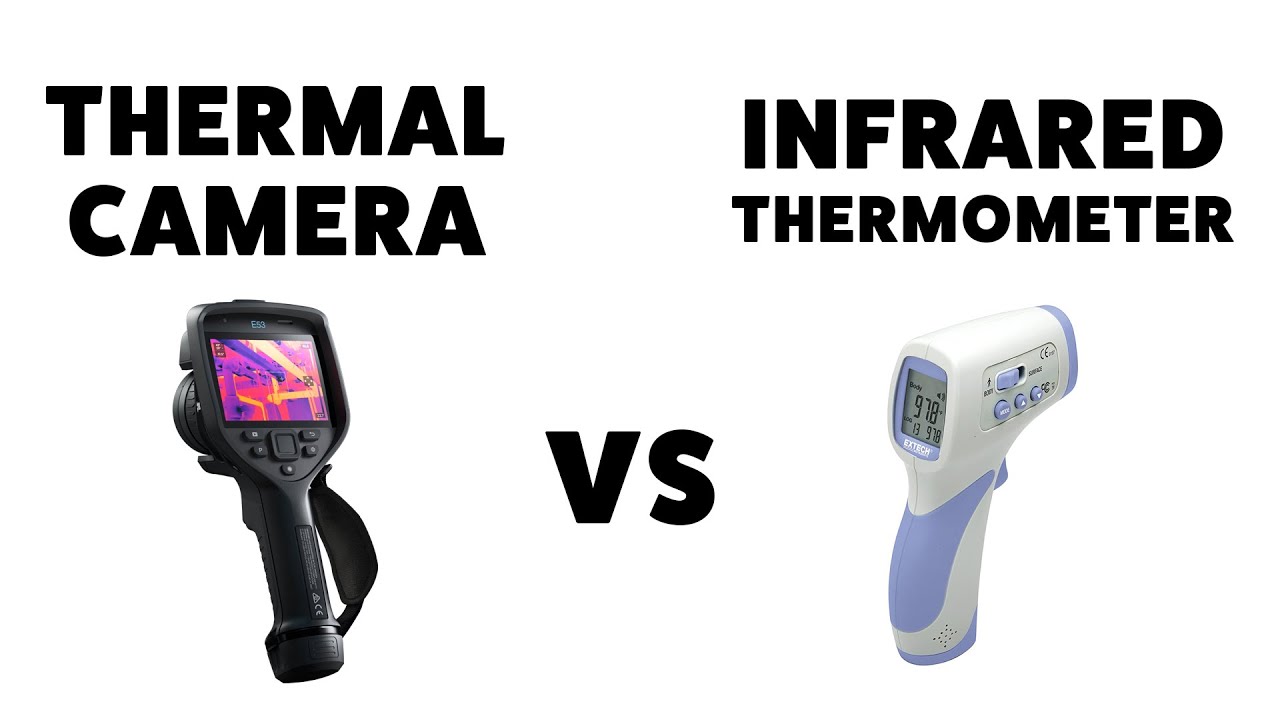
An infrared thermometer reads infrared light from one small spot. It gives a single temperature value fast and simply.
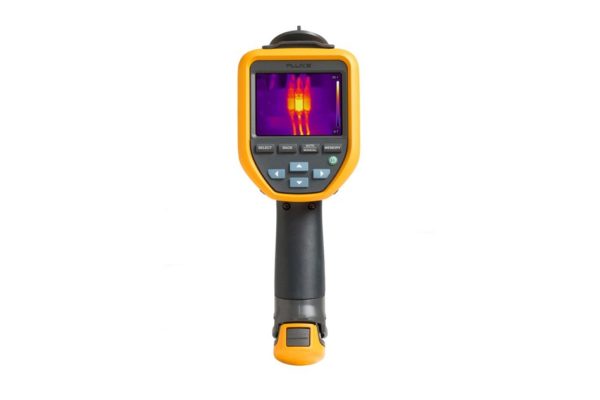
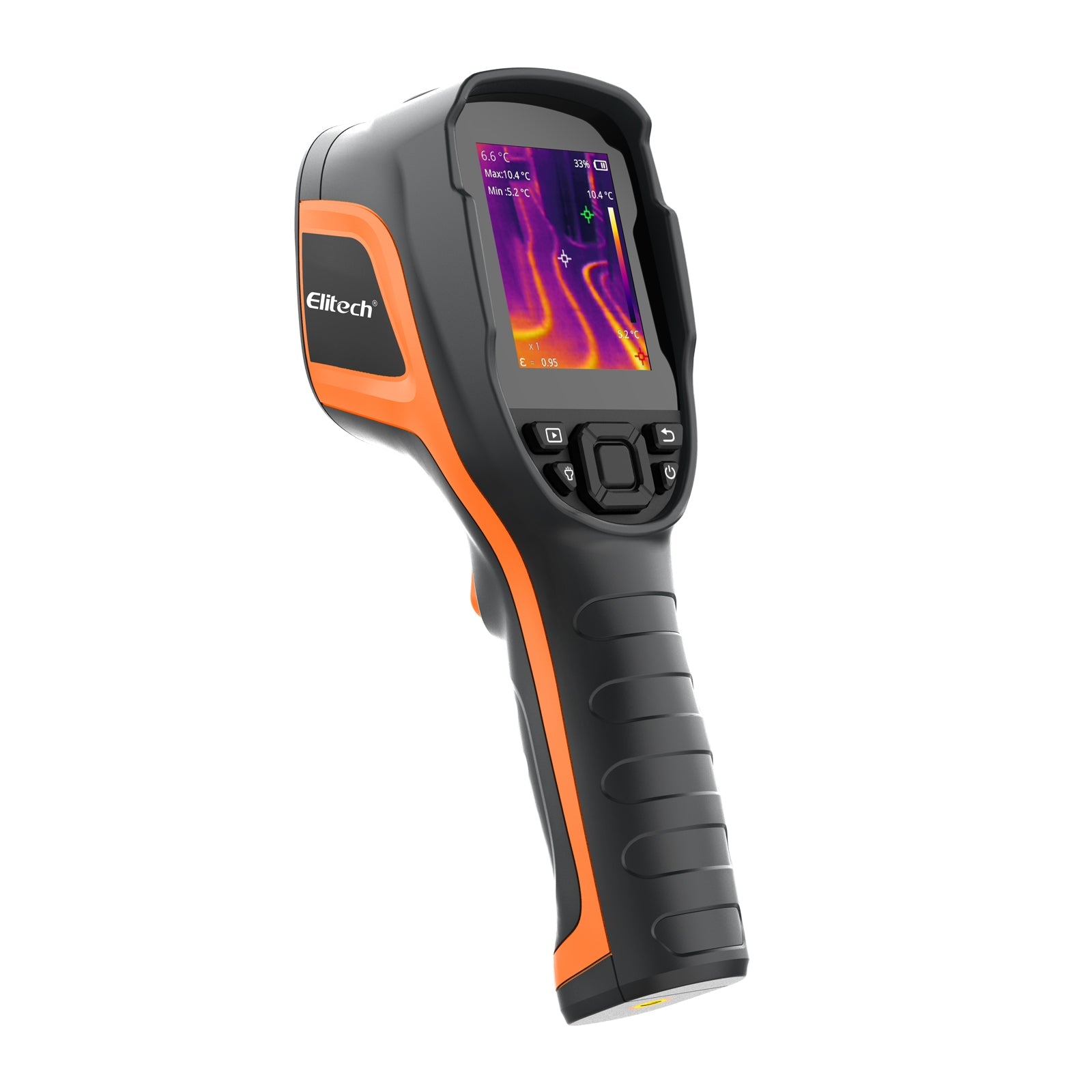
A thermal camera captures a grid of infrared sensors and makes a heat image. That image shows temperature patterns and hot spots across a scene.
Infrared algorithms and optics matter for both tools. Emissivity, distance, and reflectivity affect readings. I learned in the field that knowing the device limits reduces bad readings and wasted time.

Key differences at a glance
- Measurement type: Infrared thermometer vs thermal camera differs by scope. Thermometers give one spot reading. Cameras give many points as an image.
- Field of view: Thermometers have a narrow beam. Cameras have wide scenes and zoom options.
- Data output: Thermometers give numbers. Cameras give pictures and exportable data.
- Resolution and detail: Thermometers do not show patterns. Cameras show gradients, leaks, and wiring issues.
- Cost and complexity: Infrared thermometer vs thermal camera varies widely in price. Thermometers are cheap and simple. Cameras are costlier and need training.
- Use speed: Thermometers are fast for checks. Cameras are best for diagnostics and documentation.

Common quick questions (PAA-style)
Which is better for quick checks?
For quick surface checks, an infrared thermometer is better. It is fast, cheap, and easy to aim.
Can an infrared thermometer replace a thermal camera?
No. An infrared thermometer cannot replace a thermal camera for imaging or pattern detection. It only reads single spots.
Do both devices need emissivity settings adjusted?
Yes. Both need correct emissivity for accurate results, but cameras often let you adjust it per area more easily.
Practical use cases and examples
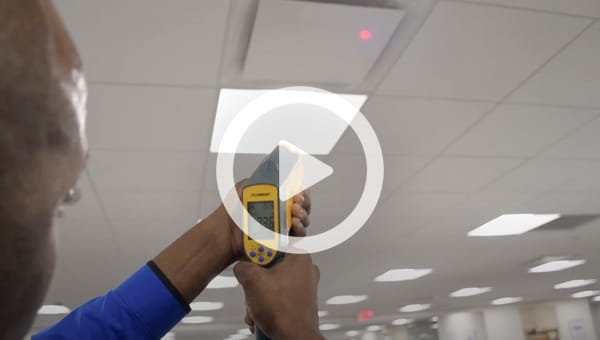
- Home HVAC: Use an infrared thermometer for quick duct or vent checks. Use a thermal camera to find insulation gaps and hidden leaks.
- Electrical work: Determine hot fuses quickly with a thermometer. Use a camera to scan panels and trace hot circuits visually.
- Plumbing and roofs: Cameras reveal moisture patterns across roofs and walls. Thermometers confirm specific pipe temps.
- Automotive: Thermometer checks exhaust and bearing temps. Camera finds cooling issues or blocked heat flow.
- Medical screening: Infrared thermometers provide spot readings for screening. Thermal cameras are used in controlled setups for trend detection.
From my experience measuring HVAC systems, I first ran a quick infrared thermometer pass. That found a few suspect spots. Then I used a thermal camera to map the whole duct run. The camera revealed a small air leak I would have missed with spot checks. This two-step approach saved time and stopped repeated visits.

Pros and cons
Pros of infrared thermometer vs thermal camera (thermometer)
- Pros: Low cost, portable, very fast readings. Ideal for spot checks and fieldwork.
- Cons: No image, limited context, errors if aimed at reflective surfaces.
Pros of infrared thermometer vs thermal camera (camera)
- Pros: Visual heat maps, patterns, and documentation. Great for diagnostics and reporting.
- Cons: Higher cost, learning curve, larger files and more setup.
Practical tip: Combine both tools for many jobs. Use the thermometer for quick triage and the camera for deep diagnosis and proof.

Buying guide and tips
What to look for when choosing between an infrared thermometer vs thermal camera:
- Accuracy: Check ± tolerance and calibration options.
- D:S ratio: Higher distance-to-spot ratio gives a smaller measurement spot at distance.
- Emissivity control: Adjustable emissivity improves real-world accuracy.
- Temperature range: Match the device range to the materials you test.
- Resolution (for cameras): Higher pixel count yields clearer detail on small targets.
- Software and export: Cameras with software make reports easy for clients.
- Battery life and build: Consider field conditions and durability.
My common mistakes to avoid:
- Do not trust a single reading. Re-check with different angles.
- Avoid shiny metals without coating; reflections give wrong temps.
- Buy the right D:S ratio for your work; cheap thermometers often read too large an area.
Data, accuracy, and common pitfalls
Both tools measure surface infrared, not internal temperature. Emissivity varies by material and changes readings. Reflective surfaces like chrome are risky without a spray or tape sample. Distance matters: an infrared thermometer versus thermal camera will show different spot sizes as you move further away.
Calibration and standards help. For work that needs traceable results, choose devices that offer calibration certificates. Regularly verify both tools with a known reference. I keep a calibration block in my toolkit to check both my thermometer and camera on site.
Frequently Asked Questions of infrared thermometer vs thermal camera
What is the main difference between an infrared thermometer and a thermal camera?
An infrared thermometer measures a single spot temperature. A thermal camera creates an image showing temperature across an area.
Can I use a thermal camera for quick checks instead of a thermometer?
You can, but thermal cameras take more time to set up and cost more. For very quick checks, an infrared thermometer is faster and simpler.
How accurate are infrared thermometers compared to thermal cameras?
Accuracy depends on model, emissivity settings, and distance. High-end cameras and thermometers can both be accurate, but cameras add context that reduces misinterpretation.
Do reflective surfaces affect readings on both devices?
Yes. Shiny surfaces reflect other heat sources and will give false readings on both thermometers and cameras unless treated or coated.
Is training needed to use a thermal camera effectively?
Some training helps a lot. Thermal cameras require interpretation skills and basic thermography knowledge to avoid wrong conclusions.
Can I document results easily with both tools?
Thermal cameras usually offer built-in imaging and export options for reports. Infrared thermometers often require manual logging for documentation.
Are thermal cameras worth the cost for homeowners?
For many homeowners, a thermal camera is useful for diagnostics like insulation and moisture. But if needs are occasional, renting a camera after initial thermometer scans can be cost-effective.
How often should these tools be calibrated?
Calibration frequency depends on use and standards. For professional work, an annual calibration is common; heavy use may need more frequent checks.
Conclusion
Choosing between an infrared thermometer vs thermal camera comes down to scope, budget, and the problem you need to solve. Use a thermometer for fast, low-cost spot checks and a thermal camera when you need images, patterns, and proof. I recommend pairing both tools: start with a quick infrared thermometer pass, then use a thermal camera to diagnose and document complex issues. Try these steps on your next project, and leave a comment about what you discover or which tool you chose.