Compression fittings provide strong, long-term seals; push-to-connect fittings favor speed and ease.
I’ve spent years fitting pipes in homes and commercial spaces, and I know the trade-offs between compression fitting vs push to connect fitting inside and out. This article breaks down how each type works, where each excels, common mistakes to avoid, and real-world tips to help you pick the right connection for your next job.

What compression fitting vs push to connect fitting means
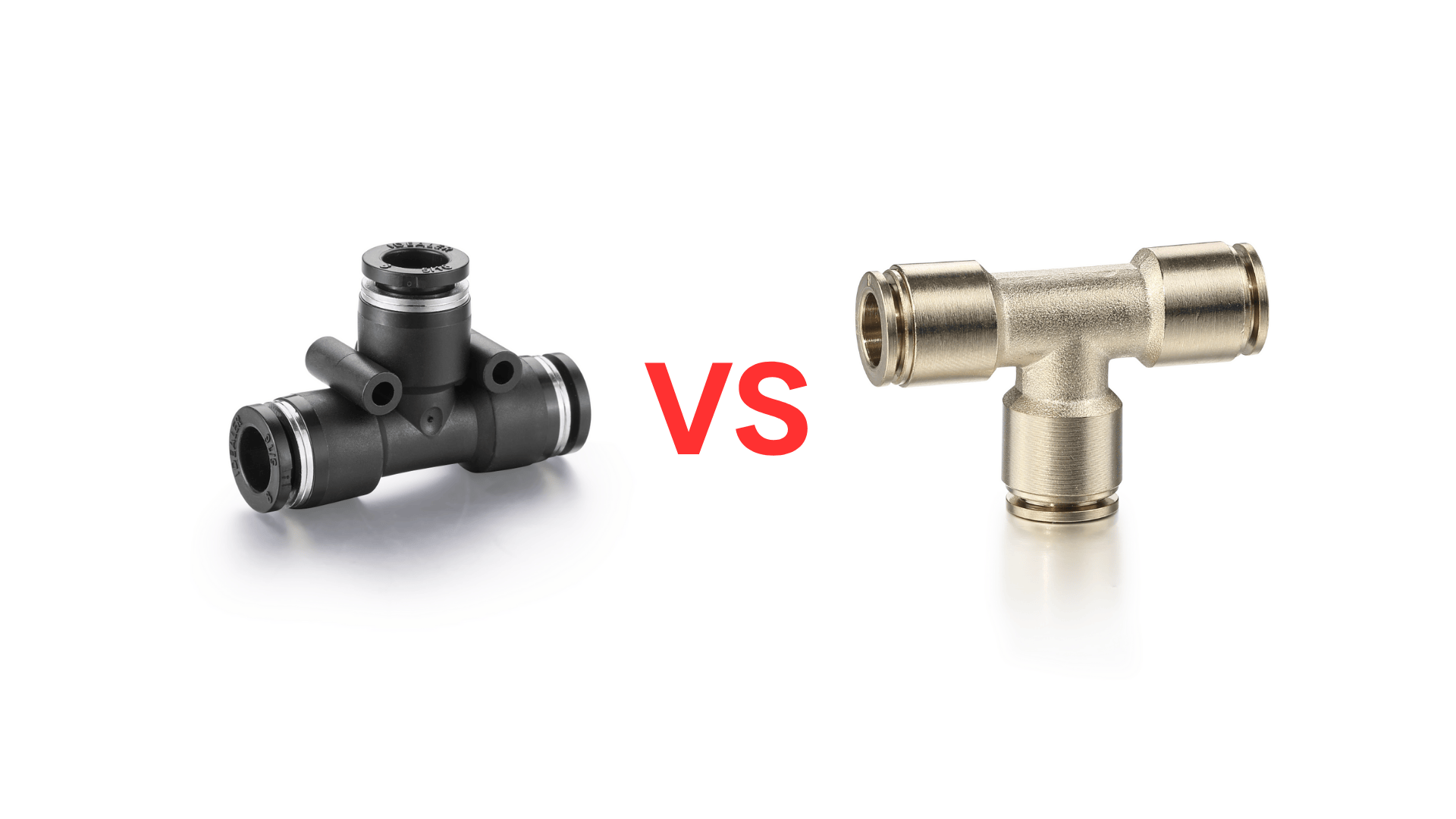
Compression fitting vs push to connect fitting compares two ways to join pipes. Compression fittings use a nut and ferrule to make a seal. Push-to-connect fittings use a soft O-ring and locking teeth to hold the pipe. Both keep water, gas, or air inside a system. Choosing the right one depends on the job, pipe type, and access.
How each fitting works
Compression fittings tighten a nut that compresses a metal ring onto the pipe. The ferrule bites into the pipe and forms a seal as you tighten. This method works on copper, PEX, and some plastic pipes when sized correctly.
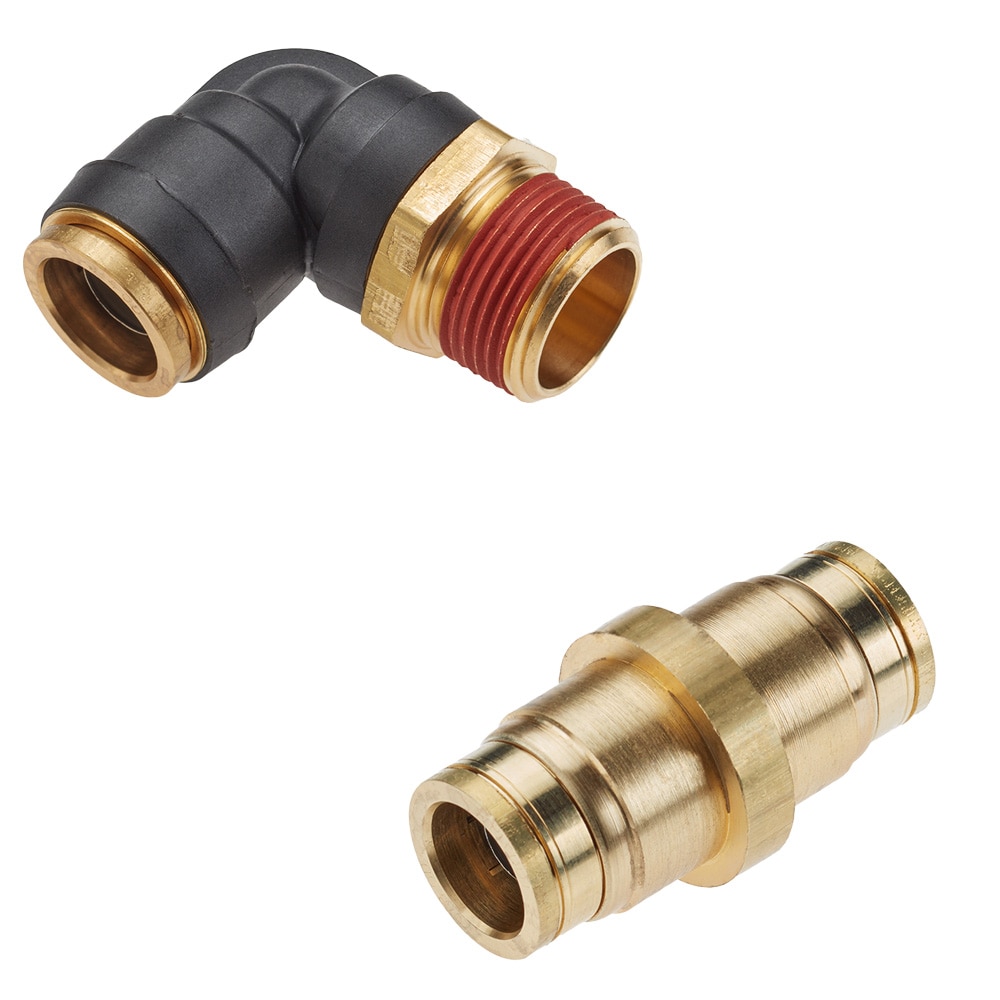
Push-to-connect fittings let you push the pipe into the fitting until it clicks. Inside there is a grab ring and an O-ring that seal and lock the pipe. They work for copper, CPVC, PEX, and some plastic lines. Push-to-connect fittings are quick and need no tools for the basic connection.
- Compression fitting vs push to connect fitting: compression needs torque; push-to-connect needs a firm push.
- Compression fitting vs push to connect fitting: compression often requires access to tighten; push-to-connect works well in tight spots.
Materials, sizes, and compatibility
Both fitting types come in many materials. Common options include brass, nickel-plated brass, and plastic for push-to-connect bodies. Ferrules and nuts for compression are usually brass or copper. Size ranges cover 1/4 inch to 2 inches for many plumbing tasks.
Compatibility matters. Compression fitting vs push to connect fitting each suit different pipe materials and codes. Some local codes restrict push-to-connect in concealed locations or for gas lines unless certified. Always check local rules and manufacturer compatibility charts.

Pros and cons comparison
Here’s a clear look at strengths and weaknesses.
- Advantages of compression fitting vs push to connect fitting
- Compression fittings: strong, durable seals that are serviceable and predictable.
- Push-to-connect fittings: very fast to install and easy for DIY.
- Limitations of compression fitting vs push to connect fitting
- Compression fittings: require tools, can leak if under- or over-tightened, and take longer.
- Push-to-connect fittings: cost more per unit and some types may not be code-approved for hidden installations.
From my experience, compression fittings shine in older homes and repair work. Push-to-connect fittings shine when speed matters, like emergency repairs or modular builds.

Installation steps and practical tips
Below are step-by-step basics and tips drawn from field experience.
Compression fitting installation steps
- Cut the pipe square. Remove burrs with a file or deburring tool.
- Slide on the nut, then the ferrule. Push the nut and ferrule to the fitting.
- Hand-tighten the nut, then use a wrench for a final turn per the manufacturer’s guidance.
- Test for leaks and re-tighten slightly if needed.
Push-to-connect installation steps
- Cut pipe square and deburr the inside and outside edges.
- Mark insertion depth on the pipe with a marker.
- Push pipe firmly into the fitting until it meets the stop and you feel a click.
- Pull lightly to verify it’s locked. Pressure-test the line.
Practical tips I use on jobs
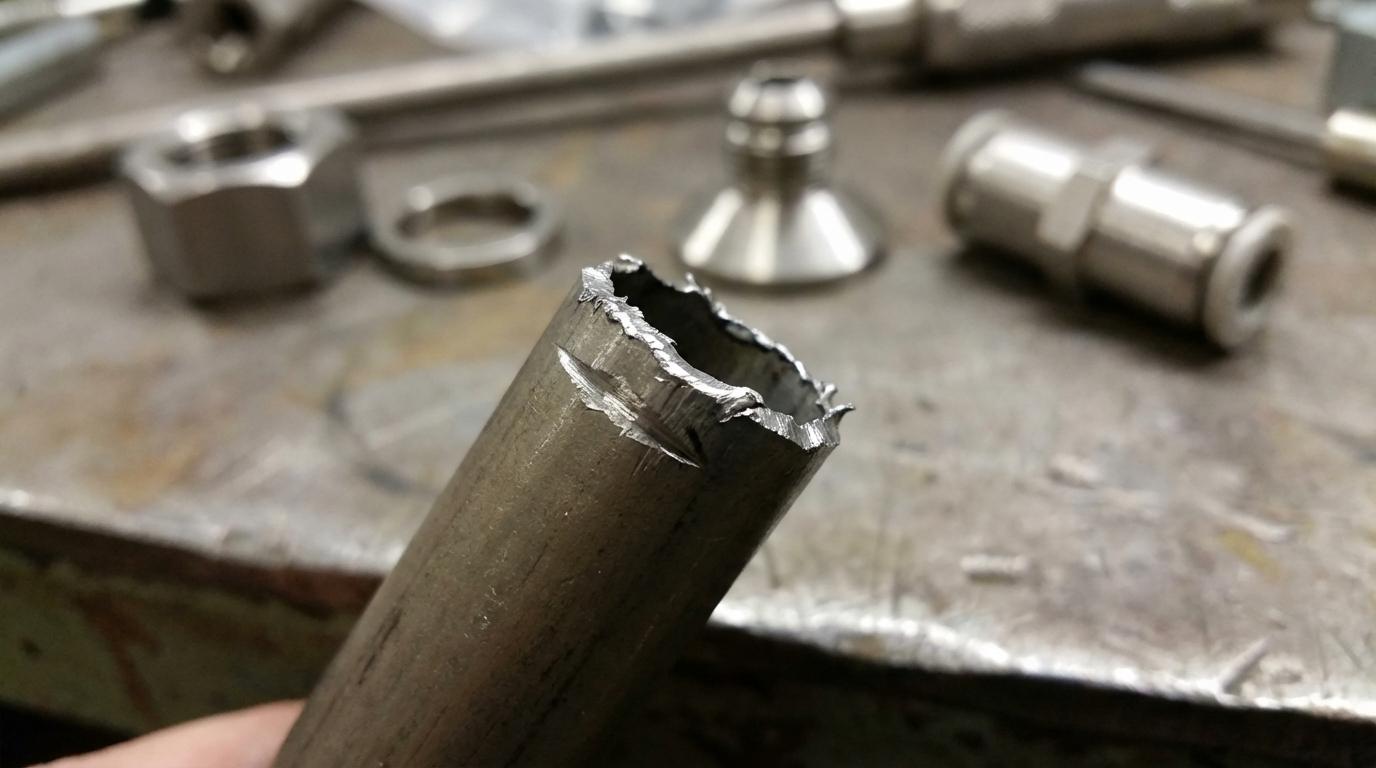
- Always deburr the pipe. A rough edge can cut an O-ring or stop a ferrule from seating.
- Use an insertion-depth gauge for push-to-connect fittings on critical installs.
- Do not overtighten compression nuts. If the fitting leaks, disassemble and inspect the ferrule.
Common applications and when to choose each
Think about your project needs when choosing between compression fitting vs push to connect fitting.
Compression fitting ideal uses
- Repairs where you need a reliable, long-term connection.
- Systems where parts may be reused or tightened later.
- Situations with high temperature or pressure that call for metal ferrules.
Push-to-connect fitting ideal uses
- Quick repairs and temporary setups.
- Tight spaces where a wrench won’t fit.
- DIY projects where speed and simplicity matter.
If you are working on a concealed wall or gas line, double-check codes. Sometimes compression fitting vs push to connect fitting is decided by code rather than preference.

Durability, maintenance, and leak prevention
Both fittings can last for years when installed properly. Compression fittings can be retightened or rebuilt by replacing the ferrule. Push-to-connect fittings generally are not re-seated; they are replaced if the seal fails.
Maintenance tips
- Inspect connections after the first few days under pressure.
- Replace ferrules if you ever disassemble old compression fittings. Reusing ferrules risks leaks.
- For push-to-connect fittings, replace rather than try to repair a damaged O-ring.
Leak prevention habits I recommend
- Clean pipe ends before assembly. Dirt can prevent a good seal.
- Follow insertion-depth guides and torque specs.
- Pressure-test at working pressure and fix any slow leaks before burying pipes.

Personal experience, mistakes to avoid, and lessons learned
I once used a push-to-connect fitting behind a wall without checking local code. That led to costly rework. Lesson: always verify code and product approvals. I’ve also seen many leaks from over-tightened compression nuts. That usually means the ferrule was crushed or the pipe was distorted.
Practical takeaways from the field
- Use push-to-connect for fast, visible work. Use compression for serviceable, long-term joins.
- Keep spare fittings on-site. A failed O-ring or wrong ferrule size slows a job.
- Practice square cuts and deburring. Small steps prevent the bulk of leaks.

Quick practical questions (PAA-style)
Can I use push-to-connect fittings on copper pipe?
Yes. Many push-to-connect fittings accept copper pipe. Confirm the fitting’s compatibility and insert the pipe fully.
Are compression fittings better for high pressure?
Compression fittings often handle higher pressures when installed correctly. Check manufacturer pressure ratings for both options.
Can I reuse compression ferrules?
Reusing ferrules is risky because they distort when tightened. Replace ferrules for a reliable seal.
Frequently Asked Questions of compression fitting vs push to connect fitting
What is the main difference between compression fitting vs push to connect fitting?
Compression fittings use a nut and ferrule to compress the pipe and create a seal. Push-to-connect fittings use an internal O-ring and locking teeth for a tool-free seal.
Which fitting is better for DIY projects?
Push-to-connect fittings are usually better for DIY due to speed and ease of use. They remove the need for special tools and make quick repairs simple.
Can push-to-connect fittings be used for gas lines?
Some push-to-connect fittings are certified for gas, but many are not. Always check product certification and local code before using them for gas.
How do I prevent leaks with compression fittings?
Cut the pipe square, deburr edges, and tighten the nut to the manufacturer’s spec. Replace the ferrule when you disassemble to avoid leaks.
Are push-to-connect fittings reliable long-term?
Yes, many push-to-connect fittings are reliable long-term if used in approved applications and not exposed to incompatible chemicals or extreme heat. Regular inspection adds confidence.
Can I convert a compression fitting to push-to-connect?
You can use an adapter to transition from a compression system to a push-to-connect fitting. Use proper adapters and follow installation instructions to maintain a secure seal.
Conclusion
Compression fitting vs push to connect fitting is a practical choice based on speed, serviceability, cost, and code. Use push-to-connect for fast repairs and tight spots. Use compression fittings when you need a robust, serviceable joint. My advice: know the rules, prepare the pipe, and pick the fitting that matches the job, not just the price. Try one small test install if you’re unsure, and leave a comment below about your experience or questions.