Rotary hammers excel at drilling and light chipping; demolition hammers are built for heavy breaking.
I’ve spent years using, testing, and repairing both tools on job sites and in renovation projects, so I know the strengths and limits of each. This guide compares rotary hammer vs demolition hammer with clear, practical advice. You’ll learn which tool to pick for drilling masonry, breaking concrete, removing tile, and tackling tough demo work. Read on for hands-on tips, spec breakdowns, safety advice, and real project examples to help you decide with confidence.

What they are: basic definitions and intent
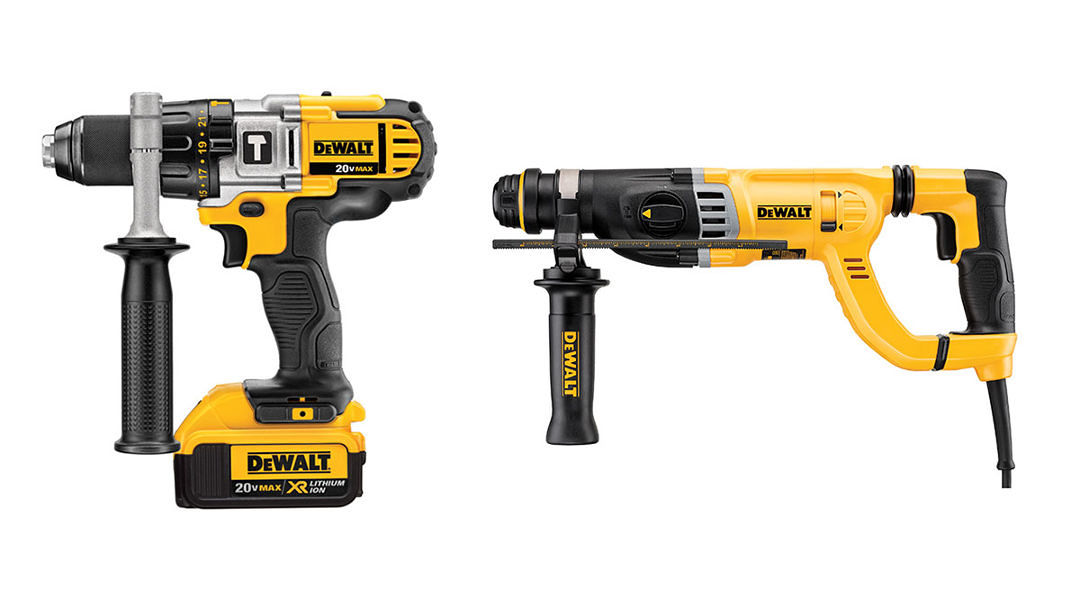
A rotary hammer is a power tool designed to drill holes in masonry and concrete using a hammering piston and a rotating bit. It often supports SDS-plus or SDS-max bits and can switch between hammer-only and rotation-plus-hammer modes.
A demolition hammer is a heavy, straight-impact tool built to break concrete, tile, and masonry. It uses a chisel or spade and delivers high impact energy without rotation, focusing on force over finesse.
Both tools overlap in some tasks, but the core difference is drilling and light chipping versus pure breaking power. This distinction is the heart of choosing between rotary hammer vs demolition hammer.

How they work: mechanics in simple terms
Rotary hammers use a piston mechanism to generate fast hammer blows while the bit spins. The bit both rotates and hammers, making it efficient for drilling and light chiseling. Models often offer three modes: rotation, hammer drilling, and chiseling.
Demolition hammers use a direct-drive or electro-pneumatic mechanism to deliver large, linear blows to a chisel. They trade rotation for raw impact energy and are optimized for breaking rather than drilling. This makes them ideal for heavy demo work.
Key specs to compare
When comparing rotary hammer vs demolition hammer, check these specs:
- Impact energy
- Rotary hammer: moderate impact energy (measured in joules), suitable for drilling and light chipping.
- Demolition hammer: high impact energy, optimized for breaking.
- Bit and tool interface
- Rotary hammer: SDS-plus or SDS-max for quick bit changes and secure seating.
- Demolition hammer: typically uses a larger chisel shank or proprietary mounts.
- Weight and ergonomics
- Rotary hammer: lighter and easier to handle for drilling overhead or angled work.
- Demolition hammer: heavier, designed for standing demolition and floor work.
- Motor size and power source
- Both come in corded and cordless models; higher amp or voltage increases power and runtime.
- Vibration and noise
- Demolition hammers generate more vibration and noise; vibration control matters for long jobs.
Understanding these specs helps you match tool capability to the job, which is the core of choosing between rotary hammer vs demolition hammer.

When to choose a rotary hammer
Choose a rotary hammer when you need to:
- Drill large-diameter holes in concrete or masonry for anchors.
- Install rebar dowels, anchor bolts, or conduit.
- Do precision chiseling or remove small areas of tile or mortar.
- Work overhead or in confined spaces where lighter weight helps.
I often pick a rotary hammer for retrofit jobs where drilling accuracy and speed matter. It saved me time on anchor layout and prevented unnecessary cracking when I used the right bit and depth stop.
When to choose a demolition hammer
Choose a demolition hammer when you need to:
- Break up slabs, footings, or thick concrete quickly.
- Remove tile and mortar over large areas.
- Demolish masonry walls or chunky footing sections.
- Rely on brute-force removal rather than precision.
On a recent garage slab demo, the demolition hammer reduced hours of labor. I learned to use progressive chiseling—start with the edges, then move inward—to avoid uncontrolled cracking.

Practical comparisons and project examples
Side-by-side uses show how rotary hammer vs demolition hammer differ in practice:
- Drilling anchor holes
- Use a rotary hammer with SDS bits for speed and clean holes.
- Removing tile
- For a few tiles, a rotary hammer with a narrow chisel works. For entire floors, a demolition hammer is faster.
- Breaking a small footing
- Rotary hammer can chip away in stages, but a demolition hammer finishes much faster.
- Tight or awkward spaces
- Rotary hammers win due to lighter weight and more maneuverability.
Real example: I used a rotary hammer to drill 3/4" anchor holes for a railing. For the same project, when removing a damaged 4" concrete curb, switching to a demolition hammer cut demo time by two-thirds.
Tips, tricks, and mistakes to avoid (from my experience)
Simple habits improve results and safety:
- Use the right bit and keep it sharp. Dull bits slow you and increase heat.
- Match SDS-plus vs SDS-max to bit size needs. Don’t force a small rotary hammer to do massive chipping.
- Let the tool do the work. Forcing reduces efficiency and shortens tool life.
- Wear hearing and vibration protection. Heavy tools can cause hand-arm vibration issues.
- Prep the work area and score edges when breaking slabs to control cracking.
Mistake I made early on: using a rotary hammer to demolish a thick slab without stopping to change bits. The result was a broken gear housing and a stalled project. Learn from that—use the right tool and maintain it.

Maintenance, durability, and cost considerations
Durability and cost affect long-term decisions between rotary hammer vs demolition hammer:
- Initial cost
- Rotary hammers range from budget-friendly to pro-grade prices.
- Demolition hammers are generally pricier for similar quality due to heavy-duty parts.
- Maintenance
- Keep chisels and bits clean and lubricated. Replace worn carbon brushes in motors.
- Regularly inspect mounts and chisel retention mechanisms.
- Life span
- Properly used demolition hammers hold up to heavy cycles. Rotary hammers last longer when not abused by nonstop heavy chiseling.
Budget tip: pair a quality rotary hammer with a mid-range demolition hammer if you do varied work. That saves wear and reduces downtime.
Quick answers (PAA-style)
How do I know if I need a rotary hammer or demolition hammer?
If you need to drill holes or do light chipping, choose a rotary hammer. If you must break or remove large concrete sections, choose a demolition hammer.
Can a rotary hammer replace a demolition hammer?
A rotary hammer can handle light chiseling but cannot match the sustained impact energy of a demolition hammer for heavy breaking.
Which bit type is best for masonry drilling?
Use SDS-plus for smaller holes and SDS-max for large-diameter drilling; both fit rotary hammers engineered for those sizes.
Frequently Asked Questions of rotary hammer vs demolition hammer
What tasks are ideal for a rotary hammer?
Rotary hammers are ideal for drilling anchor holes, installing dowels, and light chiseling in concrete and masonry.
Are demolition hammers good for precise work?
No. Demolition hammers prioritize force and speed, not precision. Use them for bulk removal, not fine detail.
Can I use a rotary hammer for full slab removal?
You can, but it is slow and hard on the tool. A demolition hammer is faster and more efficient for full slab removal.
Is vibration a major concern with demolition hammers?
Yes. Demolition hammers generate high vibration levels; use anti-vibration gear and limit continuous use to reduce risk.
Do cordless models perform well for heavy demo?
Cordless demolition hammers exist but are often less powerful than corded versions. For sustained heavy demo, corded is usually better.
Conclusion
Choosing between a rotary hammer vs demolition hammer comes down to the job: drilling and light chiseling versus heavy breaking. Know the tool specs, match them to the task, and use protective gear. My advice: keep both options available if you often switch between precision drilling and big demolition. Try renting a demolition hammer for one big job to see the difference, and invest in a quality rotary hammer if you do frequent masonry drilling. Leave a comment with your project type or tools you own, and I’ll help you pick the right tool or setup.