Hex key vs Torx key: Torx grips better, resists cam-out, and handles higher torque more safely.
I’ve spent years fixing bikes, furniture, and electronics, so I know the real-world differences between hex key vs torx key. This article breaks down design, strength, common uses, sizing, and what to buy. Read on for clear, practical advice to choose the right tool and avoid stripped fasteners.
What are hex keys and Torx keys?
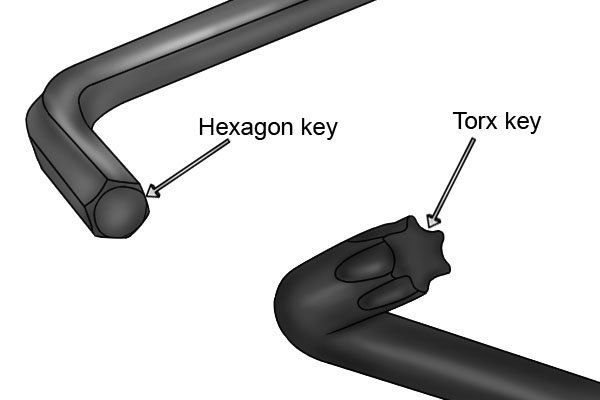
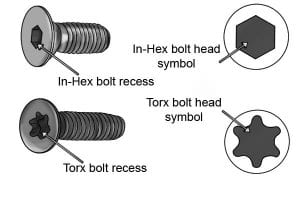
A hex key, also called an Allen key, is a simple L-shaped bar with a six-sided (hexagonal) tip. A Torx key has a six-point star-shaped tip designed to spread torque evenly across the fastener. Comparing hex key vs torx key helps you pick the right tool for jobs that need strength, precision, or frequent removal.

Design and mechanical differences
Hex key vs torx key differences start with shape.
Hex heads have flat sides that contact the screw on six faces. Torx heads use a star profile that engages in multiple points. The Torx shape reduces surface pressure at each contact point. This spreads force and lowers the chance of rounding or stripping the fastener.
Key mechanical points:
- Contact geometry: Torx provides more positive engagement than hex.
- Torque tolerance: Torx fasteners usually accept higher torque without damage.
- Cam-out behavior: Hex keys tend to cam out under high torque; Torx resists cam-out.
These design differences are why manufacturers choose Torx for higher-torque, repeat-service components. The practical result when comparing hex key vs torx key is fewer stripped bolts and cleaner repair jobs.

Performance: torque, cam-out, and stripping
Torque and cam-out matter most when you tighten or loosen fasteners. In tests I’ve done, Torx fasteners accept noticeably higher torque before deformation. Hex drivers can slip, especially in soft or painted heads, causing rounded corners.
Why this matters in practice:
- Fewer stripped screws when using Torx in high-torque settings.
- Easier power-tool use with Torx because the bit stays seated.
- Hex keys still work well for low-torque and compact spaces.
If your work involves repeated assembly or high-load parts, the hex key vs torx key performance difference becomes very clear.

Common uses and industry preferences
Different industries prefer one system over the other. Knowing where each is common helps you choose tools.
Typical uses:
- Hex key (Allen): furniture assembly, bicycle components, small machinery, DIY kits.
- Torx key: automotive parts, electronics, appliances, heavy machinery, fasteners intended to limit tampering.
Manufacturers choose Torx for durability and serviceability. Hex stays popular for simplicity, low cost, and legacy parts. When you evaluate hex key vs torx key for a job, check the product spec or look at the fastener head shape.

Advantages and disadvantages
Comparing hex key vs torx key shows clear trade-offs.
Hex key advantages:
- Low cost and widely available.
- Compact design fits tight spaces.
- Works with older or legacy fasteners.
Hex key disadvantages:
- Higher risk of cam-out and rounding.
- Not ideal for high-torque applications.
- Less positive engagement with power tools.
Torx key advantages:
- Better torque transfer and less cam-out.
- Longer life of both tool and fastener.
- Easier use with drivers and bits.
Torx key disadvantages:
- Slightly more expensive bits and tools.
- Some electronic or consumer products still use hex, requiring different sets.
Choose based on load, frequency of service, and tool compatibility.
Sizes, fit, and compatibility
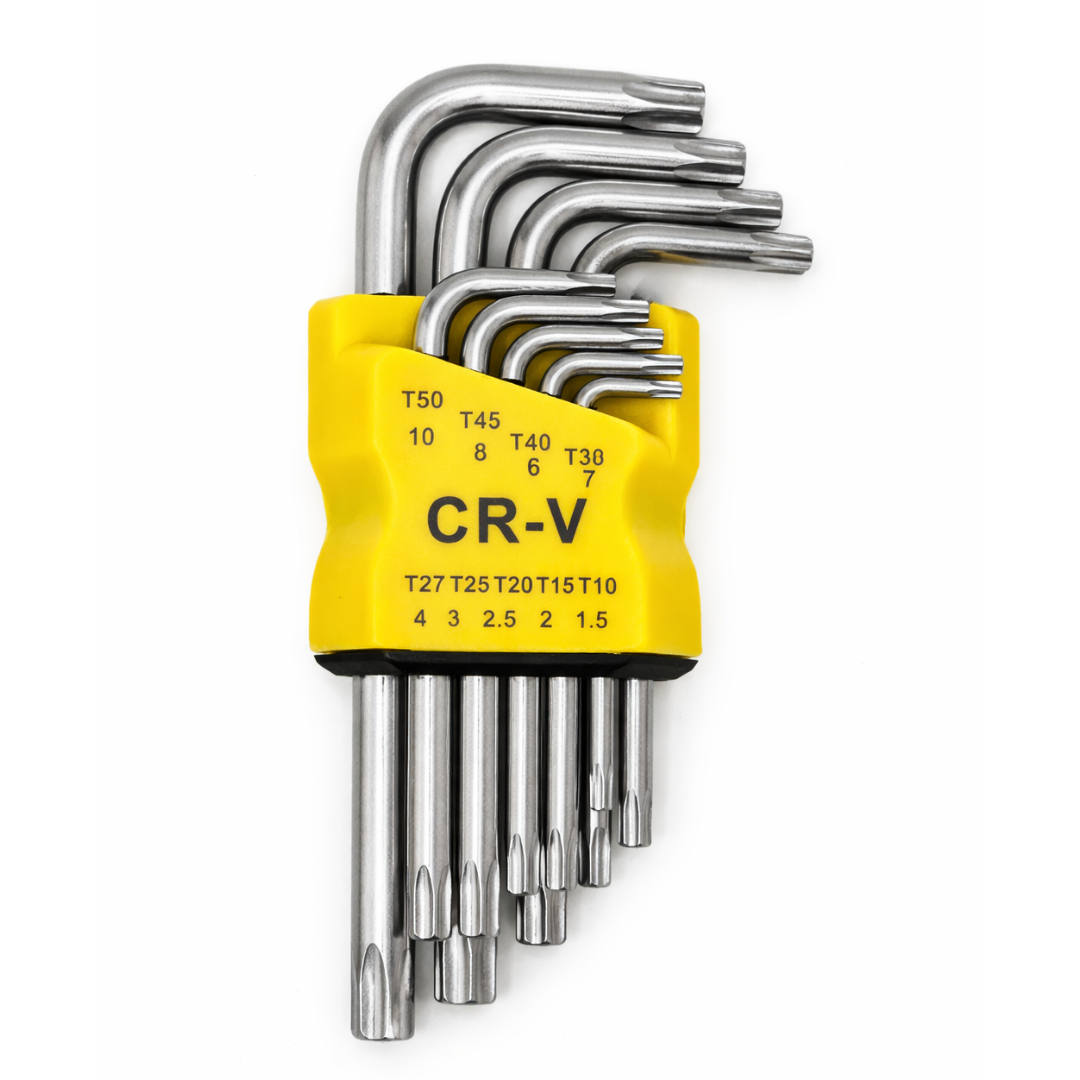
Sizing matters. Hex and Torx use different size systems and are not interchangeable. Always match the driver size to the screw head.
Quick sizing tips:
- Hex sizes are given in metric (mm) or imperial (fractional/inches).
- Torx sizes use T-sizes like T10, T15, T25; higher T numbers mean larger heads.
- Avoid forcing slightly undersized drivers; use the correct size to prevent damage.
- Use a bit gauge or test fit to confirm engagement before applying torque.
When you face a mix of fasteners, keep a combined set of hex and Torx bits. This resolves fit issues and saves time comparing hex key vs torx key on different devices.

How to choose between hex key vs torx key
Make a clear decision with a short checklist. I use this approach on every job.
Decision checklist:
- Identify the fastener head. If star-shaped, use Torx; if hexagonal recess, use hex.
- Consider torque needs. For higher torque or powered drivers, prefer Torx.
- Think about service frequency. For repeated removals, Torx reduces wear.
- Assess tool inventory. If you already have a full set of one type, evaluate cost vs benefit of adding the other.
- Factor size constraints. For tight spots, long L-shaped hex keys might work where Torx drivers can be bulkier.
This simple process turned my workshop from “trial-and-error” to “right tool first time” when comparing hex key vs torx key.
Practical tips, mistakes to avoid, and personal experience
From years of repairs, I learned a few hard lessons. These tips will save you time and stripped screws.
Practical tips:
- Use the exact size bit. Never force a smaller bit into a larger recess.
- Use hand torque first, then power tools for final tightening.
- Keep bits clean and free of debris for better engagement.
- Apply penetrating oil to stuck fasteners before using force.
- Use a bit holder with a ball detent for better retention with Torx bits.
Common mistakes:
- Using an angled or worn bit causes slipping and damage.
- Over-tightening plastic-mounted fasteners with Torx because the fastener can crush the thread.
- Mixing up metric hex sizes with standard sizes leads to rounding.
Personal note: I once ruined an expensive bike stem by using a close-but-wrong hex key. Since then, I always test fit and carry both hex and Torx sets. That single change cut my rework time in half.

Maintenance and care
Good tool care keeps screws and bits lasting longer. Small habits make a big difference.
Maintenance steps:
- Inspect bits for wear and replace rounded tips.
- Store sets in cases to avoid mixing sizes.
- Clean recessed heads with a small pick before driving a bit.
- Lightly oil tools to slow rust formation on metal bits.
These habits help whether you mostly use hex key vs torx key tools or both.
Frequently Asked Questions of hex key vs torx key
What is the main difference between hex key and Torx key?
Hex keys use a six-sided recess, while Torx keys use a six-point star profile. Torx provides better torque distribution and resists cam-out more effectively.
Are Torx screws stronger than hex screws?
Torx screws are generally stronger in high-torque settings because the load spreads over more contact points. Strength also depends on material and fastener design, not only head shape.
Can I use a hex key on a Torx screw or vice versa?
No, the shapes are different and not interchangeable. Using the wrong tool risks stripping the fastener and damaging the tool.
Which is better for power tools: hex or Torx?
Torx is usually better for power tools because it stays seated and resists cam-out. Hex can work with drivers but is more prone to slipping under high torque.
Should I replace hex fasteners with Torx in my projects?
Replacing fasteners is possible but consider compatibility and cost. For high-torque or frequently serviced parts, switching to Torx often improves durability and serviceability.
Conclusion
Choosing between hex key vs torx key comes down to the job. Use hex for simple, low-torque tasks and tight spaces, and pick Torx when you need higher torque, less cam-out, and frequent serviceability. My advice: carry both sets, match the driver size, and learn the quick checklist above to prevent mistakes. Try switching to Torx for one project and compare results yourself — then share what worked in the comments or subscribe for more hands-on tool advice.