Oscillating multi tool suits precise trim and plunge cuts; angle grinder wins at heavy metal cutting and grinding.
I’ve used both tools for years in woodworking and metalwork. This guide compares oscillating multi tool vs angle grinder with clear, hands-on advice. You’ll learn how each tool works, when to choose one over the other, safety tips, and buying advice from real projects. Read on and get confident choosing the right tool for the job.
Key differences at a glance
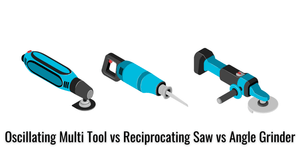
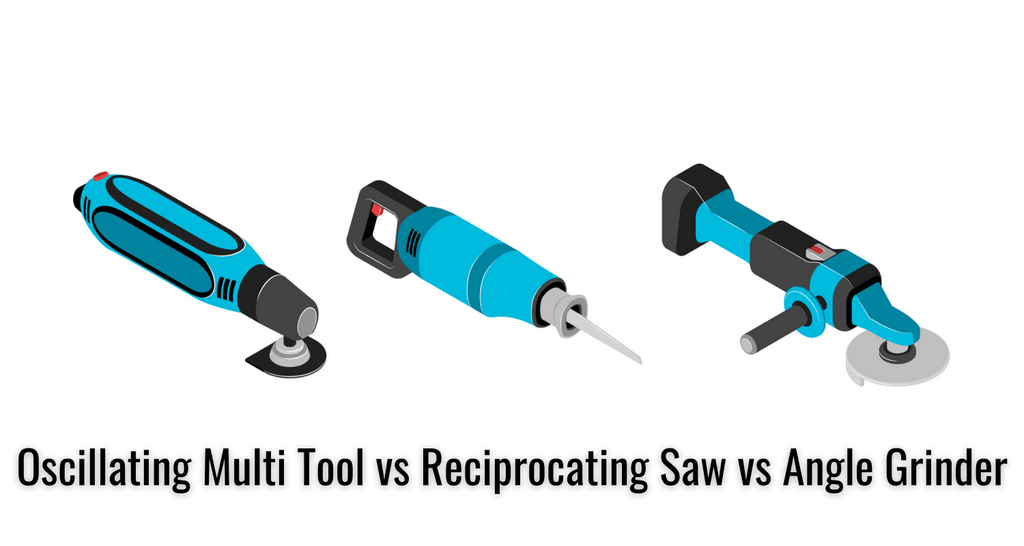
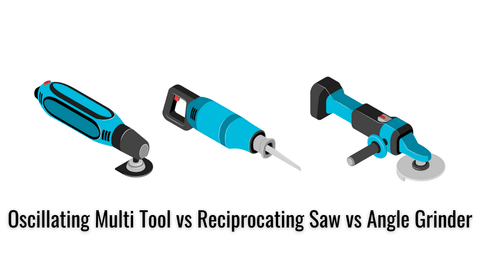
The main difference between an oscillating multi tool vs angle grinder is motion and purpose. The oscillating multi tool moves a blade back and forth in tiny arcs. The angle grinder spins a disc at high RPM. Each design shapes what the tool can do well.
- Oscillating multi tool advantages
- Precise plunge cuts and flush trim work.
- Low vibration and good control for tight spots.
- Works on wood, drywall, plastics, and soft metals.
- Angle grinder advantages
- High-power cutting and grinding on steel, stone, and masonry.
- Fast removal of material and metal shaping.
- Large accessory range for cutting, grinding, and sanding.
Use the oscillating multi tool for detail work. Use the angle grinder for heavy cutting and surface prep. This simple rule clears a lot of confusion about oscillating multi tool vs angle grinder.

How each tool works and what that means
Understanding motion helps you choose the right tool.
-
Oscillating multi tool mechanics
- Blade oscillates 3,000–20,000 oscillations per minute.
- Small arc motion reduces kick and keeps control high.
- Blades clamp on for plunge cutting, scraping, sanding, and grout removal.
-
Angle grinder mechanics
- Disc spins 3,000–12,000 RPM in circular motion.
- High tangential speed cuts and grinds rapidly.
- Requires strong guard and precise handling due to kick risk.
The oscillating multi tool is about control. The angle grinder is about power. When comparing oscillating multi tool vs angle grinder, focus on motion type first. That tells you what tasks each tool will handle well.
Typical uses and best applications
Here are real-world tasks and the right tool for each.
-
Best uses for an oscillating multi tool
- Trimming door jambs for new floors.
- Cutting drywall for electrical boxes.
- Removing grout or adhesive in tight spaces.
- Flush-cutting dowels and nails.
- Detail sanding in corners.
-
Best uses for an angle grinder
- Cutting rebar, steel pipe, and metal plate.
- Grinding welds and removing rust or paint.
- Cutting tile, stone, or concrete with proper disc.
- Sharpening tools and removing excess metal.
From personal experience, I used an oscillating multi tool to trim a door for laminate flooring. It was quick and clean. I used an angle grinder to cut steel posts for a fence. It saved hours.
When thinking about oscillating multi tool vs angle grinder, pick the tool that matches the task scale and required control.

Materials, blades, discs, and accessories
Accessories define what each tool can do.
-
Oscillating multi tool accessories
- Wood-cutting blades for plunge and cross cuts.
- Carbide or bi-metal blades for nail-embedded wood.
- Grout removal blades and scraper blades.
- Sanding pads in small shapes for corners.
-
Angle grinder accessories
- Cutting discs for metal, masonry, and tile.
- Grinding wheels for welds and heavy stock removal.
- Flap discs for blending and finishing.
- Wire wheels for rust and paint removal.
Accessory compatibility matters. A quality oscillating multi tool uses universal blade mounts or proprietary quick-change systems. Angle grinder discs must match disc size and arbor type. Always check speed and material ratings.
Power, control, and safety
Power versus control affects safety and results.
-
Control and accuracy
- Oscillating multi tool offers pinpoint accuracy and low kick. It’s safe in tight areas.
- Angle grinder demands steady hands and space. It can kick and grab on thin material.
-
Dust, sparks, and noise
- Oscillating multi tool makes less dust and noise. It creates small chips.
- Angle grinder throws sparks and more dust. Use guards and proper PPE.
-
Safety gear checklist
- Eye protection, ear protection, dust mask, gloves, and guard for grinders.
- Clamp work and secure small pieces before cutting.
- Let discs and blades reach full speed before cutting and never force the tool.
In my shop, I learned to clamp work first. I once tried trimming a door without a clamp and chipped the trim. That mistake taught me to respect control and always secure the piece. When choosing oscillating multi tool vs angle grinder, consider safety first.

Buying guide and practical tips
How to choose and shop smart.
-
Decide on corded vs cordless
- Corded tools give steady power for big jobs.
- Cordless tools offer mobility for quick fixes. Match battery voltage for performance.
-
Key specs to compare
- Oscillation rate (OPM) for multi tools.
- RPM and torque for grinders.
- Battery amp-hours for cordless use.
- Weight and handle ergonomics for extended work.
-
Brand and accessory ecosystem
- Choose a brand with wide accessory availability.
- Look for tool-free blade or disc changes.
-
Budget and value
- Buy the tool you’ll use most often.
- A mid-range oscillating multi tool plus a basic angle grinder covers most DIY needs.
-
Maintenance tips
- Clean vents and change brushes when needed.
- Inspect blades and discs for wear and damage.
- Store accessories dry and organized.
Personal buying tip: I once bought a cheap angle grinder with poor guards. I replaced it with a trusted mid-range model and it felt safer and lasted longer. That saved money over time.

Common quick questions (PAA-style)
Which tool is better for detailed woodworking?
An oscillating multi tool is better for detailed woodworking. It lets you make precise plunge cuts and trim in tight spots.
Can an angle grinder do the same jobs as an oscillating multi tool?
Some overlap exists, but not fully. Angle grinders can cut and sand fast but lack the precision and plunge capability of an oscillating multi tool.
Is it safe to use an angle grinder indoors?
Yes, with proper PPE and dust control. Use guards, respirators, and containment to manage sparks and dust.

Frequently Asked Questions of oscillating multi tool vs angle grinder
What is the main difference between an oscillating multi tool vs angle grinder?
The main difference is motion: oscillating tools move in tiny arcs for precision; angle grinders spin discs at high speed for power. This defines their ideal uses and safety needs.
Can I cut metal with an oscillating multi tool?
You can cut thin metal or pipes with the right bi-metal or carbide blade, but it is slow compared to an angle grinder. For thick or heavy metal cutting, choose an angle grinder.
Which tool is better for removing grout?
An oscillating multi tool is best for grout removal, especially in tight areas and around fixtures. It offers control and reduces the risk of damaging tiles.
Do both tools require different safety gear?
Both need eye and hand protection, but angle grinders also demand stronger guards, ear protection, and spark-safe clothing. Dust control is more critical with grinders on masonry.
Is a cordless version effective for either tool?
Cordless versions are effective for light to medium work. For long, heavy-duty tasks, corded tools or high-capacity batteries are better.
How do I choose blades or discs?
Match the blade or disc material to the workpiece and check speed ratings. Never use a disc rated below your grinder’s RPM.
Can a beginner safely use an angle grinder?
Yes, with training and proper safety gear. Start on scrap material, clamp work, and keep a firm two-handed grip.
Conclusion
Choosing between an oscillating multi tool vs angle grinder comes down to task and control. Use an oscillating multi tool for precise trim, plunge cuts, and tight-space work. Use an angle grinder for heavy cutting, grinding, and quick material removal. Start by matching the tool to the job, invest in proper accessories, and prioritize safety. Try both on small projects to build skill. If this helped, leave a comment with your project or subscribe for more tool guides and tips.