Speed square excels for quick roof layout; combination square is better for precision and metalwork.
I’ve used both tools for years on framing, trim, and metal projects. This guide breaks down speed square vs combination square with clear use cases, hands-on tips, and buying advice so you pick the right tool for the job.

What is a Speed Square?
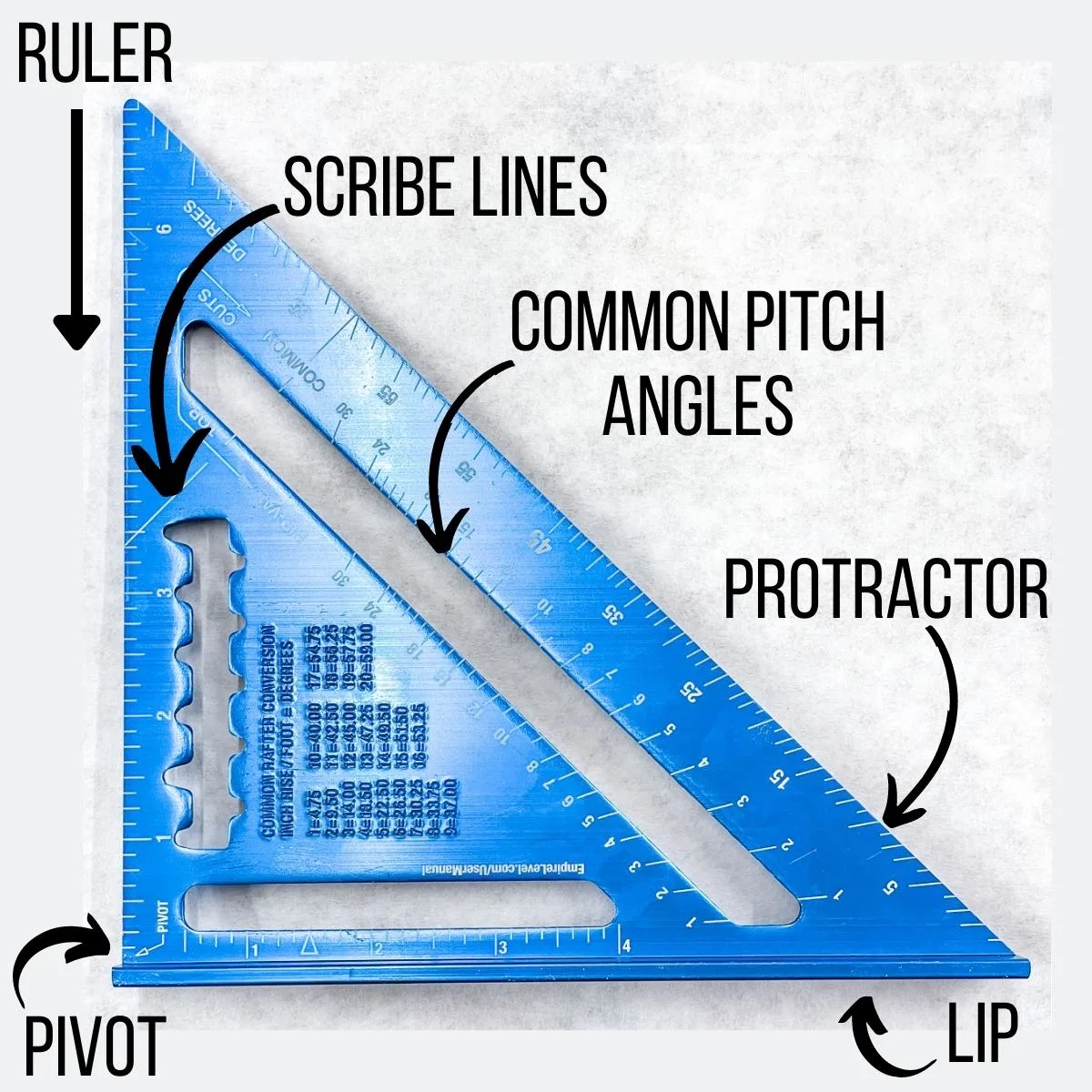
A speed square is a compact triangular tool made for fast layout and marking. It has a 90-degree and 45-degree edge, scribe notches, and degree markings for quick angle checks and rafter cuts. Carpenters love it for one-handed marking, squaring boards, and rapid roof layout.
Speed squares are usually stamped or cast from aluminum or steel. They are simple, rugged, and meant to speed up common on-site tasks.

What is a Combination Square?
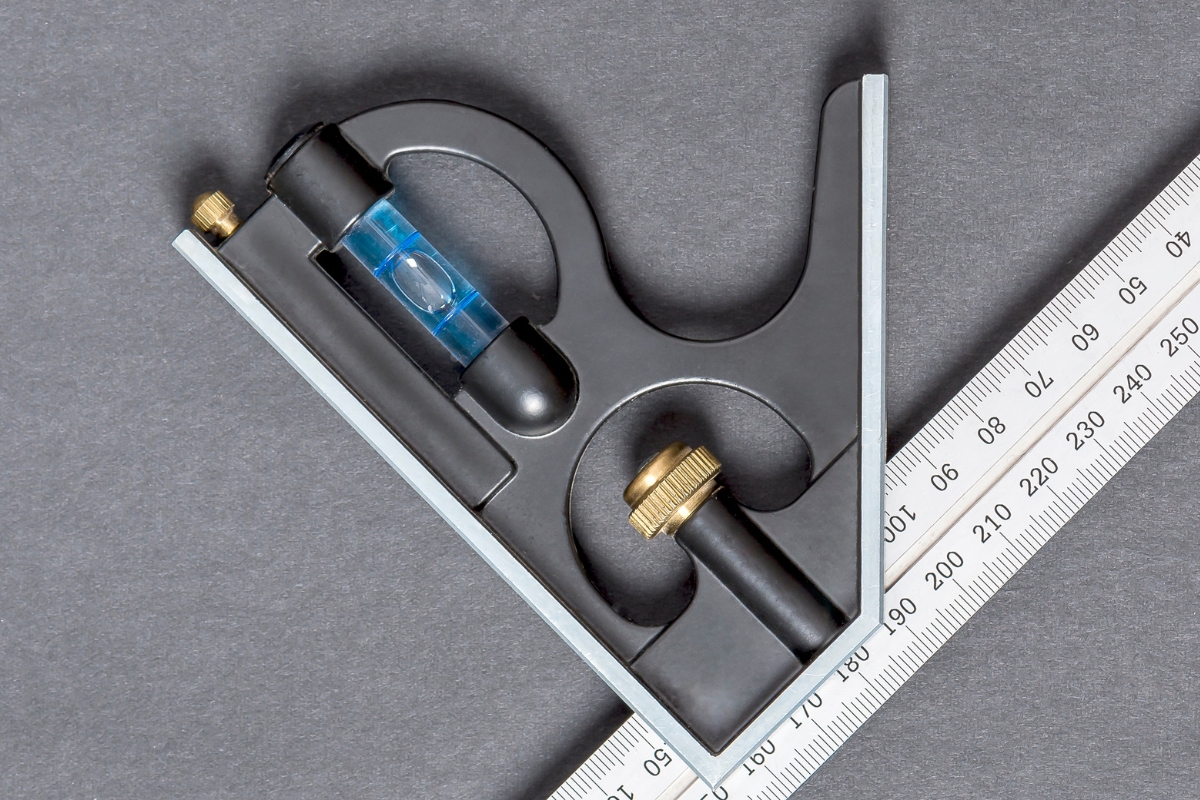
A combination square has a 90-degree head, 45-degree head, and an adjustable ruler that slides through the head. It’s built for accuracy: measuring depth, checking squareness, setting blade height, and marking precise lines. Woodworkers, machinists, and metalworkers use it when accuracy matters more than speed.
The ruler can be replaced and is usually steel, allowing fine graduations for layout and transfer measurements.
Speed Square vs Combination Square — Direct Comparison
Below are focused differences to help you decide between speed square vs combination square.
Design and form
- Speed square: Triangular, flat, with one solid lip for fence reference and scribe notches for common angles.
- Combination square: T-shaped with a sliding ruler and interchangeable heads for varied tasks.
Accuracy and repeatability
- Speed square: Good for quick visual squaring and repeat marks; not a precision instrument to the thousandth of an inch.
- Combination square: Designed for higher accuracy and repeatable measurements across setups.
Primary uses
- Speed square: Roof pitches, stair stringers, quick 90/45 plates, angle pivot marks, and saw guides.
- Combination square: Machine layout, precision joinery, checking depths, transferring measurements, and setting saw blade heights.
Durability and portability
- Speed square: Lightweight and tough; easy to slip in a tool belt.
- Combination square: Bulkier but rugged; better stored in a toolbox to protect the ruler.
Skill level and learning curve
- Speed square: Very low learning curve; quick to pick up for beginners.
- Combination square: Requires more practice to use all functions well.
Cost and value
- Speed square: Very affordable. Great ROI for framers and DIYers.
- Combination square: Slightly pricier but offers precision that pays off for fine work.
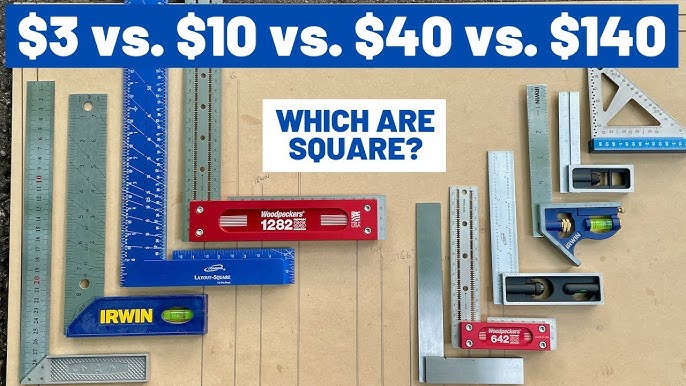
When thinking about speed square vs combination square, choose based on whether you need speed and ease or precision and versatility.
When to Use Each Tool
Common scenarios with clear guidance on when to prefer each tool.
Use a speed square when:
- You need quick marks on framing lumber or rafters.
- You want a simple saw guide for 45-degree or 90-degree cuts.
- You’re working on a roof or doing fast layout work.
Use a combination square when:
- You must measure and transfer exact distances.
- You’re setting blade depth, checking dovetail angles, or working with metal.
- The project requires fine tolerances or repeatable setups.
Example projects
- Framing a shed: speed square for rafter angles, combination square for final trim fits.
- Building a table: speed square for quick cuts, combination square for accurate leg joinery.
Tips, Techniques, and Common Mistakes
Practical tips I learned after using both tools on job sites and in the shop.
Tips
- Use the speed square’s fence edge firmly against the board for cleaner marks.
- Tighten the combination square ruler before measuring to avoid play.
- Keep both tools clean and free of burrs to maintain accuracy.
Techniques
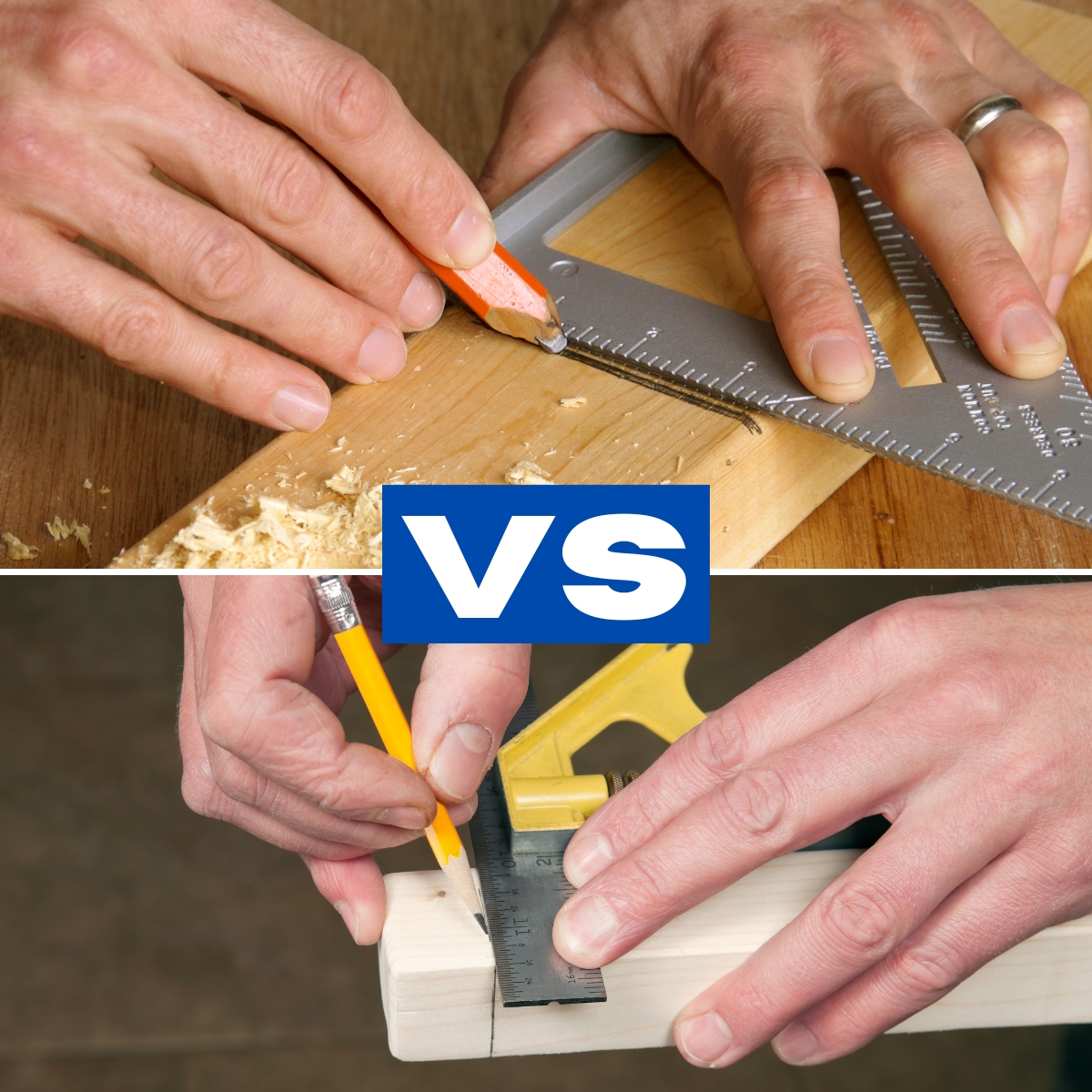
- For angled cuts, pivot the speed square on the fence and mark the blade line with a pencil at the notch.
- Use the combination square’s center-finding function to locate pipe or dowel centers.
Common mistakes
- Relying on a speed square for precision layout on fine joinery leads to gaps and rework.
- Not checking the combination square ruler for nicks; small dents ruin accuracy.
- Using the wrong tool just because it’s handy—matching tool to task saves time.
Personal experience
- Early in my carpentry days I used a speed square for everything. I lost hours fixing trim gaps. Switching to a combination square for layout fixed that. Conversely, on a roofing job, switching from a combination square to a speed square cut my layout time in half.

How to Choose the Right Square for Your Project
A quick buying and selection guide to help you choose confidently.
Decide by priority
- If speed and portability matter, pick a good aluminum speed square.
- If accuracy and measurement versatility matter, invest in a quality combination square with hardened steel ruler.
Features to look for
- Clear, easy-to-read graduations on the ruler or degree scale.
- Solid lip on a speed square that doesn’t rock.
- A hardened, straight ruler on a combination square with a positive locking screw.
- Corrosion-resistant finish for outdoor use.
Budget guidance
- Low-cost speed squares are fine for rough carpentry.
- Mid-range combination squares with a quality ruler are worth the extra cost for cabinetry and metalwork.
Maintenance and calibration
- Check straight edges against a known square or surface.
- Replace rulers with nicks; a bent ruler will always mislead.
Frequently Asked Questions of speed square vs combination square
What is the main difference between a speed square and a combination square?
The main difference is function: a speed square is a quick layout tool for framing and roof work, while a combination square is a precision measuring and marking tool. One prioritizes speed, the other accuracy.
Can I use a speed square for metalworking?
You can use a speed square for rough metal layout, but it lacks the precision and features of a combination square for metalworking tasks. For accurate metal layout and measuring, a combination square is better.
Which square is better for woodworking joints?
A combination square is better for woodworking joints because it provides precise measurements and repeatable layouts. Use a speed square for quick rough cuts and angles.
Is a speed square accurate enough for trim work?
A speed square alone is often not accurate enough for fine trim work that needs tight fit and finish. For trim, use a combination square for final checks and fine adjustments.
How do I maintain the accuracy of my squares?
Keep edges clean, avoid dropping them, store in a dry place, and check against a known straight edge regularly. Replace damaged rulers or discard warped tools to stay accurate.
Can both tools check a 90-degree corner accurately?
Both tools can check 90-degree corners; the combination square offers more precise verification while the speed square offers quick, practical checks. Use the combination square when tolerance is tight.
Conclusion
Choosing between a speed square vs combination square comes down to speed versus precision. Use a speed square for fast layout and framing. Choose a combination square for precise measuring, metalwork, and fine joinery. Try keeping one of each in your kit—use the speed square to move fast and the combination square to make things fit right. Share your projects or questions below, subscribe for more hands-on tips, or leave a comment about what tools you use most.