Bolt cutters handle thicker, hardened metal; cable cutters are best for clean cuts on wire and cable.
Choosing between bolt cutters vs cable cutters sounds simple until you’re standing in front of a chain, padlock shackle, fence wire, or armored cable and need the right tool fast. I’ve seen plenty of people reach for the bigger, stronger tool when the cleaner, safer option would have been a cable cutter. The difference matters for cut quality, tool life, and your safety, so let’s break down bolt cutters vs cable cutters in a clear, practical way.
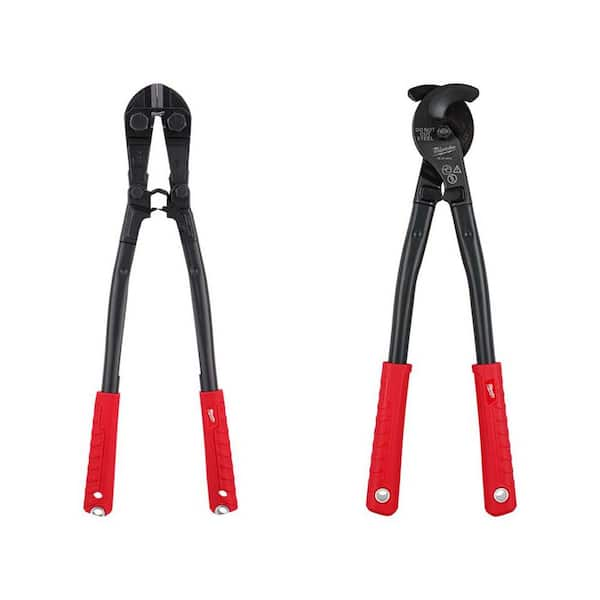
Bolt cutters vs cable cutters: what each tool is designed to do
Bolt cutters are built for brute force. They use long handles and compound leverage to snap through hard materials like bolts, padlocks, chains, rods, and heavy wire. Their jaws are thick and powerful, which helps them crush and shear tough metal.
Cable cutters are more precise. They are made to cut soft to medium metal conductors like electrical cable, steel cable, and wire rope. Their blades are shaped to make a cleaner cut with less crushing, which matters when you want less fraying and less damage to the material.
In simple terms, bolt cutters are the muscle, and cable cutters are the scalpel. When you compare bolt cutters vs cable cutters, the best choice depends on the material, the finish you need, and how much force the tool must handle.

Key differences between bolt cutters vs cable cutters
The biggest difference is not just size. It is the way each tool applies force and the kinds of metals they are meant to cut.
Cutting action
Bolt cutters use a chopping and crushing motion. That makes them great for hard, thick objects, but the cut is usually rough.
Cable cutters use a shearing action. That gives a cleaner cut and is easier on stranded wire and cable insulation.
Jaw shape
Bolt cutters have broad, angled jaws with strong cutting edges. They are made to bite into tough material.
Cable cutters usually have rounded or curved jaws that wrap around the cable. That helps prevent flattening and splitting.
Handle length
Bolt cutters often have long handles for leverage. The longer the handles, the more force you can generate.
Cable cutters can be smaller and more compact. Some heavy-duty versions still have long handles, but they are usually easier to control than bolt cutters.
Best use cases
Bolt cutters are ideal for:
- Chains
- Padlocks
- Fence wire
- Rebar ties
- Hardened rods
Cable cutters are ideal for:
- Electrical cable
- Wire rope
- Telecommunications cable
- Copper and aluminum conductors
- Stranded wire
Cut quality
Bolt cutters often deform the material. That is fine when you are cutting something to remove it.
Cable cutters aim for a neat end. That matters in electrical, marine, and rigging work.
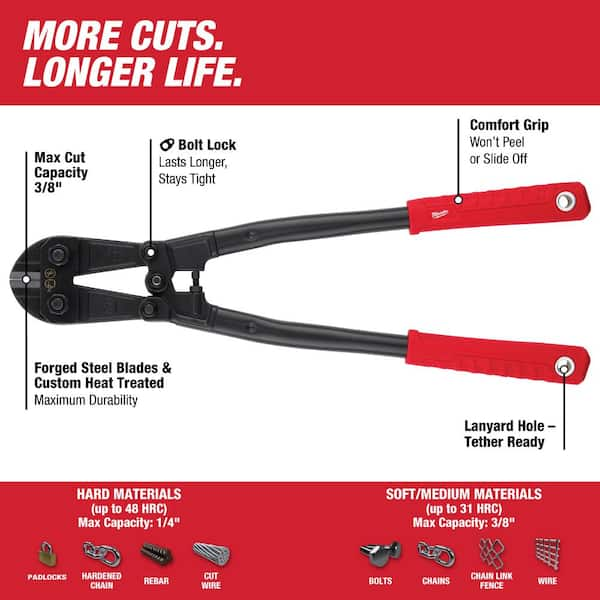
When to use bolt cutters
Use bolt cutters when the material is hard, thick, or awkward to cut with a cleaner cutting tool. In my experience, bolt cutters are the tool you want when the job is more about demolition or removal than finish quality.
They shine in situations like:
- Breaking a chain that secures equipment
* Removing old locks or hasps - Cutting hardened wire fencing
- Snipping thick metal ties at a job site
One mistake I have seen again and again is trying to force bolt cutters onto cable that should be cut with a cable cutter. The result is often crushed strands, ugly ends, and more effort than needed. Bolt cutters are powerful, but they are not the right answer for every metal.
When to use cable cutters
Use cable cutters when you need a clean, controlled cut on wire, cable, or stranded conductors. This is especially important in electrical work, where a crushed cut can make installation harder and can affect termination quality.
Cable cutters are a smart choice for:
- Electrical wiring
- Wire rope
- Guy wire
- Control cable
- Soft steel cable
If you are working with insulated conductors, cable cutters also help reduce damage to the jacket. That clean edge can save time and make your finished work look professional. For anyone comparing bolt cutters vs cable cutters for cable installation, the cable cutter usually wins.
Safety considerations you should not ignore
Both tools can be dangerous if used the wrong way. The force they generate is high, and when metal snaps, it can move fast.
Keep these safety basics in mind:
- Wear safety glasses
- Keep hands clear of the jaws
- Check for hidden tension in the material
- Cut in a stable position
- Do not use damaged tools
- Never cut hardened material that exceeds the tool rating
I always tell people this: a tool that feels “strong enough” is not the same as a tool that is “right enough.” That lesson shows up fast with bolt cutters vs cable cutters, because using the wrong one can cause kickback, dull the blades, or even break the tool.
Also, always check the manufacturer’s cutting capacity. Reputable tool makers publish limits for diameter and material type, and those limits matter.
Which one is stronger
If you mean raw cutting power on hard objects, bolt cutters are stronger. They are built to create a huge mechanical advantage, which makes them better for thick bolts, chains, and locks.
If you mean precision and control on cable, cable cutters are stronger in that specific job. They are not made to smash through hardened steel, but they do their intended work better and cleaner.
So the better question is not “Which is stronger?” It is “Stronger at what?” That is the heart of bolt cutters vs cable cutters.
How to choose the right tool
Choosing between bolt cutters vs cable cutters gets easier when you match the tool to the material.
Ask yourself these questions:
- Is the material hard or soft?
- Do I need a clean cut or just removal?
- Is it solid metal, stranded wire, or cable?
- How thick is the material?
- Am I working in electrical, construction, security, or marine settings?
A simple rule of thumb:
- Use bolt cutters for hard, thick, or security-related metal
- Use cable cutters for wire, cable, and stranded conductors
If you are unsure, read the tool specs and material ratings first. A few seconds of checking can save you from wrecking the jaws or making a messy cut.
Common mistakes people make
A lot of problems with bolt cutters vs cable cutters come from using the wrong tool or using it the wrong way.
Here are the most common mistakes:
- Using bolt cutters on electrical cable when cable cutters would be cleaner
- Using cable cutters on hardened chain or padlocks
- Cutting material that is too large for the tool
- Twisting the tool instead of making a straight cut
- Ignoring blade wear and dullness
- Buying based on handle size alone
I have also seen people assume all “wire cutters” are the same. They are not. A general-purpose cutter, diagonal cutter, cable cutter, and bolt cutter all serve different jobs. That small detail can change the whole outcome.
Maintenance tips for longer tool life
Good maintenance keeps either tool working better and longer. Dirt, rust, and blade wear can make cutting harder and less safe.
To care for your tools:
- Wipe them clean after use
- Store them dry
- Lightly oil pivot points
- Inspect jaws for chips or cracks
- Keep blades sharp if the manufacturer allows sharpening
- Do not overload the tool
In real life, the difference between a tool that lasts and one that fails early is often simple care. A clean, dry, properly stored cutter will usually outperform a neglected one every time.
Bolt cutters vs cable cutters for electrical work
For electrical work, cable cutters are usually the better choice. They are designed to cut copper and aluminum conductors cleanly, which helps prevent frayed strands and damaged insulation.
Bolt cutters are generally a poor fit for electrical cable unless you are dealing with a heavy, non-standard removal task. Even then, you should be cautious, since they can crush conductors and create rough ends.
If your work involves live circuits or anything near energized conductors, follow proper lockout and safety procedures and use tools rated for the job. In electrical settings, precision matters as much as power.
Bolt cutters vs cable cutters for security and demolition
For security hardware and demolition, bolt cutters often make more sense. They are commonly used to remove chains, locks, and metal barriers when the task calls for force.
That said, the tool does not make the job easy if the material is hardened or oversized. Many modern locks and chains are made with cut-resistant alloys, so you may need a tool with enough jaw capacity and leverage.
Cable cutters are less useful in this setting unless the “cable” is the target, such as steel wire rope or support cable. For chain, bolt cutters are usually the more appropriate tool.
Environmental and material factors
The material itself changes everything. Mild steel, hardened steel, stainless steel, copper, aluminum, and wire rope all behave differently under pressure.
Some useful points:
- Copper and aluminum cut easily with cable cutters
- Stranded steel cable usually needs a dedicated cable cutter
- Hardened steel often requires bolt cutters or specialized cutting tools
- Stainless steel can be tough on both tools, depending on size and hardness
This is why bolt cutters vs cable cutters should never be decided by looks alone. Material type, diameter, and hardness matter more than the label on the handle.
FAQ
What is the main difference between bolt cutters and cable cutters?
Bolt cutters are made for hard, thick metal like bolts, chains, and locks. Cable cutters are made for wire, cable, and stranded conductors, where a cleaner cut matters more.
Can bolt cutters cut steel cable?
Sometimes, but not always well. If the cable is thick or high-tension, bolt cutters may crush the strands instead of giving a clean cut, so a proper cable cutter is usually better.
Are cable cutters stronger than bolt cutters?
Not in raw cutting force. Bolt cutters are stronger for hard metal, while cable cutters are stronger for cleanly cutting wire and cable without damage.
Which tool is better for electrical wire?
Cable cutters are the better choice for electrical wire. They give a neat cut and reduce the chance of fraying or damaging the conductor.
Can I use bolt cutters instead of cable cutters in a pinch?
You can, but it is not ideal. Bolt cutters may damage the cable and make the cut rough, so use them only if the material and task make sense for that tool.
How do I know which cutter to buy?
Match the tool to the material you cut most often. If you work with chains and locks, choose bolt cutters. If you work with wire, cable, or conductors, choose cable cutters.
Conclusion
When you compare bolt cutters vs cable cutters, the right choice comes down to the material and the result you need. Bolt cutters bring power and are best for hard metal, while cable cutters bring precision and are best for cable and wire. Using the right one saves time, improves safety, and gives you a cleaner result.
If you remember one thing, make it this: do not fight the tool. Match the tool to the job, check the cutting limits, and your work will go smoother every time. If this guide helped, keep exploring related tool comparisons or leave a comment with the task you are trying to solve.