End cutting pliers are for clean flush cuts and prying; diagonal cutters are best for snipping wire quickly and precisely.
If you have ever held both tools in your hand, you already know they can look a little similar at first glance. But in real use, end cutting pliers vs diagonal cutters serve different jobs, and picking the right one can save time, reduce hand strain, and give you a cleaner result. I’ve used both on job sites and in home repairs, and the difference becomes obvious the moment you need a flush cut, a tight reach, or a fast wire trim.

What Are End Cutting Pliers?
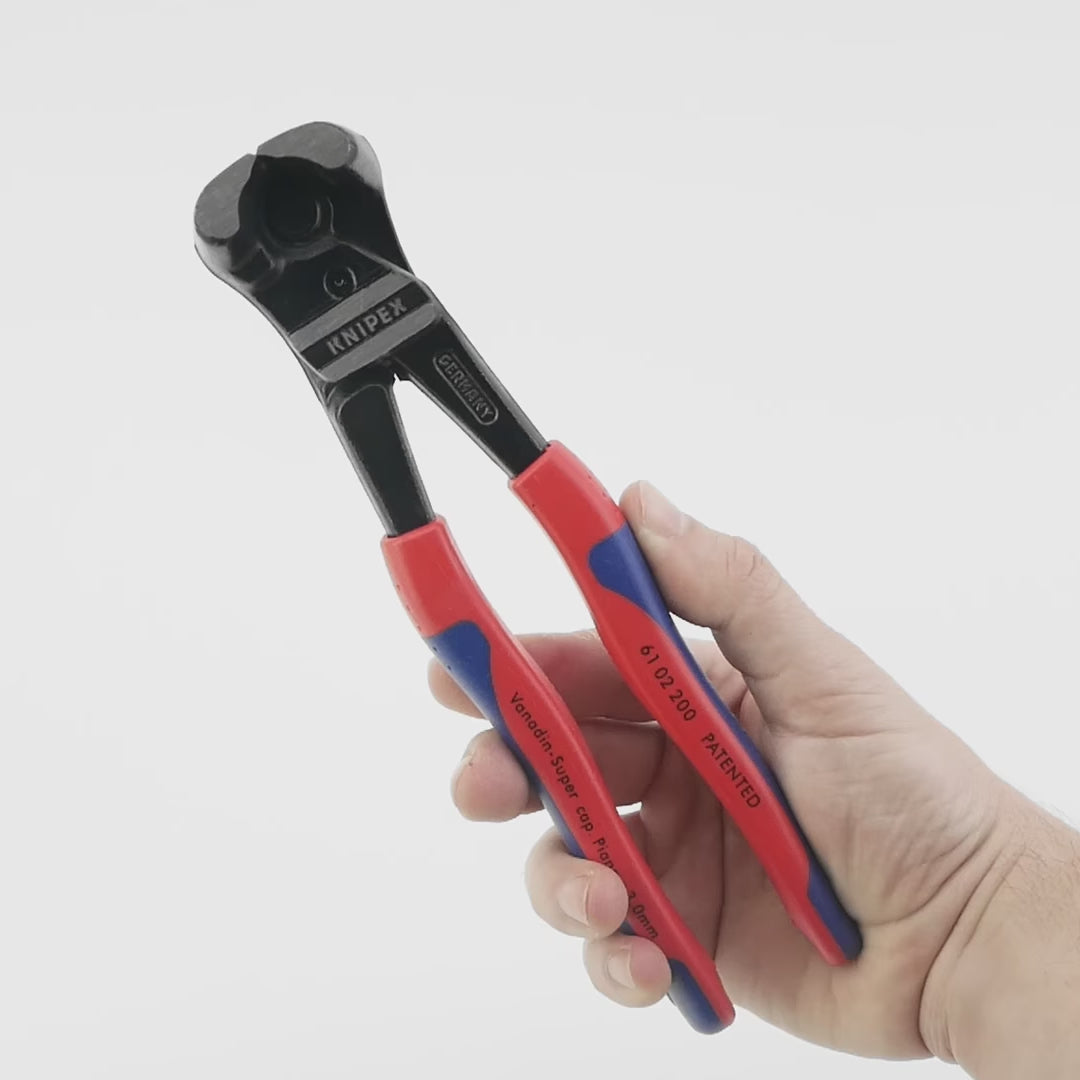
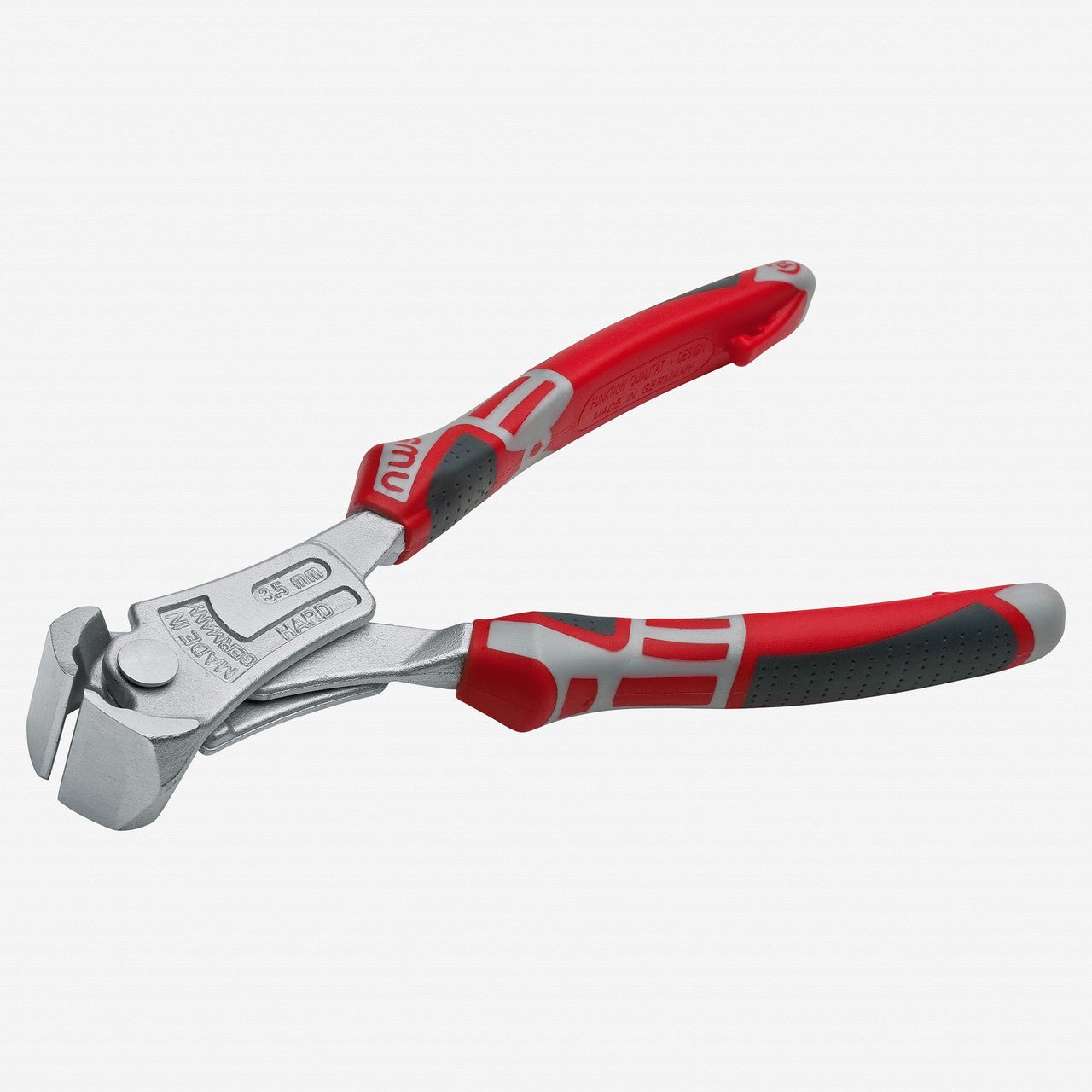
End cutting pliers are heavy-duty hand tools with jaws that meet at the end, almost like a small pair of side-acting jaws. Their cutting edge faces the work surface, which makes them useful for cutting things close to a flat surface. They are often called end nippers or end-cut nippers, and they are common in carpentry, construction, fencing, and demolition work.
The design gives them a strong bite. That means they are better for pulling, gripping, and cutting tougher materials than many people expect. I have used them to clip nails, trim wire ends flush with wood, and remove stubborn fasteners that a lighter cutter would not touch cleanly.
Typical uses include:
• Cutting nails and small fasteners close to the surface
• Pulling staples, pins, and brads
• Trimming wire ends in tight spots
• Gripping and twisting material during repairs
• Flush cutting soft metals or plastic parts
One thing to remember is that end cutting pliers are not always the cleanest choice for delicate electrical work. They are built more for strength and access than for ultra-fine wire cutting.
What Are Diagonal Cutters?
Diagonal cutters, often called side cutters or dikes, are designed with angled jaws that slice wire from the side. That angled head gives you a very direct cutting motion, which is why electricians, mechanics, and hobbyists use them so often. They are one of the most common cutting tools in tool bags because they are simple, fast, and precise.
These cutters excel at cleanly snipping wire, cable ties, and small leads. In my own work, I have reached for diagonal cutters dozens of times when I needed a quick, controlled cut without crushing the wire too much. They feel like a pencil sharpener for wire: small, efficient, and easy to aim.
Common uses include:
• Cutting electrical wire and cable ties
• Trimming component leads in electronics
• Snipping soft copper and aluminum wire
• Removing zip ties in tight spaces
• Light trimming work where precision matters
Many diagonal cutters come in insulated versions for electrical work, but only those rated for the job should be used around live circuits. That matters for safety, not just convenience.

End Cutting Pliers vs Diagonal Cutters: The Main Differences
When people compare end cutting pliers vs diagonal cutters, the biggest difference is the jaw angle and the type of cut each tool makes. End cutting pliers cut from the end of the jaws, while diagonal cutters cut from the side. That simple design change affects everything from leverage to reach to the kind of finish you get.
Here is the practical breakdown:
• Cutting direction: End cutting pliers cut straight into the work; diagonal cutters cut across it from an angle
• Best use: End cutting pliers are better for flush cuts and pulling; diagonal cutters are better for wire trimming
• Strength: End cutting pliers usually offer more biting force on tougher materials
• Precision: Diagonal cutters usually give better control for fine wire work
• Access: End cutting pliers can reach flat surfaces well; diagonal cutters can fit into narrow side angles more easily
In my experience, end cutting pliers feel more like a small demolition tool, while diagonal cutters feel like a precision tool. Neither is better in every situation. The right one depends on what you are cutting and how neat the result needs to be.

Which Tool Is Better for Different Jobs?
Choosing between end cutting pliers vs diagonal cutters gets easier when you match the tool to the task. A lot of frustration comes from using the wrong tool and then blaming the tool itself. That happened to me early on when I tried to cut heavy wire with a small diagonal cutter and ended up nicking the jaws.
Use end cutting pliers when you need:
• A flush cut against wood, plastic, or a flat surface
• To remove nails, staples, or brads
• More force for tougher material
• A tool that can also pry or pull a little
Use diagonal cutters when you need:
• Fast wire trimming
• Controlled snips in electrical or electronics work
• Clean cuts on soft wire and cable ties
• Better access from the side
A simple rule helps: if the cut needs force and flat access, choose end cutting pliers. If the cut needs speed and precision, choose diagonal cutters.

Build Quality, Materials, and Edge Design
The performance of end cutting pliers vs diagonal cutters depends a lot on how they are made. Good tools use hardened steel, precise jaw alignment, and handles that fit the hand well. Lower-quality tools can dull fast, leave rough cuts, or twist under load.
Most better-grade tools use:
• Hardened alloy steel for the jaws
• Induction-hardened cutting edges for longer life
• Ergonomic grips for comfort
• Spring-loaded handles on some diagonal cutters for faster use
Edge geometry matters too. Diagonal cutters often have sharper, thinner edges because they are made for clean wire cuts. End cutting pliers usually have thicker, stronger edges that hold up better under abuse. That is why end cutting pliers can survive rougher work, even if they are not as refined.
A tool maker’s specs can tell you a lot. Look for the material rating, cutting capacity, and whether the cutter is designed for soft wire, hard wire, or piano wire. That small detail can make a big difference.

Safety and Best Practices
Safety should be part of any end cutting pliers vs diagonal cutters comparison. Both tools can slip, pinch, or chip if used the wrong way. I have seen people try to cut hardened wire with the wrong cutter and take a tiny metal chip right into the hand or eye.
Good habits include:
• Wear safety glasses when cutting metal
• Match the tool to the wire hardness
• Do not use cutters as hammers or pry bars unless the tool is made for that
• Keep the jaws aligned and clean
• Replace worn or damaged cutters before they fail
For electrical work, always verify the tool rating before touching live circuits. Tools that look similar can have very different safety levels. That is one place where guessing is not worth it.
How to Choose the Right One for Your Tool Kit
If you are building a basic kit, the choice between end cutting pliers vs diagonal cutters comes down to your most common tasks. For general home use, many people get more daily value from diagonal cutters because they handle wire and cable ties so well. But if you do carpentry, trim work, or light demolition, end cutting pliers may earn their place first.
Ask yourself:
• Do I cut wire more often than nails or fasteners?
• Do I need clean flush cuts near a surface?
• Am I working mostly in electrical, mechanical, or construction tasks?
• Do I want one tool for precision or one for strength?
If I were helping a friend buy just one tool, I would say start with diagonal cutters for electrical and light household work. Then add end cutting pliers if you start doing more trim, fastening, or removal work. That two-tool combo covers a lot of ground without overbuying.

Practical Examples From Real Use
Here is where end cutting pliers vs diagonal cutters really separates in everyday work. On one repair, I needed to remove old staples from a wooden frame. Diagonal cutters could grab them, but end cutting pliers got under the head better and pulled them cleanly with less damage to the wood.
On another job, I was trimming a bundle of cable ties inside a crowded panel. End cutting pliers felt clumsy there, while diagonal cutters slipped in neatly and made fast, flush cuts. That is the pattern I keep seeing: end cutting pliers shine on stubborn, surface-level work, while diagonal cutters win on fast wire cleanup.
Think of it like using a chisel versus a scissors. Both cut, but they do it in very different ways. The better tool is the one that fits the shape of the job.
Frequently Asked Questions of end cutting pliers vs diagonal cutters
Are end cutting pliers the same as diagonal cutters?
No, they are different tools with different jaw angles and cutting styles. End cutting pliers cut from the end and are better for flush cuts and pulling, while diagonal cutters cut from the side and are better for wire trimming.
Which tool is better for electricians?
Diagonal cutters are usually the better choice for electricians because they give cleaner, more precise wire cuts. If the work also involves trimming fasteners or making flush cuts, end cutting pliers can be a useful second tool.
Can end cutting pliers cut wire?
Yes, they can cut wire, especially soft wire and light-gauge metal. But diagonal cutters are usually better for regular wire-cutting tasks because they are designed for that job.
Are diagonal cutters good for nails?
Not really. Diagonal cutters are made for wire and similar material, so nails can damage the cutting edges or make the cut awkward. End cutting pliers are a much better choice for nails and small fasteners.
Which tool lasts longer?
That depends more on material quality and how you use it than the tool type alone. High-quality hardened steel tools last longer, but using the wrong cutter on hard wire will wear out either one faster.
Do I need both tools?
If you do varied work, yes, both can be worth owning. Diagonal cutters cover most wire tasks, while end cutting pliers handle flush cutting, pulling, and tougher surface work better.
Conclusion
When you compare end cutting pliers vs diagonal cutters, the difference is not just shape. It is about purpose, control, and how the tool behaves in real work. End cutting pliers are the stronger choice for flush cuts, nail pulling, and tougher jobs, while diagonal cutters are the smarter pick for clean wire trimming and precision work.
The best approach is simple: use the tool that matches the task, and it will last longer and perform better. If you are building your kit or replacing an old cutter, think about what you cut most often and choose with that in mind. Explore more tool guides, compare your options carefully, and leave a comment with the job you are trying to solve.