A refrigerant scale measures exact charge by weight; a charging cylinder estimates refrigerant by volume.
If you work on HVAC or refrigeration systems, this difference matters more than most people realize. The refrigerant scale vs charging cylinder choice can affect accuracy, safety, system performance, and even how much time you spend on the job. In this guide, I’ll walk you through both tools in a practical way so you can see when each one makes sense and why the refrigerant scale usually wins for precision.

What Is a Refrigerant Scale?
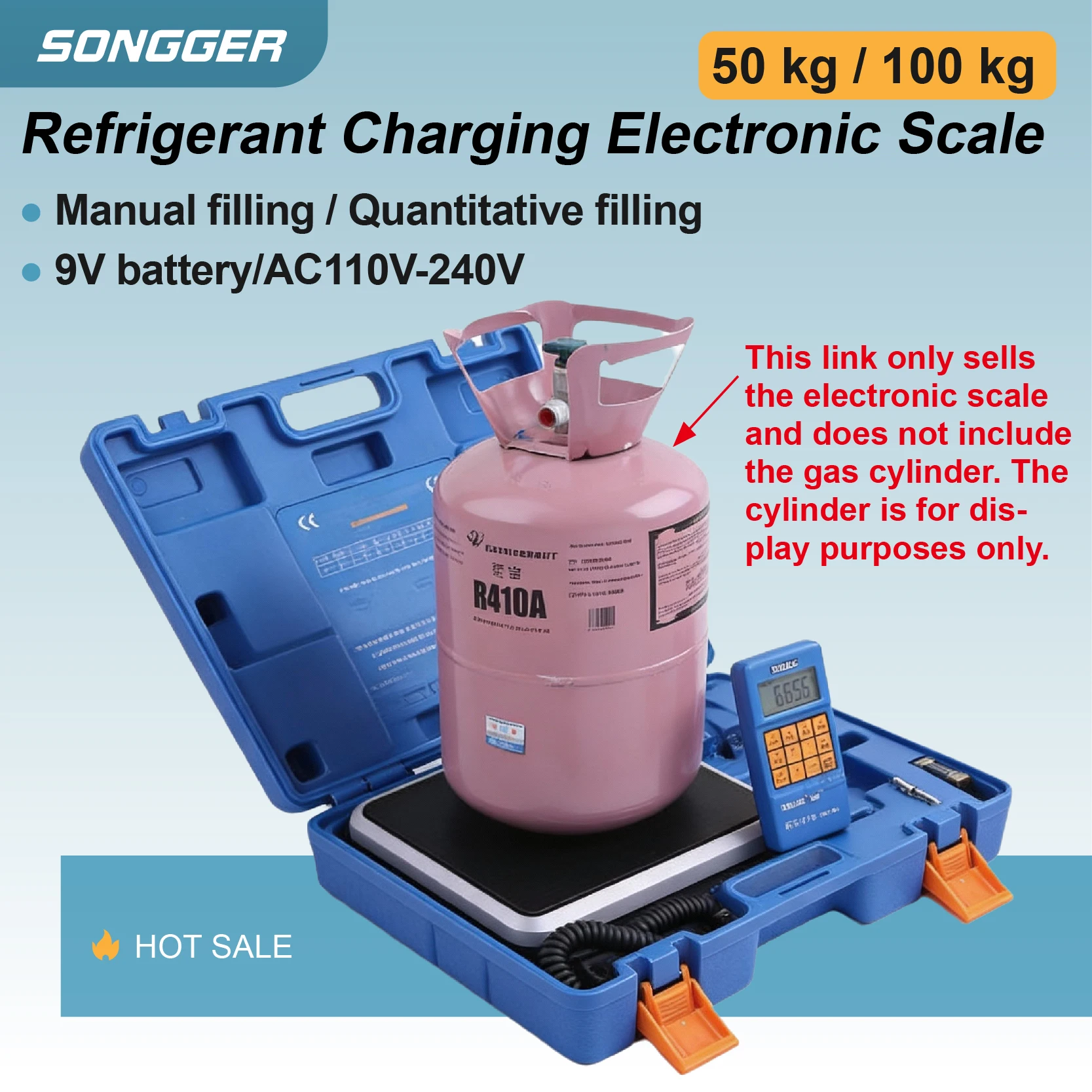
A refrigerant scale is a tool used to measure refrigerant by weight. It is placed under a cylinder, recovery tank, or charging container so you can see exactly how much refrigerant has been added or removed.
This tool is common in HVAC service because refrigerant charge is usually specified in ounces or pounds. When I first started around service work, the refrigerant scale was one of the first tools I learned to trust. If the system called for 6.2 pounds, the scale made it simple to hit that number without guessing.
A refrigerant scale is especially useful when:
• Charging a new system
• Recovering refrigerant into a cylinder
• Matching the manufacturer’s target charge
• Avoiding overcharge or undercharge issues
The big advantage is control. In refrigeration work, control saves time, reduces callback visits, and helps protect compressors.
What Is a Charging Cylinder?
A charging cylinder is a container used to hold and dispense refrigerant during charging. It is often marked with volume or level indicators, and the technician uses those markings to estimate how much refrigerant is inside.
Unlike a refrigerant scale, a charging cylinder does not give the same level of accuracy. It relies more on sight, calibration marks, and sometimes temperature-pressure relationships. That makes it useful in some situations, but it is not the best choice when exact weight matters.
A charging cylinder may be used for:
• Adding refrigerant in controlled amounts
• Transferring refrigerant between containers
• Field charging in older or specialized setups
• Training or demonstration purposes
I’ve seen charging cylinders used when the goal was speed and rough control, but I’ve also seen them cause trouble when someone trusted the markings too much. Even a small error in charge can lead to weak cooling, high head pressure, or poor efficiency.
Refrigerant Scale vs Charging Cylinder: The Main Difference
The main difference in the refrigerant scale vs charging cylinder comparison is simple:
• A refrigerant scale measures refrigerant by weight
• A charging cylinder estimates refrigerant by volume
That difference sounds small, but it changes everything in real-world service. Weight is direct and accurate. Volume can shift with temperature, pressure, and how the cylinder is read.
Here’s the practical takeaway:
• Use a refrigerant scale when precision matters
• Use a charging cylinder when the job allows approximate measurement
• For most modern HVAC work, the refrigerant scale is the better tool
Think of it like baking. A scale gives you exact flour weight. A measuring cup gives you an estimate. For a delicate system, the exact method usually performs better.
How a Refrigerant Scale Works
A refrigerant scale uses a load sensor to detect weight. You place the cylinder or tank on the platform, zero the scale, and watch the display as refrigerant is added or removed.
Most modern units offer:
• Digital readouts
• Tare or zero functions
• High accuracy within small increments
• Portability for field use
In my own experience, the tare function is one of the most useful features. It lets you subtract the container weight so you measure only the refrigerant. That cuts down on math errors and makes the job cleaner.
A good refrigerant scale is also helpful during recovery. You can track how much refrigerant is being transferred into a recovery tank, which matters for safety and compliance.
How a Charging Cylinder Works
A charging cylinder is filled with refrigerant, usually from a source cylinder, and then used to charge a system. The cylinder has markings that help estimate the amount inside.
Some cylinders may include:
• Graduated level marks
• Sight glass features
• Pressure readings
• Calibration references
The problem is that volume is not always a perfect measure of refrigerant charge. Different refrigerants behave differently, and temperature can change how the liquid appears in the cylinder. That means the operator has to be careful and experienced.
A charging cylinder can still have a place in the field, but it takes more judgment. If you are not comfortable reading the marks correctly, it is easy to miss the target charge.
Refrigerant Scale vs Charging Cylinder: Accuracy Comparison
Accuracy is where the refrigerant scale vs charging cylinder debate becomes very clear.
A refrigerant scale is more accurate because it measures actual mass. That is the standard most manufacturers use when they specify charge amounts. If a manual says “charge with 58 ounces,” a scale helps you do exactly that.
A charging cylinder is less accurate because it depends on readings that can be affected by:
• Ambient temperature
• Refrigerant type
• Cylinder orientation
• Reading error
• Pressure changes
From a practical standpoint, the scale is better for modern systems, especially inverter systems, mini splits, and high-efficiency equipment. These systems often need a precise charge to work the way they should.
When to Use a Refrigerant Scale
Use a refrigerant scale when you want the cleanest, safest, and most reliable result. It is the preferred tool for most service jobs because it removes guesswork.
A refrigerant scale is ideal for:
• Factory charge verification
• Line set adjustments
• Refrigerant recovery tracking
• Charging after evacuation
• Systems with exact weight specs
I’ve learned the hard way that “close enough” is not always close enough. One small overcharge can raise pressures and reduce efficiency, while undercharge can make the system run hot and weak. The scale helps avoid both mistakes.
When a Charging Cylinder May Still Be Used
A charging cylinder can still be useful in certain settings, especially when a technician needs a simple way to hold and transfer refrigerant.
It may be used when:
• Working with older equipment
• Handling training demonstrations
• Doing rough field estimates
• Using specialized procedures that call for it
Still, you should treat it as a less precise tool. If the job needs exact charge, the refrigerant scale should be your first choice.
In practice, many technicians keep both tools around, but they lean on the scale for final charging. That balance gives flexibility without sacrificing accuracy.
Benefits of a Refrigerant Scale
The refrigerant scale has become the standard tool for a reason. It delivers repeatable results and helps technicians work with confidence.
Main benefits include:
• High accuracy
• Easier compliance with manufacturer specs
• Less risk of overcharging
• Better system performance
• Faster troubleshooting
• More consistent results across jobs
It also helps reduce waste. Overcharging by just a few ounces may not seem like much, but over time it adds up. That can hurt both the system and the budget.
Limitations of a Refrigerant Scale
Even the refrigerant scale has limits. No tool is perfect, and a scale needs proper care to stay reliable.
Common limitations include:
• Battery dependence on digital models
• Damage from rough jobsite handling
• Poor performance on uneven surfaces
• Need for calibration checks
• Weight limits on some models
I always tell newer techs to treat the scale like a precision tool, not a toolbox hammer. Keep it clean, level it when possible, and check it often. A good scale can last for years if you respect it.
Benefits of a Charging Cylinder
A charging cylinder has its place, especially in older workflows or special training environments.
Its advantages include:
• Simple design
• Visual reference for liquid level
• Useful for transfer and demonstration
• No battery needed
• Familiar to some experienced technicians
For some users, the charging cylinder is easy to understand at a glance. That can be helpful when speed matters more than tight precision.
Still, the benefits are mostly practical rather than technical. It is a helpful support tool, but not usually the best final measurement tool.
Limitations of a Charging Cylinder
The biggest weakness of a charging cylinder is accuracy. That single issue can affect the entire charging process.
Other limitations include:
• Estimation errors
• Sensitivity to temperature
• Possible misreading of level marks
• Less consistency across jobs
• Higher chance of charge-related problems
In my experience, this is where many avoidable service issues begin. A system charged by rough estimate may work today but fail later under heavy load. That makes the charging cylinder a riskier choice for performance-sensitive systems.
Refrigerant Scale vs Charging Cylinder in Real HVAC Work
In real HVAC work, the refrigerant scale vs charging cylinder comparison usually ends with the same winner: the scale.
Here’s how I think about it on a jobsite:
• If I need exact charge, I use the scale
• If I need a rough transfer or training aid, I may use a cylinder
• If the equipment is modern, I avoid guessing
A friend once told me, “The system does not care what tool you liked best.” That stuck with me. The equipment only responds to the final charge, and the final charge is best controlled by weight.
That is why many service manuals, training programs, and field best practices now lean strongly toward scale-based charging.
Best Practices for Accurate Refrigerant Charging
To get the best results, follow a few simple steps during charging.
• Read the equipment nameplate and service manual first
• Verify the refrigerant type before charging
• Use a calibrated refrigerant scale
• Evacuate the system properly before charging
• Add refrigerant slowly and watch the reading
• Recheck after startup and stabilization
• Record the final charge for future service
These habits may seem basic, but they prevent a lot of expensive mistakes. The more precise the system, the more important these steps become.
Common Mistakes to Avoid
A lot of charging problems come from small errors, not big failures.
Avoid these mistakes:
• Trusting volume marks too much
• Skipping scale calibration
• Charging too fast
• Mixing refrigerants
• Ignoring temperature conditions
• Failing to confirm system specs
• Using the wrong tool for the job
One of the most common mistakes I’ve seen is assuming the system will “settle itself out.” Sometimes it won’t. A bad charge can mask deeper problems and make troubleshooting harder later.
How to Choose Between Refrigerant Scale vs Charging Cylinder
If you are still deciding between refrigerant scale vs charging cylinder, use the job as your guide.
Choose a refrigerant scale if you want:
• Exact measurement
• Better system performance
• Easier compliance
• Fewer callbacks
• Better overall confidence
Choose a charging cylinder if you need:
• A simple transfer container
• A visual level reference
• A training or legacy setup
• A less precise method for noncritical work
For most people, the refrigerant scale is the smarter investment. It is more versatile, more accurate, and more aligned with modern HVAC service standards.
Frequently Asked Questions
Which is more accurate, a refrigerant scale or charging cylinder?
A refrigerant scale is much more accurate because it measures refrigerant by weight. A charging cylinder estimates by volume, which can vary with temperature and reading errors.
Can I charge an HVAC system with a charging cylinder?
Yes, but it is less precise than using a scale. For modern systems that need exact charge, a refrigerant scale is the better choice.
Why do technicians prefer a refrigerant scale?
Technicians prefer a refrigerant scale because it gives direct, repeatable measurements. That helps prevent overcharge, undercharge, and unnecessary service calls.
Is a charging cylinder outdated?
Not completely, but it is less common in precision-focused HVAC work. It still has some uses in transfer and training, but it is not the best tool for final charging.
Do I need both tools?
Not always, but many technicians keep both on hand. A refrigerant scale is the essential tool for accurate charging, while a charging cylinder may be useful in specific situations.
Conclusion
When you compare refrigerant scale vs charging cylinder, the answer is clear for most HVAC and refrigeration jobs: the refrigerant scale is the more accurate and dependable tool. A charging cylinder can still be useful in certain cases, but it leaves more room for error and guesswork.
If you want better system performance, fewer mistakes, and more confidence in your work, build your charging process around a good refrigerant scale. Take time to learn the right method, use the right tool, and your results will show it. If this guide helped, explore more HVAC topics, subscribe for updates, or leave a comment with your own field experience.

Mick Thomas
Contributor