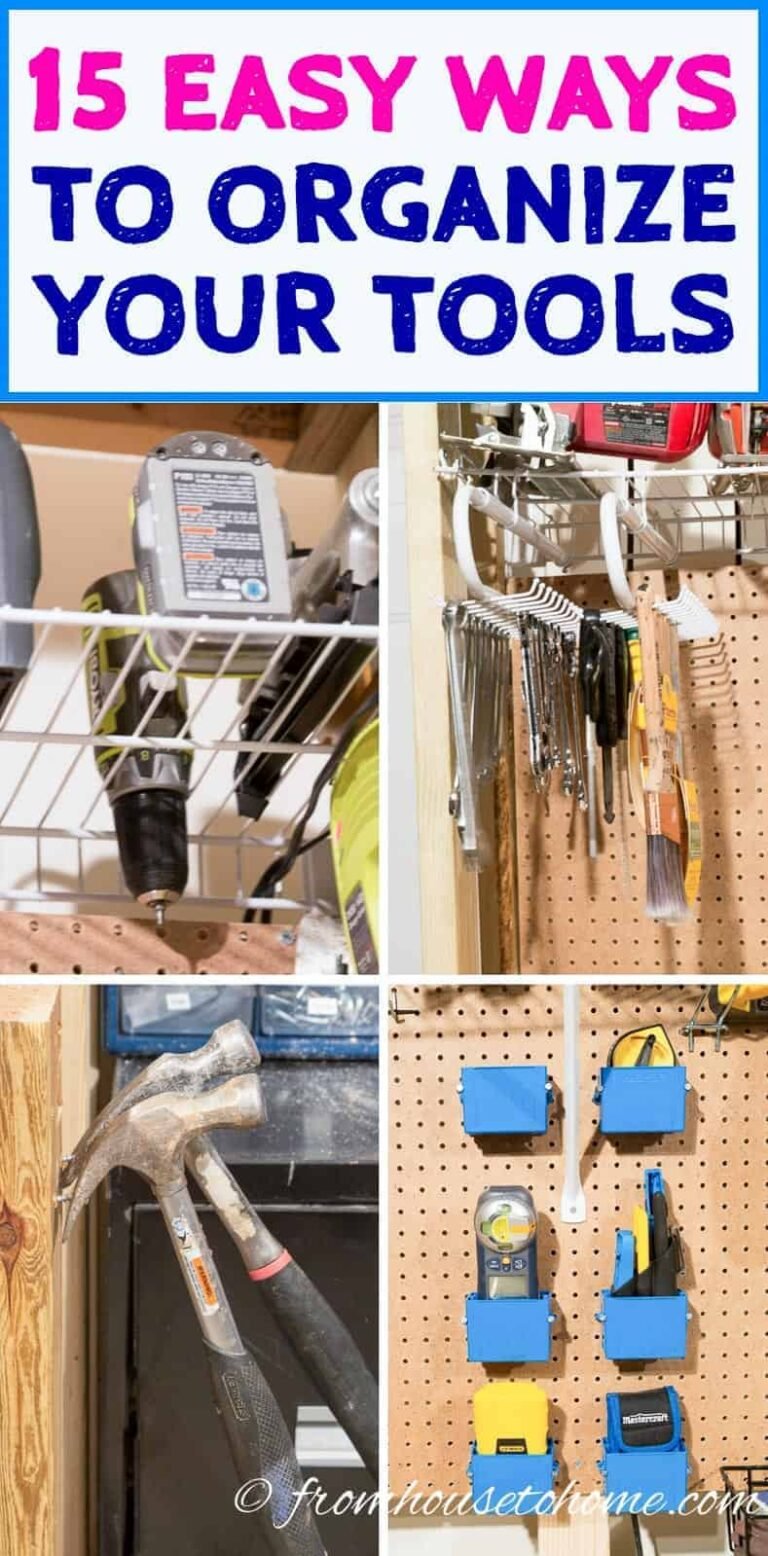
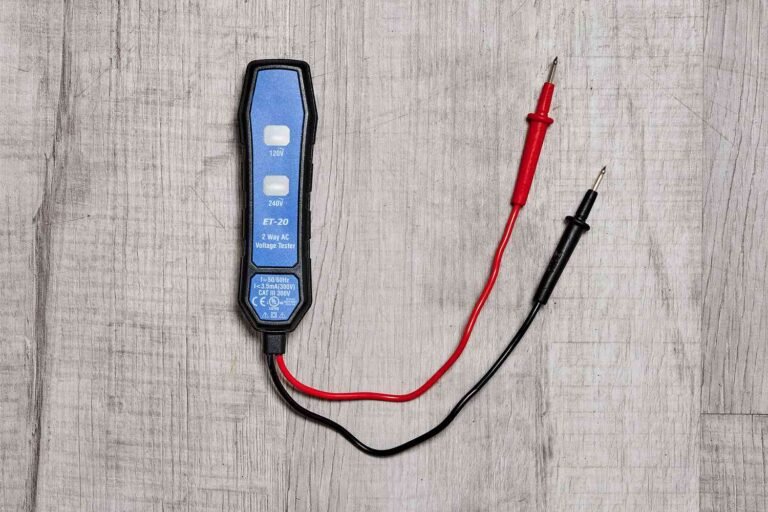
Keep tools dry, limit extreme heat and cold, prevent condensation, and inspect exposed equipment before using it again.
Across the United States, tools face very different weather conditions. A contractor in Florida may deal with high humidity and heavy rain. A mechanic in Minnesota may store tools through long, cold winters. A construction crew in Arizona may work in extreme summer heat. Each setting creates different risks for hand tools, power tools, batteries, and measuring equipment.
Weather can harm tools even when they are not in use. moisture can cause rust and electrical faults. Heat can shorten battery life and affect some plastic parts. Cold can reduce battery output and make certain materials more brittle. Dust, salt, and rapid temperature changes can cause damage that is not always visible.
The best way to prevent damage is to match tool care to the actual conditions. A dry storage room needs a different plan from an outdoor jobsite or an unheated garage. Weather protection also depends on the tool’s design, materials, seals, and manufacturer instructions.
This guide explains how environmental exposure affects tools, how to spot damage, and how to reduce the risks. It draws on established safety guidance from the Occupational Safety and Health Administration, the Environmental Protection Agency, the National Weather Service, and published tool care information. It does not claim independent laboratory testing.
How Weather and Environmental Exposure Damage Tools
Weather affects tools through several different processes. Water causes corrosion. Heat changes how batteries and some materials behave. Cold can reduce power and make certain parts less flexible. Airborne dust and salt can reach moving parts and electrical contacts.
A tool does not need to sit outside for weeks to suffer damage. A wet toolbox, a hot truck, or a damp garage can expose equipment to harmful conditions. The effect depends on exposure time, the tool’s design, and how well it is maintained.
The main risks are moisture, temperature extremes, rapid temperature changes, sunlight, and airborne contaminants. Each one needs a different form of protection.
Rain and Standing Water
Water can enter openings, damage electrical parts, wash away lubricants, and start corrosion on exposed metal.
Humidity and Condensation
Moist air can form water droplets on cold tool surfaces, including equipment kept inside a garage.
Extreme Heat
High temperatures can stress batteries, soften some materials, affect lubricants, and cause thermal shutdowns.
Freezing Conditions
Cold can reduce battery performance, stiffen rubber parts, and create ice where water remains trapped.
Dust and Salt
Dust can obstruct cooling and moving parts. Salt deposits can make corrosion worse when moisture is present.
Why Moisture Causes Rust and Corrosion
Rust forms when iron or steel reacts with oxygen in the presence of water. The result is an iron oxide layer that may spread and damage the metal beneath it. Scratches in protective coatings can expose more metal to this process.
Rust can affect more than appearance. It may cause a wrench joint to bind, weaken a cutting edge, or make a drill chuck hard to turn. Corrosion on electrical contacts can also interfere with power delivery.
Salt left on tools after work near coastal areas or treated winter roads can make the problem worse. Remove such deposits with a cleaning method approved for the tool, then dry the equipment fully.
A small amount of surface rust on a noncritical hand tool may be removable. Deep pitting on load-bearing parts, damaged cutting tools, or corrosion inside electrical equipment needs a more cautious response.
Early Warning Signs
Look for orange spots, rough metal, stains near joints, stiff movement, or changes in electrical contact surfaces.
Prevention
Keep tools clean and dry. Use a suitable protective coating on bare steel where the manufacturer permits it.
How Heat Affects Tools and Batteries
Heat can affect both mechanical and electrical tools. A motor produces heat during use, and hot outdoor air makes it harder for the motor to cool. Blocked vents or excessive loads can increase the problem.
Lithium-ion battery packs are sensitive to temperature. Extended heat exposure can speed their aging. Some packs and chargers have protection systems that stop operation or charging when temperatures become too high.
A parked vehicle can become much hotter than the air outside. The National Weather Service warns that enclosed vehicle temperatures can rise quickly in sunlight. This makes vehicle storage a concern for cordless tool batteries.
Keep batteries away from direct sunlight and avoid charging them on hot surfaces. If a pack is unusually hot, follow the manufacturer’s cooling and inspection directions before using it again.
How Cold Weather Changes Tool Performance
Cold weather can reduce the power available from a lithium-ion battery. A cordless drill may run for less time or struggle under a heavy load. This does not always mean that its battery has suffered permanent damage.
Charging is a separate concern. Some battery chargers restrict charging when a pack is too cold or too hot. The safe charging range varies by product. The limits in one manufacturer’s manual should not be applied to every battery.
Rubber grips, plastic housings, seals, and lubricants may also behave differently in cold conditions. Materials that remain flexible in warm weather may become stiffer when temperatures fall.
Move cold equipment into a suitable dry space and let it reach the approved operating temperature. Avoid using heaters or other intense heat sources to warm battery packs.
Why Fast Temperature Changes Matter
A cold metal tool can collect moisture when it enters warm, humid air. This happens when the tool surface is colder than the dew point of the surrounding air.
For example, a steel wrench stored in a cold garage may remain cool after the outside air becomes warm and damp. Moisture can then form on the wrench even though no water has been spilled.
The same risk exists when tools move between air-conditioned rooms, humid outdoor air, refrigerated spaces, and heated work areas.
To reduce condensation, keep dry tools in a closed case during a temperature change when practical. Allow the case and equipment to approach room temperature before opening it in humid air. Check for moisture before use.
How to Protect Tools From Moisture and Humidity
Moisture control starts with keeping water out of the storage area. A toolbox cannot solve a leaking roof, flooding floor, or constantly wet shed.
Start by checking the space where tools spend the most time. Look for roof leaks, damp walls, standing water, poor drainage, and condensation on windows or metal surfaces.
Next, consider how the tools are stored. Dry hand tools can benefit from a closed cabinet or chest. Battery chargers and electronic measuring tools are often better kept in a dry, temperature-controlled indoor space.
A simple temperature and humidity meter can help reveal conditions that are easy to miss. Repeated readings are more useful than one reading taken on a dry afternoon.
Remove Water Sources
Repair leaks, improve drainage, and keep wet equipment away from dry storage.
Raise Storage Off the Floor
Use shelves or raised cabinets to reduce contact with damp concrete and minor water intrusion.
Dry Before Storage
Remove water from tool surfaces and approved removable parts before closing the case.
Protect Bare Metal
Apply a light protective oil, wax, or corrosion inhibitor only where it is suitable for the tool.
Monitor Humidity
Use a hygrometer to check whether moisture control measures are working.
Choosing Between Open and Closed Tool Storage
Closed storage protects tools from rain, splashes, and airborne dirt. It can also slow sudden changes in the air around the tools.
However, a sealed box can trap moisture if wet equipment is placed inside. Water may remain on hinges, handles, foam inserts, and hidden metal surfaces.
Open racks offer better airflow and make inspection easy. They can work well in a clean, dry workshop, but they provide less protection from dust and humid air.
The best choice depends on the room. Use closed storage for clean, dry tools in an area with changing conditions. Use open storage when airflow is useful and the surrounding air stays suitably dry.
Using Desiccants and Dehumidifiers
Silica gel and other desiccants can absorb moisture inside an enclosed tool case. They work best when the case is reasonably sealed and the desiccant has enough capacity for the moisture present.
Desiccants do not repair leaks or make a wet tool safe. They also need replacement or regeneration according to their instructions.
A dehumidifier can reduce moisture in an enclosed workshop or storage room. Its effectiveness depends on room size, temperature, water entry, and air leakage.
A relative humidity target around 40% to 50% may be a practical starting point for many dry tool storage areas. It is not a universal safety limit or a guarantee against corrosion. More sensitive equipment may have different requirements.
Preventing Rust During Long-Term Storage
Before storing tools for several months, remove dirt, moisture, and material residue. Check the moving parts and use a manufacturer-approved lubricant where needed.
For exposed steel, a suitable protective film can help block moisture. Avoid putting oil on friction surfaces, electrical contacts, brake parts, or other areas where it could reduce safe operation.
Store delicate edges with guards or protective covers. Keep measuring tools in clean cases that do not trap water.
Inspect stored equipment during humid seasons. If corrosion begins, identify the moisture source rather than only cleaning the affected surface.
Using Tools Safely in Rain, Heat, Snow, and Dust
Outdoor tool safety depends on both weather conditions and equipment approval. A tool designed for a dry workshop should not be assumed safe for rain or wet ground.
Before starting work, check the forecast, work surface, electrical supply, and tool instructions. Look for rain, lightning, high winds, dangerous heat, and freezing conditions.
OSHA advises that electric tools should not be used in damp or wet locations unless approved for those conditions. The agency also recommends dry storage and removing damaged portable electric tools from service.
For U.S. construction work, specific electrical protection requirements can apply. These may include ground-fault circuit interrupters or a compliant assured equipment grounding conductor program. The requirements depend on the work and the applicable standard.
Wet Conditions
Stop using equipment that is not approved for wet use. Keep electrical connections dry and out of standing water.
High Heat
Keep equipment shaded when practical, maintain cooling airflow, and follow motor and battery temperature limits.
Freezing Weather
Check for ice, stiff mechanisms, slippery surfaces, and batteries outside their permitted operating range.
Dusty Conditions
Use suitable dust controls and clean ventilation openings according to the equipment manual.
Thunderstorms
Stop outdoor work and move to a safe shelter when thunder is heard.
Electrical Protection During Wet Work
Water can create a path for electrical current. Wet connectors, damaged cords, and flooded equipment increase the risk of electric shock.
A ground-fault circuit interrupter, or GFCI, can disconnect power when it detects certain current imbalances. It adds protection, but it does not make an unapproved tool safe to use in rain or underwater.
Use cords and electrical equipment rated for the intended location. Inspect insulation, plugs, connectors, and strain relief before work. Keep connections off wet ground and protect them with suitable enclosures.
Never handle energized plugs with wet hands. Do not defeat grounding features or bypass protective devices. If electrical equipment becomes submerged, do not test it by plugging it in.
Protecting Tools and Workers During Extreme Heat
High temperatures can reduce the cooling margin of power tools. Long periods of heavy use may increase motor and battery temperatures. Keep vents clear and follow the duty limits in the tool manual.
Operator safety matters just as much as tool safety. OSHA recommends access to water, rest, and shade for workers exposed to heat. New or returning workers may need time to adjust to hot conditions.
Plan heavy tasks for cooler periods when possible. Set up shaded breaks and avoid storing batteries on sun-heated pavement or inside hot vehicles.
If a tool shuts down due to heat protection, stop using it. Allow it to cool as instructed. Repeated shutdowns may point to an excessive load, blocked cooling system, worn parts, or a battery problem.
Cold Weather and Frozen Work Areas
Cold weather can affect the tool, the workpiece, and the operator. Gloves may reduce hand dexterity, while ice can make work surfaces unsafe.
Inspect cords and hoses for stiffness, cracks, or damage before moving them. Do not force frozen mechanisms or attempt to break ice from delicate parts with sharp objects.
Use batteries only within their specified operating ranges. A charger that delays charging in cold weather may be working as designed.
When equipment returns indoors, allow it to warm in a dry setting. Check for condensation before connecting power or beginning work.
Dust, Coastal Salt, and Airborne Contaminants
Dust can settle in vents, switches, bearings, and moving joints. Some particles act as abrasives, while heavy buildup can reduce airflow.
Salt spray near the coast and road salt during winter can increase corrosion risks. Fine deposits may remain after water dries.
Clean tools after exposure using methods approved by the manufacturer. Avoid spraying liquids or forcing compressed air into sensitive parts unless the manual permits it.
In U.S. workplaces, hazardous dust may require specific exposure controls and protective equipment. Wood dust, silica dust, and metal dust do not share one set of safety requirements.
What to Do When a Tool Has Been Exposed to Bad Weather
A damaged tool should be assessed before it is used again. Drying the outside does not prove that its internal parts are safe.
Start by identifying the type of exposure. Light surface moisture is different from floodwater, saltwater, heavy rain, or long periods in extreme heat.
Do not energize a suspected water-damaged power tool to see whether it works. Internal moisture, contaminated insulation, and corroded contacts can create electrical hazards.
For workplace equipment, remove unsafe tools from service and follow the employer’s inspection and repair procedures.
Step 1: Stop Work
Release the trigger and isolate power when it can be done safely. Do not touch flooded energized equipment.
Step 2: Check the Exposure
Determine whether the tool experienced surface moisture, immersion, extreme heat, freezing, or contamination.
Step 3: Inspect Visible Damage
Look for cracks, corrosion, bent parts, damaged cords, fluid leaks, and unusual battery conditions.
Step 4: Follow the Manual
Use only approved cleaning, drying, inspection, and service methods.
Step 5: Confirm Safe Operation
Return the tool to service only when it meets its safety and functional checks.
Recovering Wet Hand Tools
Many basic hand tools can be cleaned and dried after rain exposure if they have no structural or safety damage. Remove loose dirt with a suitable brush or cloth.
Dry accessible surfaces and joints. Use a cleaner and corrosion inhibitor that are compatible with the tool’s materials and intended work.
Check that moving parts operate smoothly and that handles remain firmly attached. Inspect cutting edges for rust, chips, and pitting.
Do not rely on cosmetic cleaning when rust affects load-bearing parts, precision surfaces, or a tool that must withstand high force. Replace damaged equipment when its safe condition cannot be confirmed.
Recovering Wet Electrical Tools
Electrical tools need more caution. Water may remain inside a motor, switch, or housing long after the outside looks dry.
Disconnect power safely and remove the equipment from service. If a removable battery pack is wet, handle it according to the manufacturer’s instructions and do not attempt to charge it.
Do not use a hair dryer, heat gun, oven, or open flame to force the drying process. High heat can damage seals, insulation, and batteries.
Flooded, submerged, or electrically compromised tools should be evaluated by the manufacturer or a qualified service technician. Tools exposed to sewage or saltwater may also need specialist cleaning or replacement.
Successful recovery means that the tool passes the necessary electrical, mechanical, and safety checks. Simply spinning the motor once is not enough.
Handling Batteries Exposed to Water or Extreme Heat
Lithium-ion packs require special handling if they become swollen, cracked, leaking, unusually hot, or otherwise damaged. Such damage may create a fire risk.
Do not charge, puncture, open, crush, or reuse a damaged battery. If a pack is smoking or showing signs of imminent fire, move away and call 911 when needed.
The EPA advises contacting the manufacturer for specific handling directions when a lithium-ion battery is damaged. The agency also recommends keeping these batteries out of household trash and ordinary recycling bins.
For suitable batteries being prepared for collection, nonconductive tape over exposed terminals or individual isolation can help prevent short circuits. Follow the recycler’s instructions, especially for damaged packs.
A battery that only has reduced output in cold weather may recover performance when it returns to an approved temperature. That does not mean every cold-exposed or water-damaged pack is safe.
When Repair or Replacement Is the Safer Choice
Some environmental damage can be repaired. Other damage creates risks that are difficult to assess without special equipment.
Seek qualified service when water has reached electrical components, insulation is damaged, protective guards fail, or corrosion affects important mechanical parts.
Replacement is often more sensible when repair cannot restore the required safety features or when the manufacturer prohibits further use after the exposure involved.
Do not treat a tool that runs normally as proof that it is safe. Hidden faults can remain in switches, insulation, battery contacts, or internal structures.
A Practical Weather Protection and Maintenance Plan
The most useful maintenance plan is simple enough to follow every day. Check the weather before work, protect tools during use, and clean and store them correctly afterward.
A daily visual check can catch rust, moisture, damaged cords, and blocked vents before they turn into larger problems. A seasonal inspection helps find damage caused by changing storage conditions.
Different tools need different attention. A steel wrench needs corrosion protection. A cordless drill needs suitable battery care and clean vents. A precision level or digital meter needs protection from impact, moisture, and temperature conditions outside its specifications.
Before Each Job
Check the forecast, equipment condition, electrical protection, and operating temperature limits.
During Work
Keep equipment away from unnecessary water, heat, dirt, and impacts. Watch for unusual sounds or shutdowns.
After Work
Remove debris, check for moisture, dry approved surfaces, and inspect for damage.
Each Month
Check storage humidity, inspect exposed steel, and review battery and charger conditions.
Before Seasonal Changes
Prepare for local rain, snow, humidity, heat, or storm conditions.
Choosing Protection for Common Storage Conditions
A dry indoor room usually needs less moisture control than a damp shed. An outdoor jobsite needs better protection against rain and contamination.
For a humid garage, start with leak repairs, raised storage, and humidity monitoring. A closed dry cabinet and suitable corrosion protection may help bare steel tools.
For a cold winter shed, pay attention to freezing water, condensation, and battery charging limits. Move sensitive batteries and electronic equipment indoors when their storage instructions require it.
For a truck used in hot weather, protect tools from direct sunlight and avoid leaving battery packs in excessive heat. Check the actual storage conditions rather than assuming that outside air temperature matches the temperature inside the vehicle.
For coastal sites, clean off salt deposits after work and inspect exposed fasteners, metal surfaces, and electrical contacts more often.
A Simple Environmental Risk Decision Guide
Use the exposure type to decide what action matters most. These examples describe general priorities, not universal manufacturer limits.
Situation: A wrench has small rust spots after garage storage. First action: Check for damp storage conditions, clean the tool if structurally sound, and protect exposed steel. Main concern: Corrosion returning if the moisture source remains.
Situation: A corded drill is wet after heavy rain. First action: Remove it from service and seek approved inspection or repair guidance. Main concern: Hidden electrical damage and shock risk.
Situation: A cordless drill loses power on a freezing day. First action: Check battery temperature and the manual. Main concern: Temporary cold-related output loss or an unsuitable charging temperature.
Situation: A battery becomes swollen after storage in a hot vehicle. First action: Stop using and charging it, isolate it safely, and contact the manufacturer. Main concern: Battery failure and fire.
Situation: A toolbox has water droplets inside after a cold night. First action: Dry the contents and identify the condensation source. Main concern: Rust and moisture trapped in the case.
Situation: A grinder collects heavy dust. First action: Disconnect power and clean it as specified by the manufacturer. Main concern: Obstructed ventilation and contaminated moving parts.
Common Weather Protection Mistakes
One common mistake is closing wet tools inside a sealed box. The box may stop new rain from getting in, but it can also hold existing moisture against the equipment.
Another mistake is assuming that cordless tools are waterproof. Removing the power cord eliminates one type of electrical connection, but a cordless tool can still suffer water damage or battery failure.
Using a GFCI as permission to operate an unsuitable tool in rain is also unsafe. Electrical protection must be combined with equipment approved for the actual conditions.
Do not use intense heat to dry wet equipment, charge frozen batteries against manufacturer instructions, or ignore changes in motor sound and tool control after exposure.
A final mistake is focusing only on the tool. Wet floors, lightning, high winds, and heat illness can put the operator at risk even when the equipment remains functional.
Questions to Resolve Before the Next Job
Several practical questions deserve attention because they can change the next maintenance or safety decision. They are inferred reader needs based on the documented risks, not claims about search demand.
Can a dry-looking tool contain hidden moisture? Yes. Internal parts may stay wet after the outer housing has dried. This matters most after immersion or heavy water exposure.
Does a sealed toolbox prevent all rust? No. It blocks outside water only when the seals work, and it can trap moisture brought inside on tools or packing materials.
Can a cold battery be charged as soon as it enters a warm room? Not always. Follow the pack and charger instructions and allow enough time for the battery itself to reach an approved temperature.
These questions add practical checks to common advice about cleaning and storage. The correct decision still depends on the actual tool, exposure level, and manufacturer limits.
Frequently Asked Questions
Q
Can Power Tools Be Stored in an Unheated Garage?
Some power tools can be stored in an unheated garage if the conditions remain within their specified storage limits. The main risks are moisture, condensation, freezing, and extreme heat.
Keep equipment dry and off damp floors. Store batteries and chargers according to their own manuals, which may have different temperature requirements from the tools they power.
Q
What Humidity Level Is Best for Tool Storage?
There is no single humidity level that guarantees safe storage for every tool. For many enclosed storage areas, maintaining relative humidity around 40% to 50% is a reasonable practical target.
Sensitive steel, electronics, and precision equipment may need different conditions. Check the manufacturer’s limits and look for condensation or corrosion rather than relying on one humidity reading.
Q
Can a Cordless Drill Be Used in Light Rain?
Only if the specific drill is approved for the conditions involved. A cordless design does not automatically provide water resistance.
Check the manual and any applicable environmental rating. Avoid use where water may reach parts that are not protected. Never assume that a small amount of rain is harmless.
Q
How Long Should a Cold Tool Warm Up Before Use?
There is no safe universal waiting time. The required period depends on the tool’s size, starting temperature, surrounding conditions, and manufacturer instructions.
Allow the equipment to reach its approved operating range. Check for condensation and ensure that moving parts operate correctly. Do not charge a battery until its temperature is within the charger’s permitted range.
Q
When Should Outdoor Tool Work Stop Because of Lightning?
Stop outdoor work when thunder is heard and move to a substantial enclosed building or a suitable hard-topped vehicle. An open shed or picnic shelter is not safe lightning protection.
The National Weather Service recommends remaining in safe shelter for at least 30 minutes after the last sound of thunder before resuming outdoor activities.
✦ Wrapping Up
Conclusion
Weather exposure can shorten tool life, reduce performance, and create serious safety risks. The main threats are water, humidity, condensation, high heat, freezing temperatures, and airborne contaminants.
Good prevention starts with the storage area. Keep tools dry, control water entry, protect bare metal, and check batteries and electrical equipment against their specified temperature and environmental limits.
When a tool is exposed to severe weather, inspect it before use. Do not energize water-damaged electrical equipment or attempt to charge a damaged battery. Seek qualified service when safe operation cannot be confirmed.
A small maintenance routine can prevent many avoidable problems. Clean tools after work, check storage conditions, and respond to early signs of corrosion or damage. The goal is not simply to make tools last longer. It is to keep them safe and dependable whenever they are needed.
💡 Key Takeaway
Check your tool storage area for moisture today. Dry and inspect your equipment, review battery temperature limits, and remove any unsafe tool from service before the next job.