An impact driver is used to drive screws and bolts fast, and to loosen stubborn fasteners.
I have used impact drivers on job sites and at home for years, so I know what an impact driver is used for and why it changes how you work. This article explains clear uses, real-world examples, safety tips, and buying advice. Read on to learn when to reach for an impact driver, how it differs from a drill, and how to get the best results on projects from decking to car repairs.
Definition and core uses: what is an impact driver used for
An impact driver is a compact power tool made to deliver high torque in short bursts. It drives screws, lag bolts, and long fasteners with less wrist effort than a regular drill. It also breaks loose rusted or seized fasteners without stripping heads. Many woodworkers, electricians, and mechanics keep one handy for quick, tough fastening jobs.
How an impact driver works and why it matters to your projects
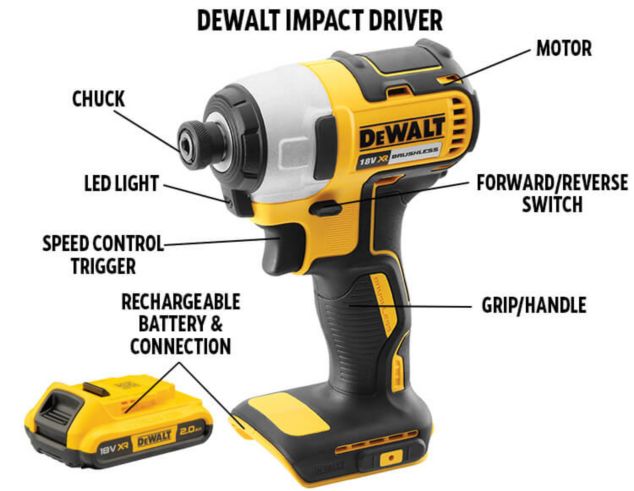
An impact driver combines rotation with rapid concussive blows to the drive shaft. The blows add torque without forcing you to push hard. That action reduces cam-out and bit wear when driving long screws or hardened fasteners. The tool’s compact size and high torque make it ideal for tight spaces and heavy-duty screw work.

Common tasks and use cases: where an impact driver shines
Use an impact driver for these common jobs:
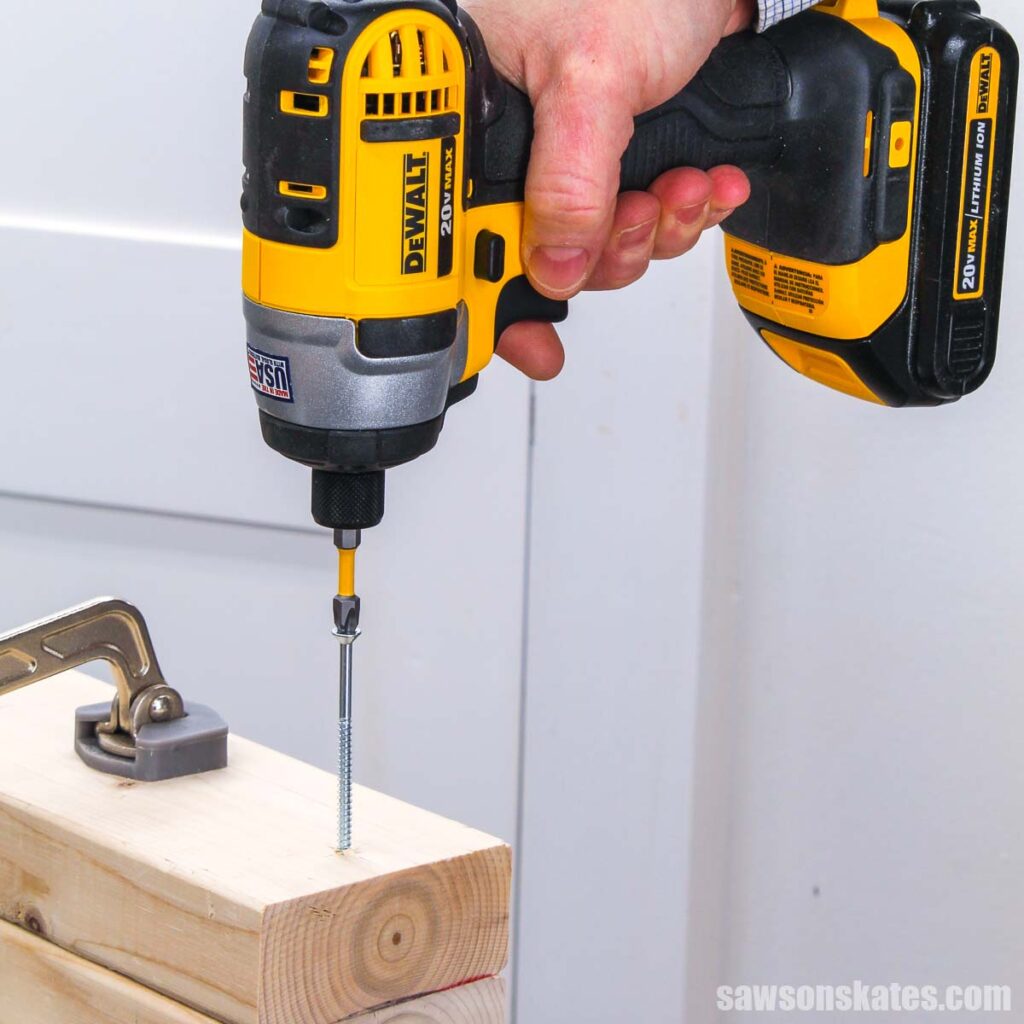
- Driving long decking screws and structural screws quickly and cleanly.
- Assembling wood framing, fence posts, and outdoor projects.
- Installing subflooring where long fasteners are common.
- Automotive work to remove or tighten rusted bolts and lug nuts (with correct adapter).
- Fastening metal-to-wood connections and self-tapping screws.
- Quick assembly and disassembly of pallet projects, furniture, and metal brackets.
For jobs that require continuous precise drilling into metal or masonry, a drill or hammer drill is a better fit. But for most fastening tasks, an impact driver saves time and effort.

Impact driver vs drill vs impact wrench: which to choose
Understand the differences so you pick the right tool:
- Impact driver: Best for screws and smaller bolts. Compact, high torque in bursts, uses 1/4-inch hex bits.
- Drill/driver: Better for drilling holes and light fastening. Smooth torque and clutch settings help with delicate work.
- Impact wrench: Designed for large bolts and nuts. Uses square drive sockets and higher torque for automotive and heavy machinery tasks.
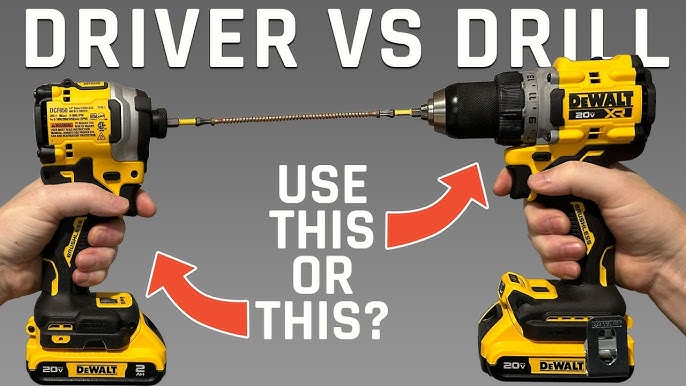
If you ask what is an impact driver used for compared to a drill, think “fastening, not drilling.” Use an impact driver when you need power in tight spaces and less stripping.
:max_bytes(150000):strip_icc()/SPR-impact-driver-vs-drill-5116867-hero-37b95592c1a44e97baa3de9f859fbd0a.jpg)
Bits, accessories, and fasteners: what to use with an impact driver
Use the right bits to avoid damage and get the best performance:
- 1/4-inch hex driver bits: Standard for most screws used with impact drivers.
- Impact-rated bits: Hardened and designed to absorb repeated blows.
- Socket adapters: Let you use sockets for bolts and nuts safely.
- Nut drivers: Useful for machine screws and small nuts.
- Extensions and bit holders: Help reach awkward spots.
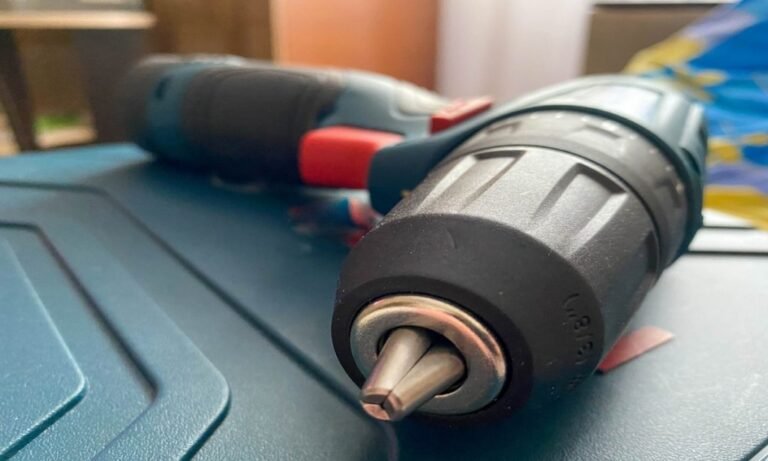
Avoid using regular drill bits in an impact driver. The tool’s concussive action can break non-impact-rated bits quickly.
Safety, technique, and best practices
Work smarter and safer with these tips:
- Wear eye protection and gloves when working with metal fasteners.
- Start with a low speed and increase as needed to control the bit.
- Secure your workpiece; vibrations can move small parts.
- Use the correct bit size to avoid cam-out and stripped heads.
- Let the tool do the work—don’t push hard. Apply steady pressure only.
If you’re removing a stuck bolt, try penetrating oil first and use short bursts rather than long continuous force. This reduces the chance of snapping the fastener.
Maintenance and simple repairs
Keep your impact driver running well with basic care:
- Charge and store batteries at recommended temperatures.
- Clean vents and wipe dust off after each job.
- Replace worn or chipped bits—bit wear reduces torque transfer.
- Check chucks, collets, and adapters for wear; replace if loose.
If the tool starts humming without delivering torque, inspect the bit and chuck first. Often the issue is a worn bit or adapter, not the motor.

Buying guide: choosing the right impact driver
Consider these factors when buying:
- Voltage and battery type: Higher voltage for heavy duty; modern lithium-ion holds charge longer.
- Torque rating: More torque for tougher jobs; look for adjustable speed.
- Size and weight: Choose compact for tight spaces, heavier for long use.
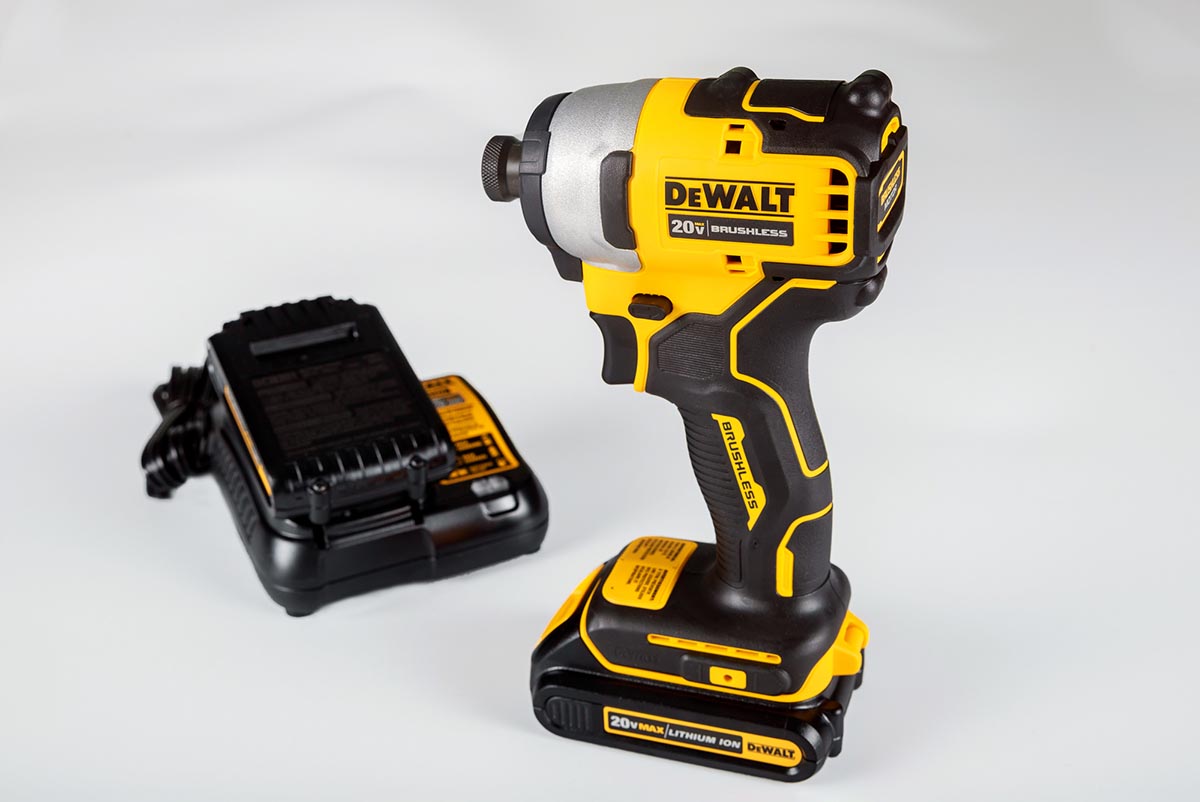
- Included accessories: Bits, chargers, and cases add value.
- Brand warranty and service options: Helpful for long-term reliability.
Think about the projects you’ll do most. If you build decks and frames often, opt for a higher-torque model and extra batteries.

Personal experience, lessons learned, and practical tips
I used an entry-level impact driver for small jobs and then upgraded after stripping a few screw heads. The upgrade made a big difference on deck building. My lessons:
- Always buy impact-rated bits; cheap bits wear fast.
- Use short bursts when loosening rusted bolts to avoid breaking the fastener.
- Keep spare batteries. Mid-project battery swaps cost time.
- For fine finish work, switch to a drill driver to avoid overdriving screws.
These tips come from real projects and can save time and money on your next build.
Quick PAA-style questions
What is an impact driver used for versus a drill?
An impact driver is used for high-torque fastening. A drill is better for drilling holes and light fastening.
Can an impact driver remove stubborn bolts?
Yes, an impact driver can often loosen stuck bolts when used with a socket adapter and impact-rated tool.
Should I use an impact driver for cabinet work?
Use caution; an impact driver is used for heavy fastening. For finish cabinet work, a drill driver gives more control.
Frequently Asked Questions of what is an impact driver used for
What can I drive with an impact driver?
You can drive screws, lag bolts, and self-tapping metal screws quickly and with less effort. Impact drivers excel at long, large fasteners and tough materials.
Is an impact driver good for woodworking?
Yes. An impact driver is used for rough and structural woodworking like decking and framing. For delicate finish work, a drill driver remains preferable.
Can I use drill bits in an impact driver?
You can use some hex-shank drill bits, but avoid standard round-shank bits. Use bits rated for impact to reduce breakage.
Will an impact driver strip screw heads?
It reduces stripping when using the correct bit and technique. Using worn bits or too much force can still strip heads, so use care.
Can an impact driver remove lug nuts?
With the right socket adapter and power, an impact driver can remove lug nuts, but a proper impact wrench is safer for automotive lug nuts. Use caution and correct torque when reinstalling.
Conclusion
An impact driver is used for fast, high-torque fastening and for loosening stubborn fasteners. It saves time and reduces effort on many construction and repair jobs. If you want a tool that handles long screws, dense materials, and tight spaces, add an impact driver to your toolkit. Try one on a small project, pick the right bits, and see how it changes your work. Leave a comment with your favorite impact driver tip, or subscribe for more tool guides and hands-on advice.