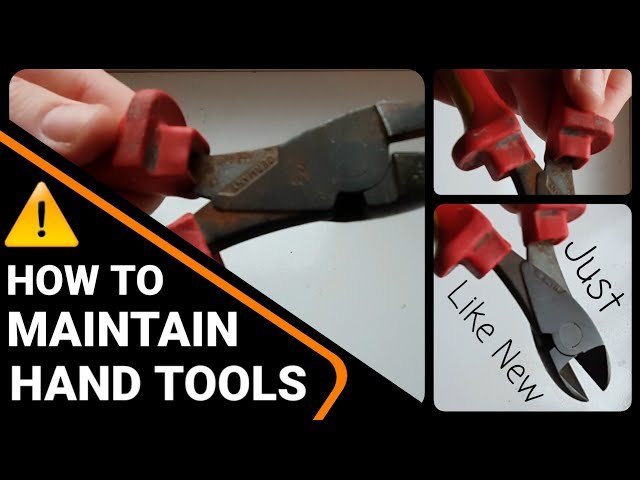
Keep tools clean, dry, secure, and protected from impacts. Store batteries safely and inspect tools after transport or harsh exposure.
Across the United States, tools face harsh conditions in garages, workshops, construction sites, and service trucks. A contractor in Florida may deal with high humidity and salt air. A homeowner in Minnesota may store tools through freezing winters. A crew in Arizona may leave equipment inside a hot work truck. Each setting creates different risks, even when a tool is not being used.
Tool storage, transportation, and environmental damage are closely linked. Poor storage can expose metal to moisture. Rough transport can crack a housing or knock a part out of alignment. Heat can stress battery packs, while dust and water can reach sensitive parts. Some faults are easy to see. Others remain hidden until the tool is switched on.
The best way to prevent this damage is to match the storage method to the tool and its environment. Hand tools need protection from rust and physical wear. Corded tools need dry storage and protected cables. Cordless tools also need suitable battery care. Precision tools need extra protection against impact and changes in temperature.
For U.S. workplaces, safety is also a legal concern. OSHA requires tools used in covered workplaces to remain in safe condition. Its construction standard, 29 CFR 1926.300(a), applies to hand and power tools, including employee-owned tools used at work. Safe storage and inspection help support this duty, although the exact requirements depend on the activity and workplace.
This guide explains how storage and transport can damage tools, how to prevent the most common failures, and how to decide whether exposed equipment can be returned to service. It also covers battery hazards, climate-related risks, warning signs, and practical steps for long-term storage.
How Storage, Transport, and the Environment Damage Tools
Tools can suffer damage without doing any work. Moisture can cause corrosion. Heat can age plastic and rubber parts. A drop can bend a shaft or crack a housing. Fine dust can settle in vents and moving parts. Over time, these changes may reduce accuracy, increase friction, or create a safety hazard.
The type of damage depends on the tool’s design, materials, and exposure. A steel wrench may mainly face corrosion. A digital measuring tool may suffer from moisture inside its case. A cordless drill may develop battery or switch problems. An impact that leaves no mark on the outside can still affect internal alignment.
Environmental damage is not always sudden. Repeated changes in temperature, small amounts of trapped water, and daily vibration during transport can slowly affect equipment. This makes storage conditions and routine checks just as relevant as the way a tool is used.
Moisture and Corrosion
Water and humid air can cause exposed steel to rust. Rust may damage cutting edges, screw threads, hinges, bearings, and tool joints. Moisture can also affect electrical contacts and internal circuits.
Heat Exposure
High heat can affect battery life and damage heat-sensitive materials. Plastic parts, seals, adhesives, and some lubricants may also change when exposed to temperatures outside their rated range.
Cold Conditions
Low temperatures can reduce the power available from some batteries. Certain plastics become less resistant to impact when cold. A cold tool moved into warm, humid air may also collect condensation.
Dust and Debris
Dust can block cooling openings, collect around switches, and mix with grease. Conductive metal dust is a special concern for electrical equipment because it can create unwanted electrical paths.
Impact and Vibration
Drops and repeated movement can damage housings, handles, bearings, guards, battery mounts, and precision parts. Sharp tools can also cut through soft bags or damage nearby equipment.
Chemical Exposure
Salt, acids, solvents, oils, and cleaning chemicals may harm finishes, seals, insulation, or metal parts. The effect depends on the material and the chemical involved.
Why Moisture Is a Major Storage Risk
Rust forms when iron or steel reacts with water and oxygen. Salt and other contaminants can make corrosion more aggressive. A tool does not need to sit in a puddle to rust. Damp air and condensation may provide enough moisture over time.
A closed toolbox is not always a dry toolbox. If a wet tool is sealed inside, the trapped moisture remains near the metal. Foam inserts and fabric bags can also hold water after rain or washing. Drying the tool and its case before storage is often more useful than sealing them immediately.
Humidity control, protective coatings, and suitable packaging can reduce corrosion risk. These methods work best when the source of water is removed first.
Check Hidden Spaces
Look under removable trays, inside foam inserts, near hinges, and around the bottom of a storage case.
Protect Exposed Steel
Use a compatible light protective oil or other approved rust inhibitor on suitable bare metal surfaces.
Avoid Trapped Water
Do not seal damp tools in plastic bags or airtight cases before they are fully dry.
Why Transport Damage Can Be Hard to Detect
Transport damage often starts with motion. A tool can slide against another item, strike the side of a case, or fall from a shelf in a vehicle. Even a padded case may offer poor protection if heavy items can shift inside it.
Precision tools are especially sensitive to impact. A dropped level, measuring instrument, torque wrench, or laser device may look normal but no longer provide accurate readings. An inspection should assess both visible condition and required performance.
Power tools need a similar check. A damaged guard, switch, battery latch, or spindle can make a tool unsafe even if its motor still runs.
Inspect Before Operation
Look for cracks, loose parts, missing guards, bent accessories, and damaged electrical connections.
Check Accuracy When Relevant
Verify the operation of measuring and torque tools using an approved check or calibration method.
How to Store Tools Safely and Prevent Damage
Safe tool storage begins with a simple rule: put away only clean, dry, and inspected equipment. A suitable location should protect tools from moisture, accidental damage, unauthorized access, and unsafe contact with other materials.
Before setting up storage, identify the tool types involved. A set of sockets may fit in a drawer. A circular saw needs a location that protects its guard and blade. Battery packs may require separate storage. Long garden tools need stable racks that keep them from falling.
The right system does not need to be complex. Clear spaces, suitable cases, stable shelving, and a routine for checking stored equipment can prevent many avoidable problems.
Step 1: Disconnect the Power
Unplug corded tools and remove detachable battery packs before cleaning, changing accessories, or storing them when directed by the manual. For tools with integrated batteries, use the manufacturer’s shutdown and storage procedure.
Step 2: Remove Loose Dirt
Use a soft brush or clean cloth to remove dust, chips, soil, and debris. Follow the manual before using water, solvents, or compressed air.
Step 3: Dry the Equipment
Check exposed surfaces, joints, handles, and approved removable parts. Ensure that any damp storage case is dry before closing it.
Step 4: Inspect for Damage
Look for cracked handles, loose fasteners, worn cords, damaged guards, rust, and signs of overheating. Set unsafe tools aside.
Step 5: Protect Vulnerable Parts
Cover sharp edges, secure loose accessories, and apply approved corrosion protection where needed. Keep protective products away from surfaces where the manufacturer prohibits them.
Step 6: Choose a Suitable Storage Space
Use a dry cabinet, rack, shelf, or tool case with enough room to prevent crushing and unwanted contact between tools.
Step 7: Check Stored Tools Periodically
Look for moisture, rust, damaged packaging, battery problems, and changes in the storage area. Adjust the check interval to the risk of the location.
How to Store Cordless Tools and Lithium-Ion Batteries
Cordless tools need extra care because their batteries contain stored energy. Lithium-ion batteries can overheat after serious damage, a short circuit, or exposure to conditions outside their design limits. Proper storage helps protect both the battery and its surroundings.
Store batteries in a dry, secure place away from direct sunlight, loose metal objects, and excess heat. Protect exposed terminals with approved covers or suitable individual packaging. Do not place unprotected batteries in drawers filled with screws, nails, or other conductive items.
Battery charge recommendations vary by product. STIHL, for example, advises a partial charge for many of its battery systems during storage. Its guidance includes a preferred range of 50°F to 68°F for maximum battery life in the specified products. That range is not a universal rule for all battery packs.
Other manufacturers may recommend different charge levels or procedures for long storage. Use the exact battery manual rather than applying one percentage to every pack. A full charge, a half charge, or a near-empty state may have different effects depending on battery chemistry and design.
Never store a battery that is swollen, leaking, unusually hot, badly cracked, or otherwise suspect with healthy batteries. Do not charge it to see whether it still works. Follow manufacturer and local hazardous-waste guidance for assessment and disposal.
Use Approved Chargers
Charge batteries only with compatible equipment and according to the manufacturer’s temperature and charging instructions.
Keep Contacts Protected
Prevent battery terminals from touching metal tools, loose hardware, or other conductive objects.
Check Stored Batteries
Inspect for damage and follow the maker’s guidance on charge checks during extended storage.
Avoid Unsafe Repairs
Do not open, puncture, rebuild, or attempt to repair a damaged lithium-ion battery pack without appropriate manufacturer-authorized service procedures.
How to Store Corded and Hand Tools
Corded power tools should remain unplugged, clean, and dry when stored. Coil cables loosely to avoid tight bends, pinched sections, and stress near plugs or strain reliefs. Never hang a heavy tool by its electrical cord.
For hand tools, give each tool a stable place. Keep cutting edges covered and protect tools from contact that may chip or dull them. Metal drawers with dividers can prevent wrenches, chisels, and measuring tools from striking each other.
Tools with wooden handles need a dry environment that avoids prolonged dampness and excess heat. Inspect for splits, loose heads, and damaged grips. Apply only the finishes or treatments suitable for that tool.
Sharp Tools
Use blade guards, sheaths, or dedicated holders to prevent cuts and protect cutting edges.
Precision Equipment
Use protective cases and avoid placing heavy items on measuring instruments.
Long Tools
Use secure racks or supports that prevent tools from tipping into walkways.
How to Transport Tools Without Damage or Injury
Safe tool transport requires more than putting equipment in a box. Tools must be protected from impact, movement, weather, and accidental activation. They must also be secured so they do not endanger people during loading, travel, or unloading.
In the United States, workers often move tools between construction sites, homes, workshops, and service vehicles. Every trip creates a chance for equipment to move or fall. A heavy case can also become dangerous if it is not secured during sudden braking.
Before loading, sort tools by weight, size, and hazard. Keep sharp accessories away from electrical cords and batteries. Put fragile equipment in protective packaging, and avoid loading heavy tools on top of lightweight cases.
Use Protective Cases
Choose rigid cases or suitable padded carriers for tools that may be damaged by impact. Cases should fit the equipment and allow guards to remain in their required safe position.
Keep Heavy Tools Low
Place heavier equipment in stable, low storage areas. Secure it against sliding and tipping.
Separate Sharp Accessories
Cover drill bits, saw blades, chisels, and other sharp parts. Keep them from cutting cables, puncturing batteries, or injuring handlers.
Prevent Accidental Starting
Disconnect tools from power sources and remove detachable batteries when appropriate. Keep switches from being pressed by nearby items.
Protect Equipment From Weather
Use covered storage or suitable weather-resistant containers when transporting tools in rain, snow, or dusty conditions.
Avoid Cable Damage
Carry power tools by their handles, not by their cords. Do not trap cords beneath heavy equipment.
Inspect After Unloading
Check cases, battery mounts, guards, handles, and exposed parts for damage that may have occurred during the trip.
Transporting Tools in Trucks and Work Vans
A work vehicle needs storage that stays stable during turns, braking, and road vibration. Drawers, cabinets, racks, and cargo restraints should be suitable for the load and installed according to their ratings.
Avoid storing tools where they can fall into the driver’s area or block access to safety equipment. Heavy items should be restrained, not merely placed against a wall. Sharp tools and loose accessories need their own holders.
Heat also matters. A parked truck can become much hotter than the surrounding air when exposed to strong sun. This makes an enclosed vehicle a poor default location for long-term storage of sensitive batteries and electronics.
When travel ends, move temperature-sensitive equipment into suitable storage if the vehicle environment may exceed its permitted limits.
Check Restraints
Make sure straps, latches, drawers, and rack mounts are secure before driving.
Check Weight Ratings
Do not exceed the limits of storage racks, drawers, carriers, or vehicle cargo systems.
Control Loose Items
Use compartments or fitted holders for small tools and accessories.
Shipping Tools and Batteries in the United States
Shipping creates risks that differ from carrying tools in a personal vehicle. Packages may be moved by several handlers, stacked, and exposed to repeated vibration. The packaging must protect the equipment from shifting and impact.
Lithium batteries deserve special attention. The U.S. Department of Transportation regulates lithium batteries transported in commerce through its Hazardous Materials Regulations. Requirements depend on the battery type, size, condition, packaging, and transport method.
Under 49 CFR 173.185, applicable lithium battery shipments must be prepared to prevent short circuits, damage from movement, and accidental activation. Air shipments and damaged batteries can face additional restrictions.
A damaged, defective, or recalled battery that may produce dangerous heat, fire, or a short circuit requires special handling. Do not place it in a normal parcel or assume a carrier will accept it. Contact the manufacturer, a qualified hazardous-materials shipper, or an approved recycling program.
Private travel, commercial shipment, and airline carriage are not identical situations. Before shipping, check the carrier’s current requirements and the applicable federal rules. This is especially important when sending battery packs separately from the tool.
Protect Against Movement
Use suitable inserts, dividers, or cushioning that prevents equipment from striking the package walls or other contents.
Prevent Battery Short Circuits
Use the approved terminal protection and packaging required for the battery and shipment.
Verify Shipping Rules
Confirm the latest carrier and regulatory conditions before offering battery-powered equipment for shipment.
Choosing Tool Protection for Different Environments
The best storage method depends on the environment as much as the tool. A dry indoor shop, humid coastal garage, unheated shed, and hot work truck do not expose equipment to the same risks.
Start by checking the manufacturer’s stated storage limits. Then look at the real conditions in the area where the tool will stay. Temperature, relative humidity, direct sunlight, dust, and possible water entry all affect the decision.
A simple thermometer and humidity meter can help reveal conditions that are easy to miss. However, a humidity reading alone does not prove that a tool is safe or unsafe. Condensation, salt, storage duration, and the tool’s construction also matter.
A protective case can help against impact and dust. It may not solve a moisture problem if it traps damp air or wet foam. A heated room may reduce cold exposure, but nearby heat sources can create new hazards. Each control should address the actual risk.
Humid or Coastal Areas
Prioritize moisture control, drying, corrosion checks, and suitable protective films for bare metal. Salt deposits should be removed using approved cleaning methods.
Cold Garages and Sheds
Check the allowed storage temperatures, especially for batteries. Protect tools from leaks, snow, and condensation when moved into warm areas.
Hot Garages and Vehicles
Keep batteries and sensitive electronics away from direct sunlight and heat that exceeds their rated conditions.
Dusty Construction Sites
Use enclosed storage and clean tools before packing. Keep dust out of switches, vents, cases, and electrical contacts without using unsafe cleaning methods.
Outdoor Storage
Use equipment rated for the conditions or move it indoors. A simple tarp may block rain but can trap moisture when it has poor airflow.
Should You Use Climate-Controlled Tool Storage?
Climate-controlled storage may be useful when the local environment repeatedly exposes tools to harmful moisture or temperature swings. It is often worth considering for expensive precision equipment, sensitive electronics, and large collections that remain unused for long periods.
It is not required for every hand tool. A small set of wrenches may remain in good condition inside a dry cabinet with suitable corrosion protection. By contrast, a precision measuring device may need more stable conditions to stay within its specified limits.
Compare the actual risks before paying for climate control. If tools are stored for years in a damp building, better environmental control may reduce damage. If the area is already dry and stable, organized cabinets and routine care may be enough.
A common mistake is assuming that an indoor unit always has suitable conditions. Check the temperature, moisture, and building rules instead of relying on the word indoor.
Short-Term Storage
Focus on dry equipment, protection from impacts, and safe access.
Seasonal Storage
Add corrosion protection, suitable battery care, and checks for moisture or pests.
Long-Term Storage
Consider stable environmental conditions, periodic inspection, and the manufacturer’s long-storage procedure.
Which Storage Method Fits Each Tool Type?
Different tools need different protection. The following comparison is a practical decision aid, not a replacement for product instructions.
Steel hand tools are often most affected by moisture and surface damage. Their main needs are clean storage, dry air, and suitable rust protection.
Corded power tools also need protection for their electrical systems. Store them unplugged, with cables supported and their guards intact.
Battery-powered tools need a dry location for the tool and a battery storage method that meets the battery manufacturer’s requirements. Battery packs should not be mixed with loose conductive hardware.
Precision tools such as torque wrenches, levels, and electronic measuring instruments need impact protection. Some also have specific calibration or storage settings. Follow the manual rather than applying a general rule to all precision equipment.
Gas-powered tools add fuel and fire considerations. Storage may require fuel treatment, draining, or other model-specific steps. Follow the engine manufacturer’s procedure and any facility restrictions on fuel and flammable materials.
Wrenches and Sockets
Use dry drawers, racks, and rust protection where appropriate.
Drills and Saws
Use fitted cases or secure shelving. Protect switches, guards, cords, and accessories.
Lithium-Ion Battery Packs
Use secure, suitable storage that protects against heat, damage, and terminal contact.
Measuring Instruments
Use protective cases and follow the stated temperature, humidity, and calibration requirements.
Fuel-Powered Equipment
Follow fuel storage and seasonal maintenance instructions, including fire safety requirements.
How to Inspect Tools and Handle Damage After Storage or Transport
Inspecting tools before reuse is the most direct way to catch storage or transport damage. Start with a visual check while the equipment is disconnected from its power source. Look for obvious defects before considering any functional test.
The inspection should match the event. A tool exposed to a little surface dust needs a different response from one that was submerged in floodwater. A small rust spot on a noncritical steel surface is not the same as corrosion inside an electrical housing.
Do not use a tool merely because it turns on. Electrical damage, loose guards, poor alignment, and hidden cracks may remain dangerous even when the motor appears to run.
OSHA’s power tool guidance advises removing damaged portable electric tools from use and marking them so they are not used. In a workplace, follow the employer’s inspection, isolation, and repair procedures.
Visible Surface Rust
Check the affected part and the extent of corrosion. Light rust on noncritical bare steel may be removable, but heavily corroded or weakened parts need further assessment.
Cracked Housing or Handle
Remove the tool from service. Cracks can expose electrical parts or reduce the strength of handles and guards.
Damaged Electrical Cord
Do not plug in the tool. Have the cord or tool repaired through an appropriate service process.
Bent Shaft or Unusual Movement
Stop using the equipment. Check for impact damage and obtain qualified service when alignment or rotating parts may be affected.
Wet Electrical Tool
Keep it disconnected and out of use. Seek manufacturer or qualified service guidance before applying power.
Damaged Battery Pack
Do not use or charge it. Keep people away if it is hot, leaking, smoking, or venting. Follow emergency guidance when necessary.
Faulty Measuring Tool
Check its accuracy using the approved procedure. Obtain calibration or repair if it falls outside the allowed tolerance.
What to Do When a Tool Gets Wet
Water exposure requires a careful response. First, stop using the tool. If it is safe to do so, disconnect its power supply without touching energized or submerged equipment. Do not reach into water to recover a plugged-in tool.
For hand tools, remove surface water and dirt using approved cleaning methods. Dry the equipment and inspect it for rust, damaged handles, or affected moving parts. Apply suitable corrosion protection where needed.
Corded and electronic tools are different. Water can reach switches, insulation, circuit boards, and other hidden parts. Simply drying the outer case does not prove the tool is electrically safe. Do not plug it in to test it before it has been assessed.
Floodwater and saltwater create additional problems. They may leave conductive or corrosive residue after the water evaporates. Electrical tools exposed to these conditions may need professional assessment or replacement.
A lithium-ion battery that has been submerged or seriously exposed to water should not be charged or returned to service without manufacturer guidance. If it shows signs of heat, gas release, smoke, or other distress, move away and contact emergency services when appropriate. Do not place yourself at risk trying to handle it.
Remove the Hazard First
Keep the equipment out of service and disconnect power only when it is safe.
Do Not Rely on Appearance
A dry outer housing does not prove the internal parts are free of damage.
Use Qualified Assessment
Seek service advice for electrical equipment, serious corrosion, flood exposure, and uncertain internal damage.
How Often Should Stored Tools Be Checked?
Inspection frequency should follow the tool’s risks and the conditions of storage. There is no single interval that fits every tool, location, and workplace.
Tools used daily should receive a basic condition check before use. Equipment stored in damp areas may need more frequent checks than equipment kept in a stable indoor cabinet. Long-term storage calls for scheduled inspections based on the manufacturer’s instructions and the environment.
A practical inspection can include moisture, corrosion, mechanical condition, guards, cords, batteries, and missing parts. Record problems that need follow-up. For equipment that requires calibration, keep the inspection and calibration tasks separate.
After a drop, flood, or other unusual event, inspect the tool before its next use regardless of the normal schedule.
Before Each Use
Check visible condition, controls, guards, power connections, and attachments.
After Transport
Look for impact damage, loose parts, displaced guards, and damaged cases.
During Extended Storage
Check for rust, moisture, pests, battery problems, and changing storage conditions at a risk-based interval.
After an Incident
Perform an event-specific inspection and obtain qualified assessment when needed.
Common Storage and Transportation Mistakes
Many storage problems begin with habits that seem harmless. Tools are placed in a case while still wet. Heavy equipment is stacked on smaller tools. Spare batteries are mixed with screws. A tool is left in a parked truck through weeks of hot weather.
These mistakes do not always cause immediate failure. The danger is that damage may remain unnoticed until the next job. A short inspection and proper storage routine can remove many of these risks before they build up.
Sealing Damp Tools
Dry both the tool and the storage material before closing the container.
Storing Batteries With Loose Metal
Keep battery contacts protected from conductive objects.
Using Excessive Cleaning Force
Avoid unsafe compressed-air cleaning, strong solvents, and methods the manufacturer does not approve.
Ignoring Small Cracks
Inspect cracks in handles, guards, housings, and structural parts before the tool returns to service.
Leaving Tools Unsecured
Use suitable restraints and holders during vehicle transport.
Assuming a Tool Is Safe Because It Runs
Confirm its electrical, mechanical, and safety condition before use.
When to Repair, Replace, or Retire a Tool
Repair may make sense when the damage is limited, replacement parts are available, and the work can restore the tool to a safe condition. Examples may include an approved cord replacement, a damaged external case part, or a serviceable mechanical component.
Replacement is often the better choice when a safety-critical part cannot be restored, the tool has severe structural damage, or the cost and uncertainty of repair are too high. A damaged battery pack should not be treated like a normal mechanical repair.
Do not make safety decisions based only on price. A tool used for lifting, critical fastening, cutting, or accurate measurement may create serious consequences if a hidden fault remains.
When in doubt, isolate the equipment and contact the manufacturer or a qualified service provider. Documenting the cause of damage can also help prevent the same problem with replacement equipment.
Repair Candidate
The fault is identified, a manufacturer-approved repair is available, and the restored tool can be checked for safe operation.
Professional Assessment Needed
The tool has possible internal electrical damage, uncertain alignment, compromised safety components, or severe exposure.
Replacement Candidate
The tool cannot be restored safely, has irreparable structural defects, or is no longer supported with suitable parts.
Frequently Asked Questions
Q
Can Power Tools Be Stored in an Unheated Garage?
Some power tools can be stored in an unheated garage if the conditions remain within their specified storage limits and the area stays dry. Cold weather alone does not always damage a tool, but condensation, frozen moisture, and temperature-sensitive parts can create problems.
Battery packs may have separate temperature limits. Keep them in a suitable location and follow the battery manufacturer’s instructions. Inspect stored tools before use, especially after severe winter conditions.
Q
Is It Safe to Leave Cordless Tools in a Hot Car?
A hot vehicle is not a good place for long-term storage of cordless tools and lithium-ion batteries. Interior temperatures can rise well above outdoor conditions when the vehicle is parked in sunlight.
Excess heat can affect battery life and may create safety risks if the product’s rated limits are exceeded. Use the manufacturer’s storage limits and move sensitive equipment to a cooler location when needed.
Q
How Can I Prevent Tools From Rusting in Storage?
Clean and dry tools before storage. Use a dry cabinet or case and apply a suitable rust inhibitor to exposed metal when permitted. Avoid trapping damp air or wet packing material around the tool.
For extended storage, moisture control, desiccants in suitable enclosed containers, and vapor corrosion inhibitor packaging may help. These methods have limits, so inspect the tools and replace or maintain protective materials as directed.
Q
Can I Use a Power Tool After It Has Been Dropped?
A dropped tool should be inspected before reuse. Check its housing, guard, switch, cord, battery mount, attachments, and any parts that may have moved out of alignment.
If you find damage or suspect an internal fault, do not operate it. Seek qualified service. A tool that starts normally may still have a mechanical or electrical problem.
Q
Should Lithium-Ion Tool Batteries Be Fully Charged Before Long Storage?
Not always. The correct storage charge depends on the battery manufacturer and model. Some manufacturers recommend a partial charge, while others provide different instructions for extended storage.
Check the exact battery manual. Keep the battery in a dry, secure location within its specified temperature limits, and do not store or charge a damaged pack.
✦ Wrapping Up
Conclusion
Proper tool storage and transportation help preserve equipment and reduce safety risks. The main goals are to keep tools dry, avoid harmful temperatures, prevent impacts, and protect sensitive components.
The right approach depends on the type of equipment. Steel hand tools need moisture and corrosion control. Corded tools need protected cables and safe electrical condition. Cordless equipment also requires careful battery storage. Precision tools need secure packaging and accuracy checks when appropriate.
For garages, workshops, and job sites across the United States, a consistent routine is more useful than an expensive storage system that is poorly maintained. Clean tools after use, place them in suitable storage, secure them during transport, and check for damage before they return to work.
Follow the manufacturer’s instructions whenever they differ from general advice. Remove unsafe equipment from service and seek qualified help for electrical damage, serious mechanical defects, hazardous battery conditions, and uncertain repairs.
💡 Key Takeaway
Start with a tool storage inspection. Remove moisture, secure loose tools, protect sharp edges and battery contacts, and check for damage. Make cleaning, safe transport, and inspection part of every tool’s routine.
Find essential gear for new pros – what tools do electricians need beginners to start safely and confidently. Quick guide with affordable picks and pro tips.