Pipe cutters give cleaner, faster PVC cuts; hacksaws are cheaper but slower and messier.
I’ve cut dozens of PVC runs in homes and jobsites, so I know which tool wins most of the time. This article compares pipe cutter vs hacksaw for PVC pipes. I explain how each tool works, when to use which, step-by-step methods, safety tips, costs, and real-world lessons from my own work. Read on to make the best choice for your next PVC cut.
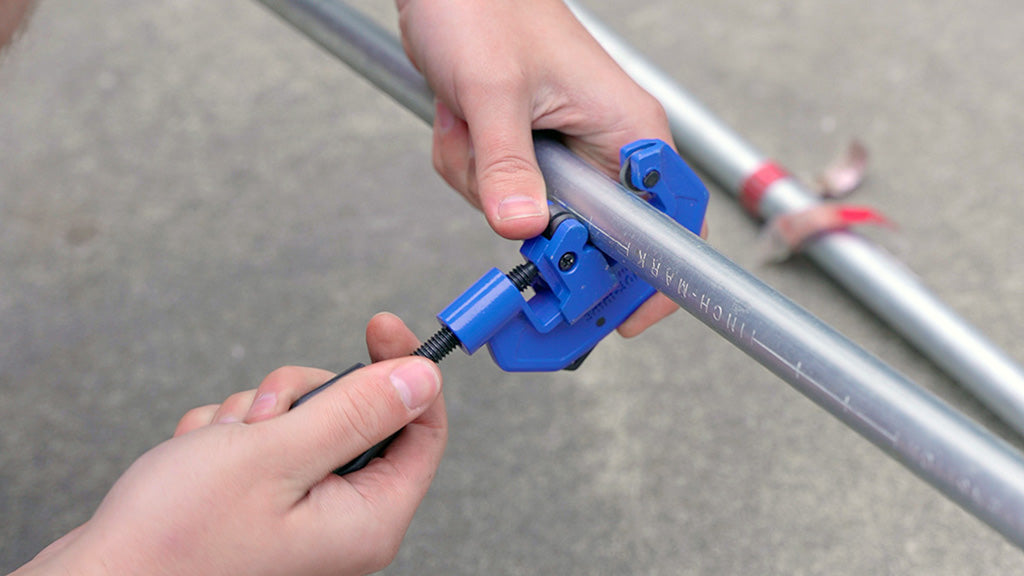
Quick comparison: pipe cutter vs hacksaw for pvc pipes
A pipe cutter is a single-purpose tool that rolls around the pipe and slices it cleanly. A hacksaw is a general tool that cuts by sawing and needs more cleanup. For most thin- to medium-wall PVC, a ratcheting pipe cutter is faster. For very large or odd-shaped pipes, or when you already own a hacksaw, the hacksaw still works fine.
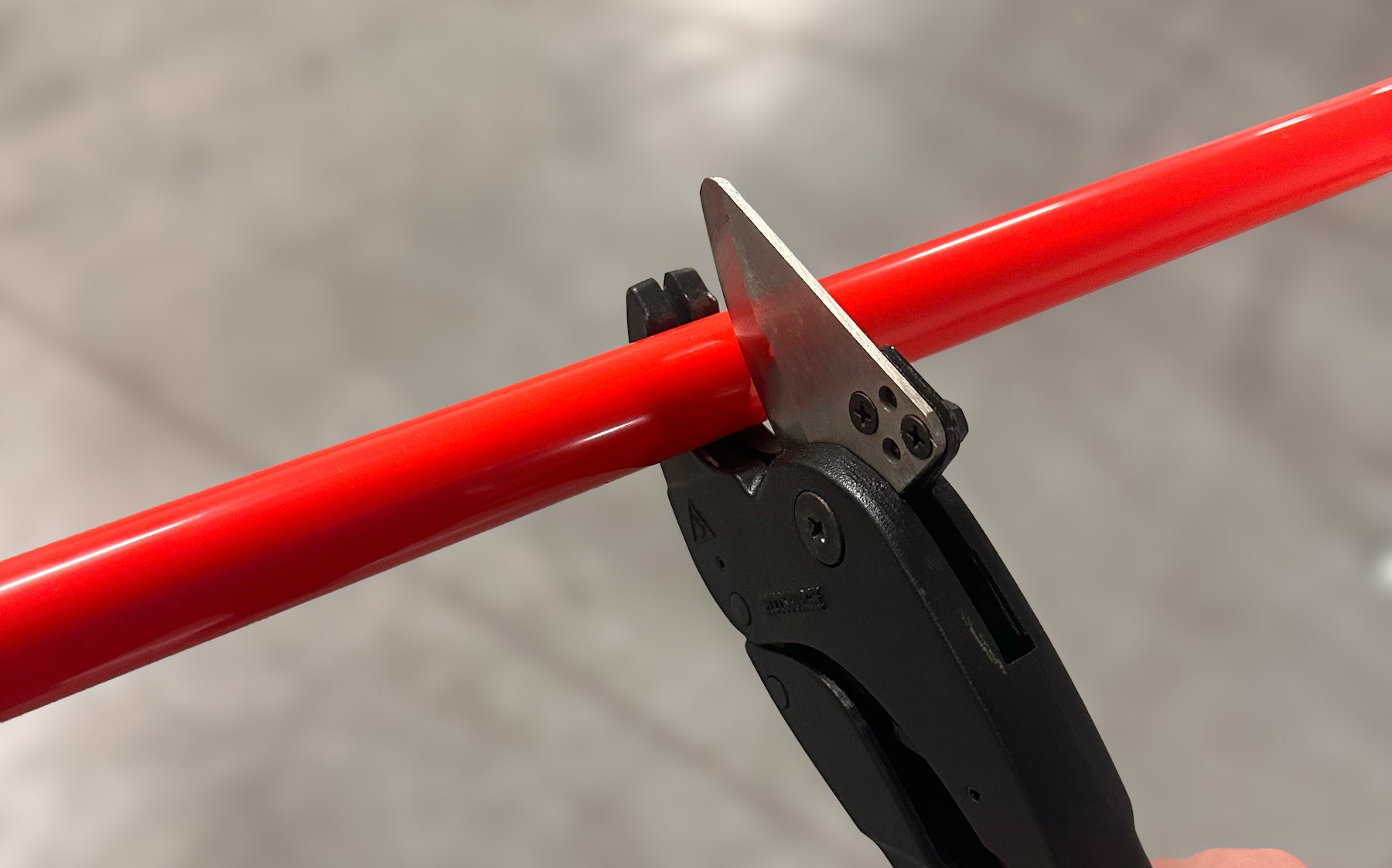
How each tool works
Pipe cutter
- Uses a sharp wheel or blade that scores and slices the PVC as the tool is rotated around the pipe.
- Ratcheting cutters let you tighten the blade a little at a time.
- Cuts are typically square and smooth with minimal burs.
Hacksaw
- Uses a manual sawing action with a metal blade.
- Works on many materials, not just PVC.
- Cutting speed depends on blade tooth count and user effort.
This section shows the core mechanical difference between pipe cutter vs hacksaw for pvc pipes and why one is faster and cleaner than the other.

Pros and cons: pipe cutter vs hacksaw for pvc pipes
Pipe cutter — pros
- Clean, square cuts with less burr cleanup.
- Fast for common PVC sizes.
- Safer for beginners; less chance to slip.
Pipe cutter — cons
- Limited to round pipes of certain diameters.
- Not ideal for very thick-wall or large-diameter pipes without special models.
- More costly than a basic hacksaw.
Hacksaw — pros
- Versatile for different materials and shapes.
- Cheap and commonly available.
- Works on pipes outside typical cutter sizes.
Hacksaw — cons
- Cuts are slower and often uneven.
- Leaves burs and rough edges that need sanding or deburring.
- More physical effort and risk of blade walking.
Reading these pros and cons makes the trade-offs in pipe cutter vs hacksaw for pvc pipes clear. Choose based on speed, finish, and pipe size.

When to choose a pipe cutter
Use a pipe cutter when:
- You cut many PVC sections regularly.
- You need a square, clean edge for solvent welding or fitting inserts.
- The pipe diameter matches your cutter’s range.
- You prefer speed and minimal cleanup.
In my plumbing work, I reach for a ratcheting pipe cutter for 1/2 inch to 2 inch PVC runs. It saves time and yields joints that bond well. This real-world habit highlights why many pros prefer a cutter in routine jobs.

When to choose a hacksaw
Use a hacksaw when:
- The pipe is outside a cutter’s capacity, such as large sewer pipe.
- You face odd shapes, fittings, or embedded pipes where a cutter cannot fit.
- You already own a solid hacksaw and budget is tight.
- You also need a tool that cuts metal, wood, or plastic.
I used a hacksaw on a backyard drain that involved glued fittings and uneven access. It worked, but I had to file and sand the end before joining. That extra time is why I favor a cutter when possible.
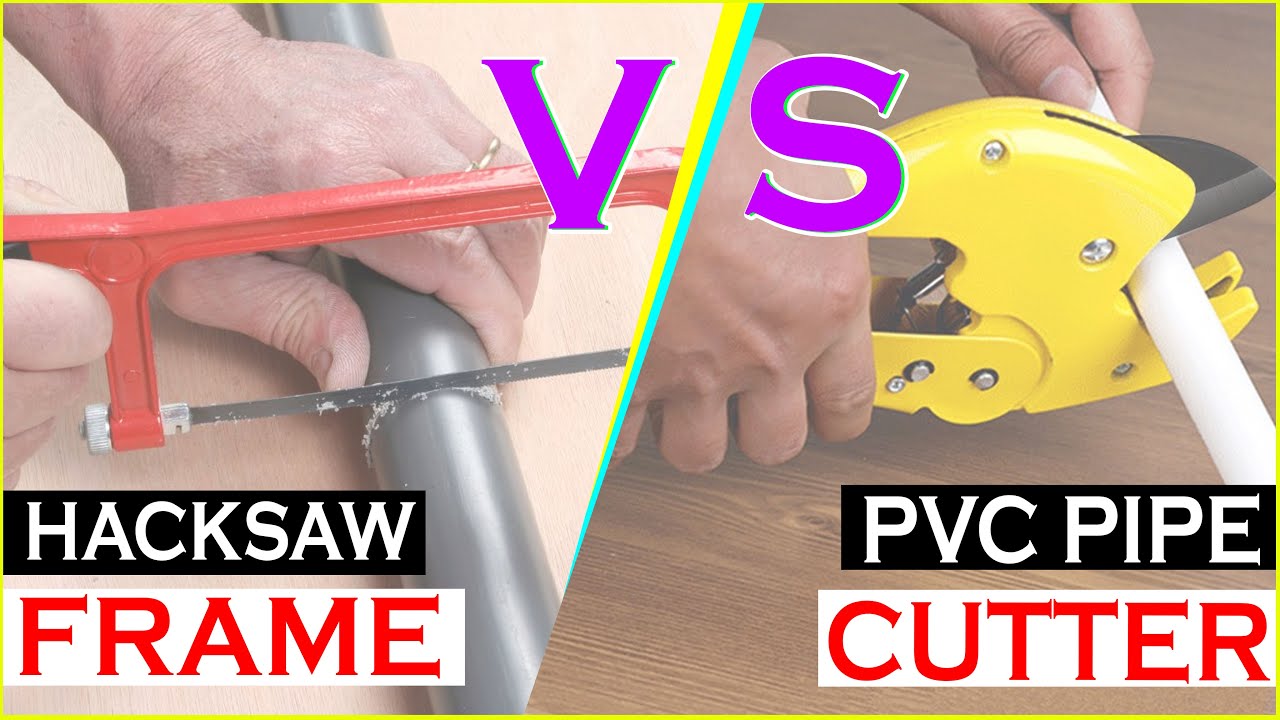
Step-by-step: cutting PVC with a pipe cutter
- Mark the cut point with a pencil or marker.
- Place the cutter so the blade aligns with the mark.
- Tighten the cutter gently and rotate once around the pipe.
- Ratchet a small amount and rotate again. Repeat until the pipe separates.
- Inspect the end and remove any small burrs with a deburring tool or utility knife.
These steps make the pipe cutter vs hacksaw for pvc pipes decision easy when you value neat joints and speed.

Step-by-step: cutting PVC with a hacksaw
- Mark the cut point clearly.
- Secure the pipe in a vise or clamp to prevent movement.
- Use a fine-tooth blade for smoother cuts.
- Saw with steady, even strokes; keep the blade perpendicular to the pipe.
- File or sand the cut edge to remove burs and square the end.
A hacksaw cut can be clean if you take time. Still, it takes longer than a cutter for routine sizes.

Safety, cleanup, and finishing
Safety tips
- Wear safety glasses to catch plastic chips.
- Clamp the pipe to keep both hands free.
- Use gloves if the pipe or blade is sharp.
Cleanup and finishing
- Use a deburring tool or round file to remove inner and outer burrs.
- Sand the outside lightly for a snug fit in fittings.
- Clean dust and plastic debris before solvent welding.
Following safety and finishing steps improves the final joint quality, regardless of choosing pipe cutter vs hacksaw for pvc pipes.
:max_bytes(150000):strip_icc()/SPR-types-of-saws-5409526-7-X-Hacksaw-8a18e4b2946e4d16b3a40789e9656359.jpg)
Costs, time, and environmental factors
Costs
- Basic hacksaw with blade: low cost, under $15.
- Mid-range ratcheting pipe cutter: $15–$50.
- Heavy-duty or specialty cutters cost more.
Time and labor
- Pipe cutters are usually faster for common sizes.
- Hacksaws add 50%–100% more time for cleaning and truing.
Waste and noise
- Hacksaws create more plastic dust and noise from sawing.
- Pipe cutters are quieter and produce larger shards rather than fine dust.
Consider tool cost, time saved, and waste when choosing between pipe cutter vs hacksaw for pvc pipes.
Common mistakes and how to avoid them
Common mistakes
- Cutting at an angle — use a guide or clamp.
- Using a dull blade — replace blades often.
- Not deburring — leads to poor seals and leaks.
How to avoid
- Mark twice and clamp the pipe.
- Check blade sharpness before starting.
- Finish the edge with a deburring tool for solvent-welded joints.
These small practices improved my first-time success rate dramatically on job sites.
Personal experience and lessons learned
Early in my career I used a hacksaw for everything. I learned that the small extra investment in a quality pipe cutter pays back in time and fewer failed joints. On large, unusual jobs, the hacksaw still saved the day. My rule now: use a pipe cutter for standard PVC runs and keep a hacksaw for irregular situations. This mix gives speed and flexibility.
PAA-style questions (people also ask)
What is faster, a pipe cutter or hacksaw for PVC?
A pipe cutter is faster for standard PVC sizes because it cuts in fewer rotations and needs less finishing.
Will a hacksaw damage PVC pipe?
A hacksaw won’t damage PVC if used carefully, but it can leave rough edges that need sanding or deburring.
Can I use the same blade for all PVC sizes?
Blades vary; cutters and hacksaw blades have size and tooth differences. Use the right tool and blade for best results.
Is a pipe cutter worth the cost for DIY?
Yes, if you cut a handful of pipes or want cleaner joints. For one-off projects, a hacksaw can be acceptable.
How do I make sure the cut is square?
Use a guide, mark clearly, clamp the pipe, and rotate the cutter or maintain straight sawing strokes to keep the cut square.
Frequently Asked Questions of pipe cutter vs hacksaw for pvc pipes
Which tool gives a stronger joint, pipe cutter or hacksaw?
A cleaner, square cut from a pipe cutter usually yields a stronger solvent-weld joint because the fit is tighter and bonding surfaces are even.
Can I use a pipe cutter on PVC with adhesive already on it?
Avoid cutting glued joints. If you must trim with adhesive present, be careful not to spread adhesive or deform the pipe; a hacksaw may be easier in tight spots.
How do I choose blade tooth count for a hacksaw on PVC?
Use a fine-tooth blade for smoother cuts on PVC. Finer teeth reduce chipping and make sanding easier.
Is there a risk of cracking PVC with a pipe cutter?
If you overtighten a cutter too fast, thin-walled PVC can crack. Tighten gradually and rotate evenly to avoid stress.
Do I need a special deburring tool for PVC?
A simple round file or a plastic PVC deburring tool works well. The key is to remove burrs and square the inner and outer edges for good seals.
Conclusion
Choosing between a pipe cutter vs hacksaw for pvc pipes depends on pipe size, speed needs, and budget. For most routine PVC work, a pipe cutter delivers cleaner, faster cuts and better joints. Keep a hacksaw for large pipes and awkward jobs where a cutter won’t fit. Try a ratcheting cutter for frequent tasks, practice safe cutting, and always finish edges before joining. Ready to improve your next PVC project? Pick the tool that matches your job, and share your experience or questions below.