Manual drain snake for small clogs; electric drain auger for tough, deep blockages and frequent use.
I have repaired hundreds of clogged sinks and drains. I know when a simple hand tool will do and when power is better. This guide on manual drain snake vs electric drain auger explains how each tool works, when to use them, cost and safety tips, and real-world lessons from my own plumbing work. Read on to pick the right tool and avoid common mistakes.

Understanding the tools: manual drain snake vs electric drain auger
manual drain snake vs electric drain auger are both designed to clear clogs. They differ in power, reach, and use cases. A manual drain snake is a simple coil or cable you feed by hand. An electric drain auger uses a motor to push and rotate a cable into deeper pipes.
Both tools remove hair, grease, soap, and small objects. The manual drain snake is low cost and low risk. The electric drain auger is faster for tough clogs and long runs. Knowing these basics helps you choose the right tool for the job.
How each tool works
manual drain snake vs electric drain auger work on the same basic idea: reach the clog and break it up or pull it out. Here’s how each one works in practice.
Manual drain snake
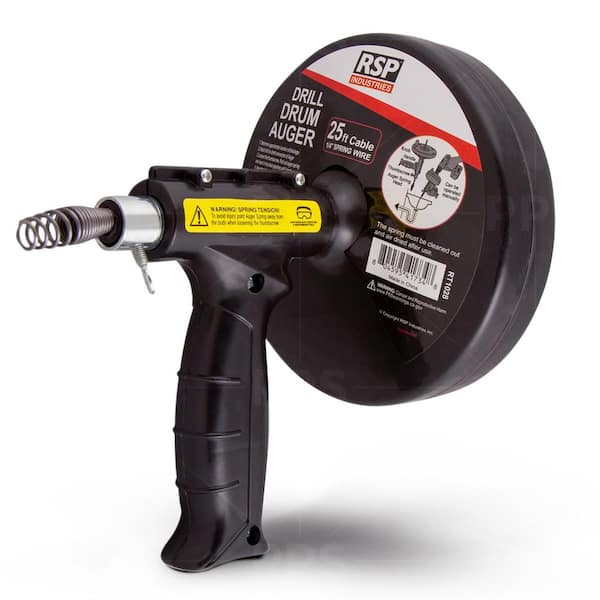
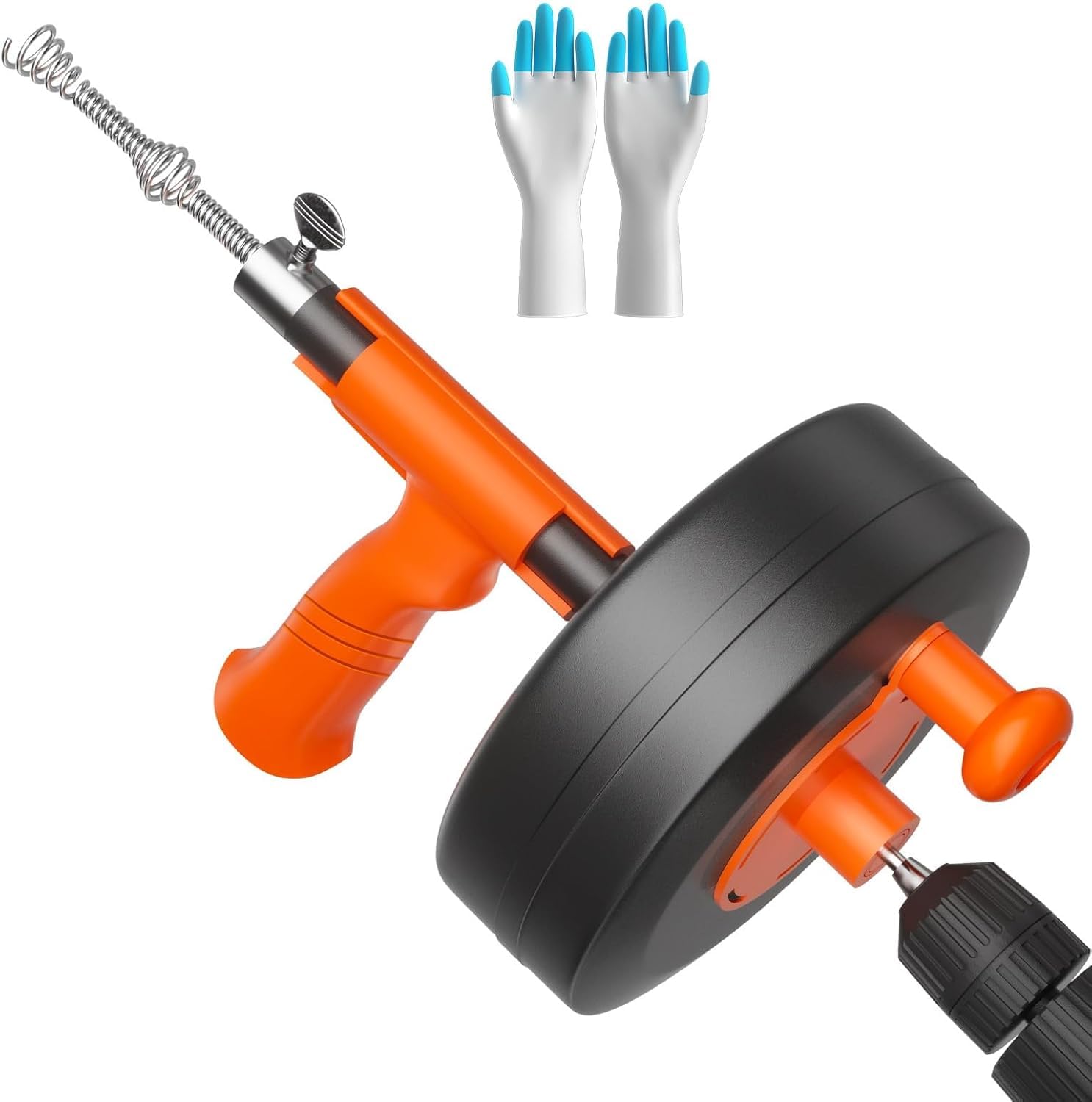
A manual drain snake has a flexible cable with a handle. You feed the cable by hand into the drain. You rotate and push until you feel resistance. Then you pull back to retrieve hair or debris. Manual snakes come in short lengths for sinks and longer lengths for tubs.
Electric drain auger
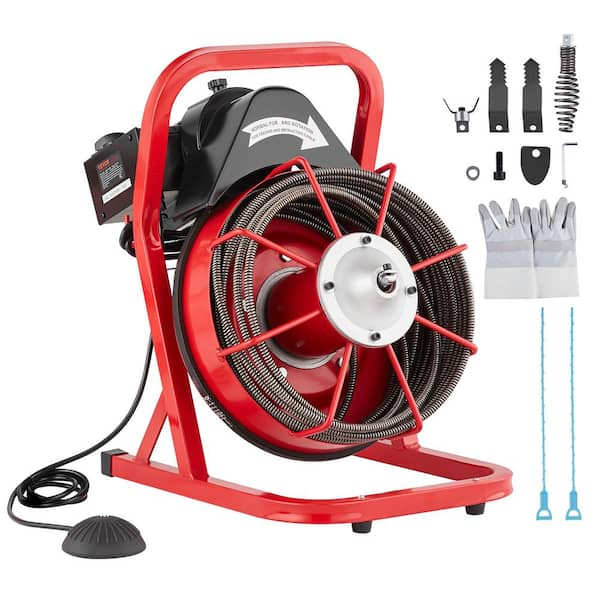
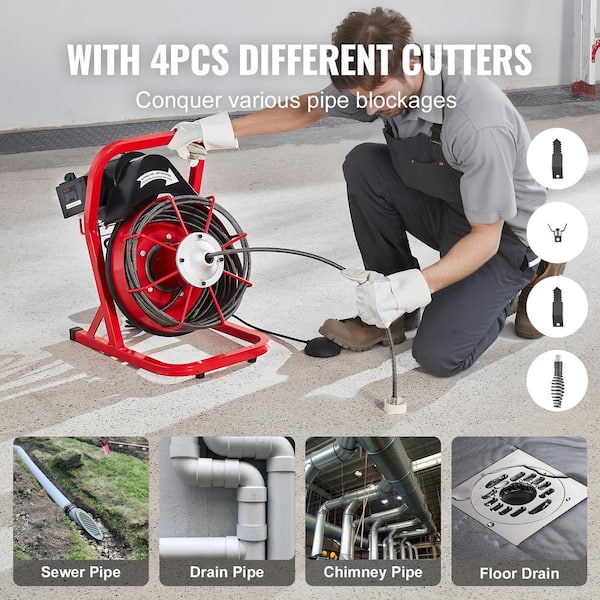
An electric drain auger has a motor and spool. You feed cable from the drum while the motor spins the cable. The spinning action bites into dense clogs and breaks them apart. Electric augers have longer cable lengths and greater torque for deep or stubborn blockages.

Pros and cons
manual drain snake vs electric drain auger each have clear advantages and limits. Below I list key pros and cons based on real use.
Pros of manual drain snake
- Low cost and easy to store.
- Gentler on plumbing and fixtures.
- Ideal for hair and small clogs in sinks and showers.
- No power required and simple to use.
Cons of manual drain snake
- Limited reach and torque.
- Can be slow on stubborn clogs.
- Requires physical effort and patience.
Pros of electric drain auger
- Higher torque and longer reach.
- Fast and effective on deep or compacted clogs.
- Good for main sewer lines and heavy build-up.
Cons of electric drain auger
- Higher cost and larger size.
- Greater risk of pipe damage if used poorly.
- Requires power and more safety precautions.
When to choose which: decision guide
manual drain snake vs electric drain auger choice depends on the clog, pipe type, and your comfort level. Use this quick guide.
Use a manual drain snake when
- The clog is shallow and shows signs like slow draining sinks.
- The pipe is plastic, and you want low risk.
- You want a budget-friendly fix you can do now.
- The clog is hair, soap, or small debris.
Use an electric drain auger when
- The clog is deep, in a main line, or very dense.
- Multiple fixtures are backing up.
- You’ve already tried a manual snake and it failed.
- You need professional-level speed and reach.
Practical examples
- Bathroom sink slow from hair: try a manual drain snake first.
- Basement sewer backup or main line clog: use an electric drain auger or call a pro.
- Grease buildup in a kitchen drain: electric auger or professional service is usually best.

Buying, safety, maintenance, and cost
manual drain snake vs electric drain auger decisions also come down to price and maintenance. Here are practical tips.
Buying tips
- Choose cable length based on use: 25–50 feet for home sinks and tubs, 50–100+ feet for main lines.
- For manual snakes pick a stiff but flexible cable with a good grip.
- For electric augers pick a trusted brand with adjustable speed and safety features.
Safety tips
- Wear gloves and eye protection when using either tool.
- For electric augers, unplug before adjusting cable. Keep long hair and loose clothes away.
- Never force powered cable if it binds. Back it out and inspect.
- Avoid electric augers on fragile old pipes without experience.
Maintenance tips
- Clean and dry the cable after each use. Lubricate lightly if recommended.
- Inspect cables for kinks and replace damaged sections.
- Store tools in a dry place to prevent rust and motor damage.
Cost estimates
- Manual drain snake: $10–$60 for consumer models.
- Mid-range manual kits with extra heads: $60–$150.
- Electric drain auger (consumer): $200–$600.
- Pro-grade electric auger: $700–$2,000+
Personal experience, mistakes to avoid, and tips
manual drain snake vs electric drain auger both work well when used properly. From my years fixing drains, here are real tips.
Personal story
I once used a manual drain snake on a tub clog twice before admitting the clog was deeper. The third time I switched to an electric auger and cleared years of soap and hair in minutes. That saved the homeowner multiple visits and a bigger repair.
Common mistakes to avoid
- Forcing the cable when it binds — this can damage pipes.
- Using the electric auger on fragile or old drain materials without care.
- Not testing the drain after clearing — sometimes partial breaks leave residue.
- Skipping safety gear when using an electric auger.
Practical tips I use on jobs
- Try a manual snake first on every sink. It often works and is faster.
- If the manual snake reaches a blockage but can’t clear it, mark the depth and switch to power tools.
- Keep a small set of replacement heads and a camera inspection option for stubborn clogs.
Frequently Asked Questions of manual drain snake vs electric drain auger
Which tool is better for hair clogs in a bathroom sink?
A manual drain snake usually clears hair clogs fast and safely. Try it first unless the clog is deep or recurring.
Can an electric drain auger damage my pipes?
Yes, if used incorrectly on old or thin pipes. Use lower torque and proper technique, or hire a pro for fragile systems.
How far can a manual drain snake reach?
Most hand snakes reach 15–25 feet, which is enough for sinks and tubs but not for main sewer lines. Longer manual cables exist but have limits.
Is an electric drain auger hard to use?
Basic models are straightforward, but they require safety care and practice to avoid pipe damage. Read the manual and start slow.
When should I call a plumber instead of using these tools?
Call a plumber if multiple fixtures back up, the clog keeps returning, or you suspect tree root intrusion or damaged pipes. Professionals have inspection cameras and heavy equipment.
How often should I maintain the cables?
Clean and dry cables after every use. Inspect for wear before each job. Replace damaged cable sections promptly.
Conclusion
Choosing between a manual drain snake vs electric drain auger comes down to clog depth, pipe type, cost, and your comfort with tools. Start with a manual drain snake for simple hair and soap clogs. Use an electric drain auger for deep, stubborn, or repeated blockages. If you are unsure, call a pro to avoid damage.
Take action today: try a manual snake for small clogs, note results, and upgrade to an electric auger or professional help if the problem persists. Share your experiences or questions below to learn from others and improve your drain-fixing skills.