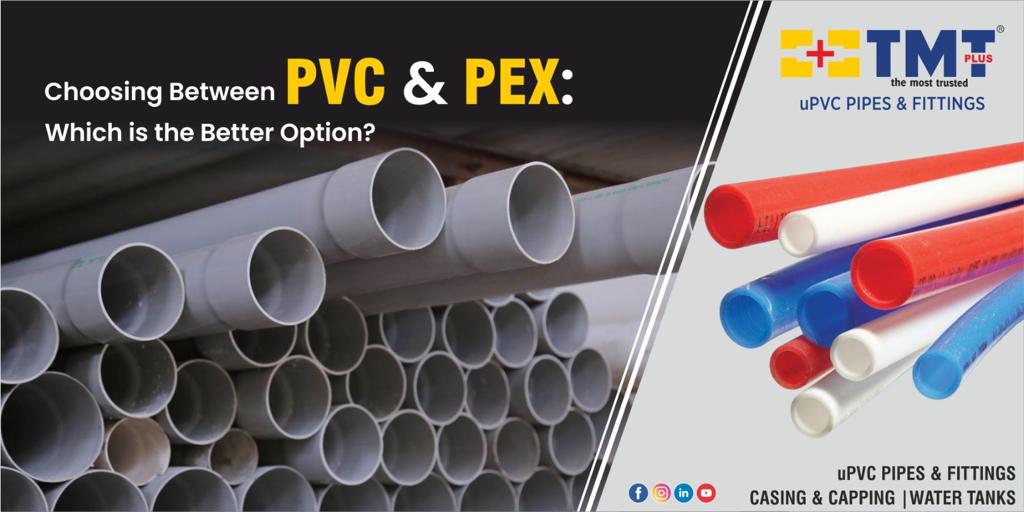
PEX is more flexible and freeze-resistant for water lines; PVC is stiffer and cheaper for drains and vents.
I’ve spent years working on plumbing projects, from small repairs to full remodels. I know the strengths and limits of pex tubing vs pvc pipe. This guide walks you through materials, cost, installation, code issues, longevity, and real-world tips so you can make the right choice for your job.
PEX tubing vs PVC pipe: side-by-side comparison
Here is a clear snapshot to help you decide fast.
- PEX tubing vs PVC pipe: material
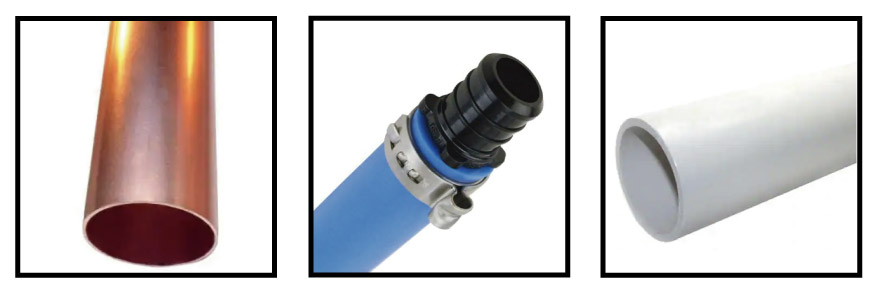
- PEX is cross-linked polyethylene. It is flexible and comes in loops or straight runs.
- PVC is rigid polyvinyl chloride. It is molded into straight lengths and fittings.
- PEX tubing vs PVC pipe: common uses
- PEX is used for hot and cold water supply lines and radiant heat.
- PVC is used for drain, waste, vent, and some cold water lines.
- PEX tubing vs PVC pipe: installation
- PEX needs specialized fittings or crimp/expansion tools.
- PVC uses solvent cement or threaded fittings.
- PEX tubing vs PVC pipe: cost and labor
- PEX often saves labor on complex runs due to flexibility.
- PVC is cheaper per foot and common for simple straight runs.

What are PEX and PVC?
Define each material in plain language.
PEX tubing
- PEX stands for cross-linked polyethylene.
- It bends around corners. It reduces the number of joints.
- It handles hot water and cold water well.
PVC pipe
- PVC stands for polyvinyl chloride.
- It is hard and stable. It is cheap and common.
- It is mostly used for drains and vents, and some cold-water pipe.

Performance: temperature, pressure, and durability
Compare how each material performs under stress.
- Temperature
- PEX handles hot water up to about 200°F for short times. It works well for hot supply lines.
- PVC softens at lower temperatures and should not be used for hot water.
- Pressure
- PEX holds high pressure for household supply use. Ratings depend on type (PEX-A, B, C).
- PVC has high pressure ratings for many sizes, especially schedule 40 and 80, but not for hot water in typical PVC.
- Durability
- PEX resists corrosion and scale. It tolerates freeze-thaw cycles better if installed properly.
- PVC does not corrode. It can become brittle over many years in direct sun.
- Chemical resistance
- PEX is resistant to many common chemicals but can be affected by some solvents.
- PVC resists many chemicals but can be attacked by some solvents and strong alkalis.
Quick question: Can I use PEX outside?
- PEX can be used outside but needs UV protection. Direct sun will degrade it over time.
Quick question: Can PVC handle hot water?
- Standard PVC should not be used for hot water. CPVC is the heat-rated variant for that use.
Installation, fittings, and cost
Installation choices affect the final price and longevity.
- Tools and skill
- PEX requires crimp, clamp, or expansion tools. The learning curve is short.
- PVC needs clean cuts, primer, and cement. Dry fit is essential before bonding.
- Fittings
- PEX uses brass or plastic fittings. Fewer joints mean fewer leak points.
- PVC uses solvent-welded fittings or threaded joints. Joints are rigid but proven.
- Cost factors
- Material cost: PVC pipe usually costs less per foot than PEX.
- Labor cost: PEX often lowers labor in retrofit or complex runs because it bends easily.
- Long-term cost: Fewer joints with PEX can mean fewer repairs over time.
Practical example
- In a kitchen remodel, I ran PEX behind cabinets. I saved time and needed fewer fittings. The project cost less in labor, though material cost was slightly higher.
Typical uses and building codes
What professionals use and what codes often require.
- Supply lines
- PEX is widely accepted for interior hot and cold supply lines in many jurisdictions.
- Drain, waste, vent (DWV)
- PVC is still the main choice for DWV systems.
- Outdoor and exposed runs
- PVC is used outside for DWV and irrigation. PEX must be shielded from UV.
- Code notes
- Local code varies. Many areas accept PEX for domestic water. CPVC or copper are alternatives.
- Always check local rules before choosing materials.

Pros and cons of PEX tubing vs PVC pipe
Clear list to weigh trade-offs.
PEX pros
- Flexible; fewer fittings.
- Good for hot water.
- Quiet flow and less chance of hammer noise.
- Easy retrofits in tight spaces.
PEX cons
- Can be damaged by UV light.
- Requires compatible fittings and tools.
- Some worry about long-term leaching in rare cases.
PVC pros
- Low cost per foot.
- Very durable for DWV systems.
- Wide availability of fittings and parts.
- Easy to glue for permanent joints.
PVC cons
- Rigid; needs more fittings for turns.
- Not for hot water (use CPVC for that).
- Can become brittle in sunlight over time.

Maintenance, lifespan, and common failure modes
What to expect over years of use.
- Lifespan
- PEX can last 30-50 years under normal conditions.
- PVC can last 50+ years when used in proper applications.
- Common failures
- PEX: mechanical damage at exposed areas or failed fittings.
- PVC: cracked pipe due to impact or frost heave; failed glued joints if done poorly.
- Repair tips
- For PEX, replace a section or use a repair coupling. Keep fittings accessible.
- For PVC, cut out the damaged section and solvent-weld a new piece.
- Preventive steps
- Avoid UV exposure for PEX.
- Support PVC properly to avoid sagging and movement.

Environmental, health, and safety considerations
Be mindful of the wider impacts.
- Chemical concerns
- PEX has been examined for potential leaching. Many studies show safe levels in typical use. Use certified PEX for potable water.
- PVC manufacturing involves chlorine-based processes and additives. Burning PVC releases toxic fumes.
- Recyclability
- PVC can be recycled but not as widely accepted as some plastics.
- PEX recycling is limited and depends on local facilities.
- Safety on the job
- Use proper PPE. Sawing PVC creates dust. Cutting PEX can fling fragments.
- Code and certification
- Choose pipes with NSF/ANSI certification for potable water. That reduces health risk.
My experience and practical tips
Hands-on lessons from real projects.
- Tip 1: Pre-plan the layout
- When I ran water lines in a remodel, I sketched routes first. PEX saved time in long, curved runs.
- Tip 2: Mark and protect PEX
- I label hot and cold lines at both ends. I also wrap PEX in foam when near cold surfaces to reduce freezing risk.
- Tip 3: Use local parts
- I buy fittings from reputable vendors. That cut chase for obscure connectors and saved trips.
- Mistakes to avoid
- Don’t use regular PVC for hot water. I once had to replace a run after a homeowner used PVC near a water heater.
- Don’t leave PEX exposed to sunlight. I learned this the hard way on an outdoor install.
Frequently Asked Questions of pex tubing vs pvc pipe
What is the main difference between pex tubing vs pvc pipe?
The main difference is flexibility and use. PEX is flexible and ideal for hot and cold supply lines. PVC is rigid and is primarily used for drains, vents, and cold water lines.
Can I use PEX for outdoor plumbing?
PEX can be used outdoors if protected from UV light and extreme cold. Prolonged sun exposure can degrade PEX quickly.
Is PVC safe for drinking water?
Standard PVC is used for some water uses, but you should use certified types for potable water. CPVC is the heat-rated version often used for hot potable water.
Which is cheaper: PEX tubing vs PVC pipe?
PVC is usually cheaper per foot for material. PEX can save money on labor in complex installs due to fewer fittings and faster runs.
How long do PEX and PVC last?
Both can last decades. PEX often lasts 30–50 years. PVC can last 50+ years when used properly and not exposed to sunlight.
Are PEX fittings reliable?
Yes, modern PEX fittings are reliable when installed correctly. Use compatible tools and follow manufacturer instructions to avoid leaks.
Conclusion
Choosing between pex tubing vs pvc pipe comes down to use, cost, and installation style. Pick PEX for flexible, quiet supply lines and easier retrofits. Pick PVC for low-cost, rigid drain and vent systems. Know local code, use certified products, and protect materials from damage. Start with a clear plan, buy quality fittings, and ask a pro if you hit code or safety questions. If this helped, try one small test run in your home or leave a comment with your project details.