Oscillating tools win for detail work; reciprocating saws win for fast, heavy demolition.
I’ve used both for years as a carpenter and handyman, and I’ll walk you through the real strengths and limits of an oscillating tool vs reciprocating saw so you can pick the right tool for your job. This guide explains how each tool works, when to use which, blade choices, safety tips, buying advice, and hands-on lessons from the field. Read on to make faster, smarter tool choices and avoid common mistakes.

How oscillating tools and reciprocating saws work
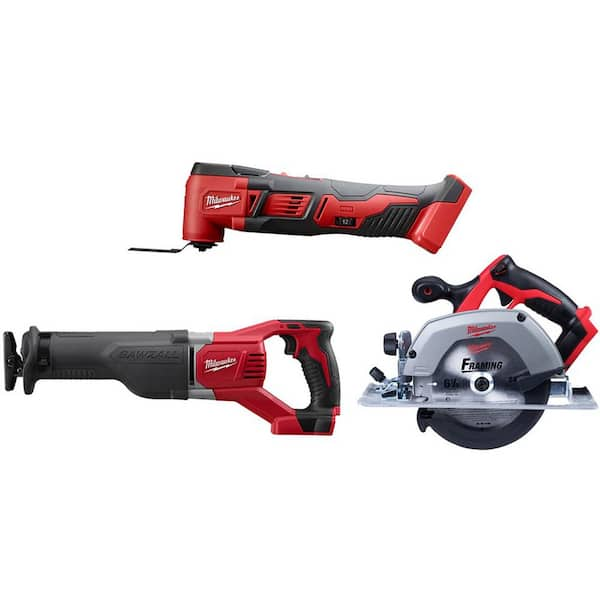
An oscillating tool moves a blade or accessory very quickly in a tiny arc. The motion is side-to-side with little travel. That makes the tool precise and low-vibration. It cuts thin materials, sands in tight spots, scrapes adhesives, and trims near finished surfaces.
A reciprocating saw moves a blade back and forth in a long stroke. The motion has much more travel and power. It tears through wood, plaster, and metal fast. Reciprocating saws are built for rough work and fast demolition.
Both tools accept a range of blades and accessories. The right blade changes what each tool can do. I use the oscillating tool for finish work and the reciprocating saw for demo and fast ripping. Together, they cover most renovation tasks.

Key differences: oscillating tool vs reciprocating saw
Here are the most important differences to know when choosing between an oscillating tool vs reciprocating saw.
-
Motion and precision
- Oscillating tool uses tiny oscillations for precise cuts and minimal tear-out.
- Reciprocating saw uses long reciprocating strokes for aggressive cutting and fast removal.
-
Typical uses
- Oscillating tool is best for flush cuts, undercutting trim, plunge cuts, grout removal, and sanding in tight areas.
- Reciprocating saw is best for wall demolition, cutting branches, trimming nail-embedded lumber, and cutting through PVC or metal pipe.
-
Control and finish
- Oscillating tool gives greater control and leaves cleaner edges.
- Reciprocating saw is rougher and needs sanding or planing after cutting.
-
Power and speed
- Oscillating tools run cooler and use less brute force.
- Recip saws deliver more raw cutting force and clear material faster.
People also ask
Can an oscillating tool replace a reciprocating saw?
An oscillating tool cannot fully replace a reciprocating saw for heavy demolition. It can handle small cuts but lacks the stroke and power to remove large volumes of material quickly.
Which is safer for indoor work?
An oscillating tool is safer for indoor finish work because it is slower and more precise. A reciprocating saw needs more space and care because it throws chips and can grab.
Best uses and job comparisons
Match the tool to the task. Here are clear examples that help decide between oscillating tool vs reciprocating saw.
-
Trim and finish work
- Use an oscillating tool to trim door jambs, cut carpet, remove caulk, and make plunge cuts in drywall.
-
Demolition and framing
- Use a reciprocating saw to cut studs, rip out old framing, remove siding, and cut through nails and pipes.
-
Plumbing and electrical repairs
- Use an oscillating tool to open small access holes and cut drywall neatly around fixtures.
- Use a reciprocating saw to cut through old pipe runs and stubborn nails.
-
Outdoor and landscaping
- Use a reciprocating saw for pruning and cutting thick branches.
- Oscillating tools are rarely used outdoors for heavy cutting.
Real-life example: I once needed to remove a rotted window sill and save nearby trim. I used a reciprocating saw to cut the bulk of the sill, then an oscillating tool to clean near the trim and make the final precise cuts. That saved the trim and sped up the job.

Blade types, accessories, and when to use them
Choosing the right blade changes what each tool can do. Below are common blade types for both tools.
Oscillating tool blades and accessories
- Bi-metal plunge cut blades for wood and nails
- Carbide grit or diamond segments for grout and tile
- Sanding pads and sanding attachments for small areas
- Scraper blades for paint and adhesive removal
Reciprocating saw blades
- Wood cutting blades with coarse teeth for fast cuts
- Bi-metal blades for mixed materials and nails
- Metal-cutting blades for pipes and EMT
- Demolition blades with aggressive teeth for framing and removal
Tip: Match tooth count and material to the cut. Finer teeth work on metal; coarse teeth cut wood faster. Keep spare blades on site.
Safety, setup, and efficiency tips
Both tools need safe handling. Follow these rules to reduce injury and improve results.
- Wear eye protection, gloves, and hearing protection.
- Secure the workpiece before cutting.
- Let the blade reach full speed before contacting the material.
- Use clamp support to avoid kickback and binding.
- For reciprocating saws, start cuts slowly until the blade bites.
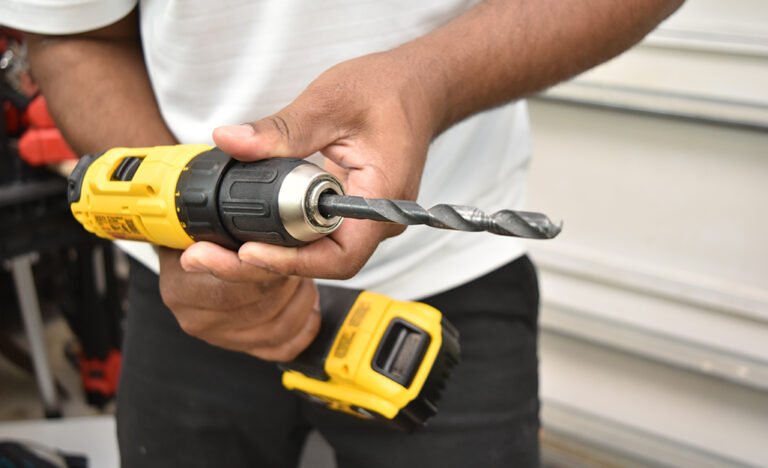
- For oscillating tools, use the correct accessory and don’t force the tool; let it do the work.
- Keep blades sharp and change them when performance drops.
I once tried cutting a 2×6 with a dull reciprocating blade. The saw grabbed and burned the wood. After switching to a sharp, bi-metal blade, the cut was effortless. The lesson: blade condition matters more than horsepower.

Buying guide: choose the right tool for your needs
Decide by frequency of use and typical projects. Here’s a quick buyer’s guide focused on oscillating tool vs reciprocating saw.
- If you do finish carpentry or tile and need precision, buy a quality oscillating tool with a universal quick-change head and variable speed.
- If you do renovation, demolition, tree work, or rough framing, buy a strong reciprocating saw with a comfortable grip, good stroke length, and tool-free blade changes.
- Consider battery platform: choose the tool that fits your existing battery ecosystem for savings and convenience.
- Look for brushless motors for longer life and better runtime.
- Buy spare blades and a small accessory kit to get more value.
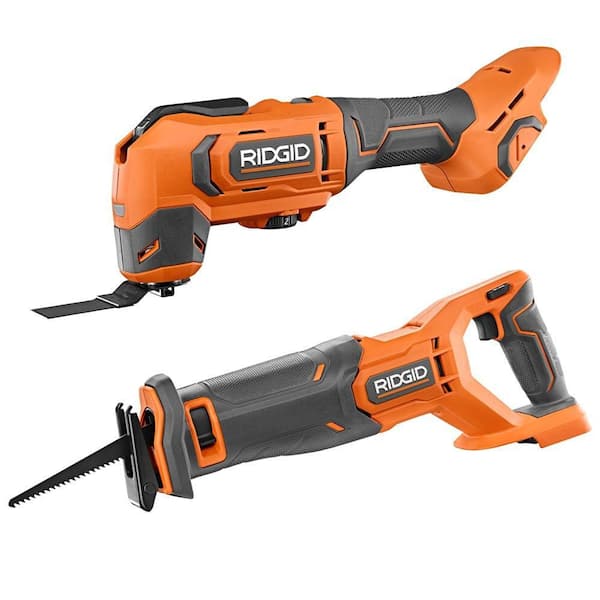
Budget tip: If you can only buy one, pick the reciprocating saw for broad demolition power; add an oscillating tool later for detail work.
Personal experience and lessons learned
I’ve used oscillating tool vs reciprocating saw on dozens of remodels. Here are my practical takeaways.
- Start with the right mindset: rough demo first with a reciprocating saw, then refine with an oscillating tool.
- Don’t force an oscillating blade into heavy cuts. It works best for precision, not bulk removal.
- Use a short stroke reciprocating blade for controlled cuts near studs and a long-stroke blade for fast demolition.
- Keep a set of multi-tools and blades in your van. They save time when access is tight.
- Respect vibration and fatigue. Use foam handles or padded gloves for long shifts.
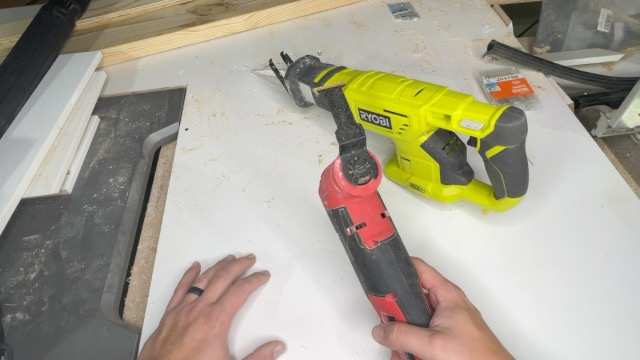
Common mistake: trying to save time by using only a reciprocating saw on finish tasks. That nearly ruined several trim pieces for me. Switching to an oscillating tool saved the trim and earned me a satisfied client.
Frequently Asked Questions of oscillating tool vs reciprocating saw
What can an oscillating tool cut that a reciprocating saw cannot?
An oscillating tool can make precise plunge cuts, remove grout, and cut flush without damaging surrounding trim. A reciprocating saw cannot match that fine control.
Can a reciprocating saw cut metal pipes?
Yes. With the correct metal-cutting or bi-metal blade, a reciprocating saw cuts metal piping and conduit quickly.
Which tool is better for removing tile adhesive?
An oscillating tool with a carbide scraper or blade is best for scraping tile adhesive and grout in tight spots.
Is a cordless oscillating tool powerful enough for most home jobs?
Yes. Modern cordless oscillating tools are powerful for most home finish tasks, though long jobs benefit from corded models or spare batteries.
Do I need both tools for a home renovation?
Having both is ideal. A reciprocating saw handles demo and bulk cuts, while an oscillating tool handles detail, trim, and repair work.
Conclusion
Choosing between an oscillating tool vs reciprocating saw comes down to the job. Use an oscillating tool for precision, tight access, and finish work. Use a reciprocating saw for speed, power, and heavy demolition. My practical advice: pair the tools when possible. Start rough, then refine. That workflow saves time and protects finish work. Try the right blade, respect safety, and learn from small jobs before big projects. If you found this useful, leave a comment with your project type or subscribe for more hands-on tool advice.