Offset screwdrivers are best for tight, shallow spaces; right angle screwdrivers excel when clearance is limited but turning room remains.
Choosing between an offset screwdriver vs right angle screwdriver can save time, protect fasteners, and make frustrating repairs feel much easier. I’ve used both on cabinets, appliances, automotive trim, and cramped DIY projects, and the difference is bigger than most people expect. In this guide, I’ll break down how each tool works, when to use one over the other, and what I’ve learned from real-world use so you can pick the right tool with confidence.
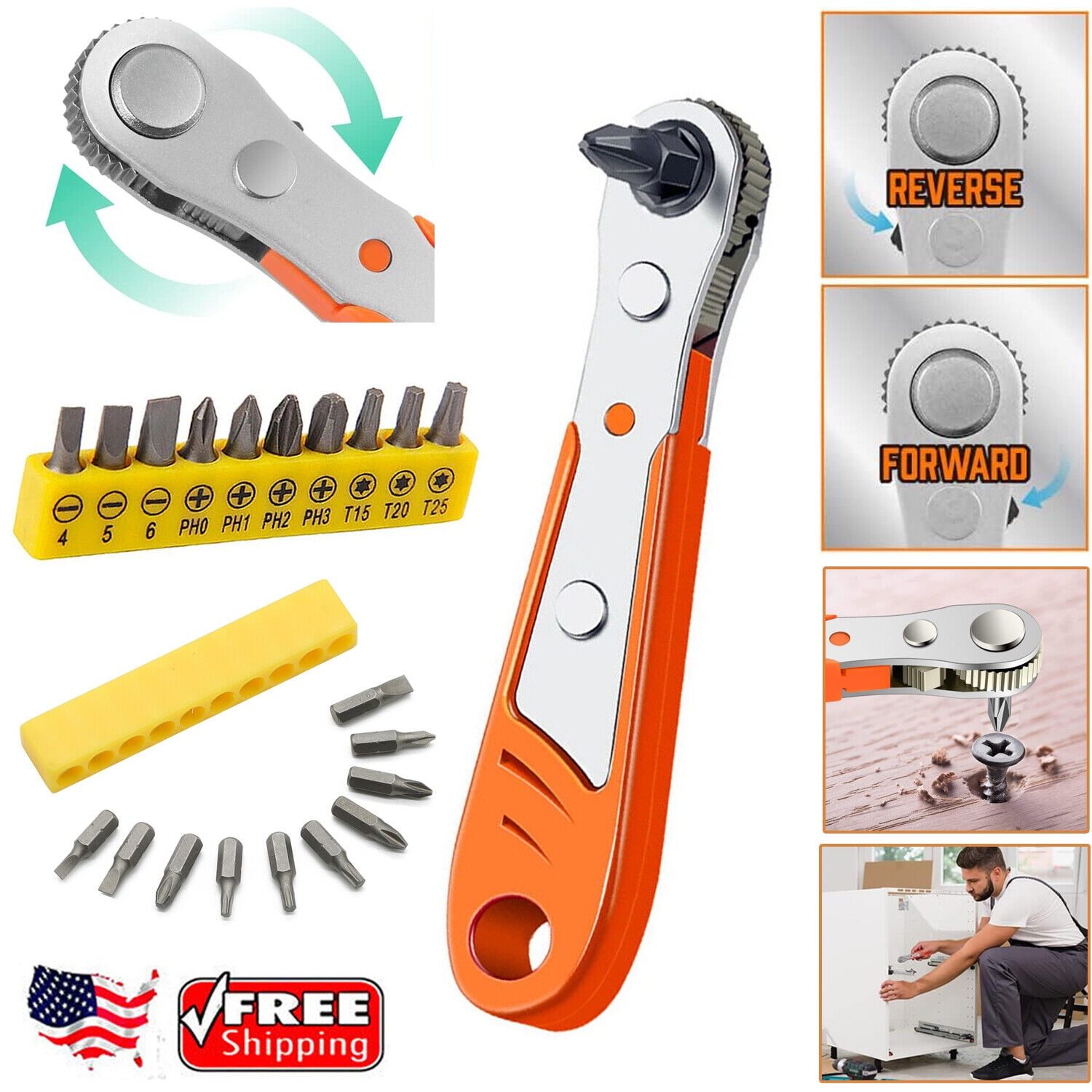
Offset Screwdriver vs Right Angle Screwdriver: What Each Tool Does
An offset screwdriver is built for spots where a straight screwdriver cannot fit. It uses a bent or offset body that lets you turn a screw from the side instead of straight in line with the fastener. That makes it handy in tight, shallow areas where your hand or a regular handle would hit a wall, pipe, or panel.
A right angle screwdriver is made for fasteners that sit in awkward places but still need a clean 90-degree drive. It usually has a compact head or a gear-style mechanism that helps you turn screws where a normal screwdriver would not have enough swing. In simple terms, the offset screwdriver vs right angle screwdriver choice comes down to space, leverage, and how much control you need.
From experience, I think of the offset tool as a quick escape tool and the right angle tool as a precision tool. One gets you into impossible-looking spots. The other gives you better control when access is tight but the screw still needs a steady turn.

How an Offset Screwdriver Works
An offset screwdriver has a bent shaft or an inline offset head. This design lets the handle sit away from the screw while the tip reaches the fastener at a side angle. Many models also give you a little extra leverage, which helps when a screw is stuck.
I first appreciated this tool while removing a rusty screw under a cabinet lip. A normal driver could not line up with the screw head, and a power tool was too bulky. The offset screwdriver slipped in cleanly and saved the job.
Common features include:
- Compact shape for very tight access
- Manual control for delicate work
- Light leverage for loosening stubborn screws
- Simple design with few moving parts
Offset screwdrivers are especially useful for light-duty repair work. They are not always the strongest choice for heavy torque, but they shine in spaces where nothing else fits.

How a Right Angle Screwdriver Works
A right angle screwdriver turns the drive head at 90 degrees, letting you drive screws from the side. Some models are fully manual, while others use gear-driven heads or interchangeable bits. The main benefit is access with better alignment than an offset tool in certain situations.
I reach for a right angle screwdriver when I need to hold the tool steady and keep the bit square to the screw. That matters a lot with small screws, electronics, appliance panels, and trim pieces. If the bit slips, you can strip the head fast, so control matters more than raw reach.
Typical strengths include:
- Better control in awkward positions
- Good alignment with screw heads
- Useful for small fasteners and assembly work
- Often better for repeated turning than a plain offset tool
If the offset screwdriver vs right angle screwdriver debate is about control, the right angle tool often wins. If it is about slipping into the smallest opening, the offset tool may still be the better choice.

Offset Screwdriver vs Right Angle Screwdriver: Key Differences
The biggest difference is how each tool handles space and force. An offset screwdriver is better for very restricted access. A right angle screwdriver is better when you need to turn the screw cleanly and keep the bit engaged.
Here is the simplest way to compare them:
- Access: Offset wins in the tightest spaces
- Control: Right angle usually wins
- Leverage: Offset may help in short bursts, but right angle can feel steadier
- Ease of use: Right angle is often easier for repeated turns
- Precision: Right angle is usually better for delicate fasteners
I’ve found that the choice often depends on whether you are fighting for entry or fighting for control. If both are a problem, I usually test the right angle screwdriver first because it keeps the bit more stable. If the tool physically cannot fit, then the offset screwdriver becomes the obvious answer.
When to Use an Offset Screwdriver
Use an offset screwdriver when a fastener sits in a cramped spot and the tool needs to approach from the side. It works well when there is very little vertical room above the screw. It also helps when a handle or long shaft would hit an obstacle.
Good use cases include:
- Furniture assembly in tight corners
- Cabinet hardware repair
- Automotive trim and panels
- HVAC covers and service panels
- Appliance screws near walls or frames
One mistake I made early on was trying to force a standard screwdriver into a space that clearly needed an offset driver. I wasted time and started to round the screw head. The lesson was simple: if the tool does not line up naturally, stop and switch tools before damage starts.
When to Use a Right Angle Screwdriver
Use a right angle screwdriver when you need access from the side but still want better bit alignment and torque control. It is especially useful when a screw is not fully blocked, but your hand or wrist cannot turn a normal driver in a full circle. That makes it a smart middle ground in many repair jobs.
Strong use cases include:
- Electronics and small appliances
- Interior trim work
- Tight machine covers
- Light assembly tasks
- Repetitive screw turning in confined spots
In my shop, the right angle screwdriver usually gets more daily use than the offset tool. It feels smoother on small screws, and I lose fewer fastener heads when I can keep the bit seated properly. If you do a lot of maintenance work, this tool often earns a permanent spot in the drawer.
Pros and Cons of Offset Screwdrivers
Offset screwdrivers are simple, handy, and easy to keep around. Still, they are not perfect for every job.
Pros:
- Fits into very tight spaces
- Simple design with low maintenance
- Useful for quick fixes
- Can help break loose stuck screws
Cons:
- Less comfortable for repeated turning
- Limited torque compared with larger drivers
- Can be awkward in deep spaces
- Not ideal for high-precision work
For me, the biggest advantage is reach. The biggest downside is that the tool can feel less stable if the screw needs several full turns.
Pros and Cons of Right Angle Screwdrivers
Right angle screwdrivers are more controlled and often easier to use for fine work. They also come in more styles, which helps if you do different kinds of repairs.
Pros:
- Better control and alignment
- Useful for repeated turning
- Often more comfortable in tight spots
- Good for small and delicate screws
Cons:
- May need a bit more room than an offset screwdriver
- Can be pricier depending on design
- Some models feel bulky or slow
- Not always ideal for extreme access problems
I like the right angle screwdriver for jobs where I care about not stripping the screw. That control matters more than speed when the fastener is small, soft, or old.
How to Choose Between Offset Screwdriver vs Right Angle Screwdriver
The best choice depends on the space, the screw, and the amount of force you need. I usually ask three questions before I grab one.
- Can the tool physically reach the screw?
- Do I need more access or more control?
- Is this a one-time fix or a repeated task?
If the answer is extreme tightness, choose the offset screwdriver. If the answer is awkward access with a need for cleaner turning, choose the right angle screwdriver. For many homeowners and technicians, owning both is the smartest move because each one solves a different problem.
Real-World Tips from Hands-On Use
After years of fixing small problems around the house and on equipment, I’ve learned a few simple habits that make both tools work better.
- Match the tip exactly to the screw head
- Keep the bit square as much as possible
- Use hand pressure before twisting
- Stop if the fastener starts to cam out
- Switch tools early instead of forcing the job
The most expensive mistake is usually not the tool itself. It is the damaged screw, stripped head, or broken plastic panel that comes from using the wrong driver for too long. A small pause to choose the right tool can save a lot of grief.
Best Applications in Home, Auto, and Repair Work
The offset screwdriver vs right angle screwdriver decision changes a bit by job type.
Home repair:
- Offset screwdrivers help with cabinets, hinges, and tight furniture spots
- Right angle screwdrivers are better for repeated small fasteners and trim work
Automotive work:
- Offset screwdrivers are useful behind panels and under trim
- Right angle screwdrivers help with interior components and small brackets
Electronics and appliances:
- Offset screwdrivers help where panels sit close to walls
- Right angle screwdrivers are often better for small precision screws
In practice, the cleaner the screw head and the more turns you need, the more I lean toward the right angle tool. The tighter and more blocked the area, the more I lean toward the offset tool.
Maintenance and Buying Tips
A good tool should last a long time if you treat it well. I always recommend checking tip quality first, because a poor tip ruins fasteners fast.
Look for:
- Hardened steel tips
- Comfortable grip
- Solid joint or gear mechanism
- Bit compatibility if the tool uses interchangeable bits
- Compact size that matches your common projects
Keep the tool dry and clean after use. Even a basic offset screwdriver can last years if it is not left in a damp toolbox. For right angle screwdrivers with gears, a little care goes a long way in keeping the action smooth.
Frequently Asked Questions
Is an offset screwdriver better than a right angle screwdriver?
Not always. An offset screwdriver is better in very tight, shallow spaces, while a right angle screwdriver is usually better for control and clean turning.
Can a right angle screwdriver replace an offset screwdriver?
Sometimes, but not always. If space is extremely limited, the right angle tool may still be too bulky, and the offset screwdriver will fit better.
Which tool is better for stripped screw prevention?
A right angle screwdriver usually gives better alignment, so it often helps prevent stripping. That said, the right tip size and steady hand matter just as much as the tool shape.
Are offset screwdrivers good for heavy-duty jobs?
They are better for light to medium tasks. If you need a lot of torque, a larger driver or a powered tool may be a better choice.
Do I need both tools in my toolbox?
If you work on home repairs, appliances, or auto trim, yes, both can be worth having. Each tool solves a different access problem, and together they cover many awkward jobs.
Conclusion
The offset screwdriver vs right angle screwdriver choice comes down to access, control, and the type of screw you are handling. An offset screwdriver is the better escape route when space is extremely tight, while a right angle screwdriver gives you better control in awkward but workable spots. In real life, the best tool is the one that fits naturally and keeps the fastener safe.
If you want smoother repairs and fewer stripped screws, keep both tools on hand and choose based on the space in front of you. Try them on your next tight repair, and you will quickly feel which one belongs in your everyday kit.