A belt sander removes material faster; a drum sander gives flatter, more controlled results.
If you have ever tried to smooth rough wood, you know the choice between a belt sander vs drum sander can change the whole job. I have used both on floors, tabletops, and shop projects, and the difference is not small. One tool is better for fast shaping and cleanup. The other is built for even sanding and precision.
Belt Sander vs Drum Sander: What Each Tool Does
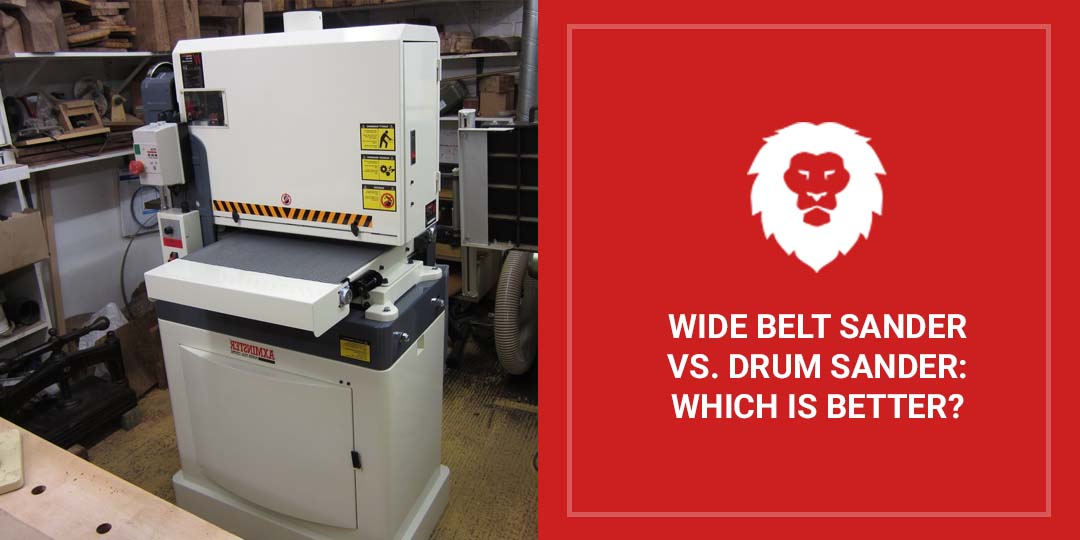
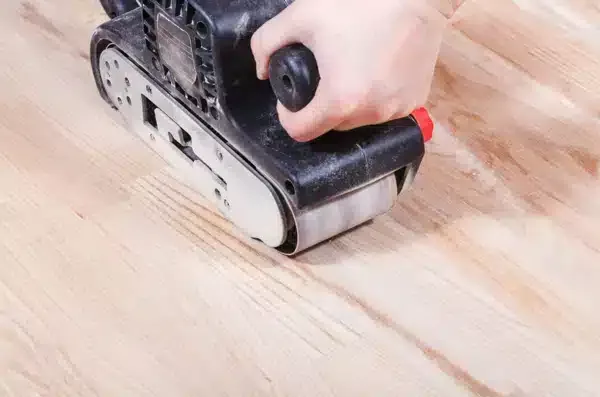
A belt sander uses a continuous loop of sandpaper that spins over two rollers. It is handheld in most shops and is made for fast stock removal. It shines when you need to level rough spots, remove old finish, or clean up edges quickly.
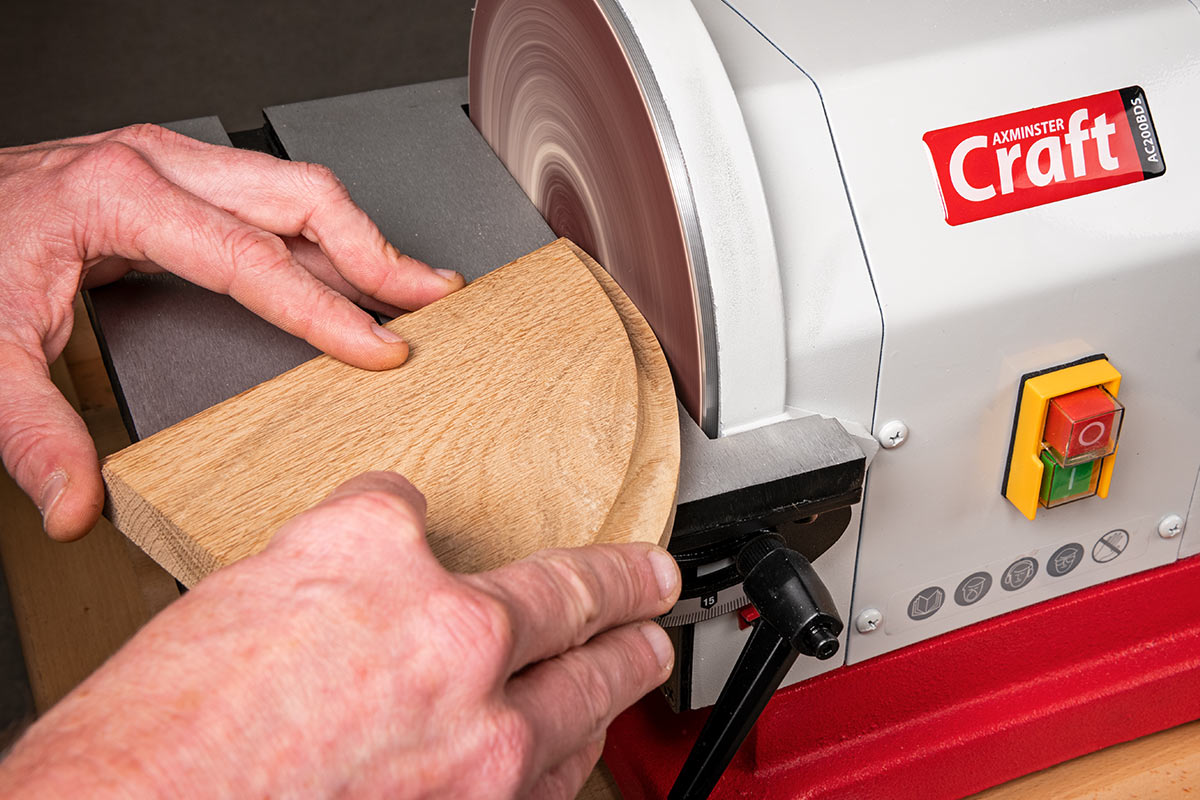
A drum sander uses a rotating drum wrapped in abrasive paper. In woodworking, it is often a larger machine used for flattening boards, sanding panels, or finishing hardwood floors. It removes less material per pass than a belt sander, but it is far more controlled and even.
In simple terms, the belt sander is like a rough but fast painter. The drum sander is like a careful finisher. Both matter, but they solve different problems.

Main Differences Between a Belt Sander and a Drum Sander
The biggest difference in the belt sander vs drum sander debate is how they contact the wood. A belt sander has a narrow moving belt that can leave more aggressive marks if you stay in one spot too long. A drum sander spreads the work across a wider surface and is usually used in a more planned, methodical way.
Here is the practical breakdown:
- Speed: A belt sander is faster for heavy removal. A drum sander is slower but more even.
- Control: A drum sander gives better flatness. A belt sander is easier to move around, but harder to master.
- Surface quality: A drum sander usually leaves a finer, cleaner finish. A belt sander often needs more follow-up sanding.
- Use case: Belt sanders are common for shaping, leveling small areas, and stripping. Drum sanders are common for floor sanding and wide boards.
- Size and setup: Belt sanders are portable. Drum sanders are usually large, stationary, or rented for big jobs.
From experience, I have seen beginners make one common mistake: they treat a belt sander like a harmless finishing tool. It is not. It can dig in fast, and once it does, you are sanding out a mistake instead of sanding the project.

When to Use a Belt Sander
A belt sander is the better choice when you need speed and muscle. It works well for rough lumber, paint removal, glue cleanup, and knocking down high spots. If the surface is ugly and needs help fast, the belt sander is often the tool to reach for first.
Good uses include:
- Smoothing rough-cut boards
- Removing old stain or paint
- Flattening joints that sit slightly proud
- Shaping edges on wood pieces
- Cleaning up warped or uneven spots
I have used a belt sander on reclaimed wood that looked too rough to save. In about ten minutes, the board went from junk-looking to usable. The lesson was simple: use a light touch and keep moving. If you lean too hard, the machine will tell on you.
When to Use a Drum Sander
A drum sander is the better choice when the goal is flatness and consistency. It is ideal for wide boards, panel work, and hardwood floors. If you want a smooth surface that stays even across its width, the drum sander is hard to beat.
Good uses include:
- Sanding hardwood floors
- Flattening large boards
- Leveling glued-up panels
- Refining surfaces before final finishing
- Reducing sanding marks from rougher tools
In my shop, the drum sander became the tool I trusted when the project had already been shaped and needed a clean, even surface. It feels less dramatic than a belt sander, but that is the point. It is steady, and steady wins when you want a pro finish.

Belt Sander vs Drum Sander for Floors
For floors, the belt sander vs drum sander question usually has a clear answer: the drum sander is the safer long-term choice for large flooring jobs. It removes finish and levels boards more evenly across the floor. That makes it the standard for major floor refinishing work.
A belt sander can still help on floors, especially in tight areas or small repairs. But it is not the best tool for large open spaces because it is easier to leave dips or swirl marks. If you are refinishing a whole room, the drum sander saves time and helps protect the surface.
Useful rule of thumb:
- Use a drum sander for the main floor area
- Use a belt sander for edges, corners, or spot correction
- Finish with finer grits either way to reduce scratch marks
Flooring pros often follow a sanding sequence to avoid deep scratches. Industry guidance from wood floor trade groups and finishing experts supports starting with the right grit and stepping up gradually. That process matters more than raw power.
Belt Sander vs Drum Sander for Furniture Projects
For furniture, the belt sander vs drum sander choice depends on the job size. A belt sander is handy for shaping legs, flattening small glue lines, or stripping a rough tabletop. A drum sander is better if you need to sand wide panels or keep a large surface perfectly even.
If you are building a table, cabinet door, or shelf panel, the drum sander is often the cleaner option. If you are fixing a bad edge, removing an old finish, or shaping an uneven part, the belt sander is faster and more flexible. Think of the belt sander as a problem solver and the drum sander as a surface finisher.
Pros and Cons of a Belt Sander
A belt sander has strong advantages, but it also comes with real risks.
Pros:
- Removes material very fast
- Great for rough work
- Easy to move and store
- Good for edges, spots, and smaller jobs
- Often less expensive than large sanding machines
Cons:
- Can damage wood quickly
- Leaves deep scratches if used poorly
- Harder to get a perfectly flat surface
- Can be noisy and aggressive
- Usually needs extra finishing passes
I have learned that a belt sander rewards patience. The tool itself is not the problem. The problem is usually the hand on the tool. A light touch and a steady pace make all the difference.

Pros and Cons of a Drum Sander
A drum sander is great when accuracy matters more than speed.
Pros:
- Produces a flatter, more even surface
- Better for large boards and floors
- Leaves a more refined finish
- Reduces the risk of gouges when used correctly
- Very useful for repeatable sanding work
Cons:
- Bigger and less portable
- More expensive to buy
- Can be slower than a belt sander
- Usually not ideal for small detail work
- Requires setup and space
In real life, the drum sander feels like a machine that respects the material. It does not rush, and that is why the results are often better. I have seen fewer sanding mistakes with a drum sander simply because it forces a slower process.

How to Choose Between a Belt Sander and a Drum Sander
Choosing the right tool in the belt sander vs drum sander decision comes down to your project goal. Ask yourself what matters most: speed, flatness, portability, or finish quality.
Use this simple guide:
- Choose a belt sander if you need fast removal, shaping, or spot repair.
- Choose a drum sander if you need even sanding on wide surfaces or floors.
- Choose a belt sander if you work in small spaces or move between job sites.
- Choose a drum sander if you can set up a larger work area and want cleaner results.
- Choose both if you do a lot of woodworking and need rough sanding plus finish sanding.
A good workflow often uses both tools. The belt sander handles the rough stage. The drum sander handles the precision stage. That combination saves time and helps reduce mistakes.
Safety and Common Mistakes to Avoid
Both tools can do damage if used carelessly. The belt sander is especially easy to overdo because it removes wood so quickly. The drum sander is safer in some ways, but it can still create uneven sanding if the grits or passes are wrong.
Avoid these mistakes:
- Staying in one spot too long
- Starting with grit that is too coarse
- Skipping dust collection
- Forcing the tool instead of letting it work
- Sanding against bad grain direction when avoidable
- Forgetting to test on scrap wood first
Dust control matters too. Wood dust is a real health issue, and agencies like OSHA and wood dust safety guidance from health groups warn about fine particle exposure. Always wear eye protection, hearing protection, and a proper dust mask or respirator when needed.
Belt Sander vs Drum Sander: Cost, Maintenance, and Ownership
Cost is another part of the belt sander vs drum sander conversation. Belt sanders are usually cheaper and easier to own. Drum sanders are often larger, cost more, and may make more sense as a rental or shop machine unless you do frequent large projects.
Maintenance is different too:
- Belt sander maintenance includes belt changes, dust cleaning, and checking the tracking.
- Drum sander maintenance includes drum wear, abrasive replacement, and machine alignment.
- Both tools work better when dust is removed often and the abrasives are changed before they are worn out.
If you only sand occasionally, a belt sander may be enough. If you regularly restore floors or mill large panels, a drum sander becomes a smarter investment.
Frequently Asked Questions
Is a belt sander better than a drum sander?
Not always. A belt sander is better for fast removal and shaping, while a drum sander is better for flat, even sanding. The best choice depends on whether you need speed or precision.
Can a belt sander replace a drum sander?
For some small jobs, yes, but not completely. A belt sander can handle rough sanding and spot work, but it cannot match the flat, consistent results of a drum sander on large surfaces.
Is a drum sander hard to use?
It can be, especially for beginners. Once you learn the feed rate, grit sequence, and machine control, it becomes much easier. The biggest key is taking light passes and not rushing.
Which tool is better for hardwood floors?
A drum sander is usually better for the main floor area. A belt sander is more useful for edges, corners, and smaller correction work. For full floor refinishing, the drum sander is the standard choice.
What grit should I start with on a belt sander or drum sander?
Start with the least aggressive grit that still removes the problem. If the surface is very rough, you may begin around 60 grit, then move to 80 and 120 as needed. Always test on scrap wood first if you are unsure.
Conclusion
When you compare belt sander vs drum sander, the answer is not about which tool is universally better. It is about which tool matches the job. A belt sander is the fast, aggressive choice for rough work, while a drum sander is the smarter pick for large, even, polished results.
If you remember one thing, let it be this: start with the right tool, use the lightest effective touch, and work in steps. That simple habit prevents damage and gives you cleaner results. If this guide helped you, explore more woodworking tips, compare grit options next, or leave a comment with the project you are sanding right now.