PEX shutoff valves are faster to install; compression shutoff valves are more universal and easier to service.
If you are comparing pex shutoff valve vs compression shutoff valve, you are probably trying to pick the safest, cleanest, and most practical option for a real plumbing job. I’ve worked through enough under-sink installs and fixture swaps to know this choice matters more than people think. The right valve can save time, reduce leak risk, and make the next repair a whole lot easier.
PEX Shutoff Valve vs Compression Shutoff Valve: What Each One Does
A shutoff valve controls water flow to a sink, toilet, appliance, or fixture. In plain terms, it lets you stop water to one spot without shutting off the whole house. That is the whole job, but how the valve connects to the pipe changes everything.
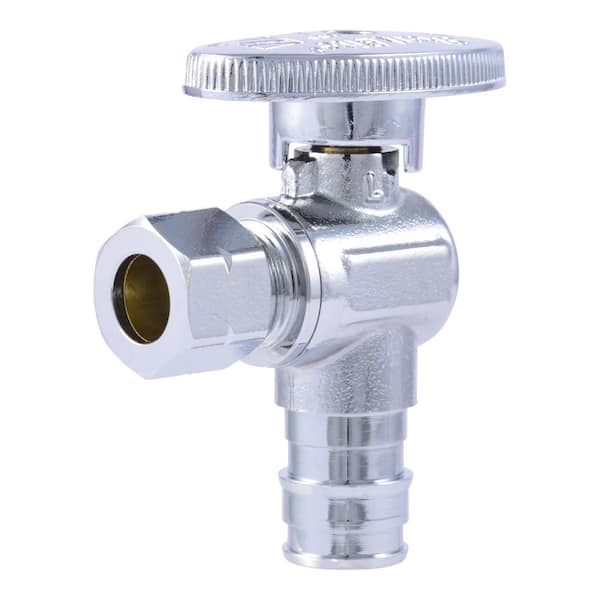
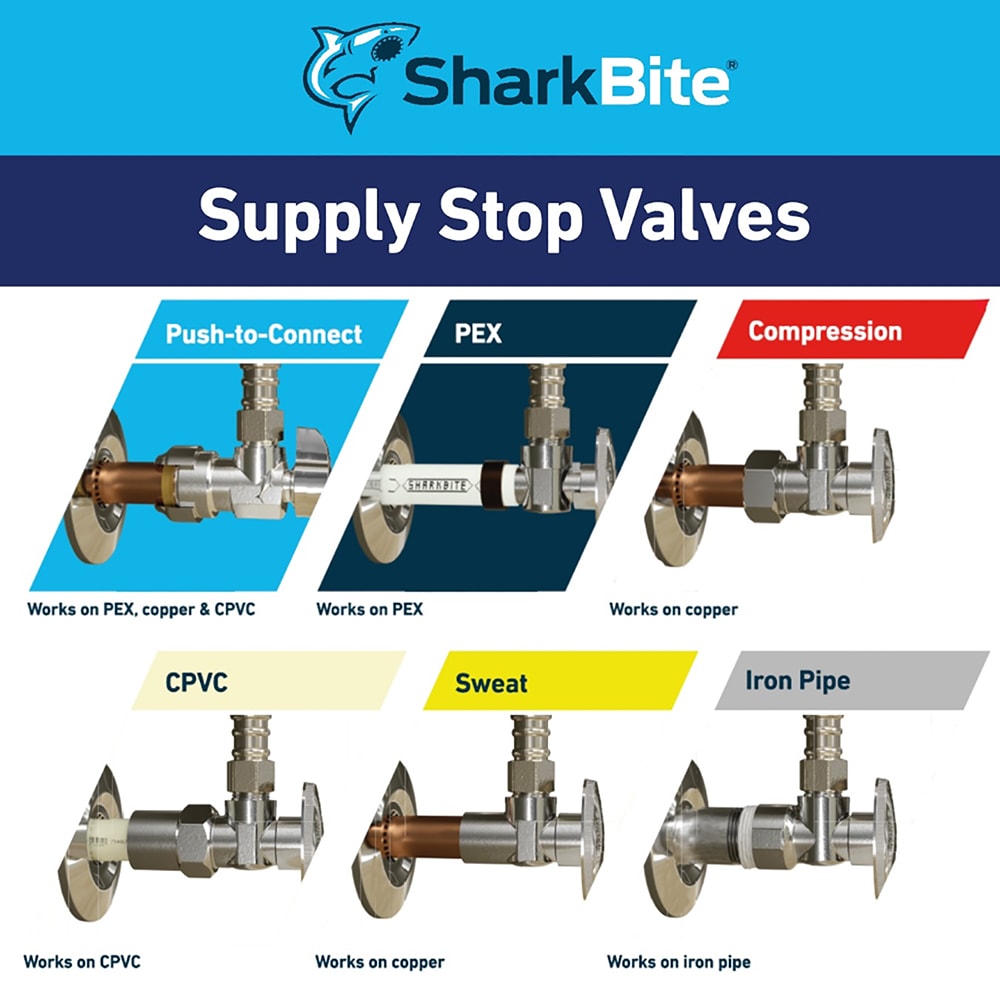
A PEX shutoff valve is designed to connect directly to PEX tubing. It usually uses crimp, clamp, or push-fit style connections, depending on the model. A compression shutoff valve, on the other hand, uses a nut and ferrule to grip the pipe and make a seal.
In the real world, that means the pex shutoff valve vs compression shutoff valve decision often comes down to pipe type, install speed, and service needs. I have seen DIYers buy the wrong valve because they focused only on the faucet side and ignored the supply line connection. That usually leads to extra trips to the store and a lot of frustration.
What Is a PEX Shutoff Valve?
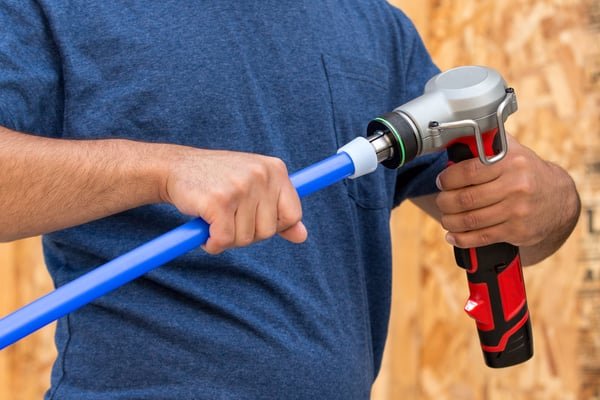
A PEX shutoff valve is made for cross-linked polyethylene tubing, better known as PEX. It connects to the pipe using a PEX fitting method such as crimp rings, cinch clamps, expansion rings, or push-to-connect ends. These valves are common in newer homes and remodels because PEX tubing is flexible and quick to work with.
The biggest benefit of a PEX shutoff valve is a clean connection that matches modern PEX plumbing systems. It often takes less space than older-style valves and can reduce fitting clutter under a sink. When installed correctly, it creates a neat and efficient branch off the supply line.
In my experience, PEX valves are especially nice when the plumbing layout is tight. They let you work with the flexibility of the tubing instead of forcing rigid parts into place. That can make a big difference behind a vanity or under a kitchen sink where room is always limited.
What Is a Compression Shutoff Valve?
A compression shutoff valve is a valve that connects to rigid tubing or pipe with a compression nut and ferrule. As the nut tightens, the ferrule squeezes onto the pipe and forms a seal. This style has been used for a long time and is still very common on fixture supplies.
One reason people like compression valves is flexibility. They can often be used on copper pipe and sometimes on compatible tubing with the correct setup. They are familiar to many plumbers and handy for repairs because they do not require special crimp tools in the same way PEX fittings do.
I’ve often used compression valves when replacing older under-sink setups where copper was already in place. They can be a practical choice when you want a dependable connection without reworking the entire line. But they do need careful tightening, because over-tightening can damage the ferrule or pipe.
PEX Shutoff Valve vs Compression Shutoff Valve: Key Differences
The pex shutoff valve vs compression shutoff valve comparison gets easier when you look at the job from a few angles. Each one has strengths, but they are not interchangeable in every situation.
Connection type
A PEX shutoff valve connects directly to PEX tubing with a PEX-specific method. A compression valve grips the pipe mechanically with a ferrule and nut. That means the pipe material matters right away.
Installation speed
PEX valves are usually faster when you already have PEX tubing and the right tools. Compression valves are also fairly simple, but they take more careful assembly and tightening. If you are doing a fast fixture swap, PEX often wins on speed.
Best use case
PEX valves are best for PEX supply lines in modern plumbing systems. Compression valves are better suited to copper and other compatible rigid tubing. The pex shutoff valve vs compression shutoff valve question often ends here: use the valve that fits the pipe you already have.
Serviceability
Compression valves are easy to understand and replace, and many plumbers have worked with them for years. PEX valves can also be serviced, but the repair method depends on the fitting type. Push-fit PEX valves are especially convenient for quick service work.
Tool requirements
PEX crimp and clamp installs usually need dedicated tools. Compression valves usually need only a wrench or two. For a simple homeowner repair, that can make compression feel easier, even if the long-term plumbing setup favors PEX.
Common risk points
With PEX valves, the main risk is using the wrong fitting method or not seating the tubing correctly. With compression valves, the main risk is overtightening or getting a poor seal on the ferrule. In both cases, a small mistake can cause a slow leak that shows up later.
Which One Is Better for PEX Tubing?
If your supply line is PEX, the PEX shutoff valve is usually the better match. It is built for that pipe size and material, so the connection is cleaner and more direct. That is why many plumbers prefer to stay within the same system when possible.
Compression valves can sometimes be used in adapted setups, but they are not the first choice for raw PEX tubing. PEX is flexible, and compression fittings are better suited to firmer pipe surfaces. If the tubing is not properly supported or sized for the fitting, the seal may not hold as well.
I learned this the hard way on an early bathroom repair. I tried to force a mixed setup because I wanted to “make it work,” and it ended up costing more time than doing it correctly the first time. That lesson stuck with me: the cleanest fix is usually the one designed for the pipe you have.
When a Compression Shutoff Valve Makes More Sense
A compression shutoff valve makes sense when the existing plumbing is copper or another compatible rigid line. It is also useful when you want a valve that can be installed without PEX-specific tools. For a quick replacement under a sink, this can be a real advantage.
Compression valves are also handy in older homes. Many older supply lines were built around copper, so replacing a valve often means staying with the same connection style. That keeps the repair simpler and avoids unnecessary pipe changes.
Here are a few situations where compression is often the practical choice:
- Replacing a worn valve on copper supply tubing
- Doing a straightforward fixture update
- Working in a home where PEX tools are not available
- Matching an existing compression-based setup
- Making a repair that should stay close to the original plumbing design
Pros and Cons of PEX Shutoff Valves
PEX valves have clear strengths, but they are not perfect for every project. Knowing both sides helps you choose with confidence.
Pros
- Fast install when used with the right PEX system
- Clean fit for modern residential plumbing
- Good for tight spaces and remodels
- Works well with flexible tubing
- Often a strong choice for new construction
Cons
- Requires the right PEX tools or fitting type
- Not ideal for copper unless using a proper transition fitting
- Mistakes in crimping or clamping can cause leaks
- Some homeowners are less familiar with the install method
Pros and Cons of Compression Shutoff Valves
Compression valves are trusted for a reason, but they also have limits. They can be very convenient, especially for repairs, but they are not always the best choice for every line.
Pros
- Simple and familiar to many DIYers
- No special crimp tool needed in most cases
- Works well on copper supply lines
- Easy to replace in many fixture setups
- Good for repair work on older homes
Cons
- Can leak if over-tightened or installed poorly
- Not the best match for every PEX setup
- Ferrules may need careful seating
- May be less ideal in certain tight or modern layouts
How to Choose Between PEX Shutoff Valve vs Compression Shutoff Valve
Choosing between pex shutoff valve vs compression shutoff valve is easier when you start with the pipe, not the valve. The pipe material tells you what will work best. After that, you can think about tools, skill level, and how permanent the repair needs to be.
Use this simple decision path:
-
Identify the pipe material.
If it is PEX, lean toward a PEX shutoff valve. If it is copper, compression is often the natural fit. -
Check the available tools.
If you have PEX crimp or clamp tools, a PEX valve may be faster. If not, compression may be the simpler route. -
Think about the job type.
New install? PEX is often the better modern choice. Quick repair? Compression may be easier. -
Consider access space.
Tight cabinet space can favor a smaller, cleaner PEX setup. But easy wrench access can make compression straightforward. -
Match the whole system.
The best valve is the one that fits your line, your tools, and your confidence level.
Common Installation Mistakes to Avoid
I have seen a lot of leaks that were not caused by bad parts. They were caused by rushed installs, wrong assumptions, or tiny mistakes that looked harmless at first. The good news is that most of those problems are avoidable.
Watch out for these mistakes:
- Using a valve that does not match the pipe type
- Forgetting to cut the pipe cleanly
- Over-tightening a compression nut
- Skipping proper PEX ring placement
- Not checking for full seating before turning water back on
- Failing to test for leaks after installation
A leak may start small, but water is patient. It will find the weak spot. That is why I always test slowly, wipe the fittings dry, and watch the joint for a few minutes after the system is pressurized.
Durability, Maintenance, and Leak Risk
Both valve types can last a long time when installed correctly. The real difference is not just the valve itself, but how well the connection suits the pipe and how carefully it was installed. Good materials plus good technique almost always win.
PEX shutoff valves tend to perform very well in modern systems because the fittings are designed to work together. Compression valves also have a long track record, especially on copper lines. The key is respecting their limits and not forcing the wrong setup.
For maintenance, check under sinks and behind toilets now and then. Look for moisture, corrosion, or mineral marks near the valve body and connection points. A small inspection can save you from a big mess later.
Which Valve Is Better for DIYers?
For many DIYers, the answer depends on the plumbing already in place. If you have copper, a compression shutoff valve is often the easier mental step because the method is familiar and the tools are simple. If you have PEX and the proper tools, the PEX shutoff valve may be the cleaner long-term solution.
The best DIY choice is not always the newest one. It is the one you can install correctly without guessing. I always tell homeowners this: a simple valve done right is better than a fancy valve done wrong.
If you are unsure, take a photo of the pipe before shopping. That one habit prevents a lot of store returns and wasted time. It also helps you talk clearly with a plumbing supply counter or pro if you need advice.
Frequently Asked Questions
Can I use a compression shutoff valve on PEX?
Sometimes, but it is not usually the best choice unless the setup is specifically compatible. PEX shutoff valve options are usually a better match because they are designed for the material and connection style.
Are PEX shutoff valves more reliable than compression valves?
Neither one is automatically better in every case. A properly installed pex shutoff valve vs compression shutoff valve setup can both be reliable, but the right choice depends on pipe type, tool use, and installation quality.
Do compression shutoff valves need special tools?
Usually, no special PEX tools are needed. A compression shutoff valve typically only needs basic wrenches, which is one reason many DIYers find it simple to install.
Which valve is better for tight spaces under a sink?
A PEX shutoff valve often works well in tight spaces because PEX tubing is flexible and the setup can stay compact. Still, the final answer depends on your pipe layout and how much room you have to work.
How do I know which shutoff valve I need?
Look at the pipe material first. If the line is PEX, choose a PEX shutoff valve; if it is copper, a compression shutoff valve is often the better match.
Do compression valves leak more over time?
Not necessarily, but they can leak if they were installed too tightly, too loosely, or on the wrong pipe type. Good installation matters more than the label on the box.
Conclusion
The pex shutoff valve vs compression shutoff valve choice comes down to fit, tools, and the pipe you already have. PEX valves usually make the most sense for modern PEX plumbing, while compression valves remain a strong, practical option for copper and many repair jobs. When you match the valve to the line, the install is smoother and the risk of leaks drops a lot.
If you are planning a plumbing repair or upgrade, take a few extra minutes to identify the pipe, choose the right connection style, and test the valve carefully. That small bit of planning can save you from a soggy cabinet and a second trip to the hardware store. If you found this guide helpful, keep learning, compare your fixture setup, and leave a comment with your own plumbing experience.

Mick Thomas
Contributor