A toilet auger is best for toilets, while a hand auger is more versatile for sinks and drains.
If you have ever faced a stubborn clog, you know the right tool can save time, mess, and a lot of frustration. The hand auger vs toilet auger choice seems simple at first, but the differences matter a lot once you are standing in a bathroom with standing water and limited patience. I have used both on real jobs, and the tool you choose can be the difference between a fast fix and a scratched fixture.
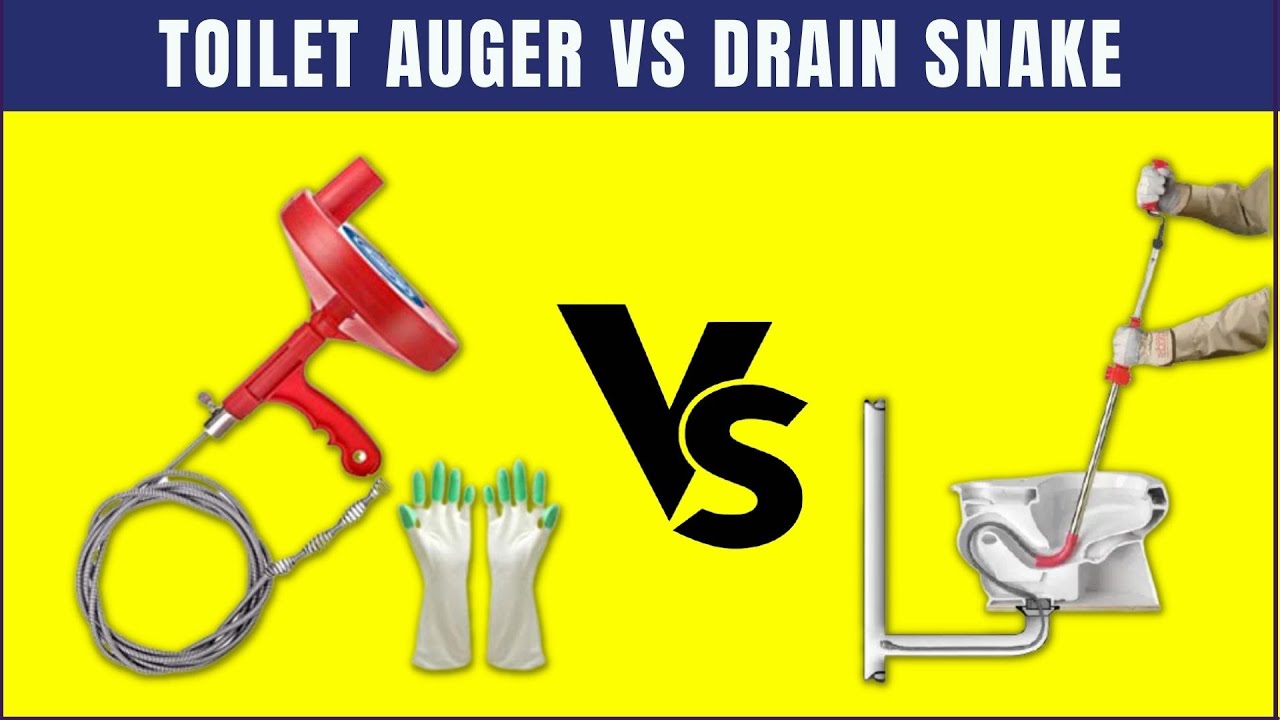
What is a hand auger?
A hand auger is a manual drain tool made to break up or pull out clogs in small household drains. It usually has a coiled cable, a crank handle, and a housing that lets you feed the cable into the pipe by hand. People also call it a drum auger or sink auger.
The hand auger works best in sinks, tubs, showers, and some laundry drains. It is useful when the clog sits fairly close to the drain opening. In my experience, it is one of the most practical tools to keep around because it can handle many common blockages without calling a plumber right away.
A hand auger is a good fit for:
• Bathroom sinks with hair buildup
• Kitchen drains with soft grease clogs
• Tub and shower drains
• Light blockages in laundry lines
It is not usually the best choice for toilets. The cable and tip are often not shaped for the toilet trap, and the wrong tool can damage the bowl surface.

What is a toilet auger?
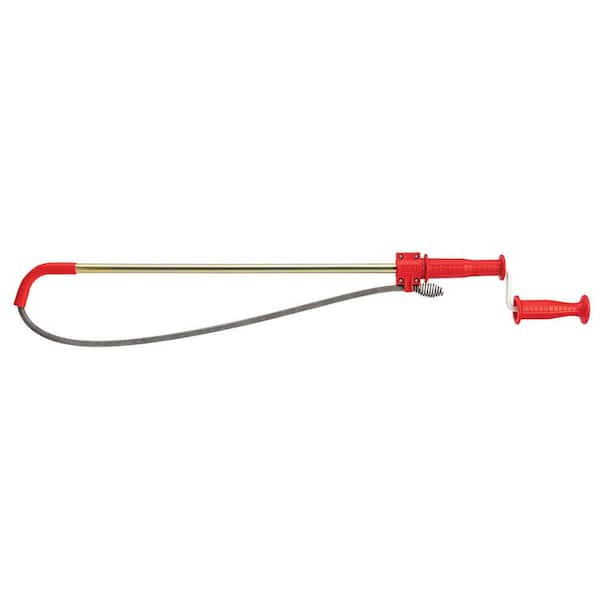
A toilet auger is a special plumbing tool made specifically for toilets. It has a curved metal tube that protects the porcelain and helps the cable move through the toilet trap. The cable is shorter than many hand augers, but it is designed for the tight bends inside a toilet.
The toilet auger is built to clear clogs caused by toilet paper, waste, or small foreign objects. It is the safer and more targeted option for toilet blockages. If you have ever tried using a regular snake in a toilet and worried about scraping the bowl, this tool solves that problem.
A toilet auger is ideal for:
• Toilet paper clogs
• Soft organic blockages
• Minor foreign object clogs
• Blockages in the toilet trap or trapway
It is not meant for sinks or showers. The shape and length are too specialized for most other drains.
Hand auger vs toilet auger: the main differences
The hand auger vs toilet auger comparison comes down to design, purpose, and safety. They may both clear clogs, but they are not interchangeable in many situations. The wrong one can be less effective or even damage fixtures.
Here are the main differences:
• Design: A hand auger has a flexible cable in a drum or housing. A toilet auger has a rigid curved tube for toilet bowls.
• Best use: A hand auger works well for sinks, tubs, and some drains. A toilet auger is made for toilets only.
• Protection: A toilet auger helps prevent scratches on porcelain. A hand auger may be too rough inside a toilet.
• Reach: A hand auger often has more cable for deeper small-drain clogs. A toilet auger has shorter reach but better control in a toilet.
• Clog type: A hand auger handles hair, soap scum, and grease better. A toilet auger handles paper and waste clogs better.
If you think of them like kitchen tools, the hand auger is a general-purpose knife, while the toilet auger is a peel-and-core tool made for one job. That specialization matters more than most people expect.
When to use a hand auger
A hand auger is the better pick when the clog is not in a toilet. It shines in drains where hair, soap residue, or soft buildup is the problem. I have found it especially useful in bathroom sinks, where clogs often sit just past the drain stopper.
Use a hand auger when:
• Water drains slowly from a sink or tub
• You suspect hair or soap buildup
• A plunger did not fix the problem
• The clog seems near the drain opening
One mistake I made early on was trying to force a hand auger into a toilet because I did not want to switch tools. It worked poorly and felt awkward the whole time. Since then, I treat drain tools like shoes: the fit matters.
When to use a toilet auger
A toilet auger is the right choice when the toilet bowl is clogged and a plunger does not help. It is especially useful when the blockage sits in the toilet trap or just beyond it. The curved sleeve lets you work without risking damage to the porcelain.
Use a toilet auger when:
• The toilet bowl fills and drains slowly
• A plunger has failed
• You suspect too much toilet paper
• A small object may be stuck in the trapway
The toilet auger gives you better control than a hand auger in this setting. It also reduces the chance of scratching the bowl, which is a common and expensive mistake.
Hand auger vs toilet auger: pros and cons
A good hand auger vs toilet auger decision starts with knowing the strengths and limits of each tool.
Hand auger pros
• Works for several drain types
• Good for hair and soap clogs
• Usually inexpensive
• Handy for routine home use
Hand auger cons
• Not ideal for toilets
• Can scratch porcelain if misused
• May not reach deep toilet clogs
Toilet auger pros
• Built for toilets
• Safer on porcelain
• Better control in the toilet trap
• Helps clear paper and waste clogs efficiently
Toilet auger cons
• Limited to toilets
• Less useful for sinks and tubs
• Shorter reach than many drain snakes
If you only buy one tool, think carefully about your most likely problem. For most homes, a hand auger is more versatile, but a toilet auger is the smarter tool if your main issue is toilet clogs.
How to choose the right one for your home
The easiest way to choose between a hand auger vs toilet auger is to match the tool to the drain. Start with the fixture, then think about the clog type. That simple approach avoids a lot of trial and error.
Ask yourself these questions:
• Is the clog in a toilet or another drain?
• Is the blockage near the opening or deeper in the pipe?
• Is the clog likely hair, grease, paper, or an object?
• Do you need a tool for one fixture or many?
If you live in a house with kids, a toilet auger may be worth keeping on hand because foreign objects in toilets are common. If your biggest issue is slow bathroom sinks, a hand auger is usually the better investment. I like having both in a home tool kit because they solve different problems without much overlap.
How to use a hand auger safely
Using a hand auger the right way helps protect the drain and makes the job faster. Take your time and feed the cable slowly. Fast, rough cranking can kink the cable or push the clog deeper.
Follow these steps:
- Put on gloves and place a towel or bucket nearby.
- Insert the cable into the drain opening.
- Turn the crank slowly while feeding the cable forward.
- When you feel resistance, work the cable gently.
- Pull the cable back out and flush the drain with water.
Do not force the cable if it binds hard. That usually means the clog is larger, the pipe bends sharply, or the tool is not the right one for the drain. A slow, steady motion works better than muscle.
How to use a toilet auger safely
A toilet auger is simple to use, but it still needs care. The curved sleeve is there to protect the bowl, so make sure it sits properly before you crank. This is one of those tools that looks more awkward than it is.
Follow these steps:
- Place the curved end into the toilet bowl.
- Guide it down into the drain opening.
- Turn the handle slowly while applying light pressure.
- Let the cable work through the blockage.
- Pull it back out and test the flush.
Never use brute force with a toilet auger. If the cable will not move, the clog may be farther down the line or caused by an object that needs removal another way. In my own work, the best results usually came from patience, not power.
Common mistakes to avoid
People often damage drains because they use the wrong tool or rush the process. The hand auger vs toilet auger difference is easy to overlook until something scratches or breaks. A few simple habits can save you money.
Avoid these mistakes:
• Using a hand auger in a toilet bowl
• Forcing the cable through a hard blockage
• Cranking too fast
• Skipping gloves and cleanup
• Ignoring signs of a deeper sewer problem
If a clog keeps coming back, the issue may not be in the fixture itself. It could be in the branch line or main drain. That is when a professional inspection makes more sense than repeated snaking.
What plumbers and DIYers should know
From a practical standpoint, both tools have a place in a home toolkit. A hand auger is more flexible for everyday sink and tub clogs, while a toilet auger is a must-have for bathroom use. Professional plumbers often carry both because no single tool solves every clog.
Industry plumbing guidance generally supports using fixture-specific tools to avoid damage and improve clearing success. That aligns with what I have seen in real homes: the right tool makes the job cleaner, safer, and faster. It also helps reduce repeat clogs because you are less likely to push debris deeper by accident.
If you are a DIYer, the biggest lesson is simple. Match the auger to the drain, and do not use one tool as a replacement for the other unless you are sure it is safe.
Cost, durability, and maintenance
A hand auger and a toilet auger are both usually affordable, but the price can vary based on cable length, material quality, and handle design. A basic model often works fine for occasional household use. Better-built models tend to last longer and feel smoother during use.
To keep either tool in good shape:
• Clean the cable after each use
• Dry it before storing
• Check for bends or rust
• Keep the crank moving smoothly
• Store it in a dry place
A cheap tool can still be useful, but a well-made one saves frustration. I have had budget tools seize up after a few uses, while a sturdier one kept working for years.
Frequently Asked Questions of hand auger vs toilet auger
Can a hand auger be used on a toilet?
It can sometimes be used carefully, but it is not recommended. A hand auger is not shaped to protect the porcelain, so it may scratch or damage the toilet bowl.
Is a toilet auger better than a plunger?
Not always, but it is better for stubborn clogs that a plunger cannot move. A plunger is great for simple blockages, while a toilet auger helps when the clog is deeper or more compact.
What clog does a hand auger remove best?
A hand auger works best on hair, soap scum, and soft buildup in sinks, tubs, and showers. It can also help with some light kitchen drain clogs.
Do I need both a hand auger and a toilet auger?
If you want to be ready for most household clogs, yes, both are useful. A hand auger covers more drain types, while a toilet auger is the safest tool for toilet-specific problems.
How far can a toilet auger reach?
Most toilet augers are designed for the toilet trap and nearby blockage areas rather than long pipe runs. If the clog is farther down the line, a larger drain snake or professional help may be needed.
Conclusion
The hand auger vs toilet auger choice is easier once you think in terms of the fixture, the clog, and the risk of damage. A hand auger is the more versatile option for sinks, tubs, and similar drains, while a toilet auger is the clear winner for toilet clogs. Using the right tool saves time, protects your plumbing, and makes a messy job much less stressful.
If you are building a basic home toolkit, start with the tool that fits your most common problem. Then learn how to use it slowly and safely so you get clean results without extra damage. If this guide helped, explore more plumbing tips and share your own clog-fighting experience in the comments.

Mick Thomas
Contributor

