A magnetic pickup tool grabs dropped metal fast, while an inspection mirror helps you see hidden spaces clearly.
If you’ve ever dropped a screw behind an engine mount or tried to inspect a tight corner under a sink, you already know why the magnetic pickup tool vs inspection mirror comparison matters. I’ve used both tools in real repair and inspection work, and the right choice usually comes down to one simple question: do you need to retrieve something, or do you need to see something? This guide breaks down the magnetic pickup tool vs inspection mirror in a practical way, so you can choose the right tool with confidence.
What a magnetic pickup tool is and how it works
A magnetic pickup tool is a simple hand tool with a magnet at the end of a rod, shaft, or flexible stem. Its job is to lift or pull metal objects from places your fingers cannot reach. It is especially useful for screws, nuts, bolts, clips, and small parts made of steel or iron.
The tool works because the magnet creates a pulling force on ferromagnetic metals. That means it can grab many common fasteners, but not aluminum, brass, plastic, or stainless steel that is weakly magnetic or non magnetic. In real life, that limitation matters a lot when comparing magnetic pickup tool vs inspection mirror.
Common types include:
- Telescoping magnetic pickup tools for long reach
- Flexible magnetic pickup tools for curved paths
- Magnetic trays or wand style tools for shop use
- Magnetic retrieval tools with lights for dark spaces
I’ve found this tool most useful in engine bays, behind appliances, and under furniture. One mistake I made early on was assuming the magnet would pull anything small. It won’t. If the part is not magnetic, the tool is useless for retrieval.
What an inspection mirror is and how it works
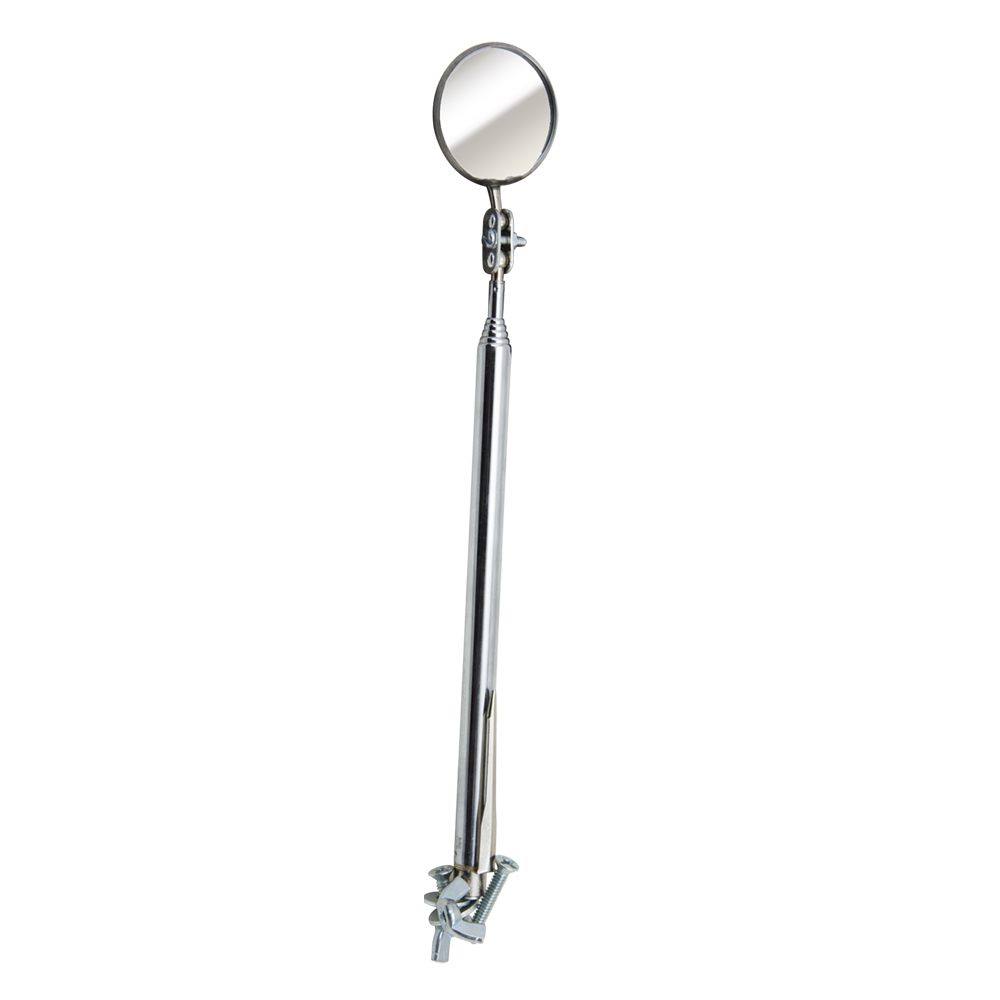
An inspection mirror is a small mirror on an adjustable handle, often with a swivel head. It lets you see into hidden, blocked, or awkward areas without moving the whole object apart. Mechanics, electricians, plumbers, and DIY users all rely on it for visual checks.
Unlike a magnetic pickup tool, an inspection mirror does not retrieve anything. Its value is in visibility. It helps you spot leaks, read part numbers, check alignment, inspect welds, and confirm whether a dropped item is actually where you think it is.
Inspection mirrors are often used for:
- Looking behind pipes or panels
- Checking the back side of parts
- Reading serial numbers in tight spaces
- Inspecting for rust, cracks, leaks, or damage
In my experience, the mirror often saves more time than people expect. I’ve used it to confirm a bolt was seated correctly before reaching for a tool I didn’t even need. That small step can prevent a lot of frustration.

Magnetic pickup tool vs inspection mirror: the main difference
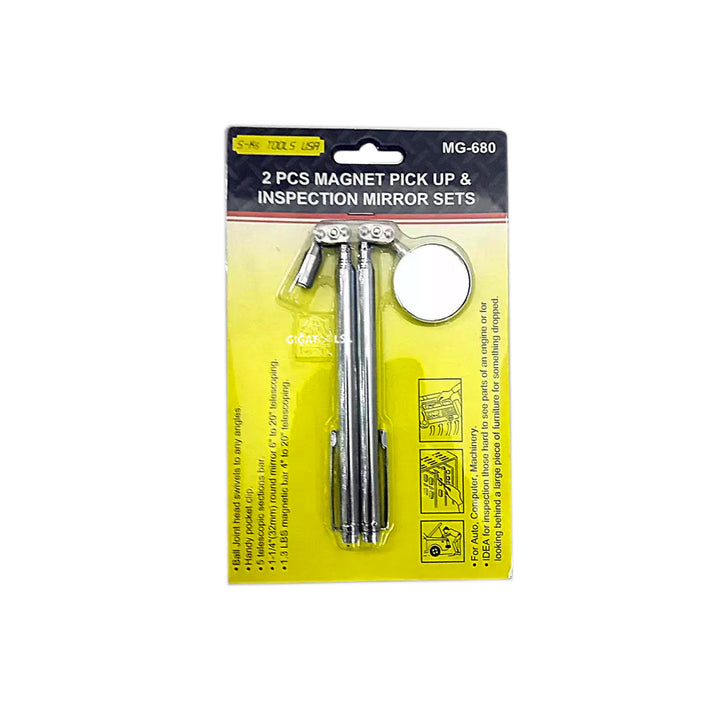
The core difference is simple. A magnetic pickup tool removes metal objects, while an inspection mirror helps you locate and verify them.
Think of it like this:
- A magnetic pickup tool is your hand in a hard-to-reach place
- An inspection mirror is your eye in a hard-to-see place
When comparing magnetic pickup tool vs inspection mirror, the right choice depends on the task. If the item fell into a gap and you know it is magnetic, the pickup tool is usually the best first move. If you need to see what is happening before acting, the inspection mirror is the smarter choice.
Here’s a quick side-by-side view:
- Retrieval: magnetic pickup tool wins
- Visibility: inspection mirror wins
- Works on non metal parts: inspection mirror wins
- Works in dark spaces: both can help, especially with built-in lights
- Speed in simple recovery: magnetic pickup tool often wins
The best professionals usually keep both within reach. That is not overkill. It is just practical.
When to use a magnetic pickup tool
A magnetic pickup tool is best when you need to recover a small magnetic metal part fast. It shines in places where your hand cannot fit, but the object is still close enough to reach with a magnet.
Good use cases include:
- Dropped screws in a car engine bay
- Nuts behind a washer or dryer
- Small tools in a crowded toolbox area
- Fasteners under cabinets or baseboards
- Metal shavings near a workbench
It is also a good first choice when you want to avoid disassembly. In many cases, a quick magnetic pickup can save 10 to 20 minutes of taking things apart. I’ve learned that if the part is clearly magnetic, the pickup tool should be in your hand before you start removing panels.
Limitations to remember:
- It cannot lift non magnetic materials
- It may not help if the object is trapped under heavy metal
- Strong magnets can snag nearby parts you did not mean to move
- Small magnets may lose grip if the surface is oily or angled
A little caution goes a long way. I once watched a fastener swing into the wrong spot because the magnet was too strong for the job. Since then, I match magnet strength to the task.

When to use an inspection mirror
An inspection mirror is best when the space is hidden and you need visual confirmation first. It helps you avoid blind work, which is often where mistakes happen.
Use it when you need to:
- Check whether a part is seated properly
- Find the exact location of a dropped object
- Inspect for damage behind a component
- See around corners or under equipment
- Read labels, stamps, or codes in tight spots
This tool is especially useful before using a magnetic pickup tool. For example, if a nut disappears into a machine frame, the mirror can show whether it fell into reach or deeper into a cavity. That small check can save you from fishing around aimlessly.
Limitations to keep in mind:
- It does not retrieve objects
- It can be hard to use in poor light
- Mirror image can feel awkward at first
- Smudges and dust can reduce visibility
A clean mirror and decent lighting make a huge difference. I always keep a microfiber cloth nearby because a dirty mirror is almost as bad as no mirror at all.

How to choose between the two tools
Choosing between magnetic pickup tool vs inspection mirror is easier if you ask the right questions. Start by thinking about the object, the space, and the goal.
Use this quick decision guide:
-
Is the object metal and magnetic?
If yes, the magnetic pickup tool is a strong option. -
Do you need to see the area before reaching in?
If yes, use the inspection mirror. -
Is the object non magnetic?
The inspection mirror will help you locate it, but not retrieve it. -
Is the space tight, dark, or blocked?
Both tools may help, especially if they have lights. -
Are you trying to avoid disassembly?
Start with the tool that gives you the most information first, which is often the mirror.
My rule of thumb is simple: inspect first, retrieve second. That order prevents wasted effort and reduces the chance of making a small problem worse. In the magnetic pickup tool vs inspection mirror debate, that workflow is usually the smartest one.
Real world examples from repair and maintenance work
One of the most common places I’ve used a magnetic pickup tool is under a vehicle. A dropped bolt can disappear into a frame rail, and the magnet can sometimes grab it before you even see it. But if the bolt lands somewhere flat and hidden, the inspection mirror helps confirm the exact spot first.
In another case, I was checking behind a water heater where a fitting looked slightly off. The inspection mirror showed a tiny leak stain that I could not see from the front. Without that mirror, I might have tightened the wrong connection or missed the issue entirely.
A few practical lessons I’ve learned:
- Do not force a magnet if you have not confirmed the object is magnetic
- Clean the mirror often for the best view
- Use both tools together when possible
- Keep the pickup tool extended only as much as needed for control
- Check lighting before assuming the tool is the problem
That last point matters more than people think. Many “tool failures” are really lighting failures.

Best features to look for in each tool
Not all tools are equal. In the magnetic pickup tool vs inspection mirror comparison, quality features can save time and frustration.
For a magnetic pickup tool, look for:
- Strong but controlled magnet strength
- Telescoping or flexible reach
- Comfortable grip
- LED light for dark spaces
- Durable shaft that does not bend too easily
For an inspection mirror, look for:
- Adjustable swivel head
- Scratch resistant mirror surface
- Bright built in light
- Extendable handle
- Compact size for storage and transport
If you work in automotive, HVAC, plumbing, or home repair, it is worth paying a little more for sturdier builds. Cheap tools often work once or twice, then fail right when you need them most.
Common mistakes to avoid
People often compare magnetic pickup tool vs inspection mirror as if one replaces the other. That is usually the wrong mindset. They solve different problems.
Avoid these mistakes:
- Trying to retrieve non magnetic parts with a magnet
- Using a mirror when you really need retrieval
- Forgetting to check the area with a mirror before fishing blindly
- Buying a weak magnet for deep or greasy spaces
- Using a scratched or dirty mirror and assuming the area is clear
Another common issue is expecting the mirror to “find” something automatically. It only shows what you can see. If the angle is wrong, you may need to reposition the handle or use a light source.
Which tool is better for DIYers and professionals
For most DIY users, the better choice depends on the task at hand. If you only buy one tool first, an inspection mirror is often the more versatile starter because it helps with diagnosis, alignment, and finding hidden problems. But if you frequently drop screws or work with metal fasteners, a magnetic pickup tool may save you more time.
For professionals, the answer is usually both. Mechanics, electricians, and maintenance techs often need to inspect, verify, and retrieve all in one job. That is why the magnetic pickup tool vs inspection mirror comparison usually ends in a tie, with the real winner being the one you use at the right moment.
If I had to prioritize for a beginner, I would say:
- Choose an inspection mirror if you want more visibility and fewer blind spots
- Choose a magnetic pickup tool if you often lose metal parts in tight spaces
- Choose both if you want the most flexibility
Frequently Asked Questions of magnetic pickup tool vs inspection mirror
Can a magnetic pickup tool replace an inspection mirror?
No, because they do different jobs. A magnetic pickup tool retrieves magnetic metal objects, while an inspection mirror helps you see into hidden areas.
Is an inspection mirror useful for mechanics?
Yes, very useful. Mechanics use inspection mirrors to check behind engines, under vehicles, and around hard to reach fittings.
Will a magnetic pickup tool work on stainless steel?
Sometimes, but not always. It depends on the type of stainless steel, since many grades are weakly magnetic or non magnetic.
Which tool is better for tight spaces?
It depends on the goal. If you need to see, the inspection mirror is better; if you need to grab a magnetic object, the pickup tool is better.
Do I need both tools at home?
If you do basic repairs or assembly work, yes, both can be helpful. They solve different problems and often work best together.
Conclusion
The magnetic pickup tool vs inspection mirror choice comes down to a simple idea: one tool helps you recover, and the other helps you inspect. If you need to grab a metal part, the pickup tool is the winner. If you need to see hidden details, the mirror is the better tool.
In real work, the smartest approach is usually to keep both nearby and use them in sequence. Inspect first, then retrieve. That habit saves time, reduces mistakes, and makes frustrating jobs feel much easier.
If this guide helped you, keep exploring practical tool tips, compare your own experience, or share what has worked best for you in the comments.

Mick Thomas
Contributor